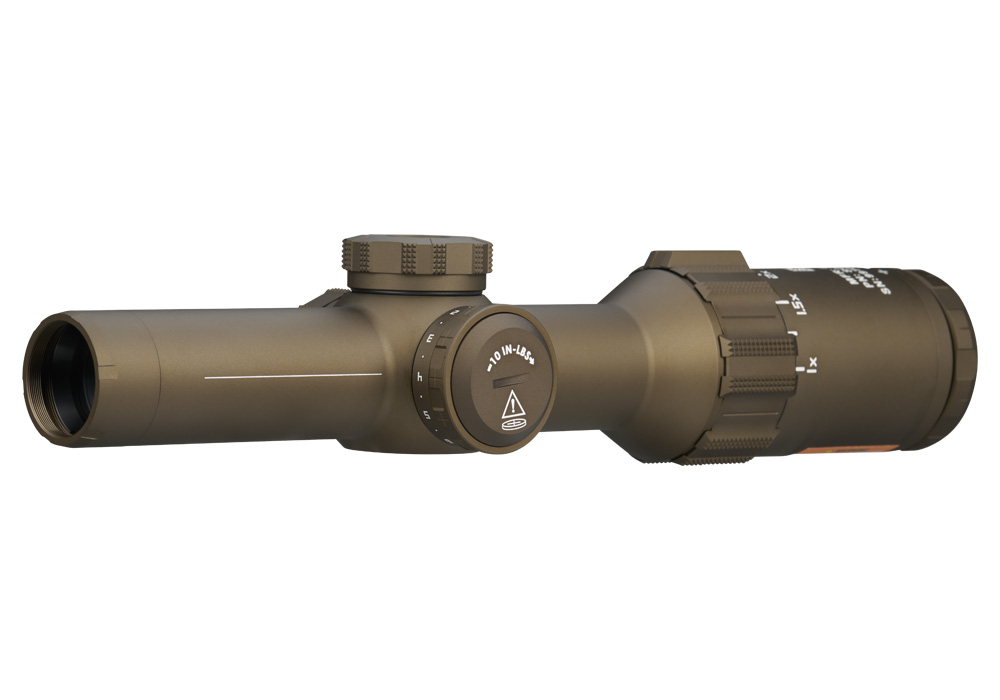
Objective covers for 1-6x24 riflescopes are compact accessories with an important job: helping protect the front lens from dust, rain, mud, brush, and incidental contact when the optic is not in use. A 1-6x24 scope uses a 24mm objective lens, but the lens diameter alone does not determine which cover will fit. The outside diameter of the objective bell can vary between scope models, and the shape of the housing, location of adjustment features, and available clearance around the bell may also affect compatibility. For that reason, shoppers should identify the exact scope model and measure the outside diameter of the objective housing when the manufacturer’s fit information is not available. A cover that is too tight may be difficult to operate or may place unnecessary pressure on the optic, while one that is too loose can shift, rattle, or allow debris around the lens. Product listings may describe a cover by its nominal lens size, outside diameter, or a model-specific fit, so comparing those details carefully is an essential part of the purchase. Covers intended for 1-6x24 optics are commonly available in flip-up, removable, tethered, and other practical designs. A flip-up model can remain attached while the scope is in use, reducing the chance of dropping a cap in tall grass or loose gravel. Removable covers may appeal to users who prefer an unobstructed setup during a range session, while tethered designs offer a useful middle ground for field use. Regardless of style, the best choice should stay secure during transport, open without interfering with the sight picture, and close firmly enough to shield the objective lens when the rifle is stored or carried.
Materials and operating details deserve just as much attention as size. Flexible polymer covers are often valued for their light weight, quiet handling, and ability to tolerate ordinary bumps against a rifle case, vehicle interior, or shooting bench. More rigid covers can provide a structured fit and may include positive stops, locking tabs, or other features that help hold the cover in its open or closed position. Some designs use a spring-loaded hinge, while others rely on friction, a retaining strap, or a simple press-fit connection. A low-profile shape can be helpful on a rifle configured with a sling, weapon light, or other accessories, particularly when the optic is mounted close to the receiver and available space is limited. Consider how the cover behaves with gloved hands during the cooler months, whether it can be opened quietly when remaining discreet matters, and whether the hinge or cap could catch on a case zipper or nearby equipment. Lens covers are not a substitute for careful handling: use a soft lens cloth or air blower to remove grit before wiping, avoid forcing a cover over mud or ice, and check the objective lens before closing it for storage. A small amount of prevention can make a noticeable difference after a wet walk through dense cover, a dusty day at the range, or a long ride to a hunting property. Shooters comparing optics accessories may also encounter larger objective formats, including 44mm Objective Lenses; those components belong to a different size category and should not be assumed compatible with a 1-6x24 riflescope cover. Always follow the scope and cover manufacturer’s installation guidance, and confirm that the cap does not contact the glass, obstruct the reticle, or interfere with the optic’s adjustment or illumination controls.
These covers are useful for hunters, competitive shooters, recreational range users, and anyone who transports a rifle with a mounted 1-6x24 scope. A hunter moving through woodland trails may appreciate a cap that keeps pine needles and fine grit away from the front glass until a clear shooting lane appears. A practical range setup benefits from the same protection when a rifle rests on a bench between strings, particularly when wind carries dust across the firing line. For owners who store equipment between outings, an objective cover helps keep airborne particles from settling on the lens and provides a simple visual reminder that the optic is protected. They can also make thoughtful gifts for a new rifle owner, a family member preparing for a first hunting season, or an experienced shooter who spends time maintaining a well-organized gear setup. When selecting a gift, verify the recipient’s scope model rather than relying only on the 24mm designation; a close but incorrect fit is unlikely to be useful. It is also worth considering the recipient’s habits. Someone who leaves the cover attached during transport may prefer a durable flip-up design, while someone who removes accessories before each range session may favor a straightforward, detachable option. During changing weather, a dependable cover offers an easy way to protect the objective lens while moving between a warm vehicle, a damp field, and a covered shooting position. Choose a properly fitted design, keep the lens and cap free of grit, and inspect the hinge, tether, or retaining feature periodically so the accessory remains ready whenever the scope is needed.