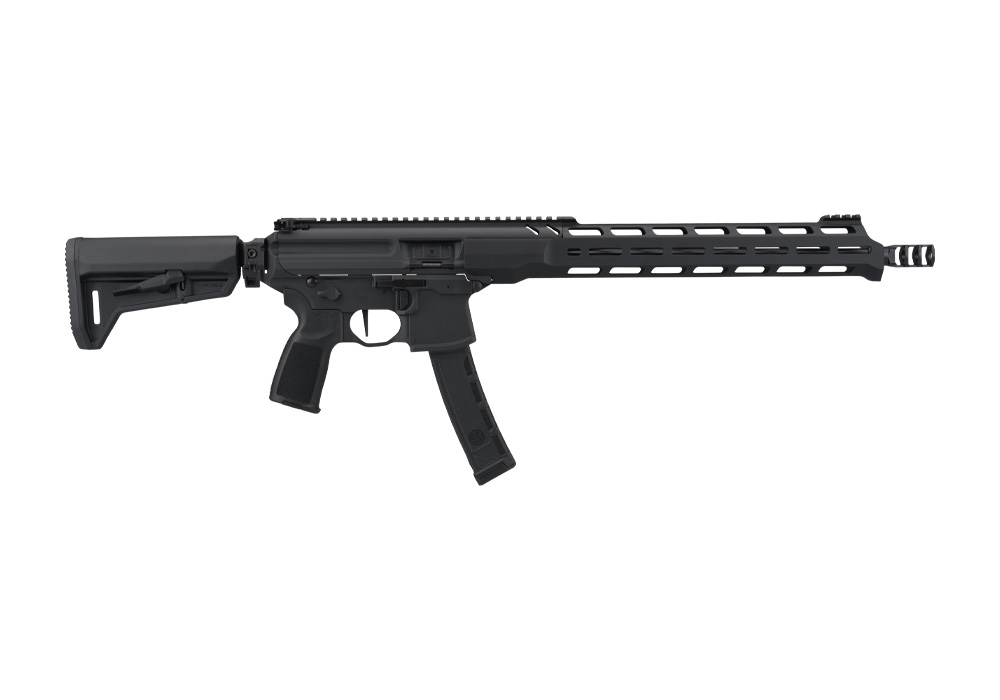
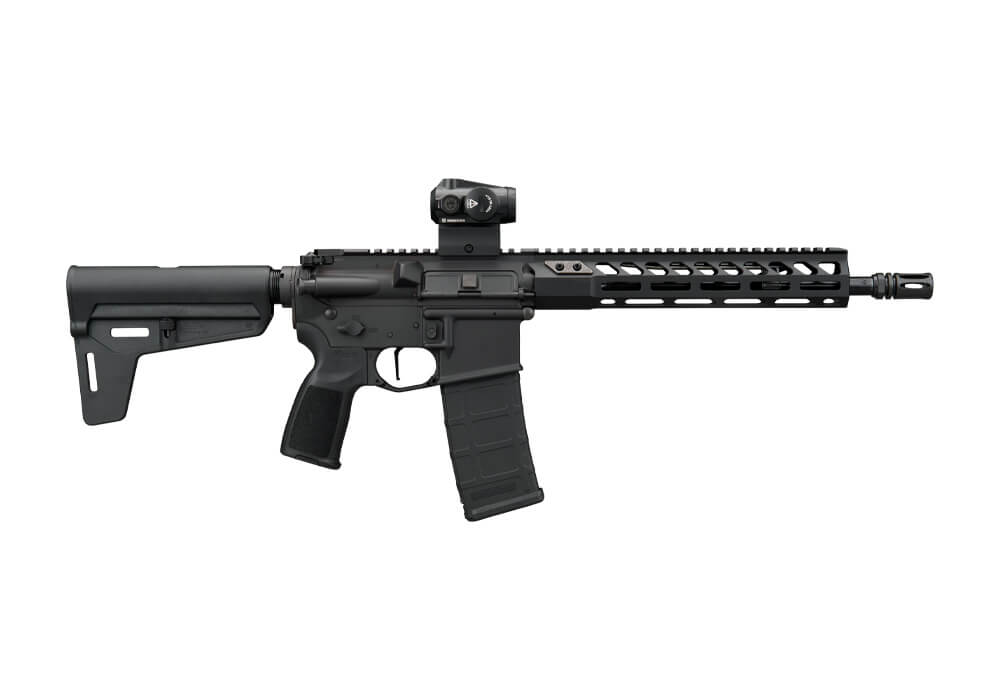
10 Inch Tactical Firearm Handguards offer a practical balance between compact handling and useful accessory space, making them a popular choice for short-barreled rifle configurations, carbine-style builds, and other platforms where keeping the front end trim matters. A 10-inch handguard typically extends over much of an 11.5-inch or 12.5-inch barrel while leaving room for the muzzle device, and that combination can create a well-proportioned setup that moves easily through tight spaces without feeling crowded at the support hand. Compared with a shorter rail, a 10-inch design gives the shooter more room to establish a comfortable grip, position a hand stop or vertical grip, attach a sling mount, and place a weapon light where it can be reached without shifting the hand. Compared with a longer handguard, it can reduce forward weight and leave more of the muzzle assembly visible. These qualities make 10-inch tactical firearm handguards useful for range sessions, training carbines, competition-oriented builds, and compact firearms intended for transport and storage. They may also be a thoughtful gift for an experienced firearm owner who is refining a build, provided the recipient’s platform and installation requirements are known. Because handguards are not universal, the firearm model, upper receiver pattern, barrel length, gas system, barrel nut, and mounting method should all be confirmed before purchase. A handguard that looks suitable in a product image may not fit a particular upper or may interfere with the gas block, charging handle, muzzle device, or suppressor. Checking the manufacturer’s specifications and consulting a qualified gunsmith can help avoid costly compatibility problems.
Many 10 Inch Tactical Firearm Handguards use a free-float design, attaching to a dedicated barrel nut rather than contacting the barrel along the length of the rail. By reducing unwanted pressure from the support hand, sling, barricade, or bipod, a free-float handguard can help preserve the barrel’s natural movement and support consistent point of impact. It does not turn every firearm into a precision instrument, and results still depend on the barrel, ammunition, optic, shooter, and installation, but the design is valued for its potential to reduce variables. The mounting interface is another important consideration. M-LOK slots keep the exterior profile smooth and allow accessories to be added only where needed, which can help maintain a comfortable, snag-resistant shape. For more information about that popular attachment format, explore these 10 Inch Mlok Handguards. Picatinny rail sections provide a continuous, standardized mounting surface and may be preferred when using accessories with cross-bolt clamps or when a fixed rail is desired along a particular portion of the handguard. Some designs combine M-LOK surfaces with short Picatinny sections, giving the owner flexibility without covering the entire handguard in rail. When comparing options, look beyond the slot pattern and consider the rail’s outside diameter, weight, barrel nut system, locking method, ventilation, and clearance around the gas block. A slim profile can feel natural in a supported shooting position, while a slightly broader profile may provide more room for heat shielding or accessory placement. Materials and finish also matter, particularly for firearms carried outdoors or used during long sessions in changing weather. A properly fitted handguard should remain secure, stay aligned with the upper receiver, and provide a stable foundation for mounted accessories.
Heat management is part of the appeal of a well-designed tactical handguard. During repeated firing, the barrel and gas system can become hot enough to make direct contact uncomfortable, while ventilation openings and a protective handguard structure help keep the support hand separated from the hottest surfaces. No handguard eliminates heat, and gloves or sensible handling practices may still be appropriate during extended range use. Accessory placement should be planned with the same care as the handguard selection itself. A light should be positioned so it can be activated without an awkward grip change, a sling mount should support the intended carry method, and any hand stop or grip should leave sufficient clearance from the muzzle and moving components. Owners who use a suppressor should verify that the handguard’s internal diameter and length provide adequate clearance for the suppressor body, mount, and manufacturer-specified safety spacing. The same attention applies to adjustable gas blocks, folding front sights, and other components installed beneath or near the rail. Installation is especially important with free-float systems: the correct barrel nut, proper torque, receiver alignment, and secure locking hardware all contribute to a dependable result. Anyone unfamiliar with those procedures should use a qualified gunsmith rather than relying on trial and error. During the cooler months, a compact 10-inch setup can be convenient to carry between the vehicle, safe, and range bench, while its shorter profile remains easy to manage when wearing layered clothing or gloves. With the correct platform, mounting system, and accessory layout, a 10-inch handguard can give a firearm a clean, balanced feel and the modular space needed for a personalized, purpose-built configuration.