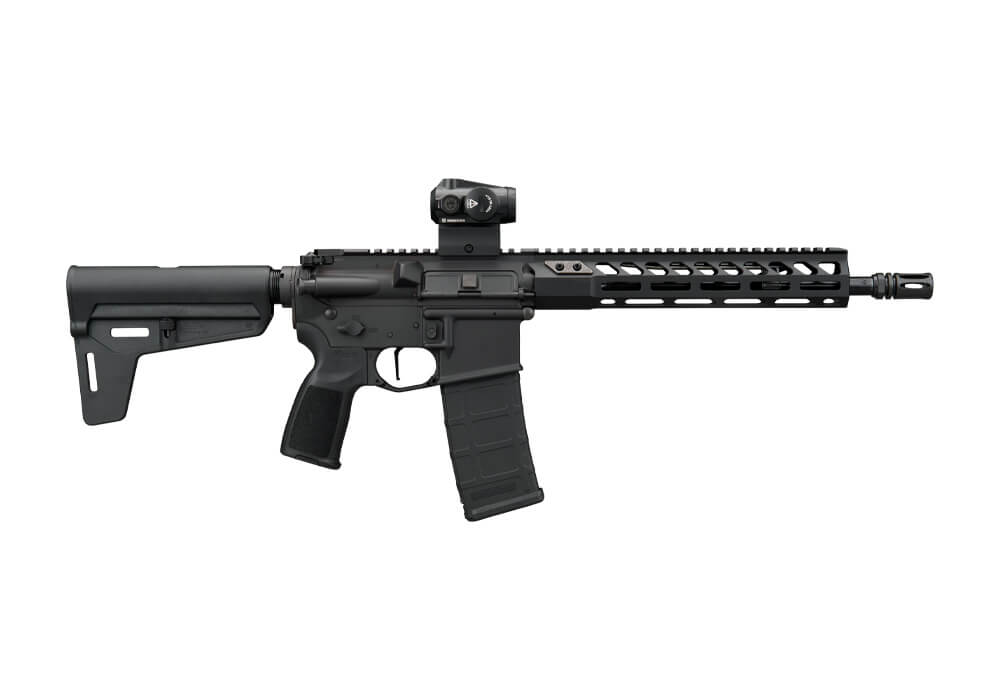
10-inch tactical handguards offer a practical balance between accessory space, barrel coverage, and a compact overall profile. Designed to surround the forward portion of a rifle while protecting the shooter’s support hand from barrel heat, these handguards also provide mounting space for essential equipment such as a weapon light, sling attachment, hand stop, vertical grip, or backup sight. A 10-inch model is often considered a versatile choice for compact rifle configurations, particularly when paired with a barrel in the approximately 11.5-inch to 12.5-inch range. Exact fit depends on the firearm platform, barrel length, gas system, muzzle device, and the handguard manufacturer’s specifications, so those details should be confirmed before purchase. The handguard should provide appropriate clearance around the gas block and muzzle device, and it should attach securely to the receiver without interfering with controls or accessories. For many shooters, the appeal is found in the way a well-fitted 10-inch handguard keeps the rifle agile without sacrificing useful mounting space. It can support a light near the front for improved illumination, leave room for a comfortable hand position, and provide a stable location for sling hardware during movement between a vehicle, range bench, or field position. A free-float design attaches to the upper receiver rather than contacting the barrel, helping reduce outside pressure on the barrel and supporting consistent point of impact when the rifle is fired from different supported positions. Ventilation cuts or slots can also encourage airflow around the barrel, allowing heat to dissipate more effectively during extended range sessions. These features are especially useful for shooters who want a balanced setup that remains easy to maneuver in confined spaces, wooded terrain, or practical shooting environments.
When comparing 10-inch tactical handguards, begin with the mounting system and the type of accessories you expect to use. M-LOK handguards use slim, elongated slots that accept compatible mounting hardware directly where needed, preserving a smooth, comfortable grip along the remaining surface. This system allows a shooter to keep the handguard relatively clean and add only the equipment required for a particular setup. Browse related options with 10 Inch Mlok Handguards when a low-profile, adaptable layout is a priority. A quad rail handguard, by contrast, presents continuous rail sections along multiple sides, making it possible to position accessories at a wide range of points without adding separate interface sections. Quad rails can be a strong choice for shooters who prefer traditional rail geometry or who regularly move accessories between positions, although the additional material may increase weight and create a more pronounced feel in the support hand. Aluminum construction is common because it offers a useful combination of strength and manageable weight, with finishes such as hardcoat anodizing helping protect the surface from wear and corrosion. Pay attention to the listed weight, outside diameter, internal diameter, rail or slot placement, and attachment method. A slimmer profile can feel more natural during long practice sessions, while a slightly broader design may provide additional rigidity or a more substantial grip. The location of the top rail matters as well: a continuous rail can help align backup sights and other aiming accessories, while carefully spaced mounting points may keep the top of the rifle less cluttered. Before installation, verify that the barrel nut, wrench requirements, shims, fasteners, and torque specifications are compatible with your firearm and available tools. Proper alignment and secure installation are essential, and any modification should be performed according to the manufacturer’s instructions or by a qualified gunsmith. After installation, inspect that the handguard is firmly seated, confirm that accessories do not contact the barrel or gas system, and check that the rifle functions safely before live fire.
These handguards are commonly selected by range shooters, competitors, hunters using compact rifle configurations, and professionals who need a durable platform for a light and sling while keeping the front of the firearm responsive. They can also be a thoughtful gift for an experienced firearm owner who is building a new configuration or refining an existing one, although compatibility makes it important to know the recipient’s exact platform, barrel length, gas system, and preferred mounting standard. When those details are uncertain, a conversation about the intended setup or a retailer gift option may be more practical than choosing based on appearance alone. A 10-inch tactical handguard can change the way a rifle handles, but the best choice is the one that works with the complete configuration rather than one feature in isolation. Consider how much rail or slot space is genuinely needed, whether the finished rifle will be carried for long periods, and how the handguard’s diameter feels with the shooter’s preferred grip. A light mounted too far forward may add unnecessary leverage, while a sling point positioned close to the receiver may not provide the handling characteristics the shooter expects. Heat management should also remain part of the decision: gloves can improve comfort during longer sessions, but they do not replace proper clearance, safe handling practices, or attention to barrel and gas-system temperatures. During the cooler months, a rifle may feel comfortable in the hand while the barrel still becomes hot after repeated firing, making inspection and cooling intervals important. As with any firearm component, use the handguard only with a compatible firearm and accessories, follow all applicable laws and regulations, keep the firearm unloaded during installation, and confirm that the action is clear before handling or servicing it. With the right fit and a thoughtful accessory layout, 10-inch tactical handguards provide a compact, durable foundation for a rifle that is easier to carry, easier to configure, and ready for the shooter’s intended range or field application.