10mm Auto rounds are centerfire handgun cartridges known for delivering substantial performance in a format suited to semiautomatic pistols and other firearms specifically chambered for 10mm Auto. Introduced commercially in 1983, the cartridge occupies a distinctive place among handgun ammunition, with uses ranging from target practice and personal protection to hunting where permitted. Its versatility comes from differences in bullet weight, projectile construction, and loading rather than a single performance profile shared by every cartridge. A box of full metal jacket ammunition intended for practice can behave differently from jacketed hollow point ammunition designed for controlled expansion, even when both carry the same bullet weight. Common 10mm bullet weights include 180 and 200 grains, with lighter and heavier options serving different purposes. The grain figure describes the weight of the projectile, not the amount of propellant inside the case. Published velocities for many 180-grain loads fall near 1,100 to 1,300 feet per second, although performance varies with the ammunition, barrel length, and testing conditions. Those details matter when comparing specifications: a velocity recorded through one test barrel is not a promise of identical results through every handgun. Muzzle energy provides another useful reference, but it does not describe expansion, penetration, accuracy, or recoil by itself. The cartridge’s reputation for power also deserves context. Some loads emphasize a stronger performance profile, while others offer a more manageable shooting experience. Firearm weight, grip dimensions, and the ammunition selected all influence how that difference feels during a range session. For someone familiar with other centerfire handgun cartridges, 10mm Auto offers a broad range of applications without eliminating the need for careful ammunition selection. The most useful comparison starts with the intended purpose, then considers bullet design, published performance, and compatibility with the firearm. Clear labeling and consistent specifications help distinguish practice ammunition from cartridges intended for a different role, keeping the selection grounded in practical needs rather than bullet weight or velocity alone.
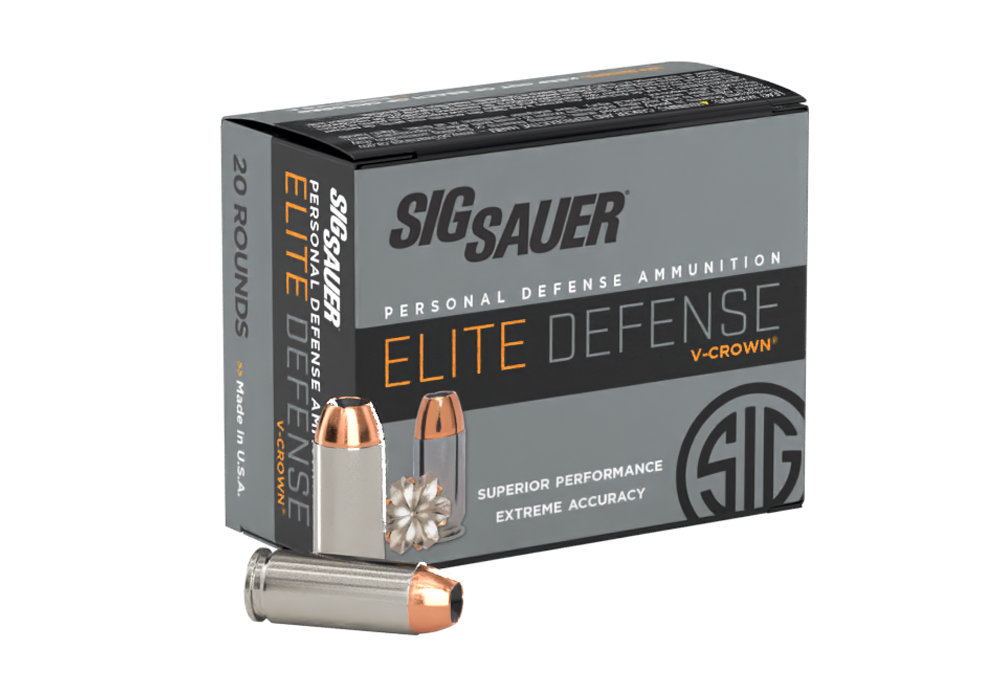
For target shooting and training, full metal jacket, or FMJ, ammunition is a common choice because its jacketed projectile construction suits routine practice. Many FMJ bullets combine a lead core with a copper or copper-alloy jacket, although materials and designs vary. A familiar bullet weight can provide a useful baseline for evaluating accuracy, feeding, and recoil in a particular firearm. On the range bench, the meaningful details are often simple: whether rounds feed consistently, whether groups remain predictable, and whether the shooter can maintain comfortable control throughout a session. A notebook recording the ammunition type, bullet weight, and results can reveal differences that specifications alone do not show. Practice ammunition that feels reasonably similar to ammunition reserved for personal protection can also support familiarity, though comparable weight does not guarantee identical recoil or point of impact. Jacketed hollow point, or JHP, ammunition is commonly intended for personal protection, with a projectile cavity designed to promote expansion under suitable conditions. Actual results depend on the specific design, impact velocity, and material encountered; no bullet weight or hollow point shape guarantees the same outcome in every situation. Published testing is useful when its conditions are clearly identified, especially when comparing penetration and expansion rather than relying only on energy figures. Hunting applications place different demands on ammunition, including suitable penetration and projectile behavior for the game pursued. Some 10mm loads use heavier bullets or nonexpanding designs, including hard-cast projectiles, but those characteristics alone do not establish suitability for every firearm or hunting situation. Local regulations, firearm manufacturer guidance, and the demands of the intended use remain important. Range rules deserve similar attention, since individual facilities may restrict certain projectile materials or ammunition types. A recreational target shooter, an experienced handgun owner, and a hunter may all select 10mm Auto ammunition, yet their priorities can differ considerably. Reliable function and predictable accuracy matter across those uses, while the appropriate balance of recoil, expansion, and penetration depends on the application. That distinction makes projectile construction just as important as the caliber printed on the box.
Fit, condition, and storage are central considerations for 10mm Auto ammunition. The cartridge designation on the packaging should match the firearm’s chamber marking and the ammunition specifications in its owner’s manual. A similar-looking cartridge or a shared bullet diameter is not evidence of compatibility. Firearm guidance is especially important for ammunition carrying special pressure designations, unusual projectile materials, or other characteristics that may require additional consideration. Cases are commonly brass, valued for their ability to seal against the chamber during firing and support reliable extraction, while primers and propellant are selected for the intended load. Cartridge durability still depends on sound construction and appropriate handling. Dented cases, loose or visibly displaced bullets, significant corrosion, and damaged packaging warrant attention before use; questionable rounds belong outside the ammunition selected for a shooting session. Secure, dry storage in original packaging helps protect cartridges and preserves useful information such as caliber, bullet weight, load identification, and lot number. Keeping ammunition separated from cleaning solvents and other chemicals also helps protect its condition. A labeled box is easier to identify than loose rounds mixed together in a range bag, especially when several bullet styles share a similar appearance. Organization matters beyond storage, since magazines and other supporting equipment must suit the firearm rather than merely resemble compatible parts. For related equipment, 10mm Auto Accessories provides a complementary category to consider alongside ammunition, with fit evaluated according to the firearm’s model and manufacturer specifications. Regular firearm maintenance, attention to magazine condition, and ammunition appropriate to the chamber all contribute to dependable operation. After a range session, retaining the packaging and recording observations can make future comparisons more meaningful. Over time, that familiarity helps distinguish a load that performs well on paper from one that also functions consistently and feels manageable in the intended firearm. Thoughtful selection brings the essential considerations together: suitable construction, clear compatibility, careful storage, and performance matched to the purpose.