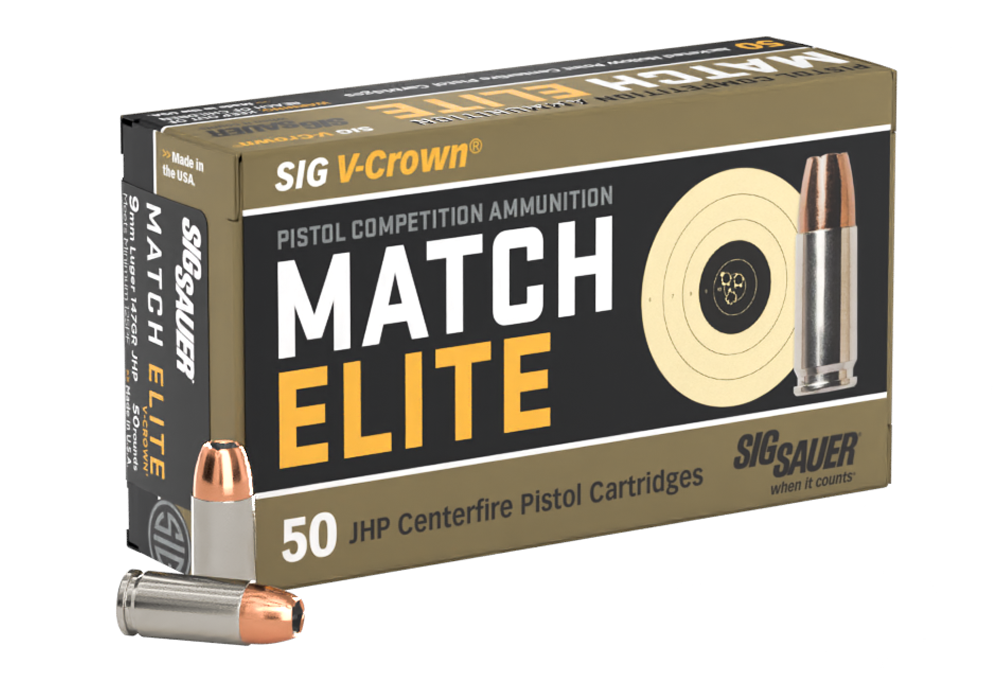
150gr Hunting Bullets are a versatile choice for hunters who want a balanced combination of accuracy, retained energy, and dependable terminal performance across a wide range of field conditions. In .30 caliber rifles, including popular chamberings such as .308 Winchester and .30-06 Springfield, a 150-grain projectile is commonly selected for deer, pronghorn, hogs, and other medium-sized game. Many factory loads launch at approximately 2,800 to 2,900 feet per second, although actual velocity depends on the cartridge, barrel length, rifle, and ammunition specification. That balance gives the bullet a relatively flat trajectory for practical hunting distances while retaining useful momentum downrange. Hunters who spend the cooler months moving between hardwood ridges, open prairie, and brushy draws often appreciate the flexibility of this bullet weight: it is light enough to provide a useful trajectory and heavy enough to offer reliable penetration when the shot is placed correctly. A 150-grain load can also be a sensible option for the hunter who uses one rifle for several types of seasonal game rather than maintaining a separate setup for every trip afield. Before choosing, confirm the rifle’s exact caliber and chambering, then compare the ammunition specification with the firearm manufacturer’s instructions. Bullet diameter, cartridge designation, twist rate, sight height, and barrel length all influence practical results, and a load that performs well in one rifle may not produce the same point of impact in another. Reviewing the information on 150GR Ammunitions can help shoppers compare available options by cartridge, bullet construction, and intended use.
Construction is one of the most important considerations when comparing 150gr Hunting Bullets. Polymer-tipped and other streamlined designs are often chosen for their higher ballistic coefficients, which can help them maintain velocity and resist wind drift better than more traditional profiles. Their carefully shaped noses are designed to initiate expansion after impact while supporting a flatter trajectory, making them popular with hunters who may need to judge distance across fields, sage flats, or long timber lanes. Traditional soft-point bullets remain a practical choice for hunters who value a straightforward design, predictable upset, and broad availability. Monolithic copper and other lead-free bullets are worth considering where local regulations require non-lead ammunition or where a hunter prefers a projectile designed for strong weight retention and deep penetration. Each construction involves tradeoffs, and the best selection depends on the animal, expected distance, regulations, and the rifle’s demonstrated accuracy. A bullet intended for a broadside deer at ordinary woodland distances may not be the same choice a hunter makes for a larger hog in heavy cover or for a pronghorn hunt where wind and open terrain are part of the equation. Range testing is essential: fire enough rounds to confirm feeding, reliability, point of impact, and group consistency, and recheck the zero whenever changing bullet design or load. Trajectory tables are useful, but they should be treated as a starting point and verified with the individual rifle under realistic conditions. Keep a record of the sight setting, temperature, elevation, and ammunition used so the rifle is ready when a clear opportunity appears after a long walk through frosted grass or a quiet wait along the edge of a field. Practical performance is generally strongest at close to medium hunting distances, while shots beyond roughly 400 yards demand careful attention to wind, remaining velocity, bullet construction, shooter ability, and the ethical limits of the hunter and equipment.
These bullets can suit experienced hunters refining a familiar rifle as well as newer sportsmen building a dependable setup for their first deer season. They may also make a thoughtful gift for a responsible adult hunter, especially when the giver knows the recipient’s caliber, preferred bullet style, and local hunting requirements. Ammunition is not interchangeable simply because two cartridges use a similar bullet weight, so checking the headstamp, rifle markings, and manufacturer’s specifications is important before purchase. A gift card or a carefully matched box of the correct factory load can be more useful than guessing at an unfamiliar cartridge. Hunters should also review current regulations for the property and game species they intend to pursue, including restrictions on projectile materials, magazine or transport requirements, and permitted seasons. Store ammunition in its original packaging in a cool, dry place, keep it separate from firearms when required by local law, and inspect cartridges for damage before use. During the transition from early fall into colder weather, changing conditions can affect both equipment and judgment; condensation, wet gear, gloves, and reduced daylight all make deliberate preparation worthwhile. Carry only the ammunition appropriate for the rifle, follow the firearm’s safety rules, and use a stable rest whenever possible. Whether the hunt involves a familiar stand near an oak grove or a long glassing session across open country, the right 150-grain load should support confident, responsible shot placement rather than substitute for it. Choosing by caliber, construction, verified accuracy, game species, and realistic distance helps turn a general-purpose hunting cartridge into a dependable part of a carefully prepared field kit.