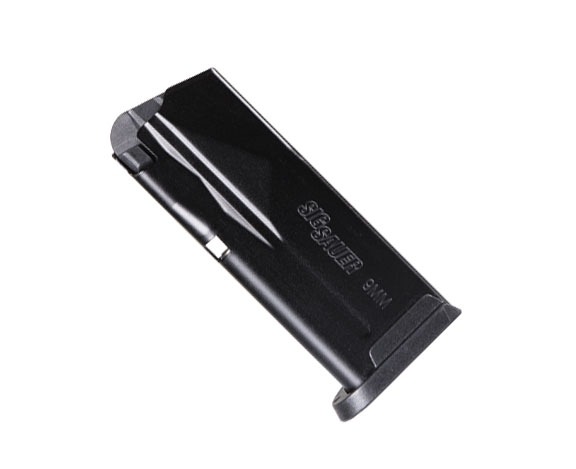
1911 45 ACP magazines are an essential part of a well-prepared training setup, especially when warm weather brings longer range sessions, outdoor drills, and more frequent practice. A dependable magazine supports consistent feeding, smooth reloads, and a predictable grip during everything from slow-fire accuracy work to movement and holster practice. For many shooters, summer training is the time to establish a repeatable routine: load magazines before heading to the range, work through controlled strings of fire, practice emergency and administrative reloads, then inspect and clean equipment before putting it away. Having several magazines on hand makes that process more efficient and helps keep training focused on technique instead of stopping to reload after every few shots. Flush-fit eight-round magazines are often selected for a traditional profile and realistic carry-gear transitions, while extended magazines with a standard or extended capacity can reduce interruptions during drills that call for repeated presentations or multiple strings. The right choice depends on the individual 1911, the shooter’s goals, and the range rules. Full-size Government-pattern pistols commonly accept magazines designed for that frame, while Commander and Officer-size models may require shorter bodies or have different fit considerations. Always confirm compatibility with the pistol’s frame size and manufacturer specifications before purchasing. A magazine that locks firmly into place, drops cleanly when released, and presents cartridges at the correct height can make a noticeable difference in a training session. It is also worth checking how the base pad interacts with a particular magwell, grip panel, or holster setup. Shooters building a complete training kit may pair these magazines with 1911 45 ACP Pistols for Tactical Training, then organize their range bag around the same equipment they intend to use for regular practice. A spare magazine can also be a practical gift for a 1911 owner, particularly when it matches the recipient’s pistol and complements the way they train. Whether purchased for a new handgun owner learning the fundamentals or for an experienced shooter refining reloads, magazines are useful equipment that sees immediate, hands-on use.
Outdoor practice adds a few considerations that are easy to overlook when equipment is used only on an indoor range. Heat, humidity, perspiration, dust, grass, and fine grit can all find their way onto magazines during a long session. Stainless steel magazine tubes are often favored for their resistance to surface corrosion and their ability to tolerate the damp conditions that can accompany warm-weather practice, although every finish benefits from sensible care. Blued or coated magazines can also serve well when kept clean and lightly protected according to the manufacturer’s recommendations. Followers with an anti-tilt design can help maintain a consistent cartridge position as the magazine is loaded and cycled, while strong springs support reliable feeding over repeated use. Removable base pads are helpful for maintenance because they allow the magazine body, spring, and follower to be inspected after a drop onto concrete, gravel, packed soil, or a dusty shooting bench. During cooler months, the same inspection remains worthwhile after indoor practice, vehicle transport, or storage in a range bag where moisture can collect. A simple routine goes a long way: unload each magazine, wipe away residue, check the feed lips for damage or spreading, examine the follower for unusual wear, and verify that the spring provides firm upward pressure. Avoid forcing cartridges into a magazine beyond its stated standard or extended capacity, and rotate heavily used magazines with clean spares when possible. Marking magazines with discreet numbers can make it easier to identify one that begins to cause feeding problems, especially during structured training where several magazines are loaded at once. Ammunition choice, grip technique, recoil spring condition, and the pistol’s overall maintenance also influence performance, so a magazine should be evaluated as part of the complete firearm system rather than in isolation. Before heading to an outdoor range, review local laws and range policies regarding magazine configuration, transport, and permitted use. Store magazines unloaded or loaded according to applicable requirements, keep them secured from unauthorized access, and transport them with the pistol and ammunition in the manner required by local regulations. With appropriate compatibility checks and regular care, 1911 45 ACP magazines can provide a durable, practical foundation for training through changing conditions, from bright afternoons on an open firing line to crisp sessions during the cooler months.