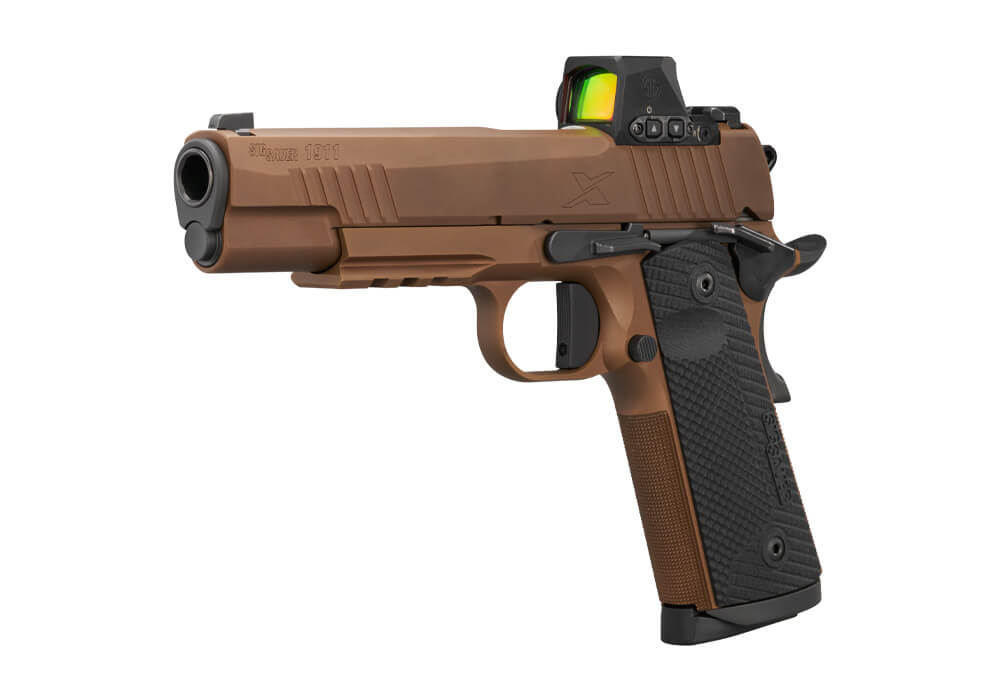
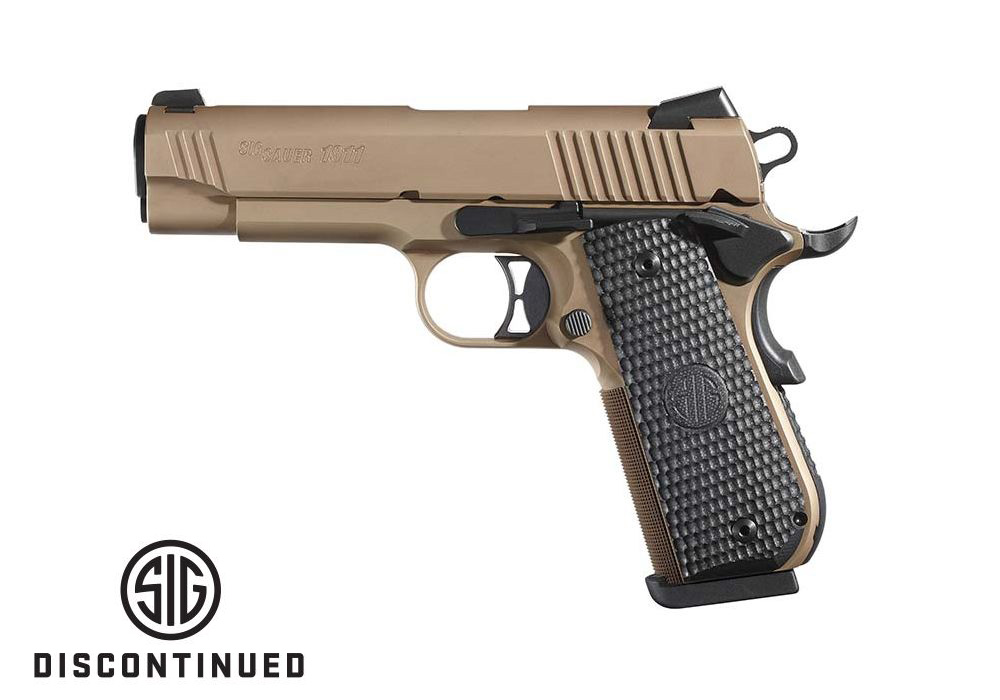
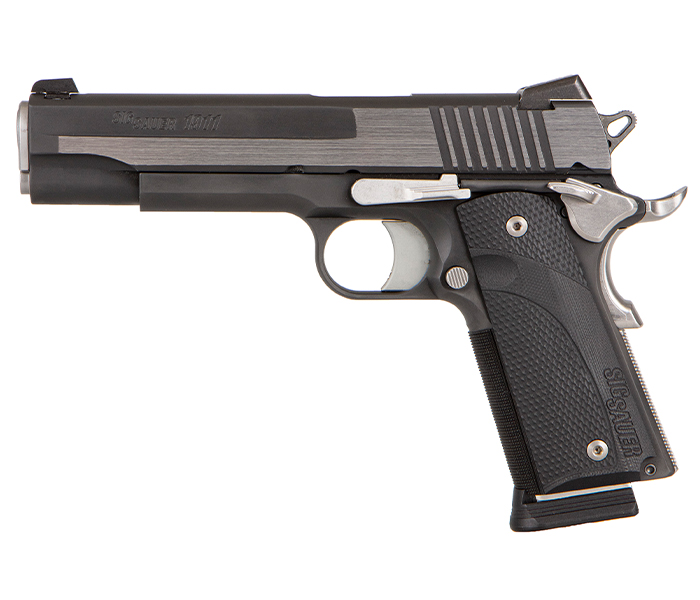
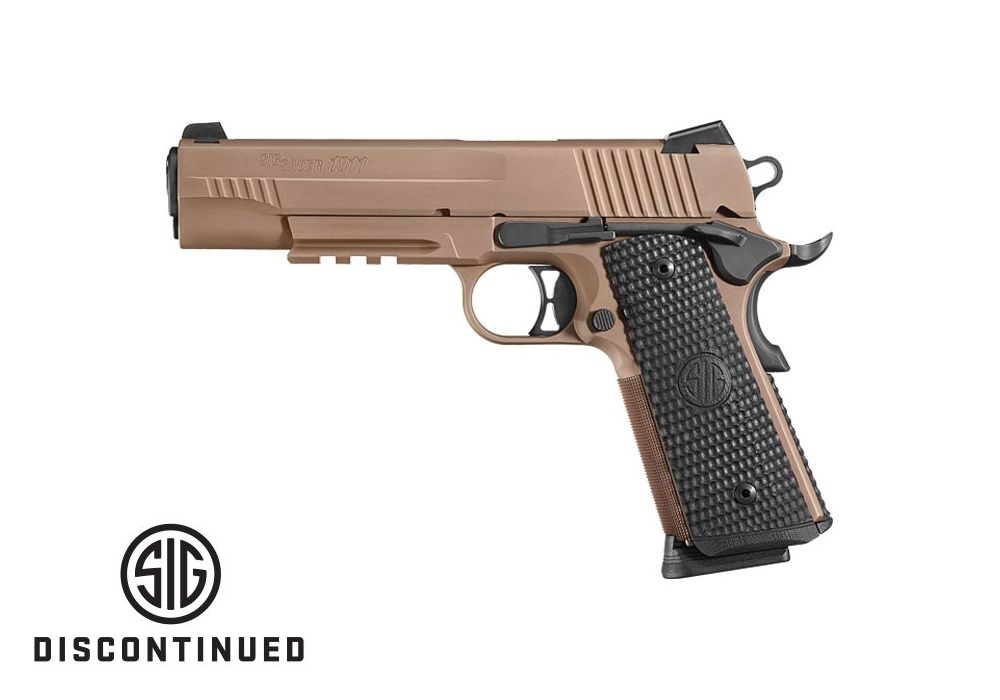
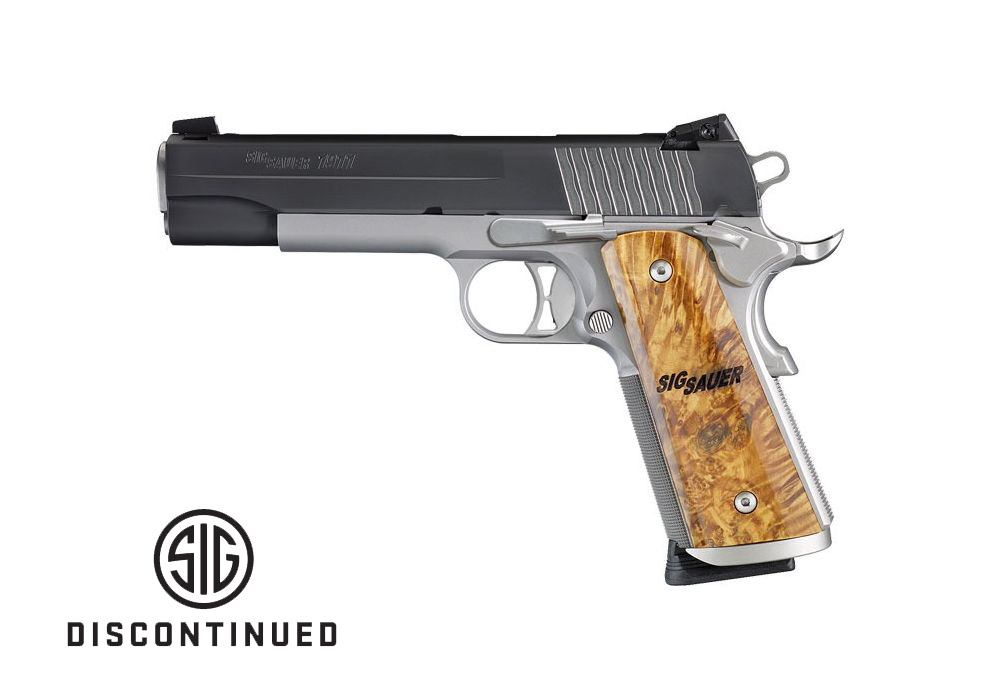
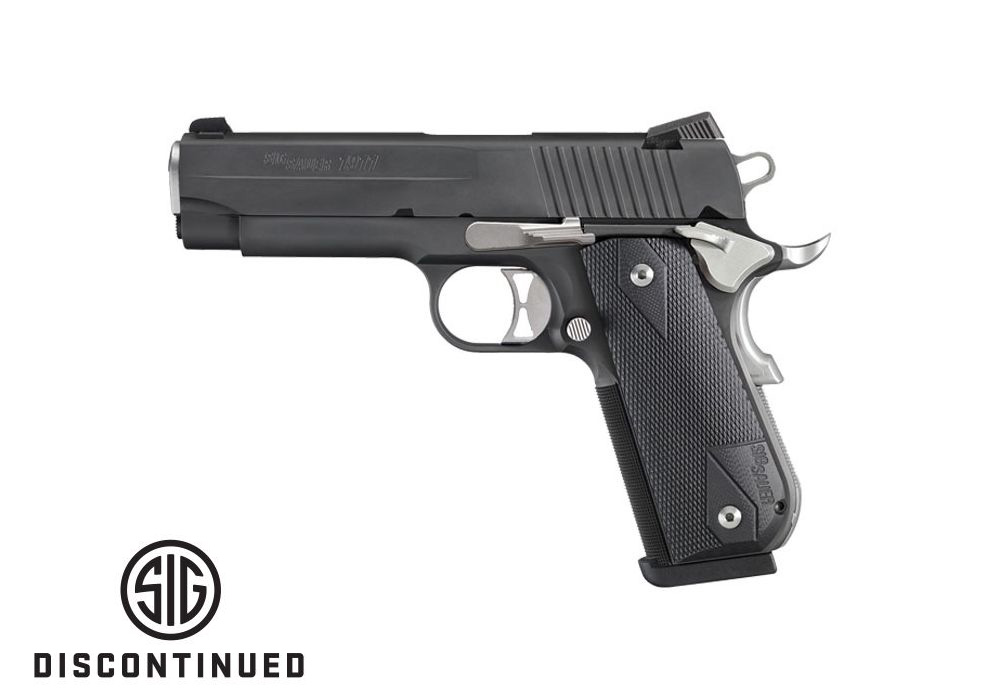
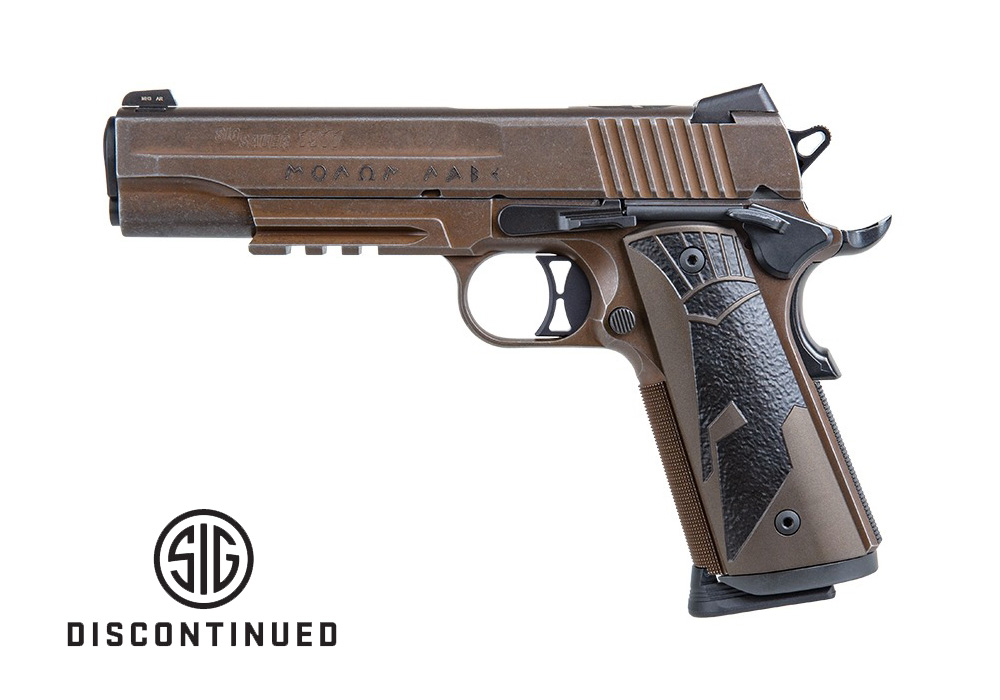
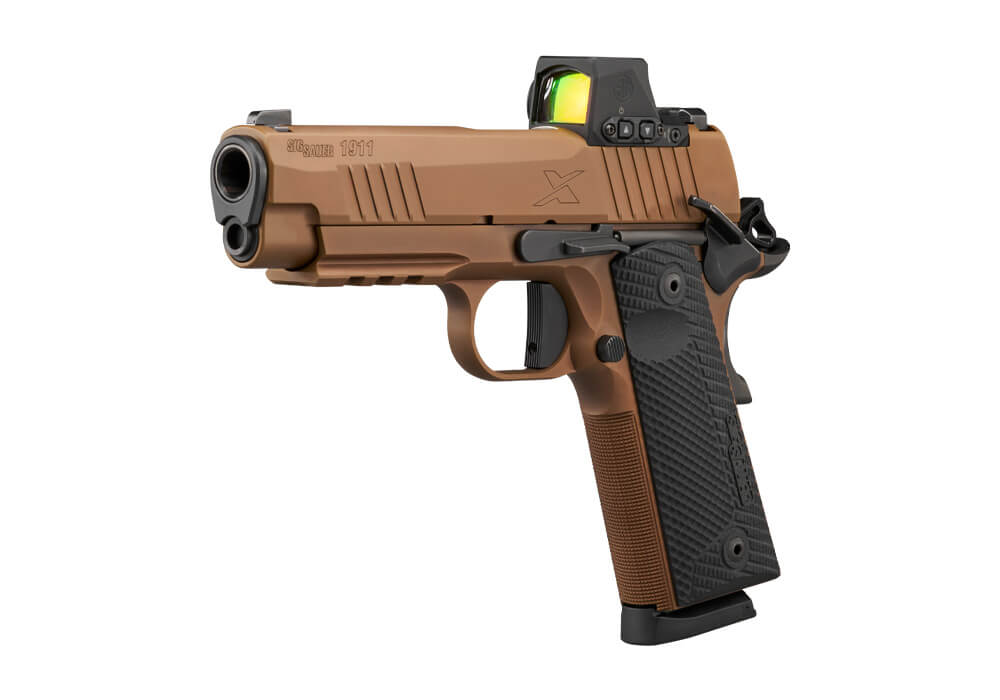
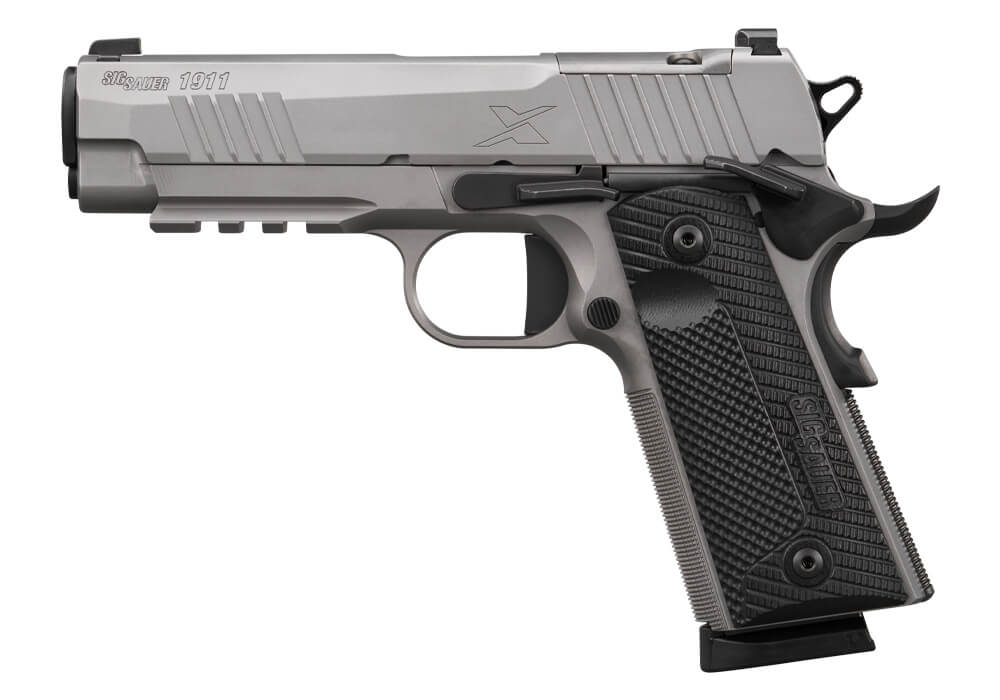
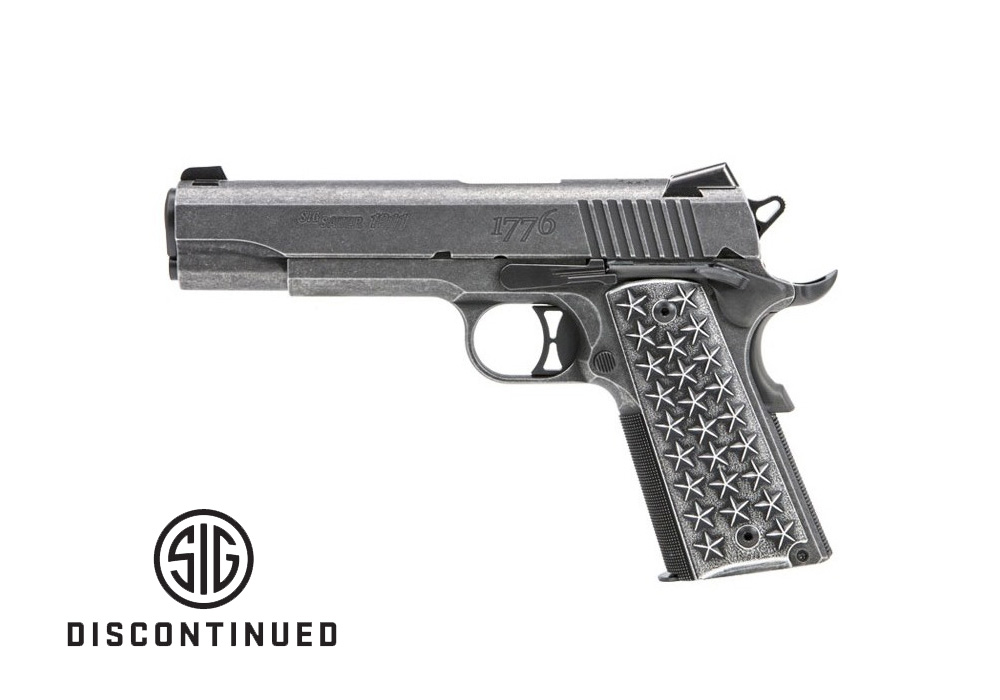
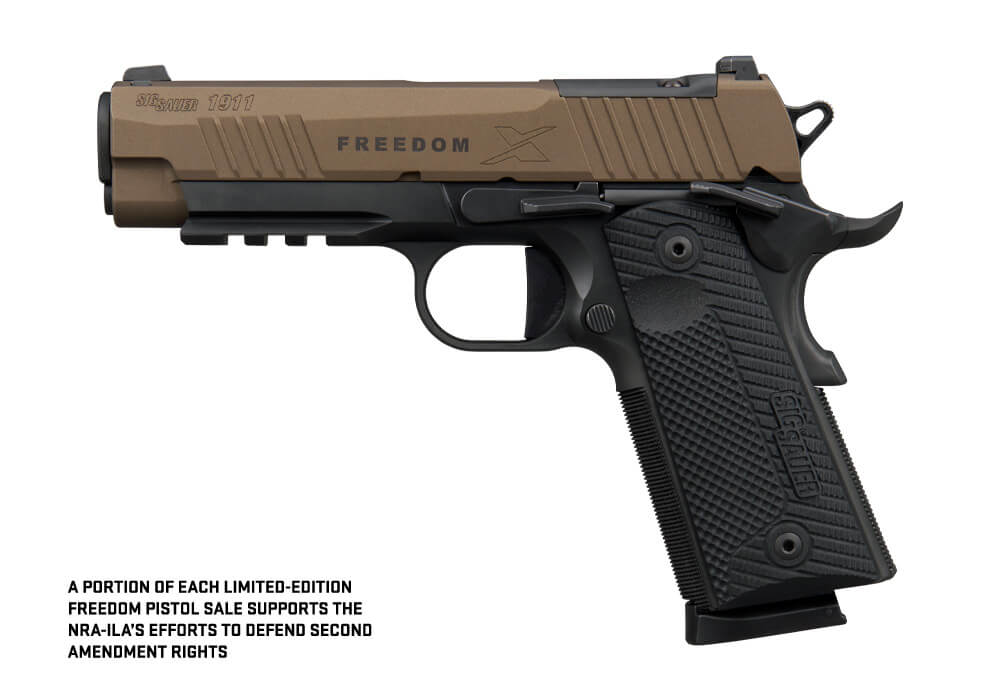
The 1911 .45 ACP pistol remains a distinctive choice for firearm enthusiasts who value classic lines, deliberate controls, and a steady shooting experience. Its all-metal construction gives it a reassuring presence in the hand, while the weight helps soften the push of the .45 ACP cartridge during practice. A traditional 1911 typically uses a single-action trigger, a manual thumb safety, and a grip safety that works together with a firm, high hold. These features reward attention to technique and create a consistent rhythm from one shot to the next. The trigger is often one of the main attractions: a clean, short pull can help experienced shooters place shots with care, while the straight-back movement encourages disciplined trigger control. Sights vary from traditional fixed designs to brighter, easier-to-see options, and some modern configurations include accessory rails or provisions for an electronic optic. Finish, frame size, grip texture, and sight profile all influence how a pistol feels during a long range session. A full-size steel frame can be especially comfortable for deliberate target work, where balance and recoil management matter more than minimal weight. Buyers who favor a classic appearance may appreciate a smooth dust cover, checkered grips, and a traditional slide profile, while those who want contemporary handling may prefer enhanced sights, front and rear slide serrations, or a rail for a compatible light. For a focused look at classic styling, browse 1911 45 ACP Pistols With Traditional Slides. Each configuration reflects a different priority, so comparing the details rather than relying on appearance alone is worthwhile. Pay close attention to overall dimensions, grip circumference, control placement, sight visibility, and the reach to the trigger. A pistol that feels natural when the web of the hand settles beneath the beavertail will generally be easier to control through repeated practice. Someone with smaller hands may prefer slimmer grip panels, while another shooter may find a fuller grip more comfortable and stable. Left-handed users should examine the safety arrangement and controls before purchase, since some configurations offer ambidextrous operation and others follow a more traditional layout. The .45 ACP cartridge is widely associated with a broad, substantial projectile and a measured pace that suits shooters who enjoy deliberate marksmanship. It also produces more recoil than many smaller pistol cartridges, making a secure grip, balanced stance, and proper eye and ear protection essential at every session.
These pistols can serve several roles, depending on the owner’s training, local laws, and storage plan. At the range, a 1911 is often selected for slow-fire accuracy drills, presentation practice, controlled pairs, and informal competition. Its visible manual safety and predictable trigger can support a methodical routine in which the shooter checks the pistol, establishes a grip, aligns the sights, and presses the trigger without disturbing the sights. Some enthusiasts choose a 1911 for home protection because its substantial frame, familiar controls, and available rail-mounted accessories fit their established training plan; anyone considering that role should first complete professional instruction, confirm applicable regulations, and select secure storage that keeps the firearm inaccessible to unauthorized users. A 1911 can also be a thoughtful gift for a responsible adult who already has an interest in firearms, provided the recipient can legally possess it and the purchase follows all required transfer procedures. For a collector, the appeal may center on historical styling, careful fit, polished controls, or the way a particular finish develops character through years of careful ownership. For a newer shooter, an entry-level configuration can provide an approachable way to learn the platform without committing to premium features, while a more experienced enthusiast may prioritize refined fitting, match-grade components, enhanced sights, or a finish selected for frequent range use. Prices span a wide range, from accessible choices intended for regular practice to highly refined examples with specialized components and meticulous hand fitting. Regardless of price, inspect the frame and slide fit, grip safety function, thumb safety engagement, magazine release, extractor tension, and sight alignment through a qualified dealer or instructor. Choose magazines from dependable sources, use ammunition appropriate for the pistol, and follow the owner’s manual for lubrication, inspection, and service intervals. During the cooler months, a sturdy range bag, quality eye and ear protection, a secure locking case, and a supply of suitable practice ammunition can round out a practical setup. After each session, unload the pistol in a safe direction according to established range procedures, verify the chamber and magazine well are clear, and store the firearm locked separately from ammunition when it is not under the direct control of an authorized user. With sound instruction, consistent maintenance, and respectful handling, a 1911 .45 ACP pistol can become a familiar companion for range days, skill-building, collecting, and responsible participation in the shooting sports.