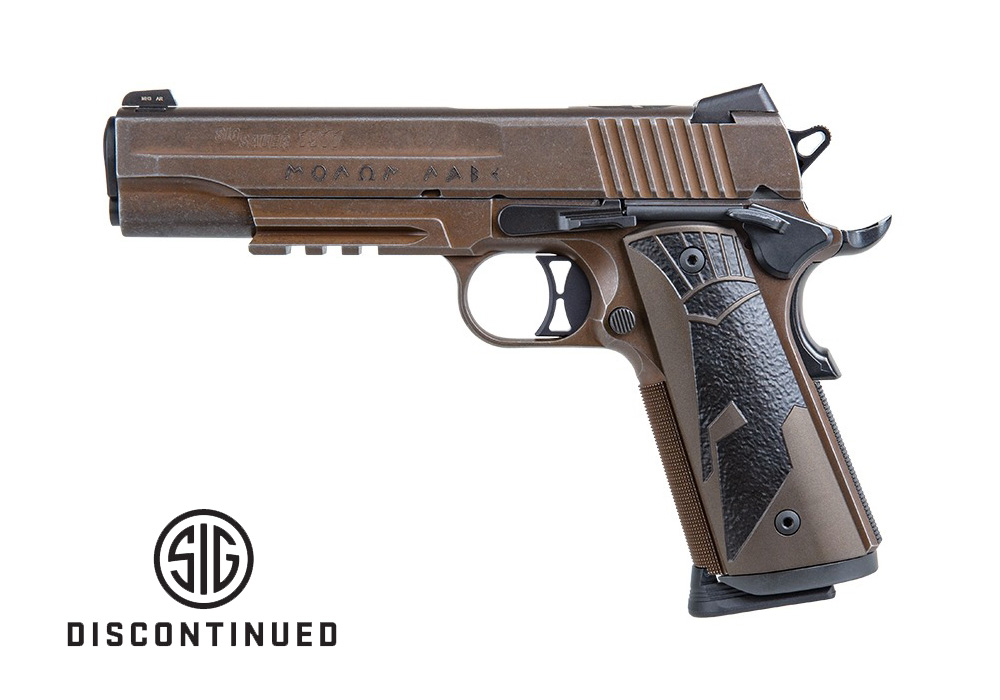
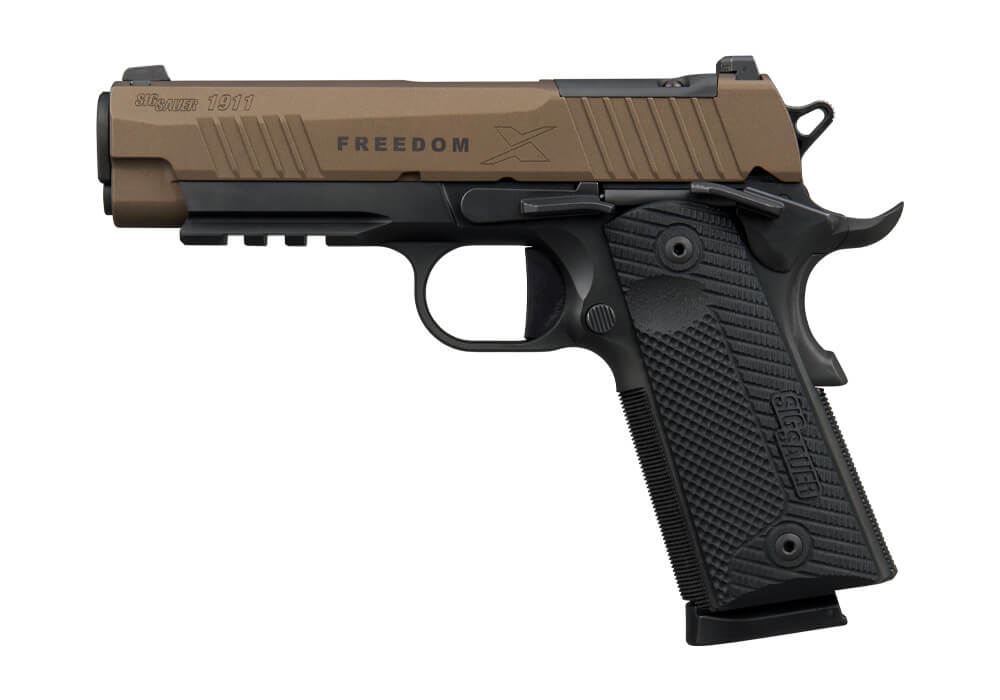
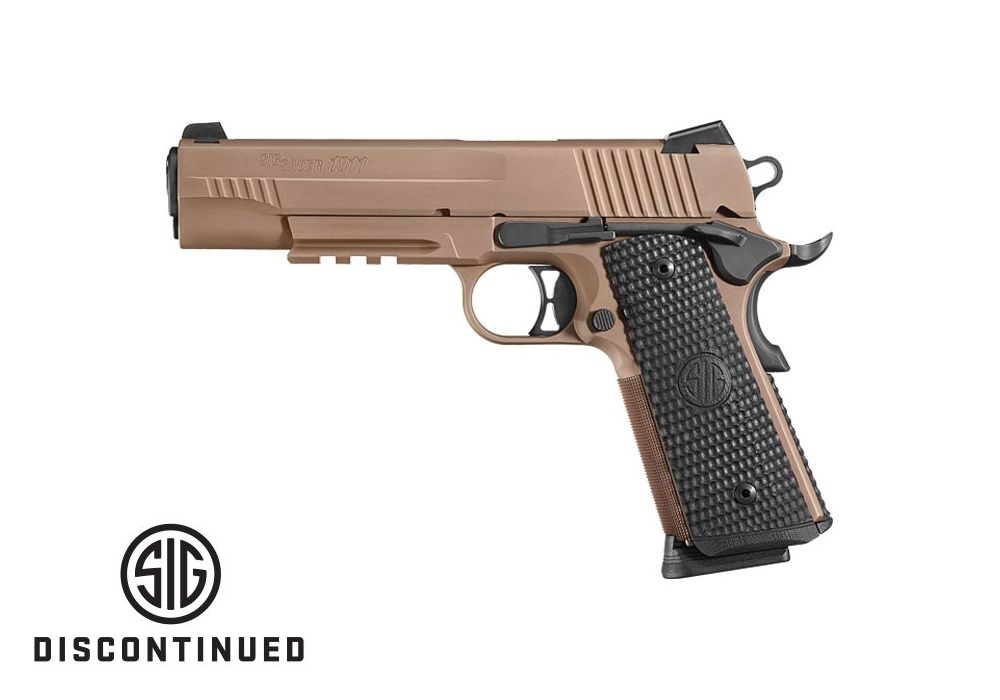
The 1911 remains one of the most recognizable and enduring handgun platforms, valued for its slim profile, crisp controls, natural pointability, and familiar .45 ACP heritage. Although military service eventually shifted toward newer service-pistol designs and different cartridge formats, the 1911 continues to serve recreational shooters, competitive participants, collectors, instructors, and responsible personal-protection owners. Over time, normal use can bring wear to springs, small controls, grip panels, magazines, and other working components. A replacement component can help restore the feel of a trusted handgun, refresh a well-used range companion, or support a carefully planned customization project. Owners often begin with the parts that have the clearest effect on handling: a fresh recoil spring for consistent cycling, a comfortable grip for a secure hold, or replacement magazines selected for dependable feeding. The right choice depends on the specific 1911 pattern, frame size, caliber, and intended use, so checking the firearm manual and comparing dimensions before ordering is an important part of the process. A full-size pistol may call for different components than a compact or commander-style configuration, and even parts that appear similar can vary in geometry, finish, or interface. For a broad starting point, explore 1911 Fullsize Parts and review the listed specifications carefully. During the cooler months, time at an indoor range or on a workbench can be a practical opportunity to inspect a 1911, organize spare components, and address small signs of wear before they become larger maintenance concerns.
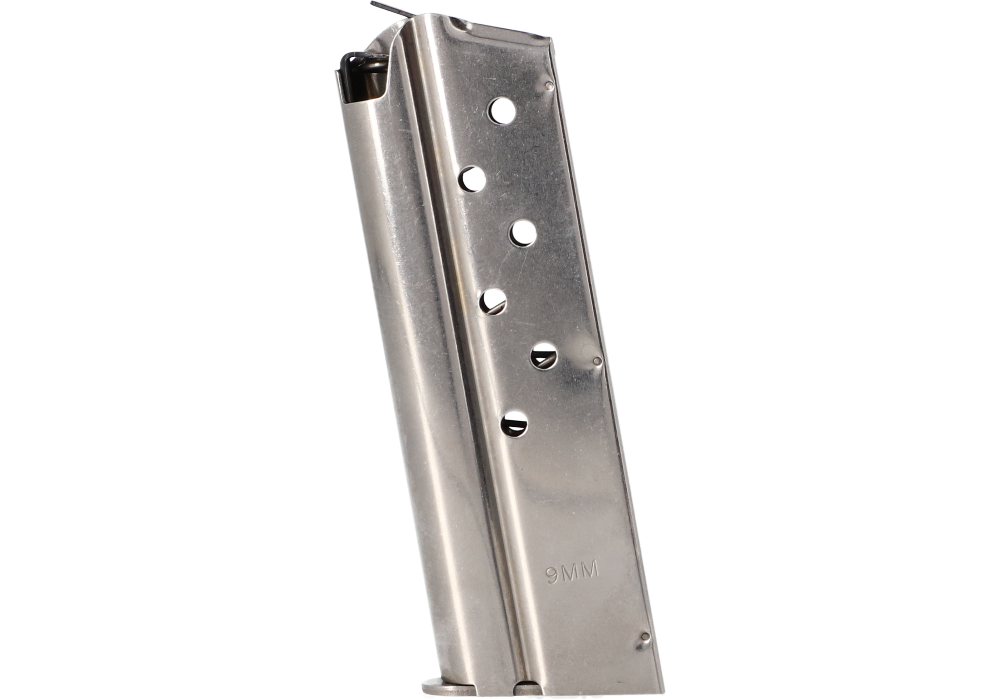
Some 1911 replacement components are intended for straightforward installation by an experienced owner, while others require careful fitting by a qualified gunsmith. Grip panels, grip screws, magazine releases, and certain thumb safeties may be approachable for someone who understands the platform and has the proper tools, but installation should always begin with the firearm unloaded, the chamber and magazine well checked, and the owner's manual close at hand. Recoil springs and guide-rod components deserve special attention because their weight and dimensions influence cycling, lockup, and the way the pistol returns to battery. Triggers, hammers, sears, disconnectors, safeties, and match-style barrels involve much closer relationships between moving surfaces; a part that seems to fit may still require professional adjustment to support reliable and safe operation. A gunsmith can check engagement, trigger function, barrel fit, slide movement, and safety performance while accounting for the individual tolerances of the pistol. This is especially valuable when refreshing a well-used firearm that has developed a softened trigger, inconsistent reset, unusual wear marks, or changes in accuracy. Magazine selection also deserves more attention than appearance alone. Look for the correct caliber and 1911 format, confirm that the magazine seats securely, and test feeding with the ammunition intended for regular use. Standard and extended magazines can serve different purposes, but length, spring condition, follower design, and compatibility all matter. After any component change, function checks and supervised range testing provide an opportunity to confirm that the pistol cycles properly and that controls operate as intended. Keep notes on what was installed, when springs were changed, and how the firearm performs; that simple record can be useful during future maintenance.
Replacement parts can also be thoughtful gifts for a 1911 owner, particularly when the recipient spends time practicing at the range, maintaining a family heirloom, or preparing a competition pistol. A set of grip panels can bring a personal touch without changing the core character of the firearm, while spare magazines, recoil springs, and small maintenance components are practical additions for someone who already knows the platform well. For a newer owner, accessories that support cleaning, storage, inspection, and responsible range use may be more helpful than a complex internal upgrade. Experienced shooters may appreciate components selected around a specific goal, such as improving hand comfort, refreshing a worn control, tuning recoil characteristics, or preparing a pistol for regular competition. Before giving any firearm component, confirm the recipient's exact model and caliber rather than relying on a general 1911 description. A full-size .45 ACP pistol, a 9mm variant, and a compact configuration may share the same classic lines while requiring different parts. Finish is another consideration: a polished surface, matte treatment, or corrosion-resistant coating can influence how a component complements the existing pistol and how it suits storage conditions. Responsible owners should store firearms and components securely, follow all applicable laws, and use qualified instruction when a repair involves critical internal mechanisms. With thoughtful selection and careful installation, 1911 replacements can preserve the familiar character of a trusted handgun while helping it remain comfortable, dependable, and ready for the range through changing seasons.
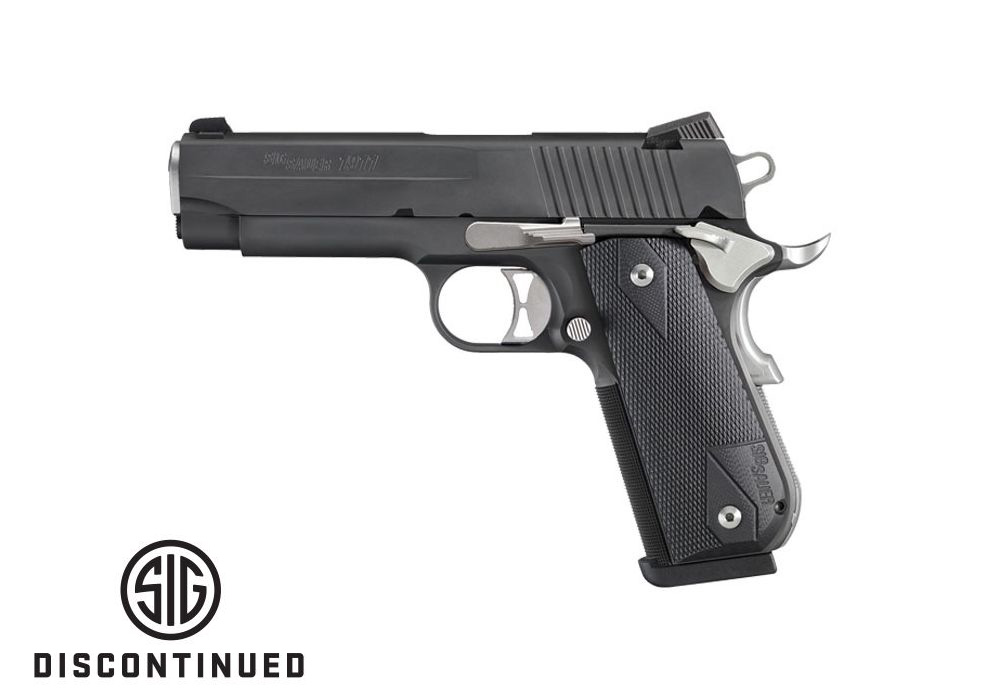
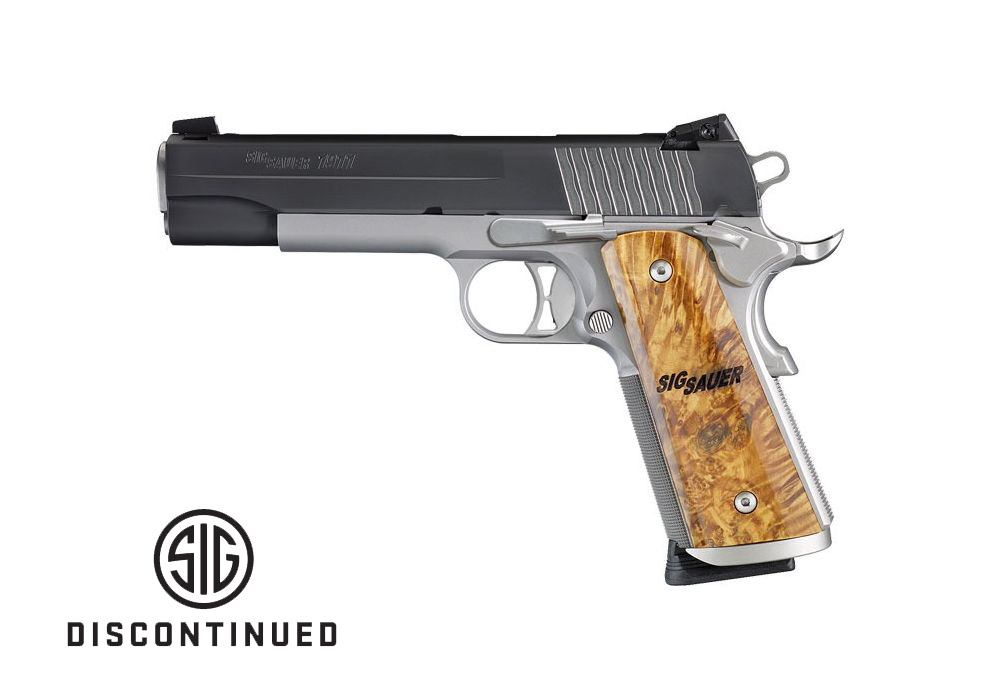
![[["1911, 45 ACP, 5IN, STAINLESS , STAINLESS FINISH, SAO, SIGLITE, BLACKWOOD GRIP, (2) 8RD STEEL MAG, R","AIL, MA COMPLIANT"]]](http://www.sigsauer.com/media/catalog/product/1/9/1911r-sss-left_3.jpg)