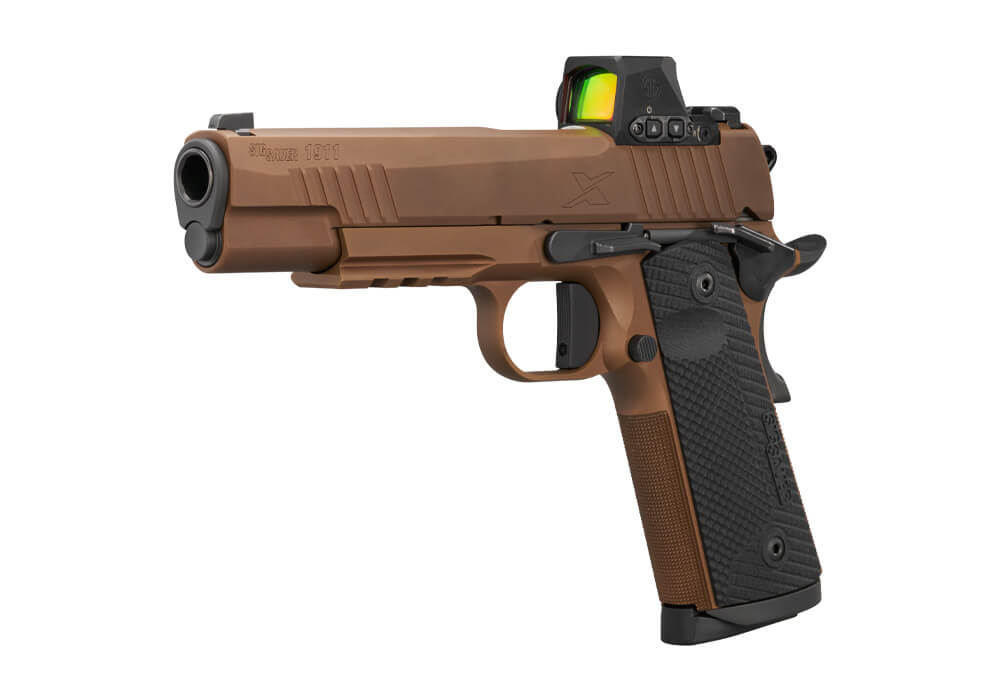
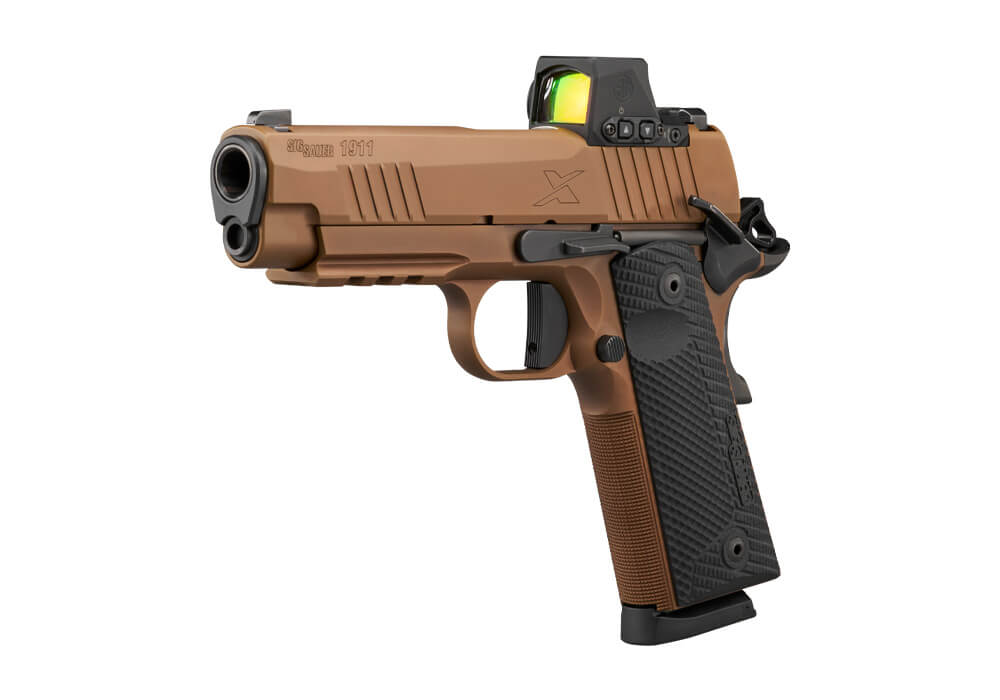
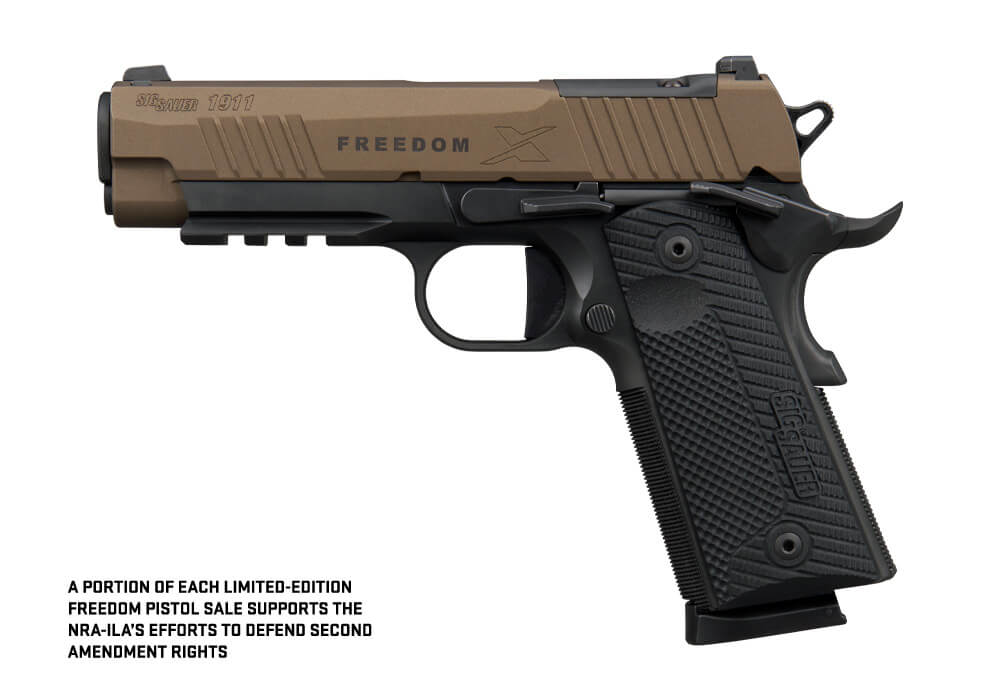
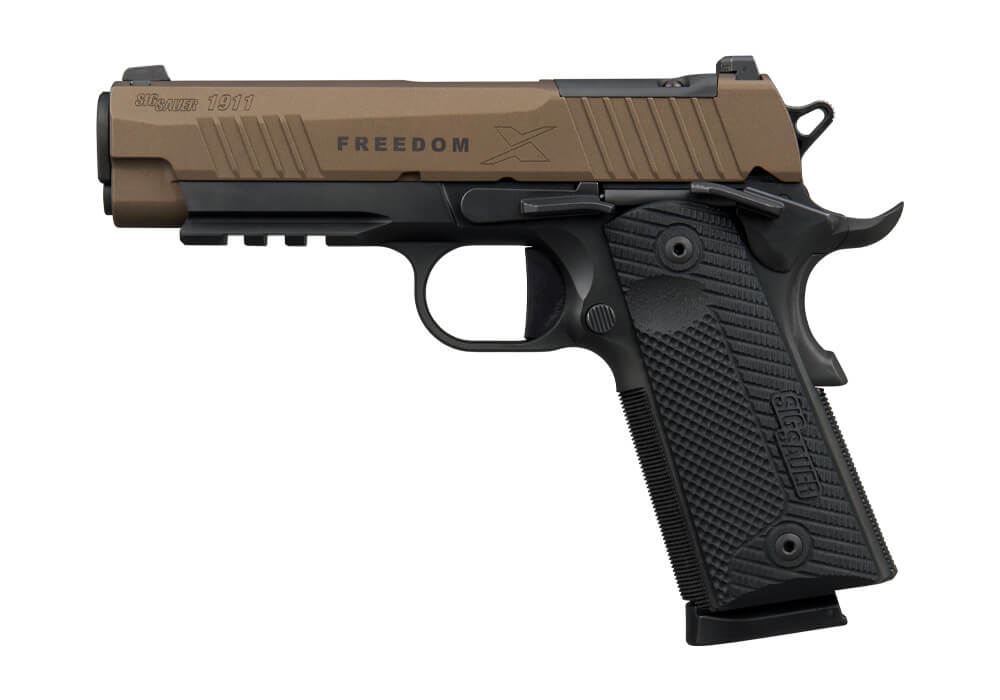
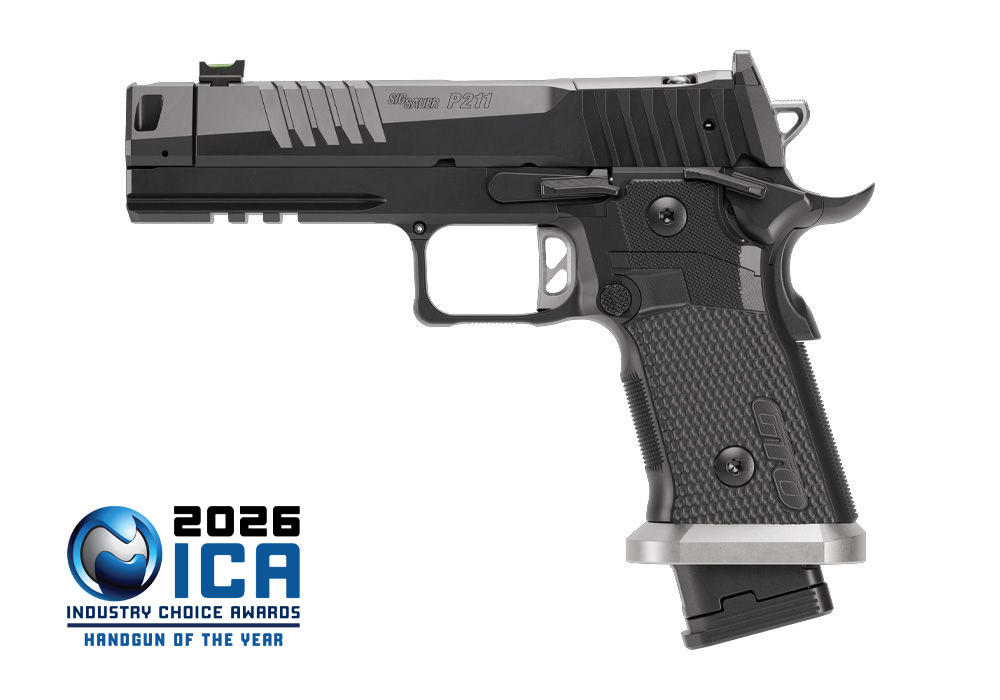
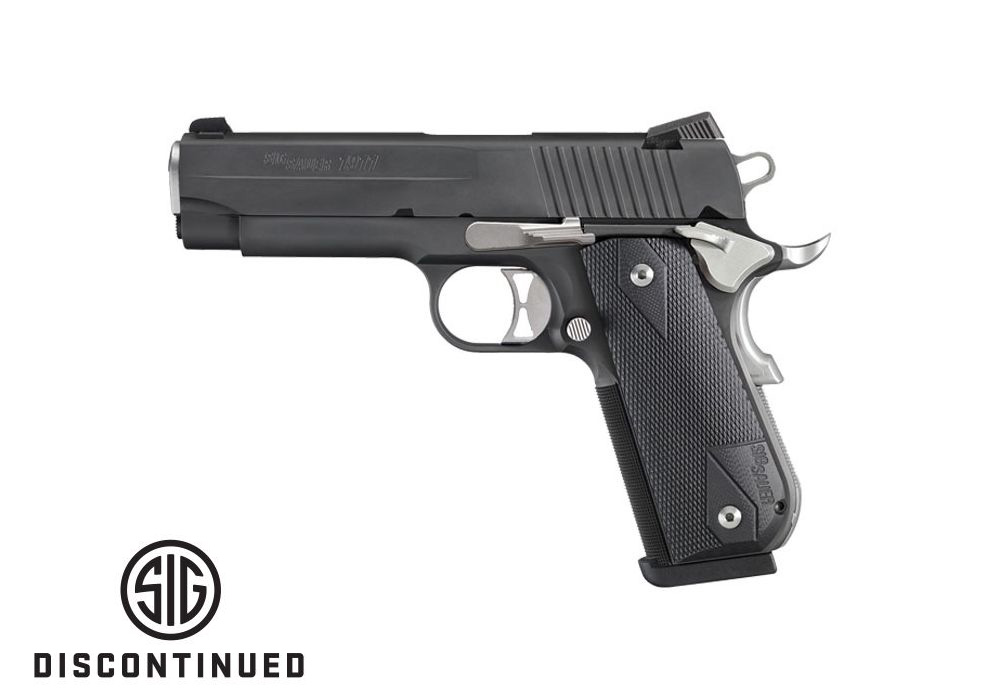
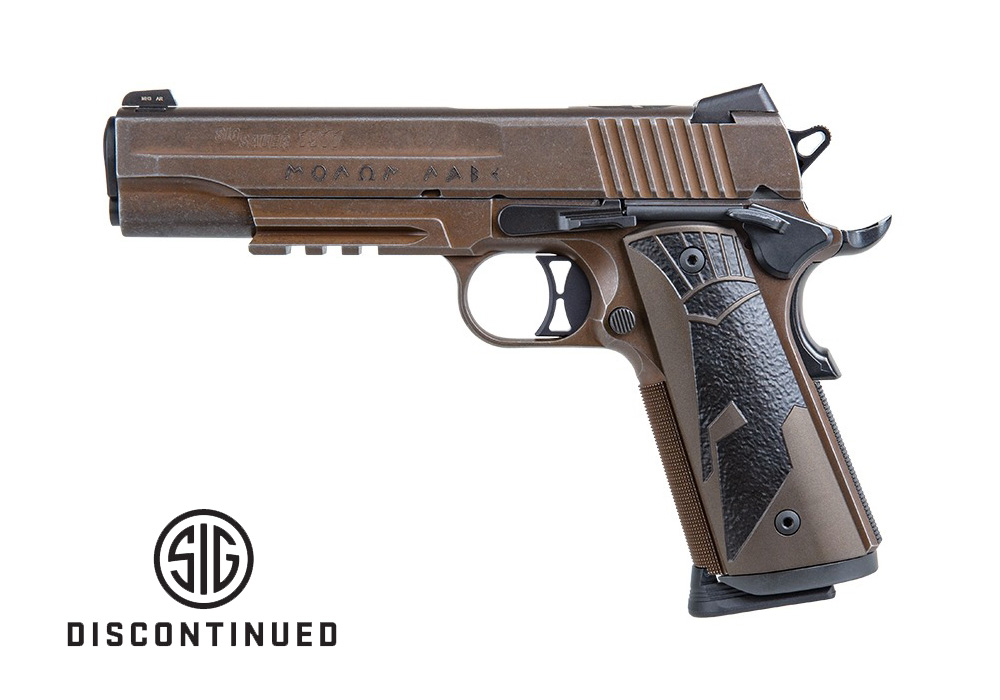
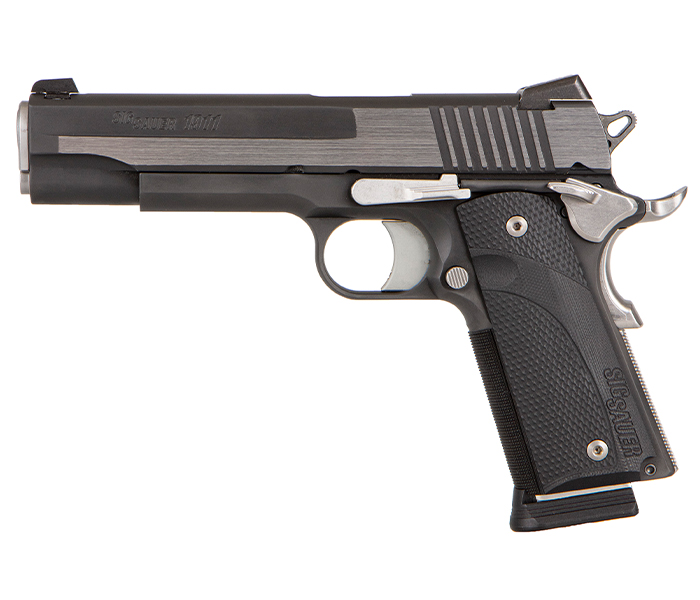
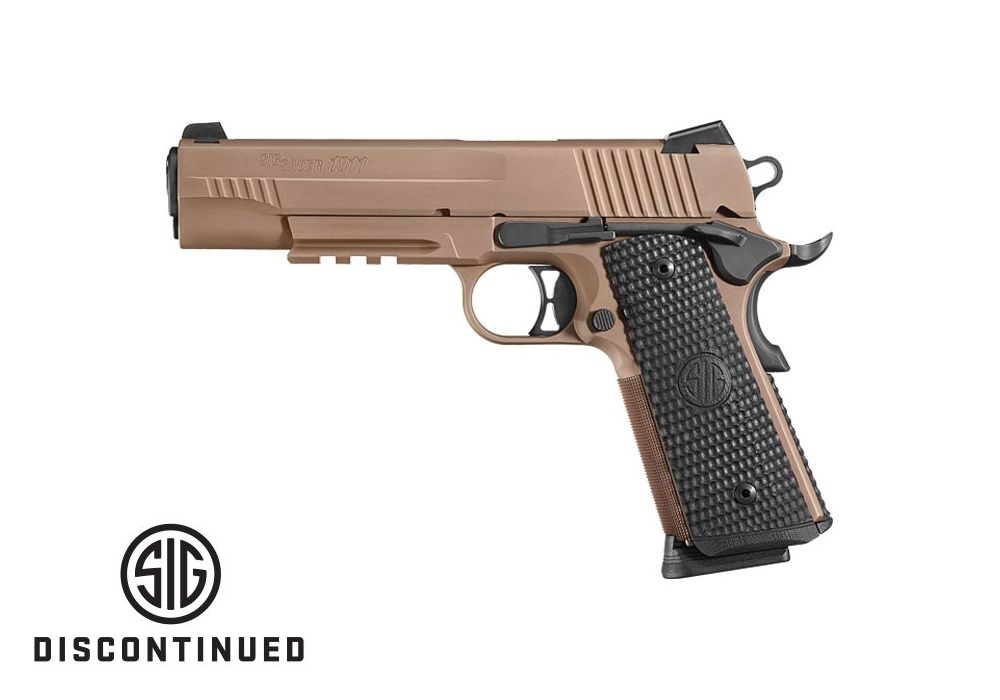
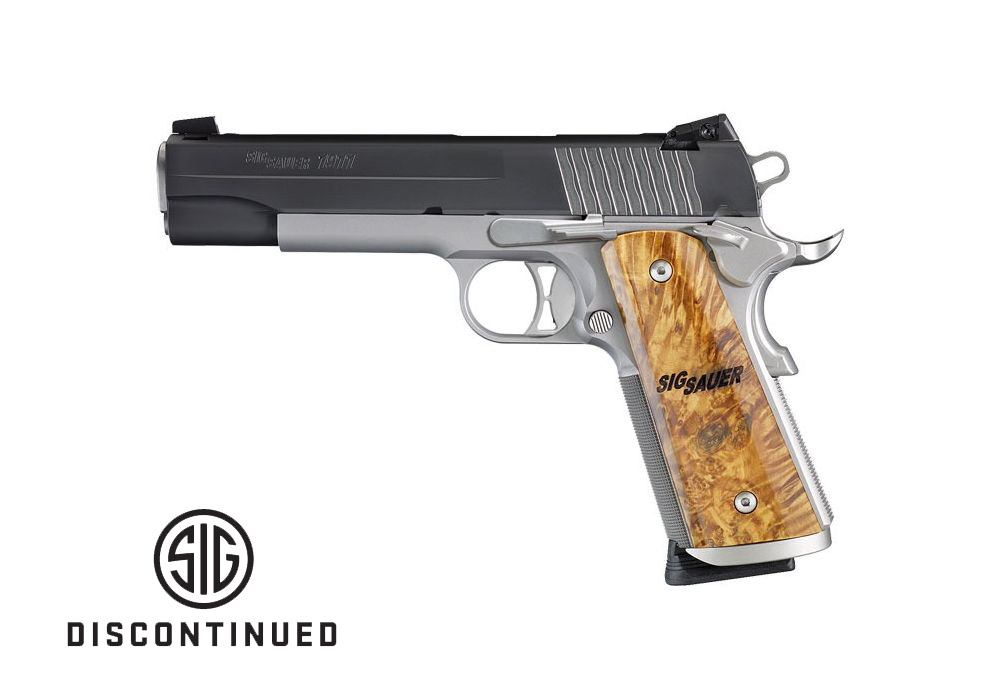
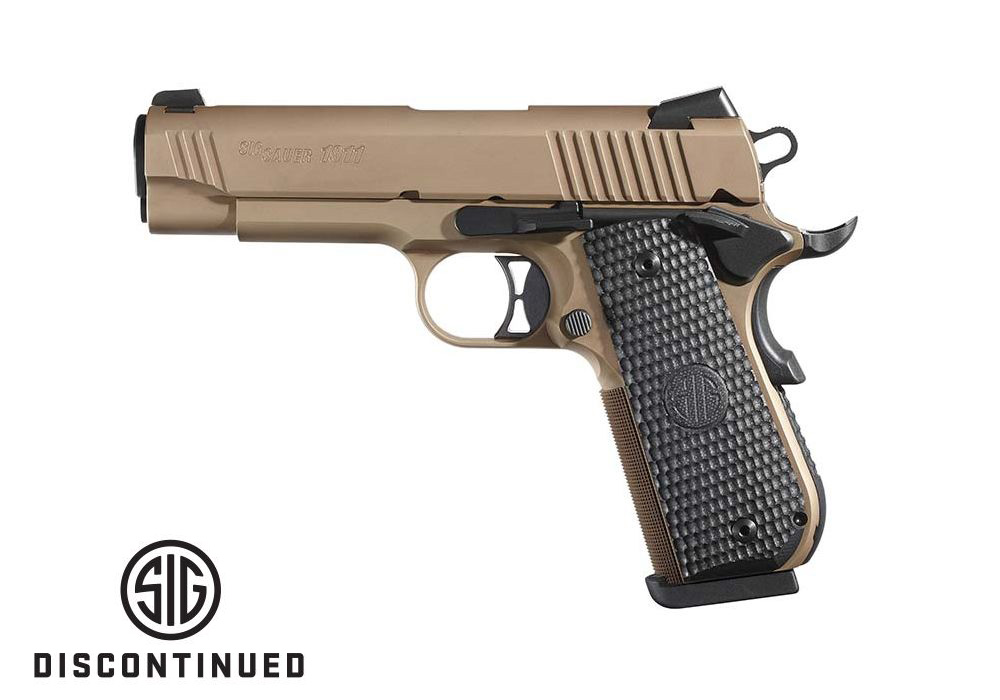
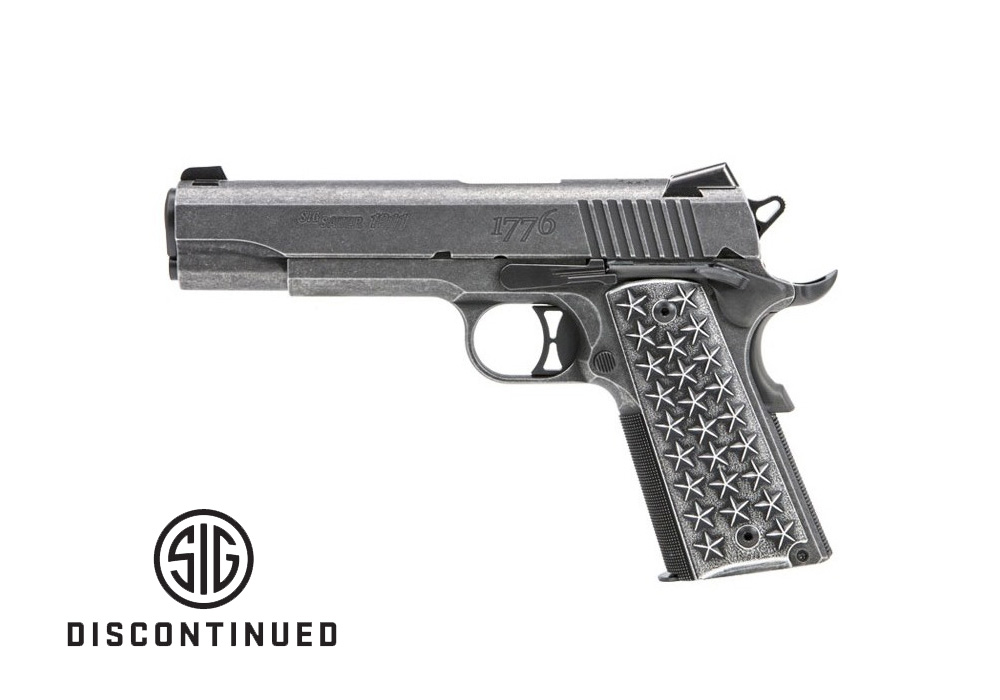
1911 pistols remain a respected choice for certain law enforcement applications, even though most modern agencies issue striker-fired or other duty handgun designs as their standard sidearm. Their continued presence in professional circles comes from a combination of a crisp single-action trigger, a slim and familiar grip profile, strong mechanical accuracy, and a long history of service use. Depending on department policy, a 1911 may be approved for a specialized unit, selected by an individual officer as a personally owned duty firearm, or reserved for qualified personnel whose assignment and training support the platform. Approval is never assumed. Agencies may require inspection by an armorer, authorization from a commanding officer, use of approved duty ammunition, a compatible holster and magazine carrier, and successful completion of a transition or qualification course. Officers considering this type of pistol should review their department’s written policy before purchase, including requirements for caliber, sight configuration, weapon-mounted accessories, magazine specifications, maintenance, and secure storage. For those exploring adjacent carry applications outside a uniformed duty role, our collection of 1911 Pistols For Open Carry Enthusiasts provides a related point of reference. Whether selected for patrol backup, an approved personal duty setup, competition-informed training, or a specialized assignment, the right 1911 should support consistent handling from the first draw at the range to careful cleaning after a long shift.
A law enforcement 1911 deserves a deliberate evaluation because its strengths and operating characteristics differ from those of many contemporary service pistols. The single-action trigger can offer a clean, predictable break that helps a trained shooter make precise hits, while the narrow frame may feel natural for officers who prefer a traditional grip or have smaller hands. Common chamberings include .45 ACP and 9mm, and the choice should reflect agency approval, ammunition availability, recoil management, qualification standards, and the officer’s ability to deliver accurate fire with the selected load. Standard-capacity magazines may be more limited than those used with some modern duty pistols, while extended-capacity options can add ammunition without changing the basic manual of arms; all magazines should be tested for reliable feeding and carried in secure, department-approved equipment. A 1911 also uses a manual thumb safety and typically requires the hammer to be managed as part of the established carry condition, making focused instruction and frequent practice essential. Transition training should cover safe loading and unloading, drawing from the approved holster, disengaging and re-engaging the safety, malfunction response, administrative handling, and qualification under realistic but controlled conditions. Those habits are built through repetition, not rushed familiarization. An experienced instructor or agency armorer can help identify whether a particular configuration, grip texture, sight system, trigger weight, or accessory arrangement fits the officer’s hands and duty environment. During cooler months, uniforms, gloves, outer garments, and layered clothing can also change access and concealment, so any authorized setup should be practiced with the actual duty clothing and equipment used on the job.
Maintenance and support are equally important when choosing a 1911 for law enforcement use. Compared with many striker-fired designs, a traditional 1911 may require more attentive lubrication, inspection, and spring replacement to maintain dependable function. Officers should follow the manufacturer’s maintenance instructions and their agency’s armorer schedule, paying particular attention to magazines, recoil springs, extractors, safeties, grip panels, sights, and holster retention. A pistol that feels excellent in a clean indoor range may need additional evaluation after exposure to dust, rain, perspiration, vehicle storage, or repeated duty handling. Reliability testing should be conducted safely and lawfully with the exact ammunition and magazines intended for service, and any failure should be investigated by a qualified armorer rather than dismissed as a minor inconvenience. Secure storage is essential at home, in a vehicle, and at the station, with access limited to authorized personnel and any required agency safeguards observed. A 1911 can also be a meaningful gift for a retired officer, collector, or experienced enthusiast, but firearms should never be given casually: the recipient must be legally eligible, the transfer must comply with applicable federal, state, and local requirements, and the buyer should confirm that the recipient’s department or organization permits the intended use. For law enforcement professionals, the best choice is not simply the pistol with the most refined finish or lightest trigger. It is a properly authorized, well-supported configuration that the officer can operate safely, maintain carefully, qualify with confidently, and carry responsibly throughout the demands of professional service.