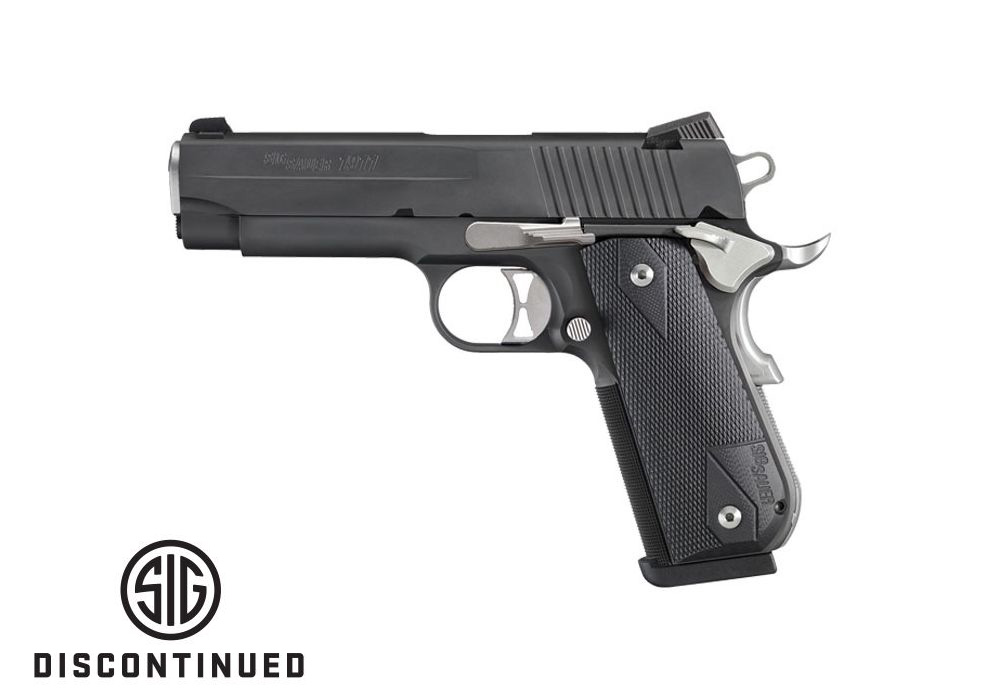
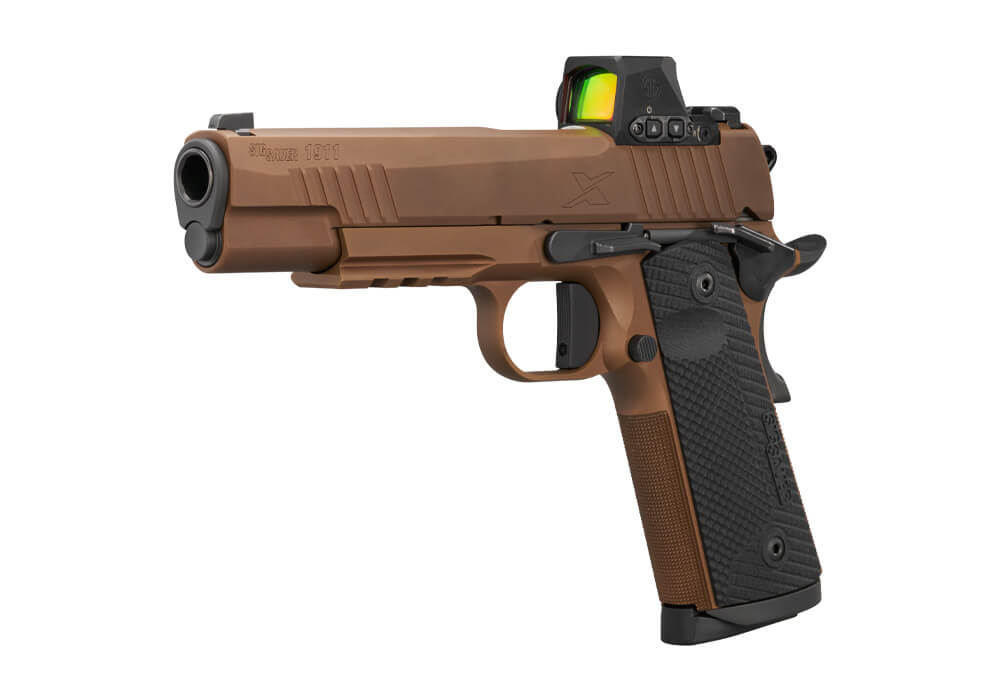
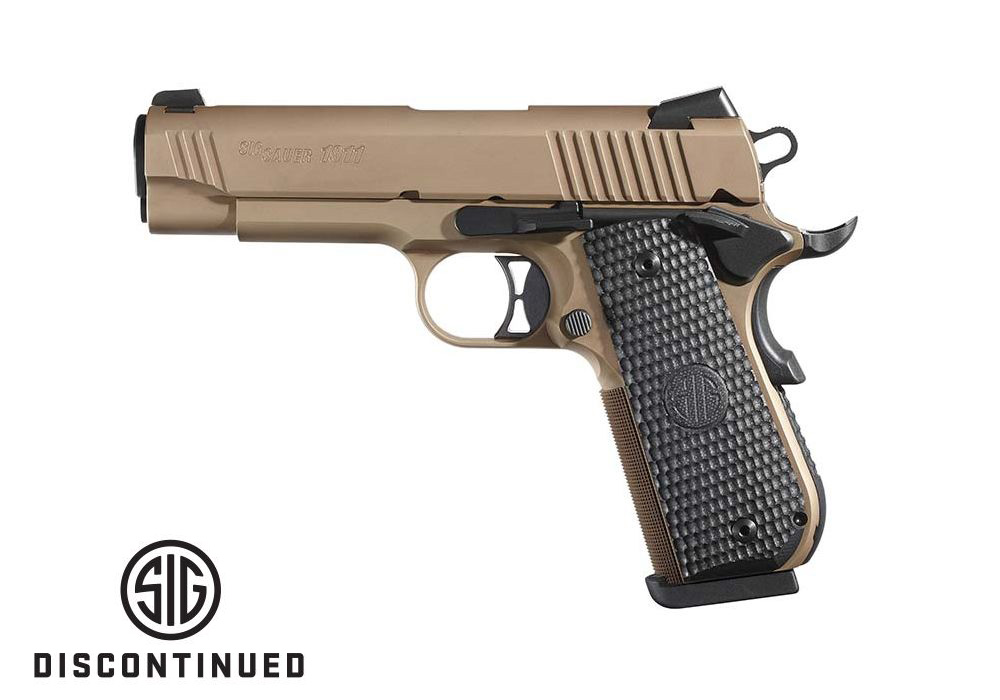
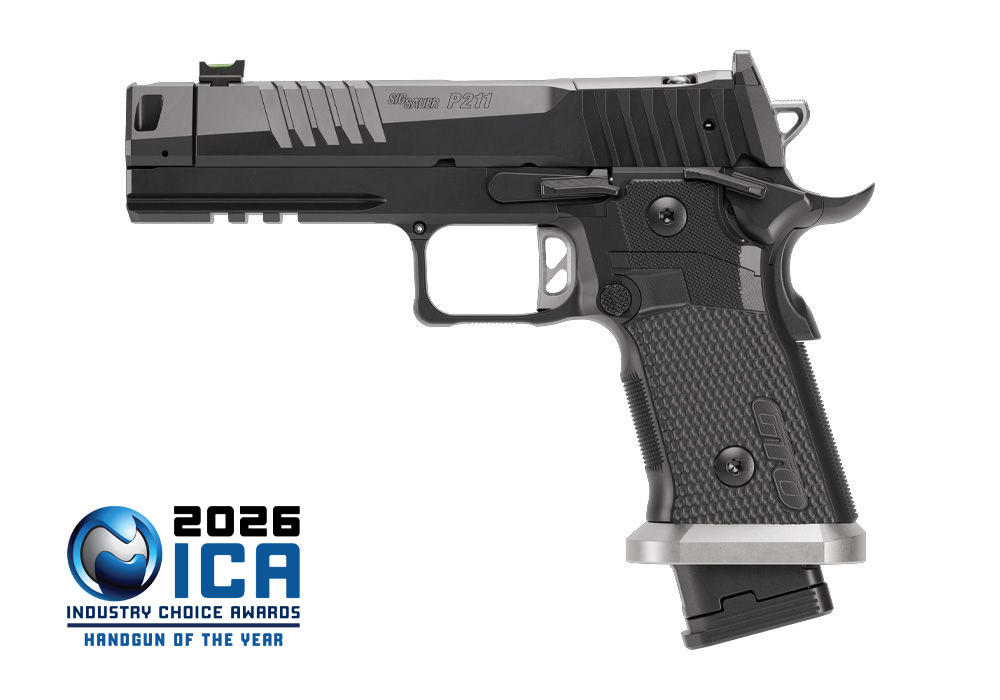
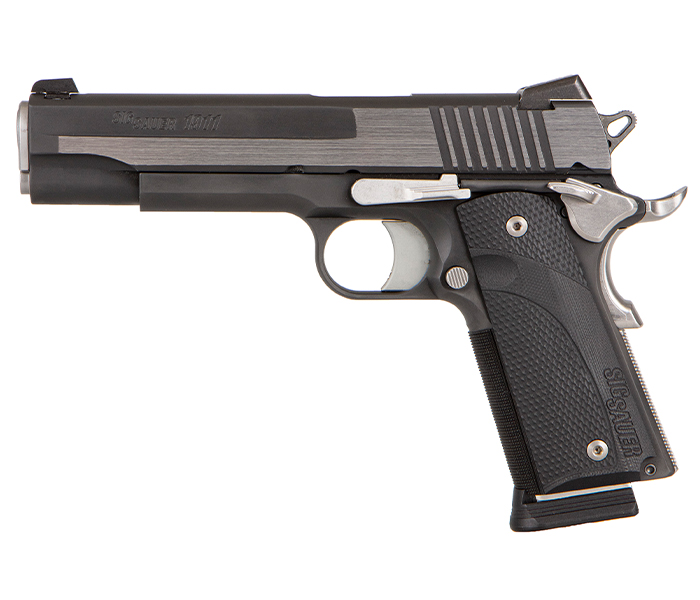
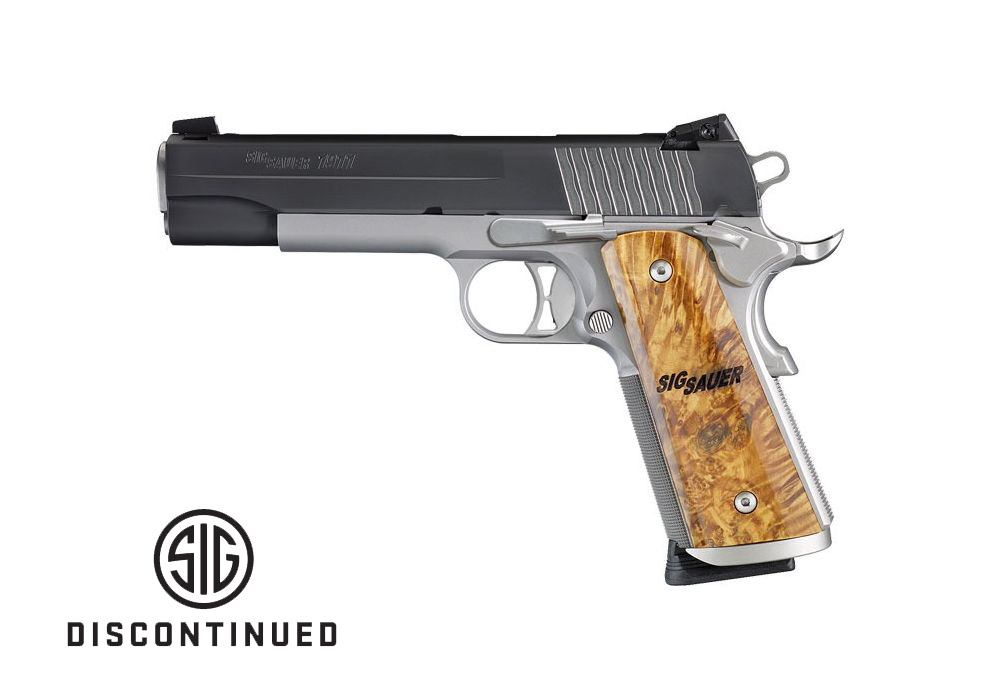
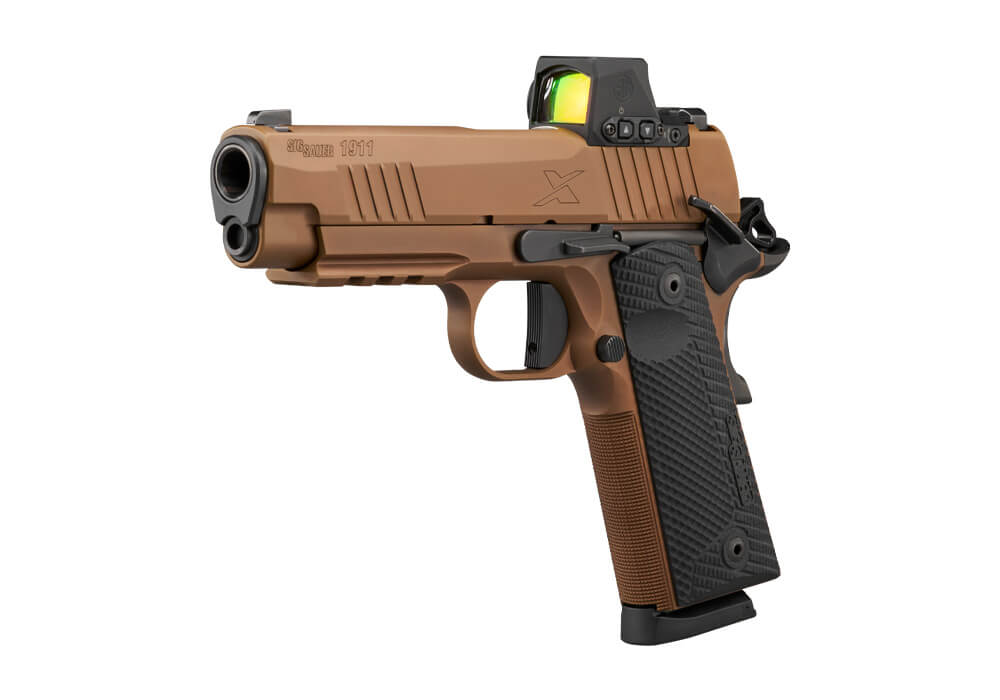
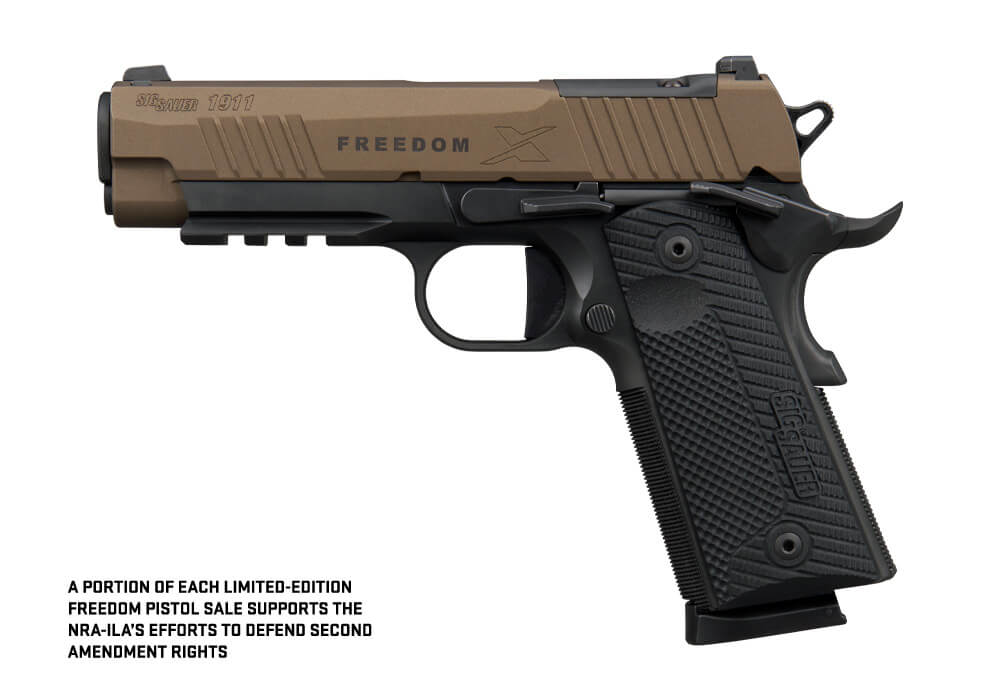
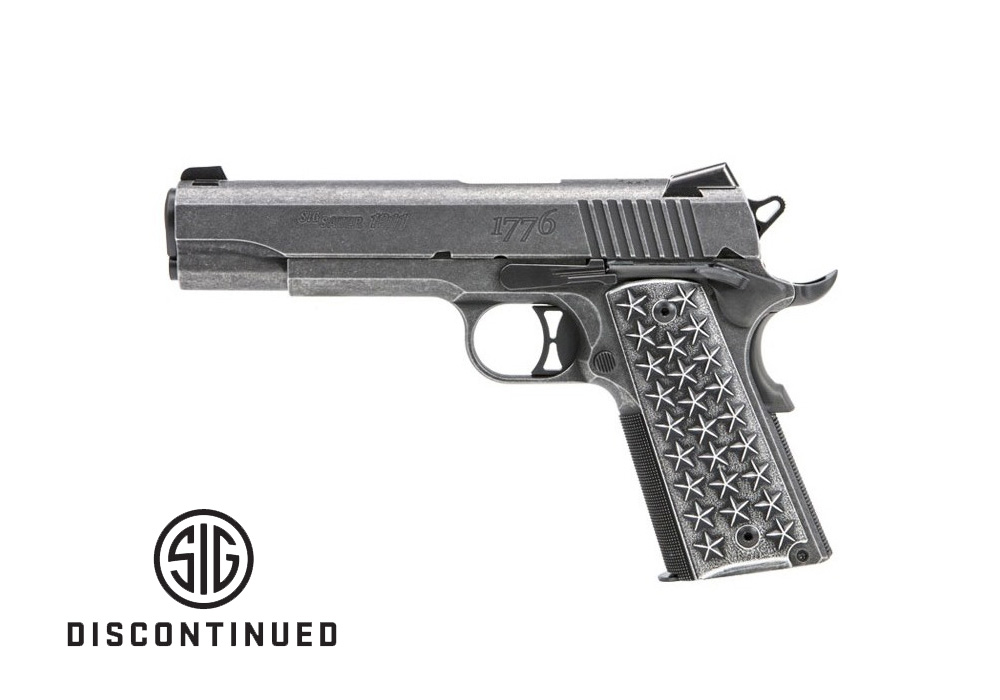
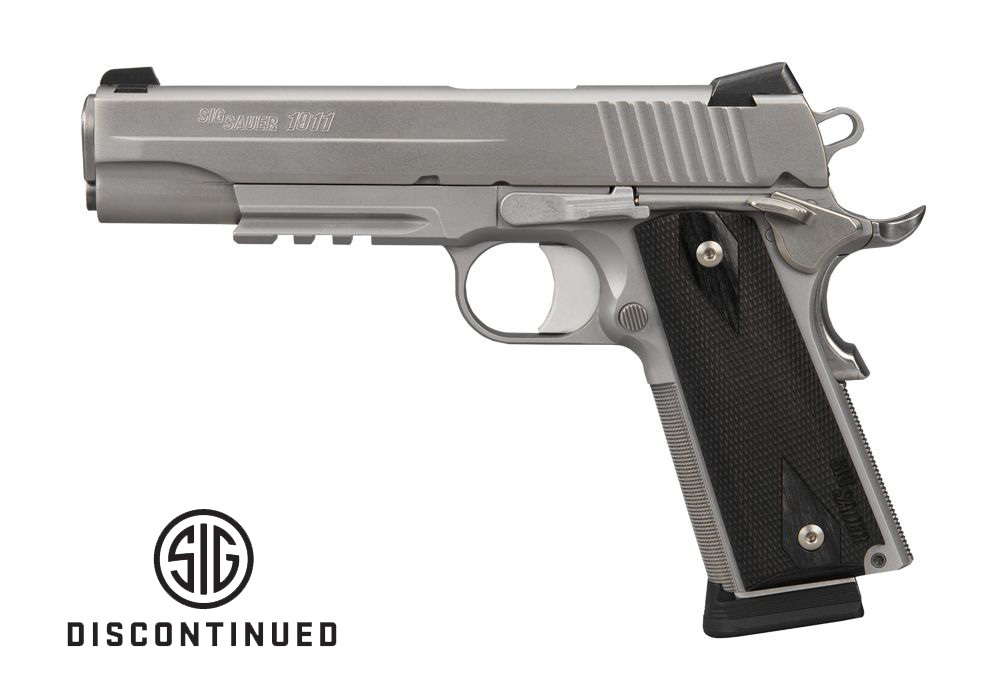
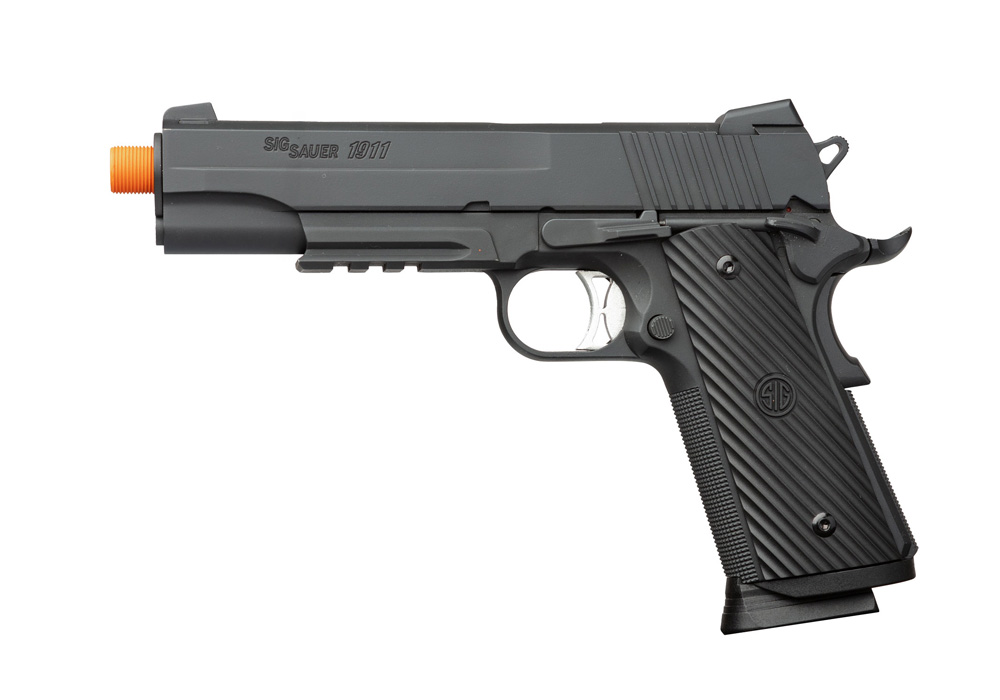
1911 pistols with reliable performance appeal to shooters who value a proven operating system, a deliberate trigger, and the balance of a full-size steel or alloy-framed handgun. The classic profile is recognizable, but modern 1911 pistols can vary considerably in materials, dimensions, controls, sights, finishes, and intended role. When comparing options, start with the fundamentals: frame and slide construction, barrel fit, extractor design, feed-ramp geometry, grip texture, manual safety, and the quality of the sights. A well-fitted slide should move smoothly without feeling loose or gritty, while the barrel should lock consistently into battery. The trigger should feel clean and predictable, with no unusual stacking or excessive movement. These details matter whether the pistol is destined for regular range sessions, formal competition, training classes, or responsible home-defense preparation. Full-size models generally offer a longer sight radius and a comfortable shooting balance, while compact and commander-length variations can be easier to carry or maneuver. Standard-capacity magazines preserve the familiar slim grip profile, while extended-capacity magazines may appeal to shooters who want additional cartridges and do not mind a longer magazine body. Magazine quality is especially important with a 1911; reliable feeding depends on sound springs, properly formed feed lips, and a follower that presents each cartridge at the correct angle. Buyers should also consider whether replacement magazines, holsters, grips, recoil springs, and other service parts are readily available for the configuration they select. A 1911 can be an excellent choice for an experienced handgun owner who appreciates traditional controls and wants a pistol that rewards careful handling, but it may require more familiarity than a simple striker-fired design. Anyone purchasing one should be prepared to learn the thumb safety, maintain a consistent firing grip, and follow the manufacturer’s instructions before loading or carrying it.
Reliable performance develops through the relationship between the pistol, its magazines, ammunition, and the person operating it. Many new 1911 pistols benefit from a sensible break-in period, often around 200 to 500 rounds depending on the design and manufacturer’s guidance. This is not a substitute for quality control, and a pistol should not be dismissed as unreliable after a single range visit or a small number of stoppages caused by unsuitable ammunition or poorly maintained magazines. At the same time, repeated failures should never be ignored. Begin with factory-new ammunition in a commonly supported bullet profile, use clean and properly lubricated magazines, and record how the pistol performs with each magazine rather than treating all magazines as interchangeable. A simple range log can reveal whether a stoppage follows one magazine, one ammunition type, or a particular grip or loading method. Keep the slide rails, barrel lugs, link, bushing, and other contact points lubricated according to the owner’s manual, while avoiding excessive oil that can collect dust and residue. Cleaning after range use helps protect the finish and makes it easier to notice unusual wear, damaged springs, loose grip screws, or changes in the pistol’s lockup. Recoil springs are wear items, and replacing them at the recommended interval can help preserve consistent cycling. Ammunition selection deserves equal attention: practice loads should cycle the pistol reliably, and any defensive load should be tested carefully in that specific firearm before it is relied upon. Shooters who prefer a more specialized setup can look for features such as an extended beavertail grip safety, lowered and flared ejection port, front and rear cocking serrations, an accessory rail, or a crisp competition-oriented trigger. Those features can improve handling for some users, but they also add considerations for holster fit, maintenance, and training. For shooters prioritizing sight performance and precise shot placement, explore 1911 Pistols With Exceptional Accuracy as a related category.
A 1911 can serve many kinds of responsible owners. A recreational shooter may enjoy the measured rhythm of working through a paper target, feeling the short reset of the trigger, and watching a neat group form as the afternoon light fades across the range. A new competitor may appreciate the pistol’s natural pointing characteristics and the broad selection of match-oriented accessories. An experienced handgun owner may choose a 1911 for training because its manual safety, grip safety, and single-action trigger encourage a disciplined approach to drawing, presenting, and firing. These pistols can also be considered as milestone gifts for a legally eligible adult who already has a strong interest in shooting, provided the transfer complies with all applicable federal, state, and local laws. Firearms should not be given casually or to someone who has not demonstrated safe judgment; a gift may be better paired with professional instruction, secure storage, eye and ear protection, a quality holster, and a supply of appropriate training ammunition. Before purchasing, confirm eligibility requirements, transfer procedures, waiting periods, magazine restrictions, and storage laws in the recipient’s jurisdiction. Secure storage is essential in every season, whether the pistol rests in a locked safe during the cooler months or travels to an authorized range as the weather changes. A dependable 1911 is more than a familiar silhouette: it is a system that performs best when its fit, magazines, ammunition, maintenance schedule, and operator are all working together. Choosing carefully, practicing deliberately, and inspecting the pistol regularly helps preserve the smooth cycling, consistent trigger feel, and confident handling that make the platform enduringly popular.