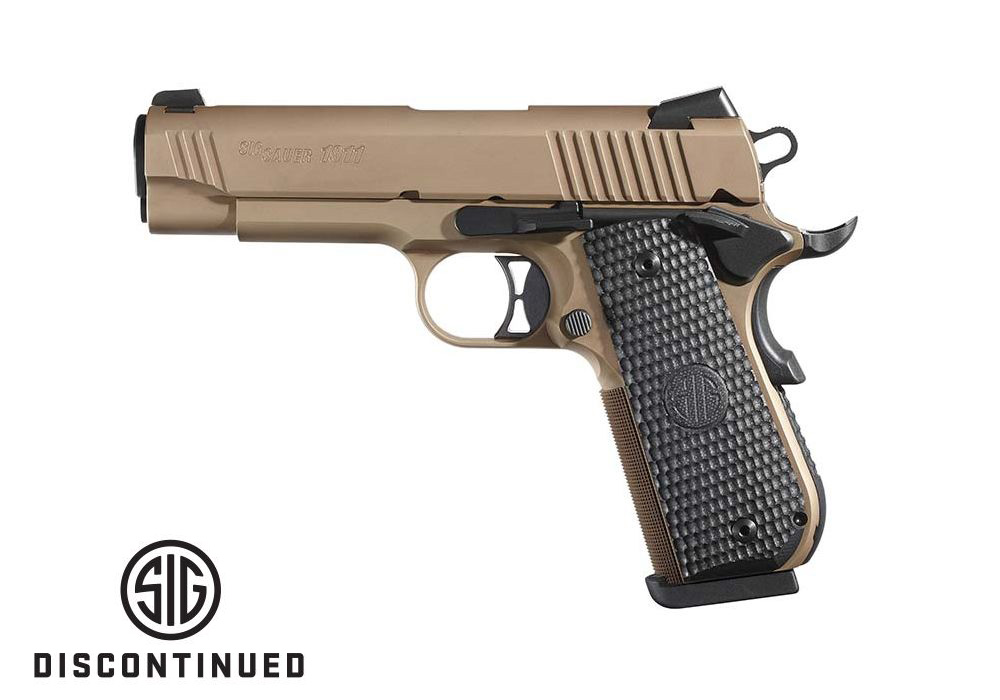
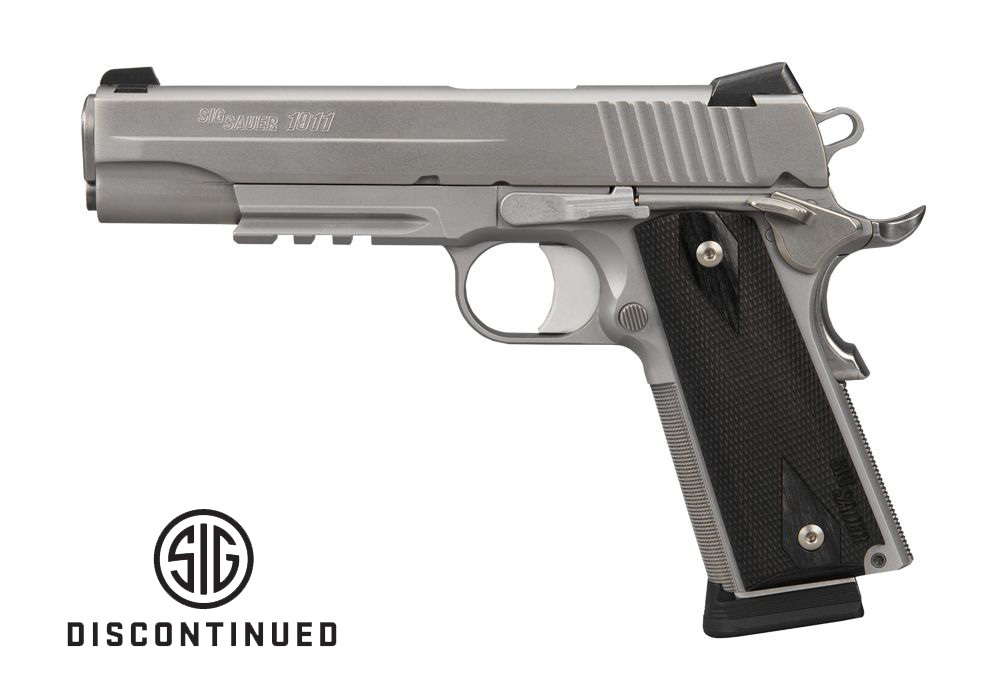
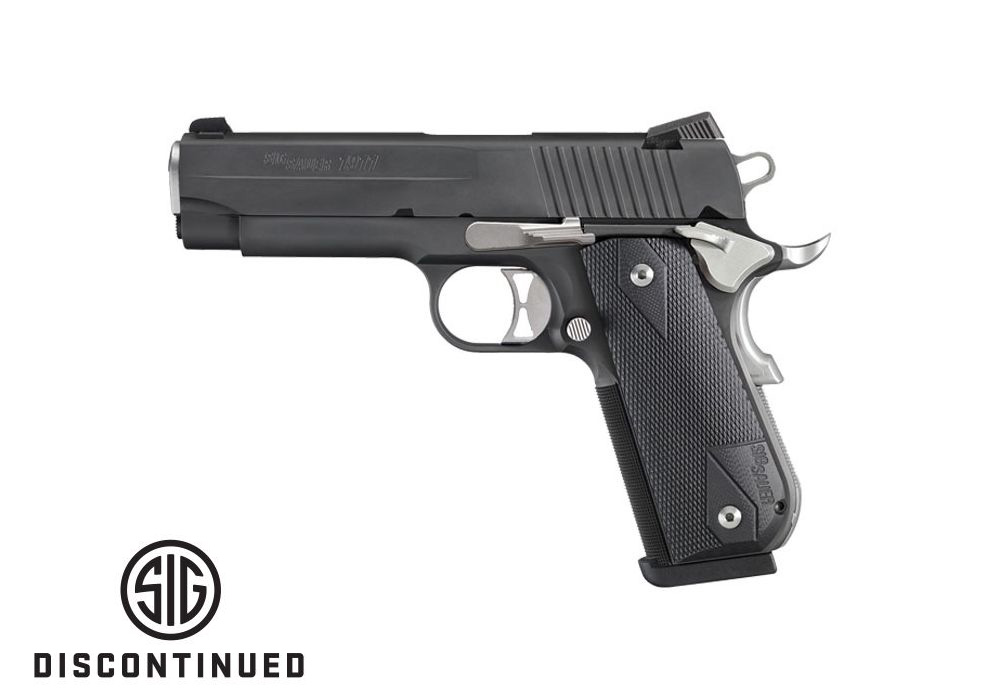
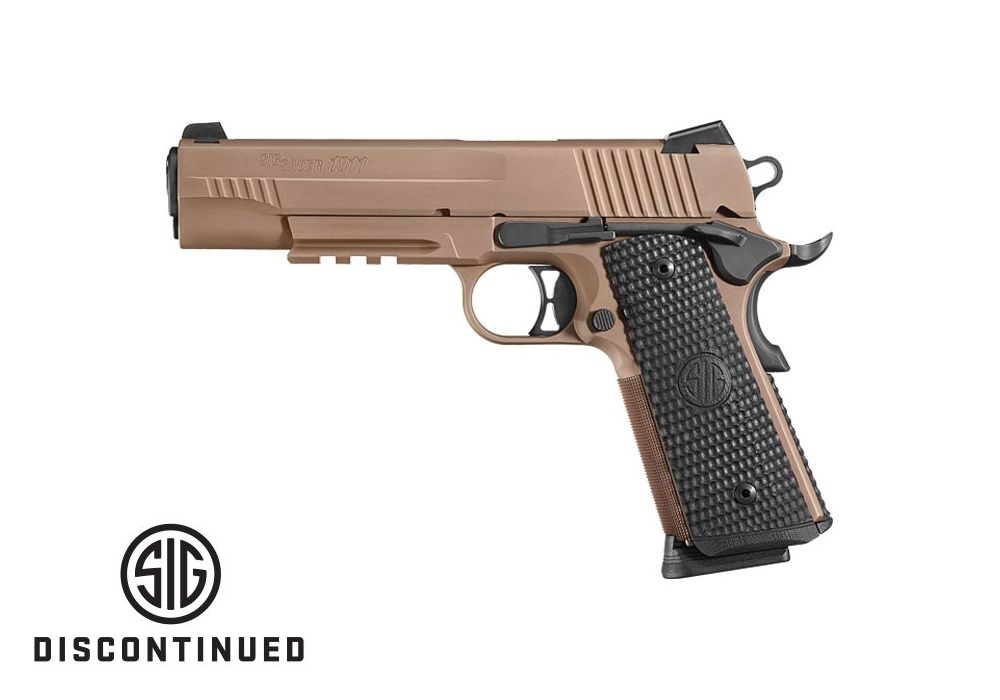
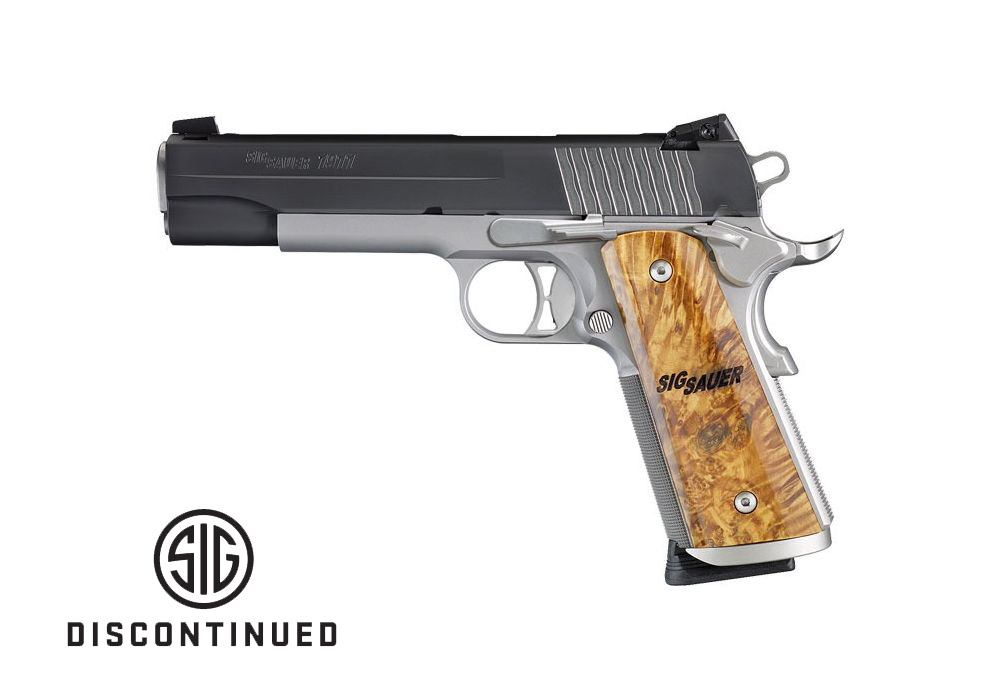
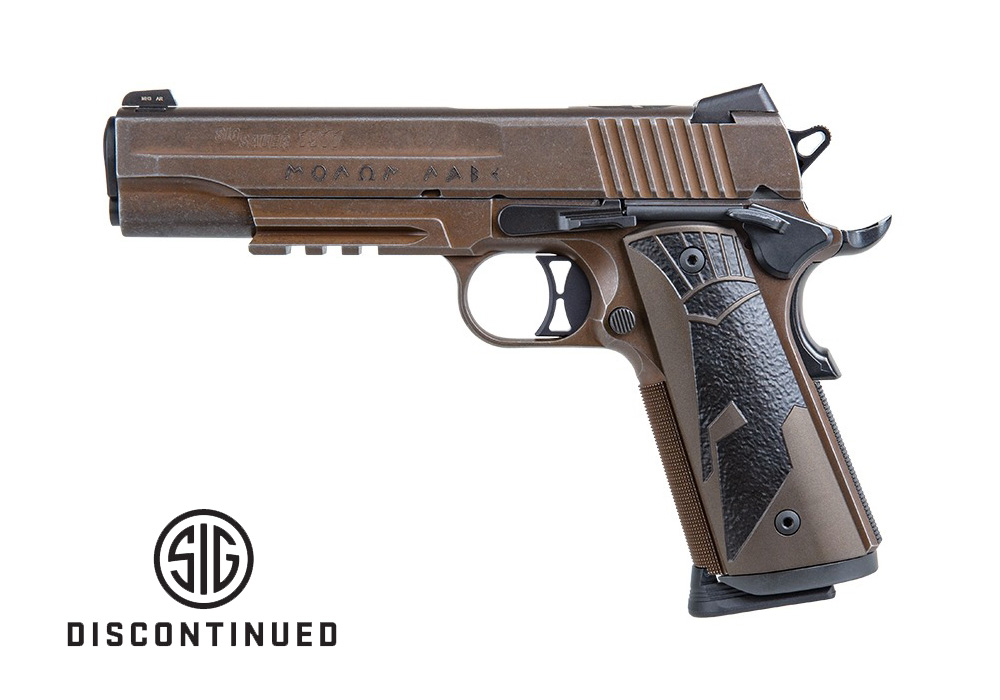
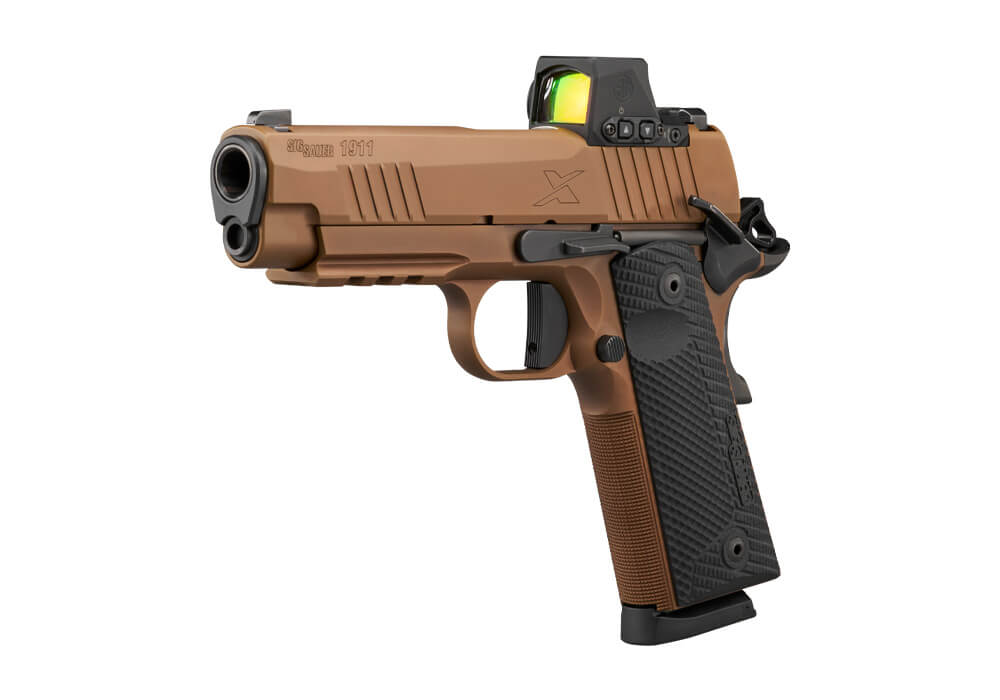
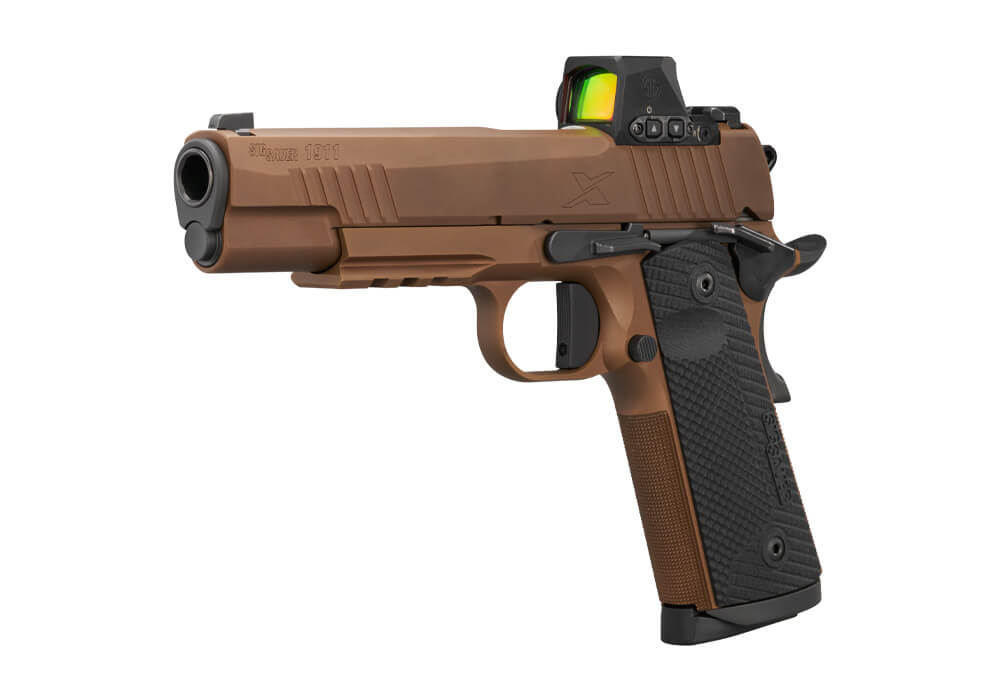
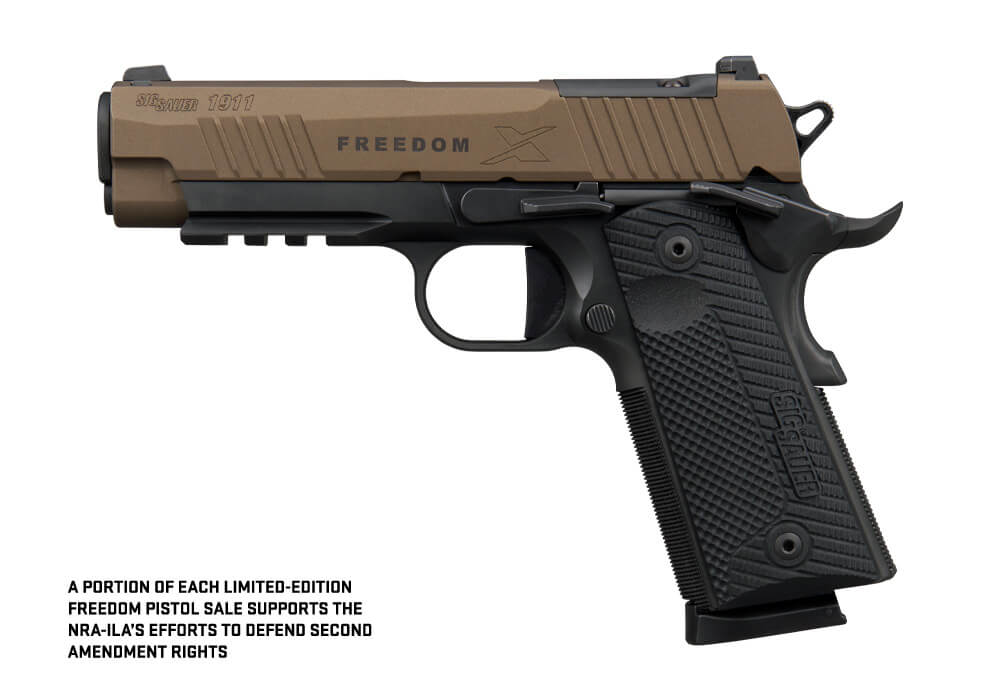
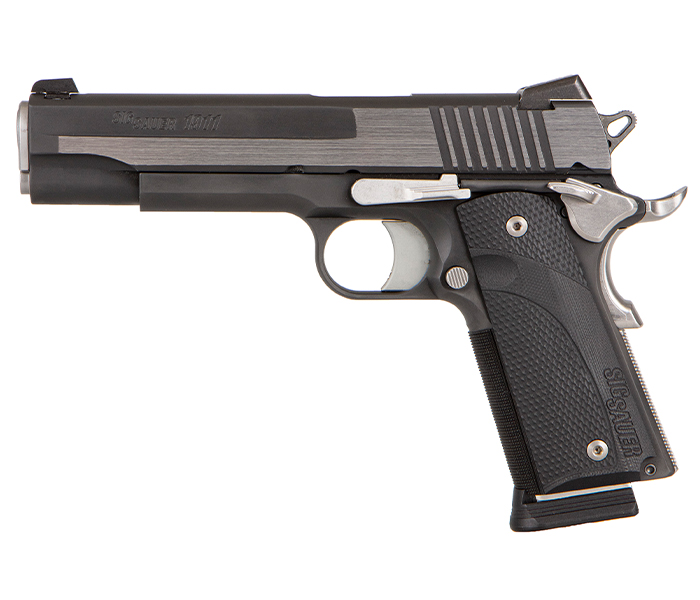
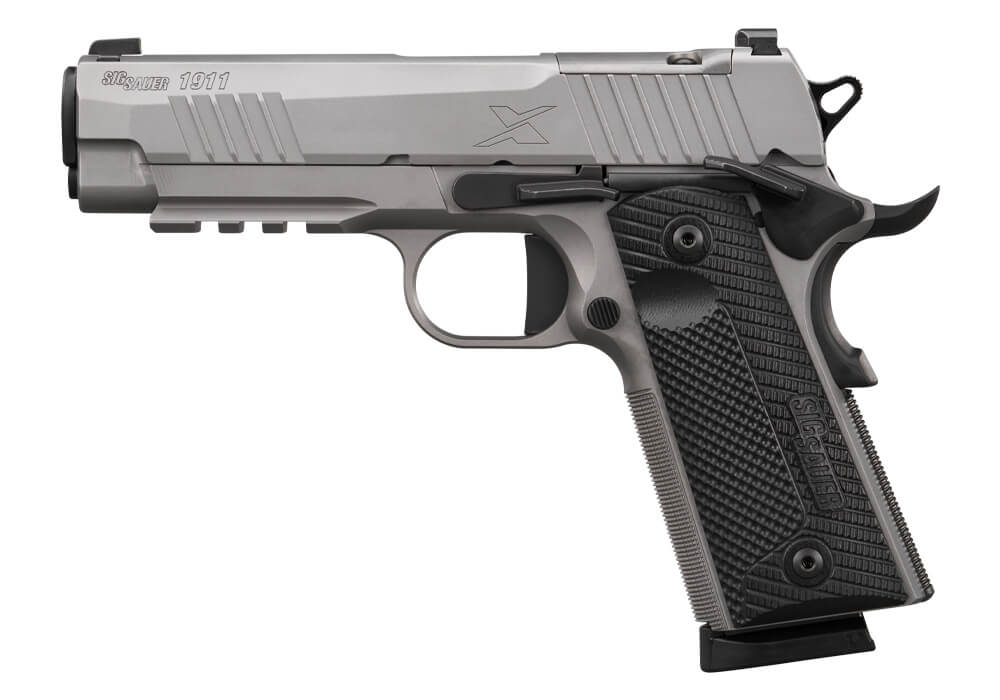
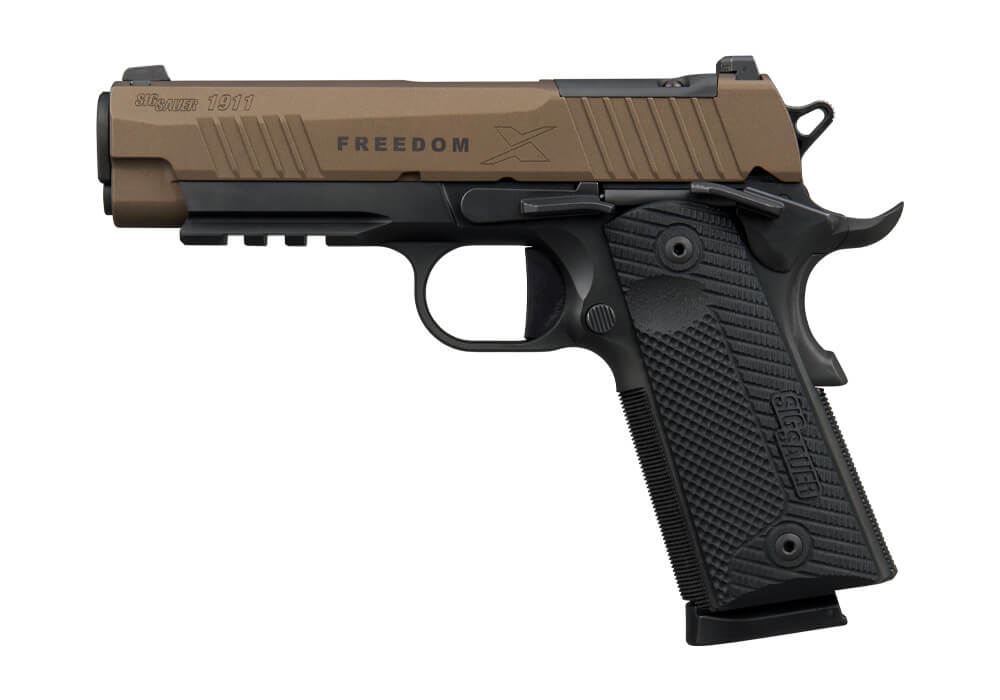
1911 pistols with greater performance appeal to shooters who want the familiar balance, controls, and handling of the classic single-action design with refinements intended to support more consistent results. In this category, attention often centers on the relationship between the barrel, slide, frame, sights, and trigger. A hand-fitted barrel can provide consistent lockup from shot to shot, while a well-fitted slide and frame may contribute to smooth cycling and a steady feel in the hand. Match-grade barrels, carefully finished feed ramps, and precisely fitted bushings are commonly associated with pistols intended for tighter groups at the range. A crisp trigger with a clean break and short, predictable reset can help a shooter maintain focus on sight alignment rather than managing unnecessary movement at the moment of the shot. Trigger pull remains a personal preference, so shoppers should consider whether they favor a lighter competition-style feel or a slightly more deliberate pull for general range use. Sights deserve equal attention. High-visibility fixed sights can support quick alignment in varied lighting, while adjustable sights allow a shooter to fine-tune point of impact for a preferred load. Some modern 1911 configurations also accept red-dot optics through an optics-ready slide or interchangeable mounting system, offering another way to refine aiming at distance. Frame and slide materials influence weight, balance, finish, and long-term care. Forged steel components provide the substantial feel many 1911 enthusiasts appreciate, while stainless finishes can simplify routine upkeep in humid conditions or during extended range sessions. Checkering on the front strap and mainspring housing can help keep the pistol anchored during rapid strings, although aggressive texturing may feel less comfortable during longer practice sessions. Ambidextrous or extended thumb safeties, beavertail grip safeties, undercut trigger guards, and contoured hammers can also affect how naturally the pistol fits a particular hand. When comparing 1911 pistols with greater performance, look beyond a single feature and consider how the entire system works together. A precisely fitted slide is useful, but it should be paired with sights that are easy to acquire, grips that suit the shooter, and controls that can be reached without shifting the firing hand. Magazine design matters as well; shoppers should confirm that the included magazines are compatible with the pistol and consider whether replacement magazines are readily available in the desired size and configuration. Finish quality, extractor design, recoil system components, and manufacturer support are practical details that can shape ownership over time. For buyers who want to compare another performance-focused selection, 1911 Pistols With Exceptional Accuracy offers a related point of reference.
These pistols may suit experienced range shooters, competitors, collectors, and owners who appreciate the deliberate handling characteristics of the 1911 platform. A competition shooter may prioritize a crisp trigger, adjustable sights, a lightened slide, and a frame profile that supports fast, repeatable transitions between targets. A recreational shooter may place greater value on comfortable grip panels, dependable feeding across several factory loads, and a finish that stands up to regular cleaning and storage. Someone selecting a 1911 as a gift should consider the recipient’s experience level, hand size, preferred shooting discipline, and familiarity with single-action controls before focusing on appearance or premium features. A well-chosen pistol can become a meaningful addition to a collection or a centerpiece for thoughtful range time, but it should be presented with secure storage and a clear understanding of applicable laws and transfer requirements. For any owner, safe handling begins with treating every firearm as loaded, keeping the muzzle pointed in a safe direction, keeping the trigger finger outside the guard until ready to fire, and using appropriate eye and ear protection. New owners should spend time learning the manual safety, grip safety, slide stop, magazine release, and field-stripping procedure before live fire. Even an expertly fitted 1911 benefits from a careful break-in and inspection routine. At the range, begin with a familiar factory load, confirm that the sights align with the intended point of impact, and pay attention to feeding, extraction, primer appearance, and brass ejection. Keep notes on the loads and sight settings that produce the most consistent groups, particularly when practicing during cooler months and then returning to warmer conditions. Routine care generally includes removing residue from the slide rails, barrel, feed ramp, and breech area, applying an appropriate amount of lubricant to contact points, and inspecting magazines for worn springs or damaged feed lips. Storage in a locked container, separate from ammunition when required or preferred, helps protect both the firearm and everyone in the home. With thoughtful selection, proper maintenance, and regular practice, a performance-oriented 1911 can provide a refined range experience while preserving the distinctive balance, controls, and tactile character that have kept this platform relevant across generations.