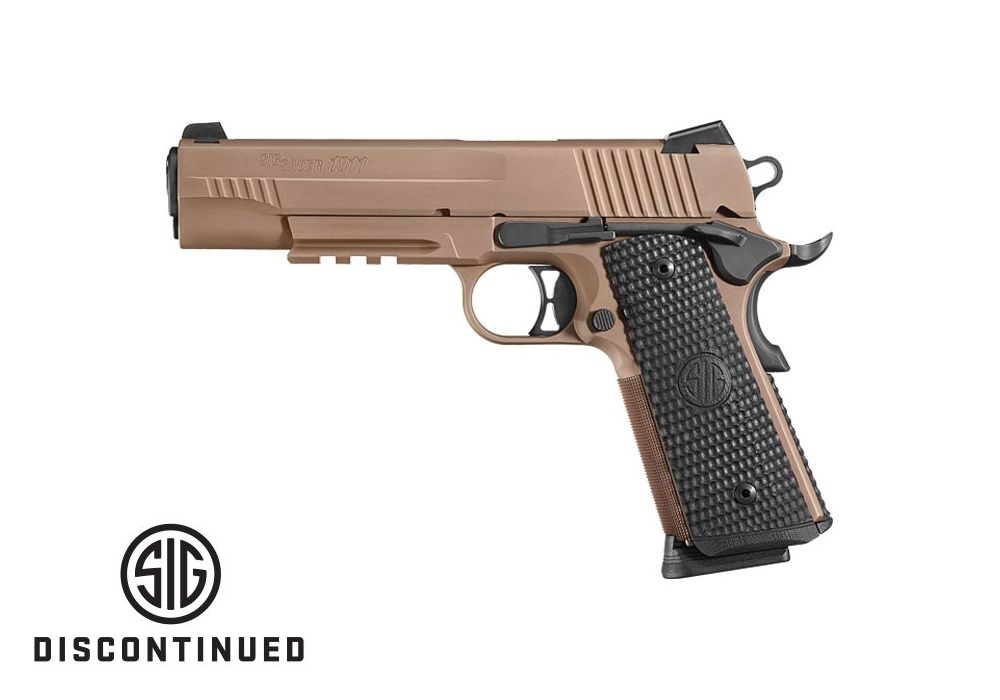
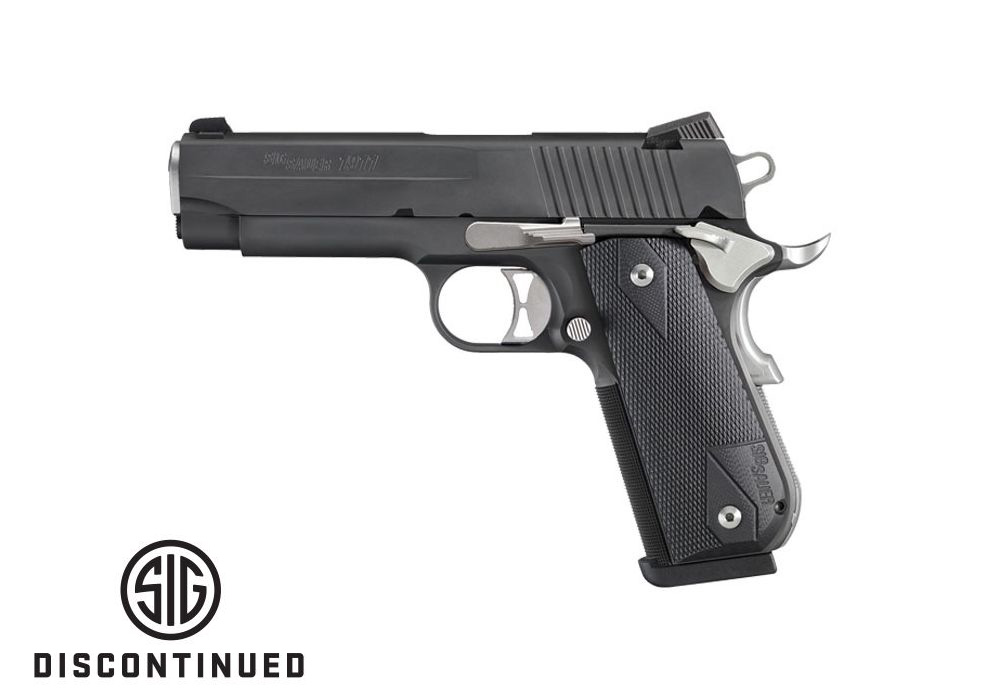
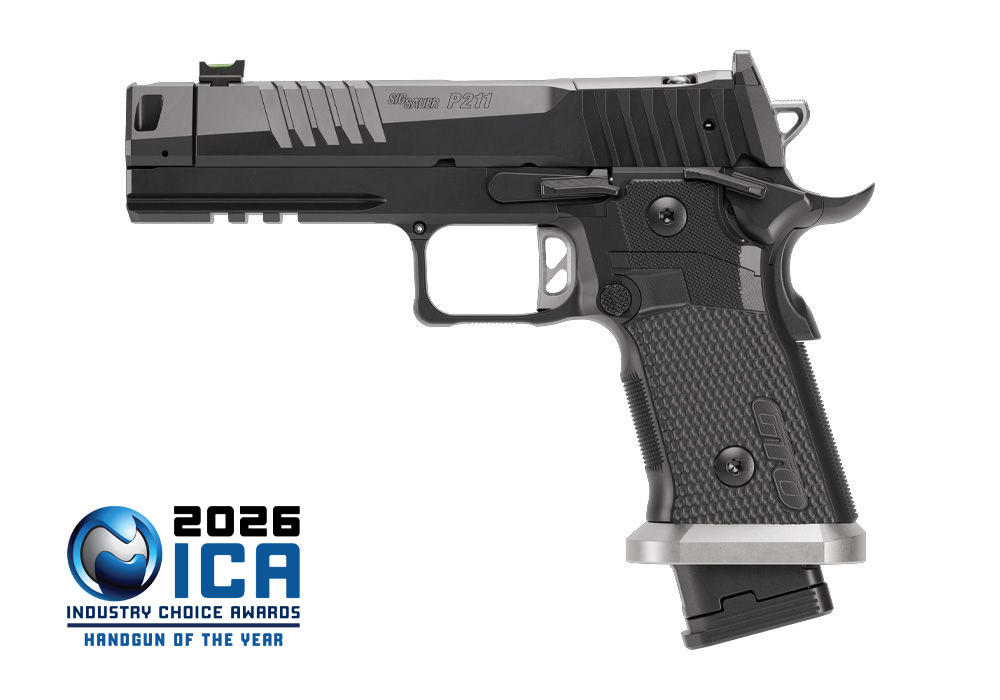
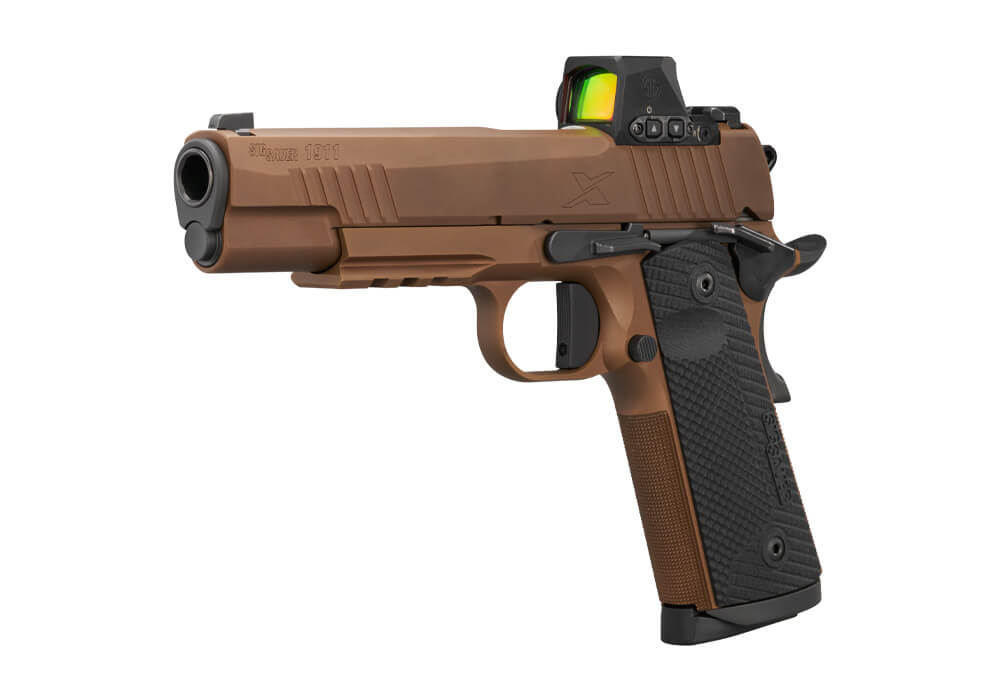
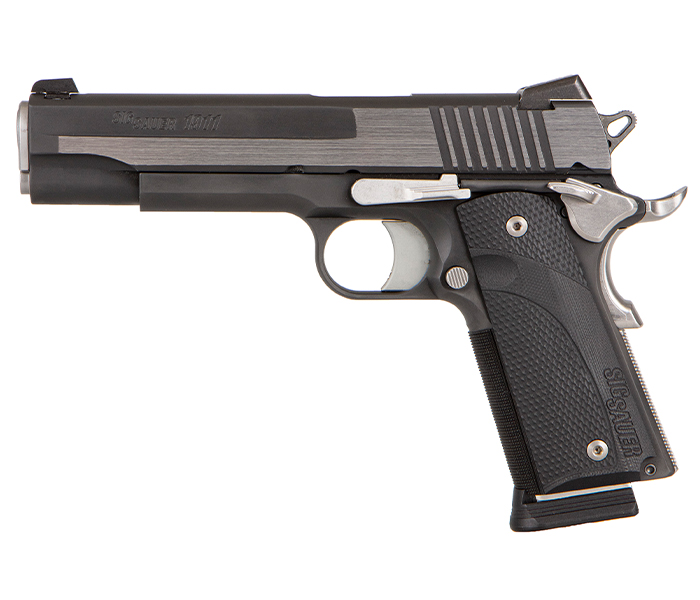
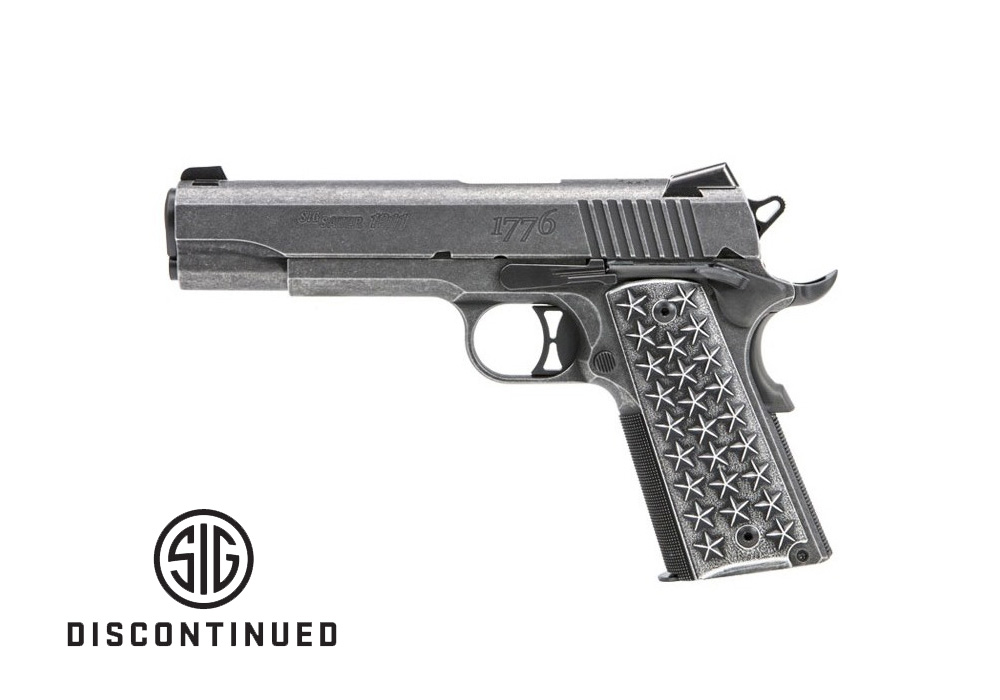
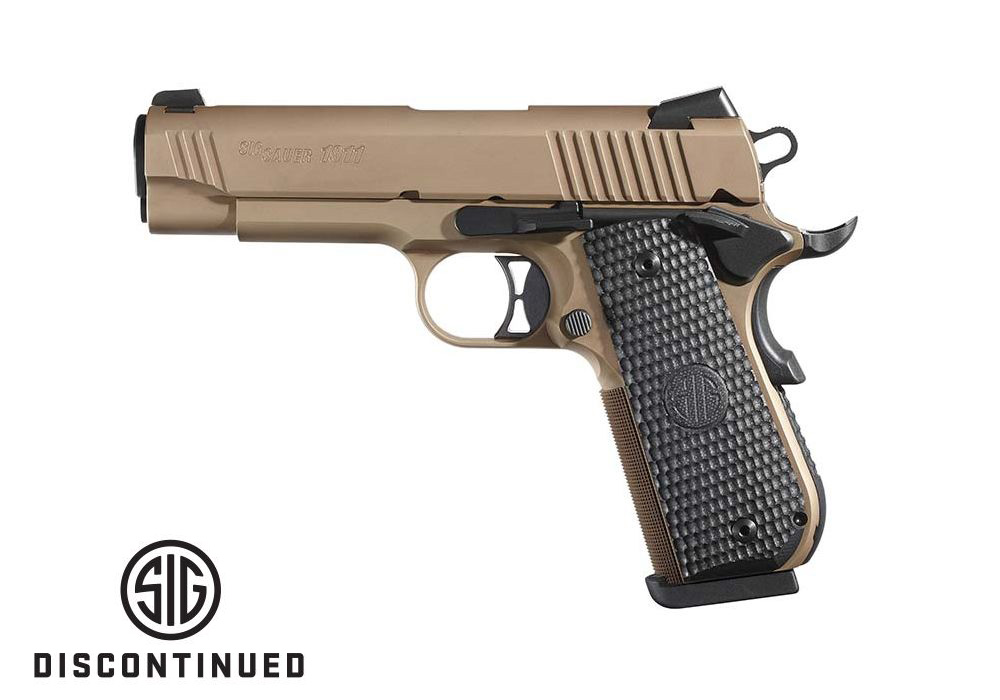
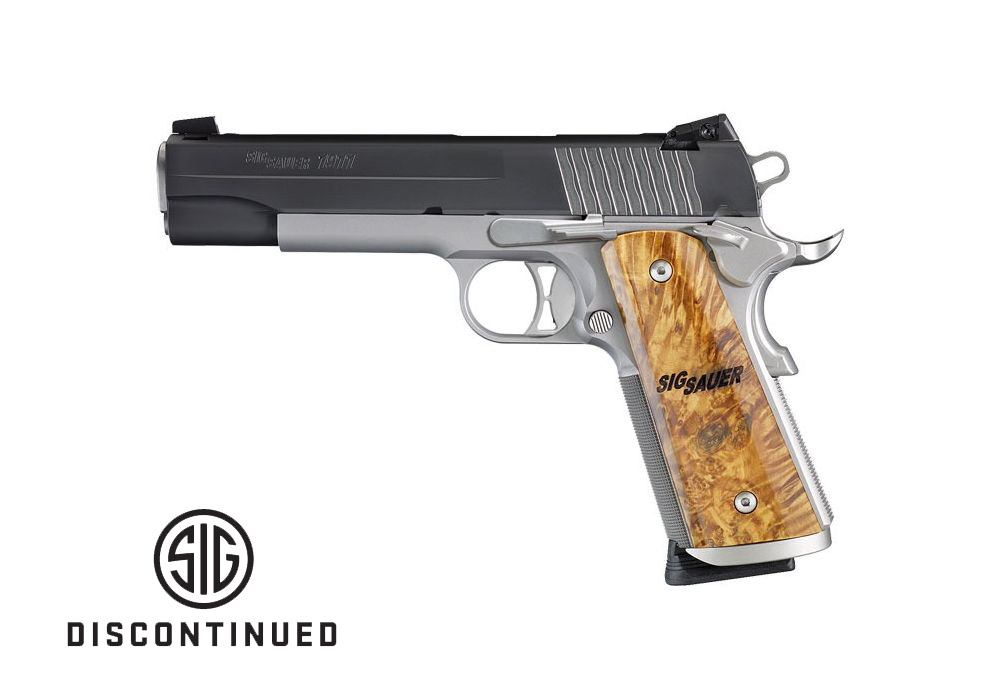
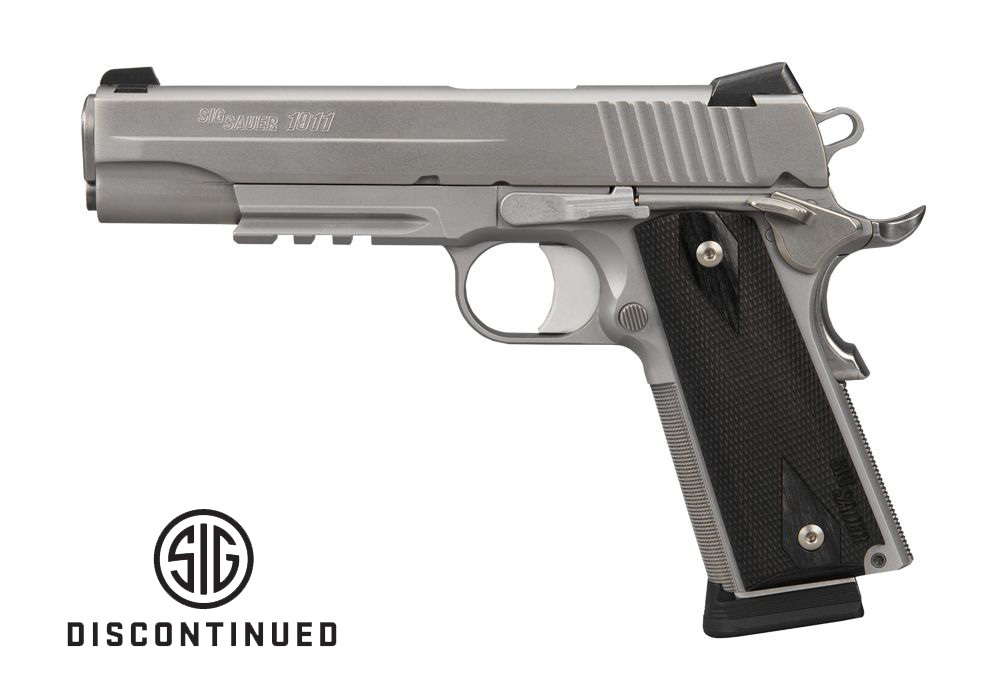
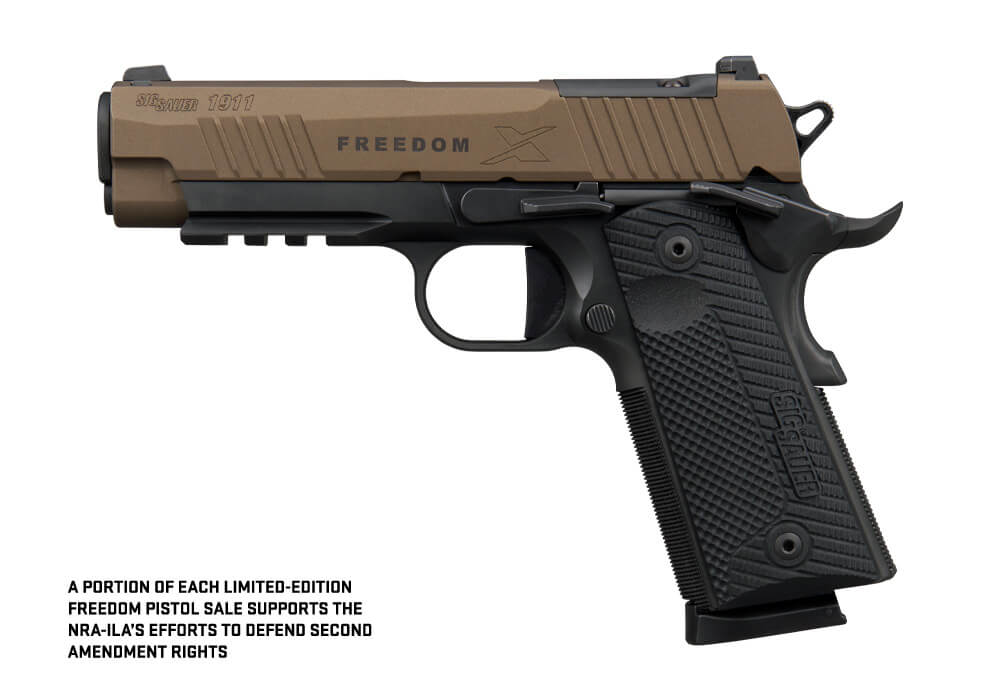
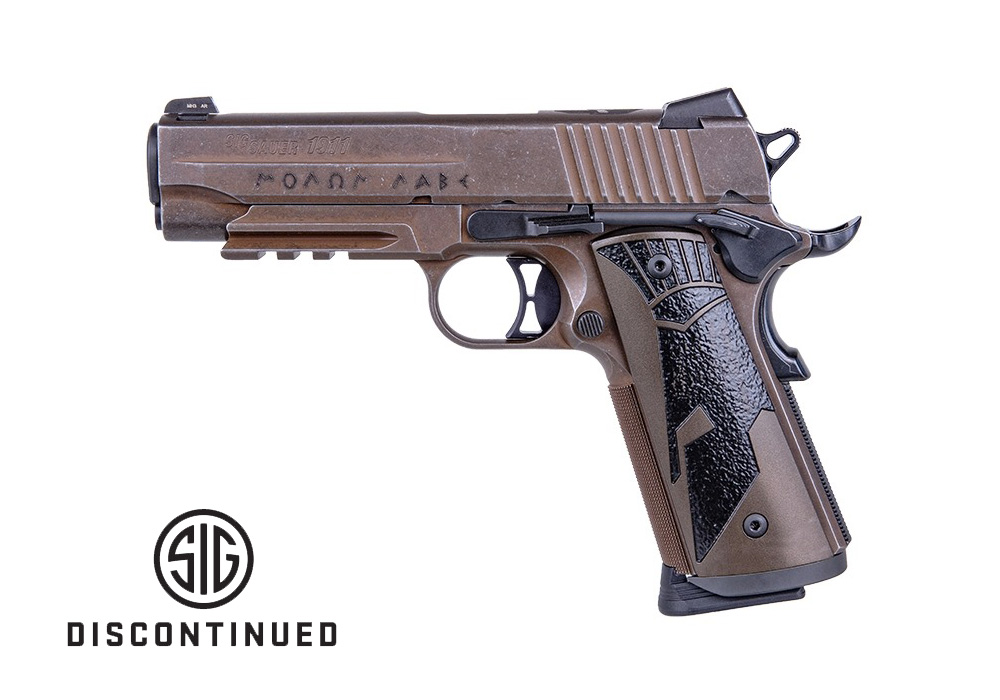
1911 pistols with exceptional accuracy appeal to shooters who value a clear, deliberate connection between sight picture, trigger press, and point of impact. Their enduring design gives manufacturers a strong platform for refining the details that matter on the range: a tight slide-to-frame fit, a carefully fitted barrel, consistent lockup, a clean trigger, and sights that return quickly after every shot. When these elements work together, the pistol can feel almost calm in the hand, with a smooth cycling motion and a predictable break that helps the shooter focus on fundamentals rather than correcting for unnecessary movement. A well-tuned 1911 may be suited to bullseye competition, precision practice, defensive training, or relaxed range sessions where tight groups are part of the enjoyment. Match-grade barrels, refined feed ramps, crisp single-action triggers, and properly regulated sights are common features to review when comparing models in this category. Some designs favor a traditional .45 ACP experience, while others use 9mm for a softer recoil impulse, flatter tracking, and efficient practice. Neither choice replaces sound technique, but the right chambering can make long sessions more comfortable and help a shooter maintain a steady rhythm from the first target to the last.
When selecting a 1911 for exceptional accuracy, start with the way you expect to use it. A target-focused shooter may place the greatest value on a light, consistent trigger, a narrow front sight, an adjustable rear sight, and a barrel system intended for precise lockup. Someone preparing for defensive practice may prefer a balance of accuracy, visibility, reliability, and practical controls, including front and rear slide serrations, an ambidextrous thumb safety, and grips that remain secure when the hands are wet or gloved. Weight also deserves attention. A heavier steel frame can help soften recoil and settle quickly between shots, while a lighter configuration may be easier to carry during training or transport to the range. Grip shape, checkering, beavertail design, and trigger reach can influence comfort more than shoppers often expect; a pistol that fits the hand well encourages a straight-back press and reduces fatigue over a full practice session. Review the published barrel length, sight configuration, magazine specifications, overall weight, and recommended ammunition, then consider whether those details align with your hand size, storage setup, and local regulations. Accuracy is not defined by one feature alone. It comes from the relationship between the pistol, its ammunition, the shooter’s technique, and the consistency of the support equipment. A quality holster, secure magazine pouch, eye and ear protection, and a stable grip can all contribute to a more rewarding experience. For shoppers comparing closely related options, the collection of 1911 Pistols With Greater Performance offers another way to explore designs that emphasize refined handling and range-ready features.
These pistols can be a thoughtful choice for an experienced shooter, a competitive participant, or a family member who has expressed a genuine interest in structured firearms training, but a firearm should always be selected with the recipient’s experience, preferences, and legal requirements in mind. Any transfer or gift must follow applicable federal, state, and local laws, and the recipient should have access to qualified instruction before live-fire practice. Safe storage is equally important: use a secure locking container or other suitable storage method, keep ammunition stored separately when appropriate, and limit access to authorized adults. At the range, accuracy work often begins with simple habits—confirming the pistol is unloaded before handling or storage, checking the condition of the target area, establishing a consistent stance, and pressing the trigger without disturbing the sights. During the cooler months, a well-organized range session can be especially satisfying: the sharp contrast of a clean target against the backstop, the deliberate pause before each shot, and the gradual tightening of groups as fundamentals settle into place. Keep notes on ammunition, distance, group size, and sight adjustments so you can identify what feels consistent over time. Whether the goal is competition, defensive preparation, or the quiet satisfaction of placing each round close to the last, a precision-oriented 1911 rewards patience and repeatable technique. Examine each listing for its configuration and intended role, choose equipment that fits your experience, and build practice around safety, lawful ownership, and steady improvement.