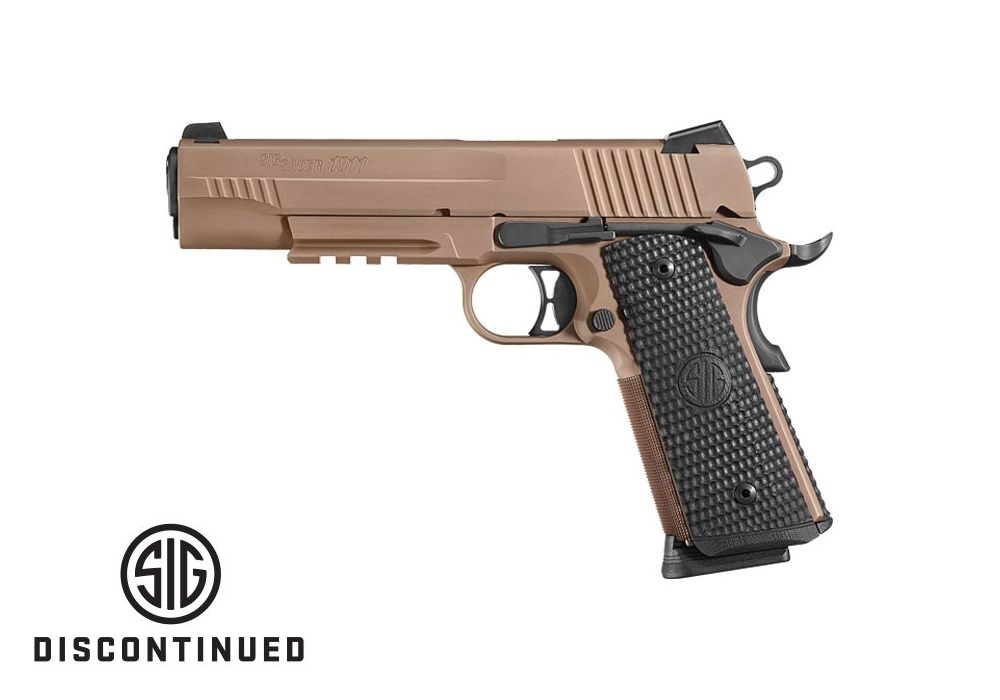
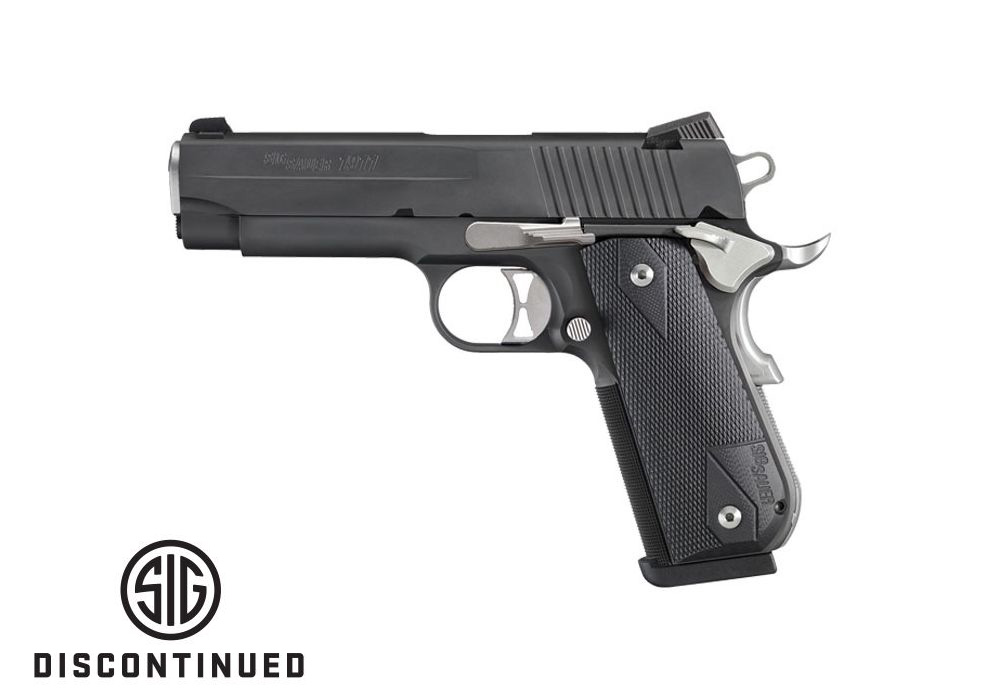
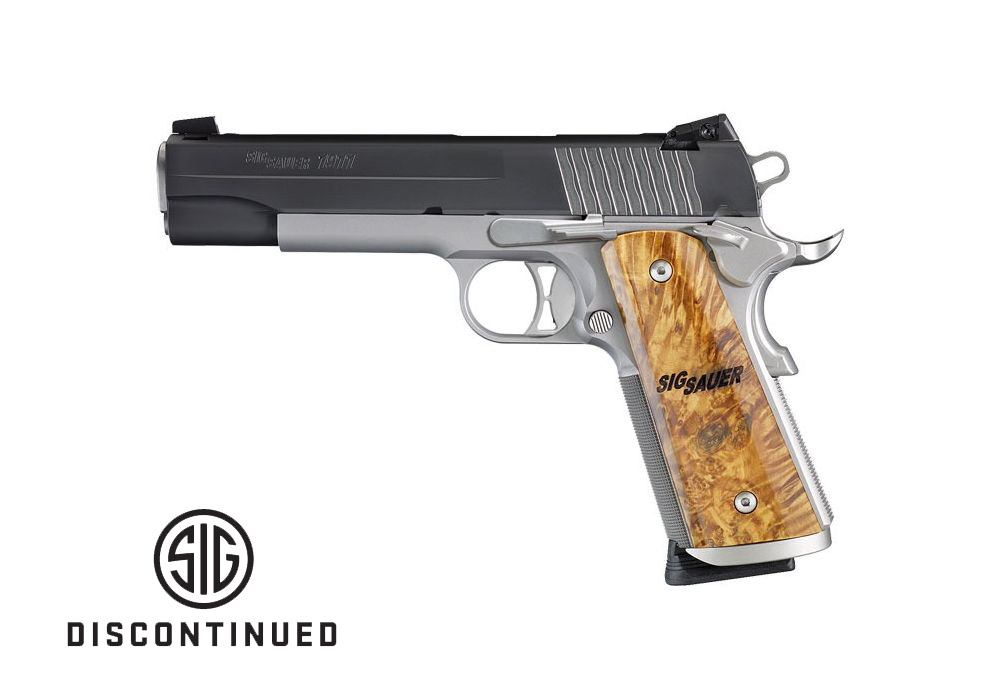
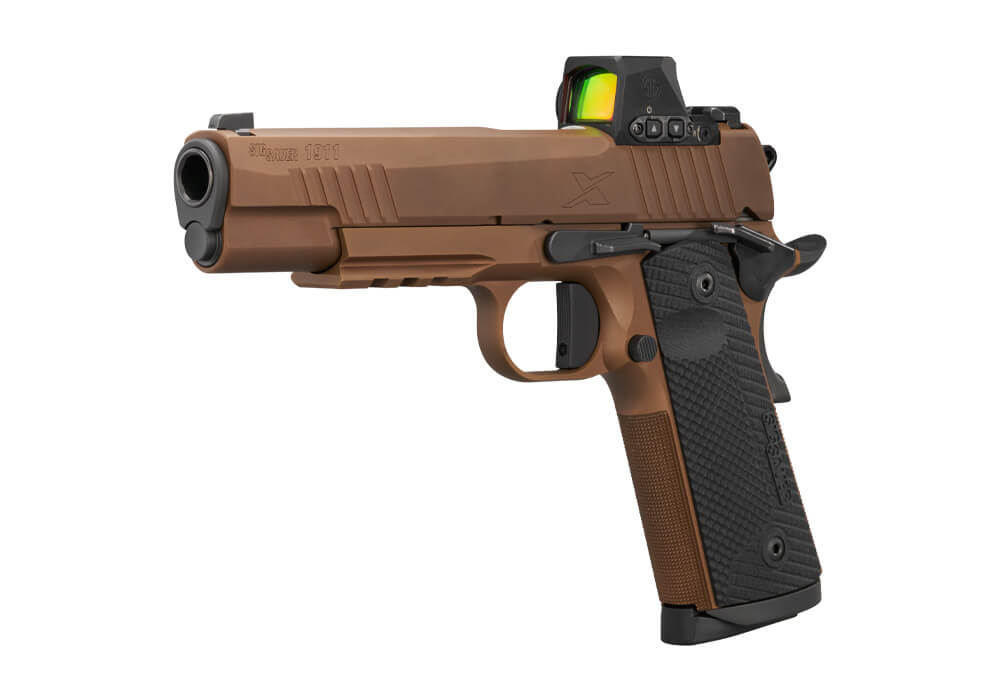
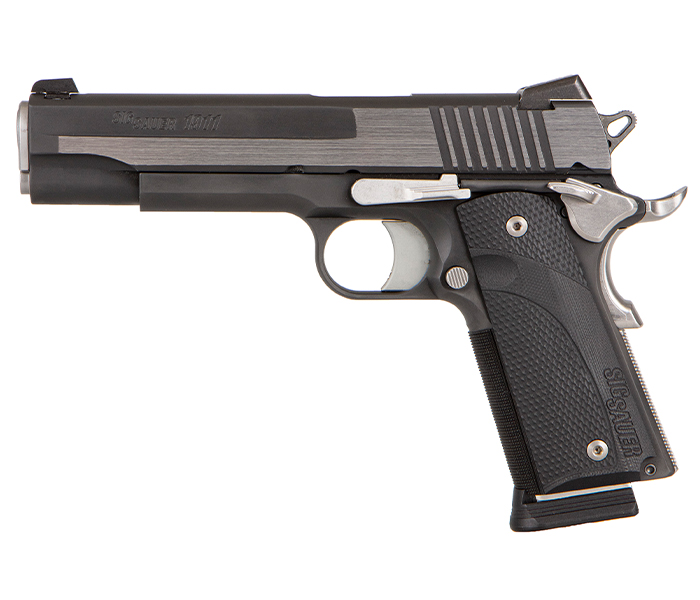
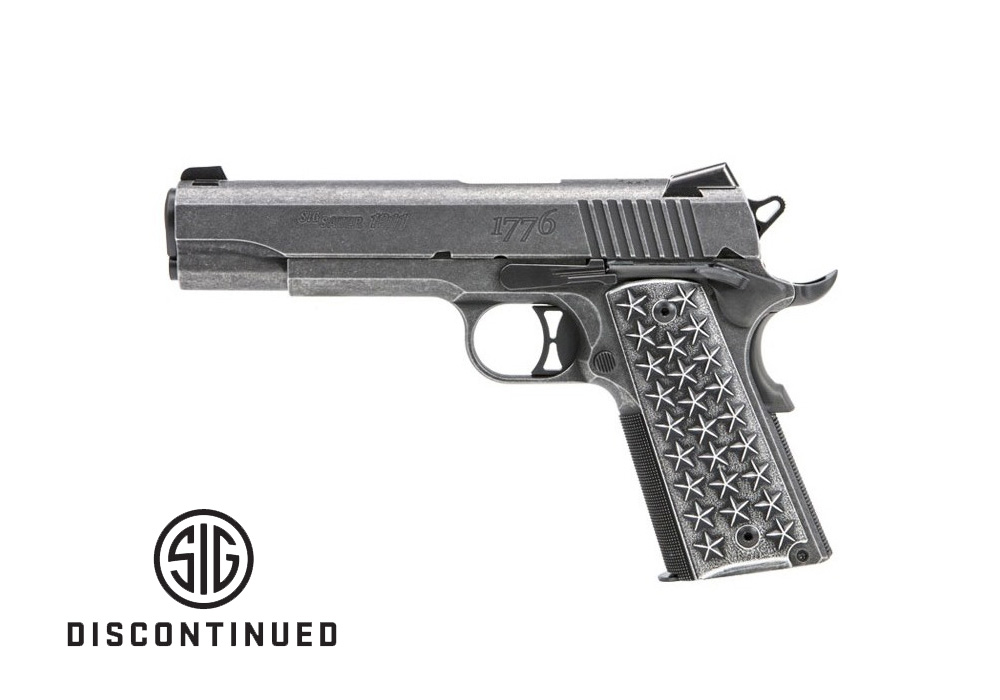
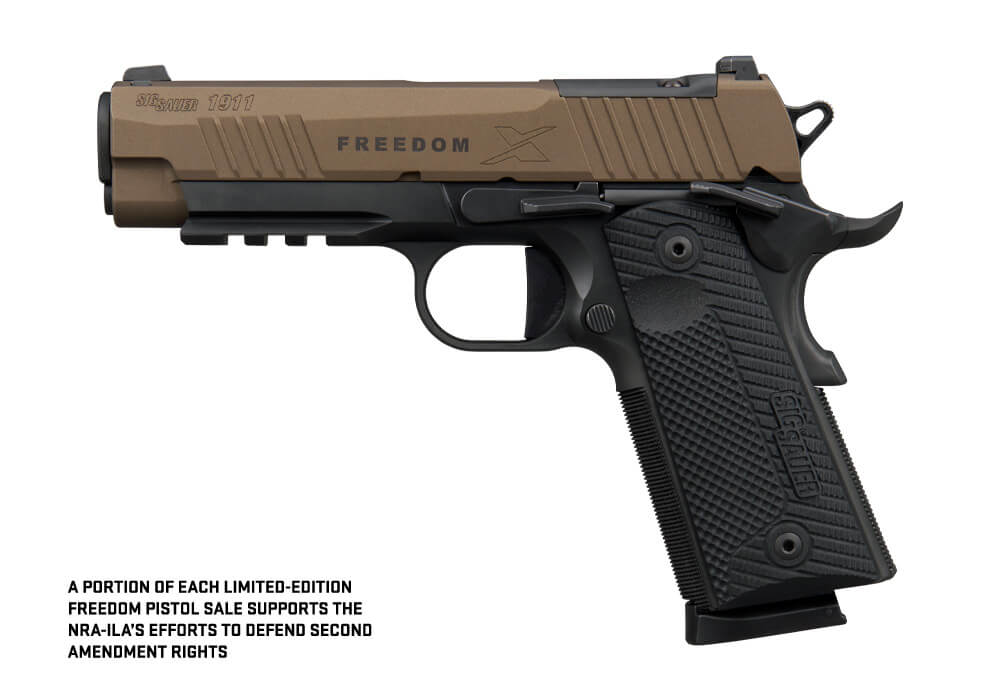
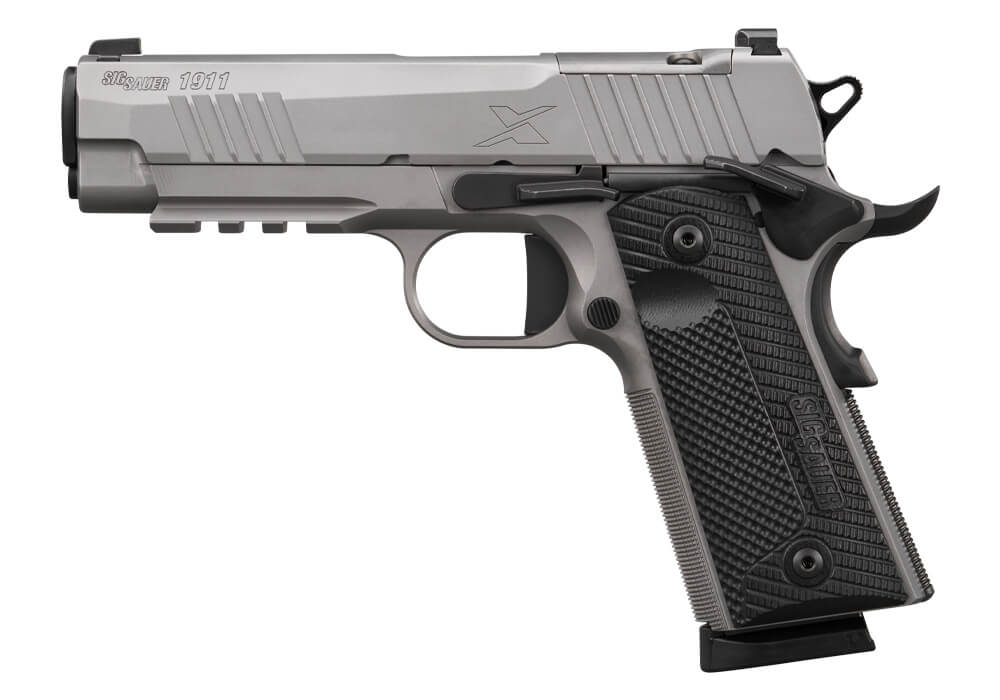
1911 pistols with custom slide designs bring a different visual character to a familiar platform, pairing its recognizable silhouette with distinctive machining, surface treatments, and decorative details. The slide is one of the first features the eye follows: a long upper profile, the transition around the muzzle, the shape of the serrations, and the way polished or matte surfaces catch the light. Custom treatments can range from restrained changes to extensive engraving, so the word “custom” does not always mean a one-of-a-kind commission. It can also describe a factory-configured pistol with styling that differs from a traditional pattern. Common design elements include flat-top and tri-top profiles, front and rear cocking serrations, ball cuts, contrasting finishes, engraved panels, and provisions for compatible optics. A flat-top treatment creates a defined upper plane, while a tri-top profile introduces angled surfaces along the top of the slide. A round-top profile preserves a softer, more traditional outline. Ball cuts add a curved contour near the front of the slide, creating a detail that may look understated in a side photograph but becomes more apparent when the pistol is viewed at an angle. Engraving contributes another kind of character, from fine borders and geometric patterns to elaborate scrollwork with visible depth. These details need not compete with one another. A restrained finish can emphasize machining, while a simple slide profile can give decorative work room to stand out. For shoppers drawn to clean contours rather than extensive ornamentation, 1911 Pistols With Distinct Lines offers a related perspective on the platform’s visual appeal. The most satisfying choice often has a consistent design language across the slide, frame, grips, and controls. A bold upper profile paired with quieter details elsewhere creates a different impression from a traditional outline accented by carefully placed engraving, even when both pistols share the same basic architecture.
Choosing among custom slide designs involves more than deciding which photograph looks best. Finish, texture, sight configuration, and the overall dimensions of the pistol all affect the ownership experience. Serrations illustrate that balance particularly well. Traditional vertical grooves have a familiar appearance, while angled or more elaborate patterns change both the look and the feel of the slide’s grasping surfaces. Deeper-looking cuts are not automatically more comfortable; edge shape and surface finish matter, especially for someone who expects regular range use. When possible, an in-person inspection through a licensed retailer can reveal details that images flatten, including whether the edges feel sharp, how evenly the finish covers recessed areas, and how clearly fine engraving remains visible under ordinary lighting. Polished flats can create striking contrast against matte curves, though fingerprints and light surface marks may be more noticeable on reflective areas. A subdued finish can give intricate machining a quieter appearance without hiding its geometry. Material and finish specifications deserve separate attention, since color alone does not establish resistance to wear or corrosion. Optic-ready configurations introduce another purchase consideration: an optic cut is a mounting provision, not a promise of compatibility with every sight. Confirm the stated mounting pattern, any required plate, whether mounting hardware is included, and whether the optic shown in photography is part of the purchase. Similarly, slide windows and barrel ports are different features. An opening in the slide does not by itself establish that the barrel is ported, and appearance alone cannot explain the complete configuration. Check the product specifications rather than relying on a side-view image. Decorative cuts also do not establish accuracy, reliability, or mechanical quality on their own. Those qualities depend on the complete pistol, its condition, and its fit and function. A distinctive slide is best considered alongside the features that matter on any 1911, including caliber, dimensions, weight, controls, sights, and the manufacturer’s care requirements. That broader view helps keep an appealing finish or unusual pattern from overshadowing practical ownership needs.
These pistols can appeal to experienced 1911 owners seeking a different expression of a familiar design, collectors who appreciate metalwork, and recreational range users who want visual distinction alongside a configuration suited to their activities. Not every buyer wants ornate scrollwork or dramatic contours. Sometimes the detail that holds attention is a crisp boundary between two finishes, a serration pattern that echoes the grip texture, or an upper profile that looks balanced from every angle. There is a particular satisfaction in noticing a small feature again after the initial excitement of a purchase has passed: the symmetry of an engraved border, the transition from a flat surface to a curved one, or the consistency of a matte finish inside a recessed cut. For a pistol intended for frequent range visits, give comfort, straightforward upkeep, and suitable sights at least as much weight as decoration. For a collection-focused purchase, finish condition, documentation, and whether the configuration is original or later altered may carry greater importance. The distinction between factory styling and subsequent custom work is worth confirming before purchase, especially because service coverage and replacement-part compatibility can differ. Ask for clear specifications and detailed photographs when shopping remotely, and verify whether the listing describes a complete pistol rather than a slide or another component. Consider the full ownership budget as well, including secure storage, appropriate protective equipment for range use, and any compatible accessories that are not included. During the cooler months, when range trips may alternate with longer stretches in storage, following the manufacturer’s cleaning and storage guidance remains important for preserving both function and appearance. Engraved recesses and contrasting surfaces deserve care suited to their particular materials and finishes, not assumptions based on color or shine. Safe handling, secure storage that prevents unauthorized access, and compliance with applicable purchase and ownership requirements belong with every selection. A thoughtfully chosen custom-slide 1911 combines the visual details an owner enjoys with the practical characteristics they will continue to appreciate long after the first inspection.




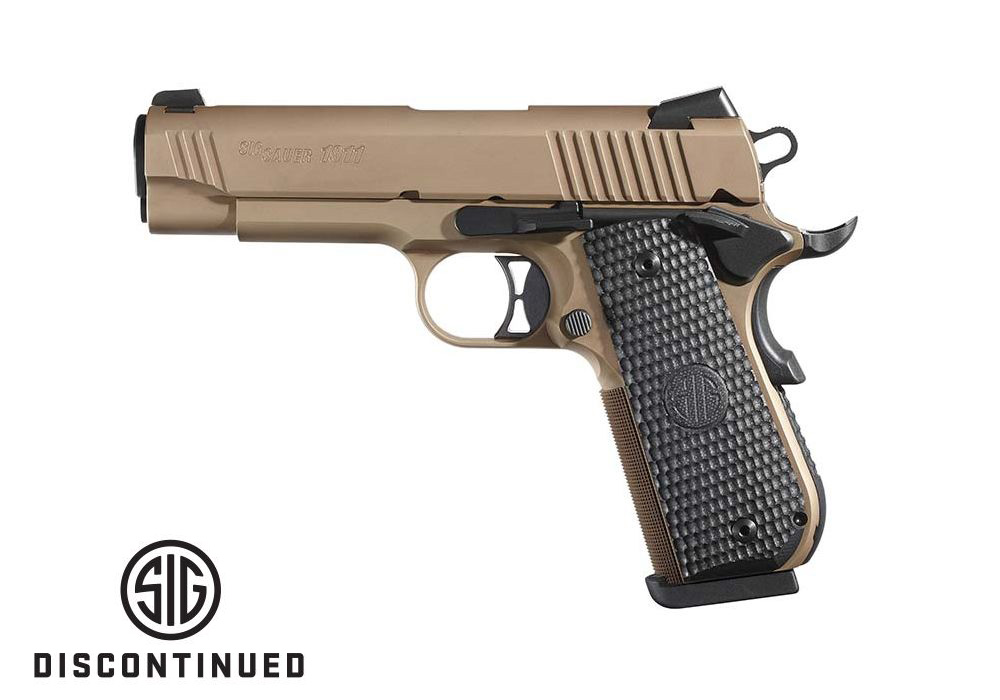


![[["1911, 45 ACP, 4.2IN, X-SERIES, COYOTE, SAO, X-RAY 3, G10 GRIP, (2) 8RD STEEL MAG",", ROMEO X COMPACT"]]](http://www.sigsauer.com/media/catalog/product/1/9/1911xca-cxr-rxx-hero-left.jpg)


