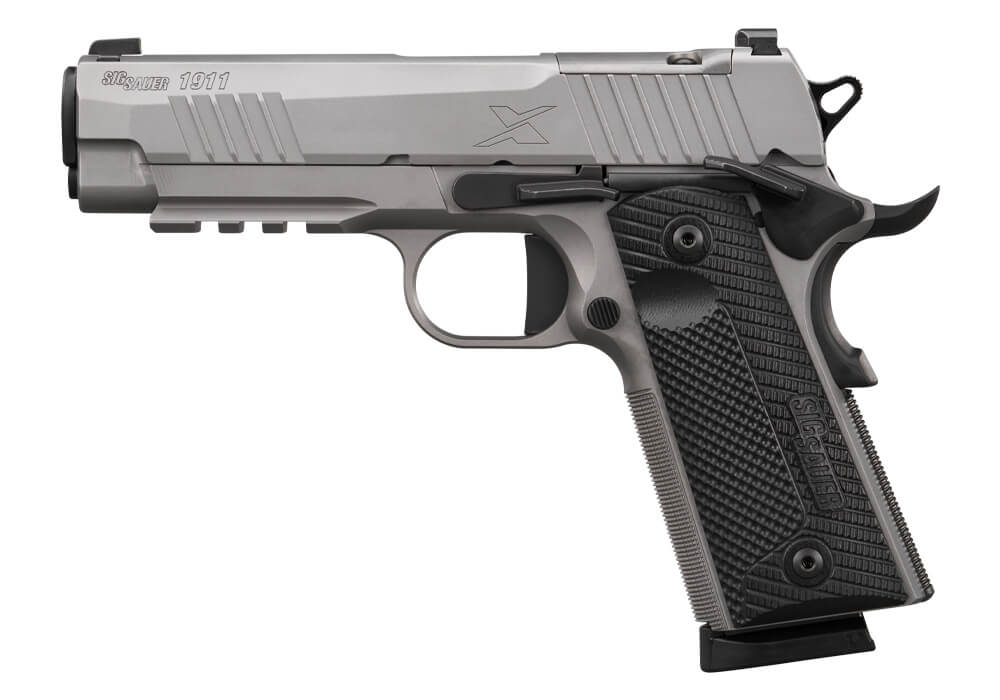
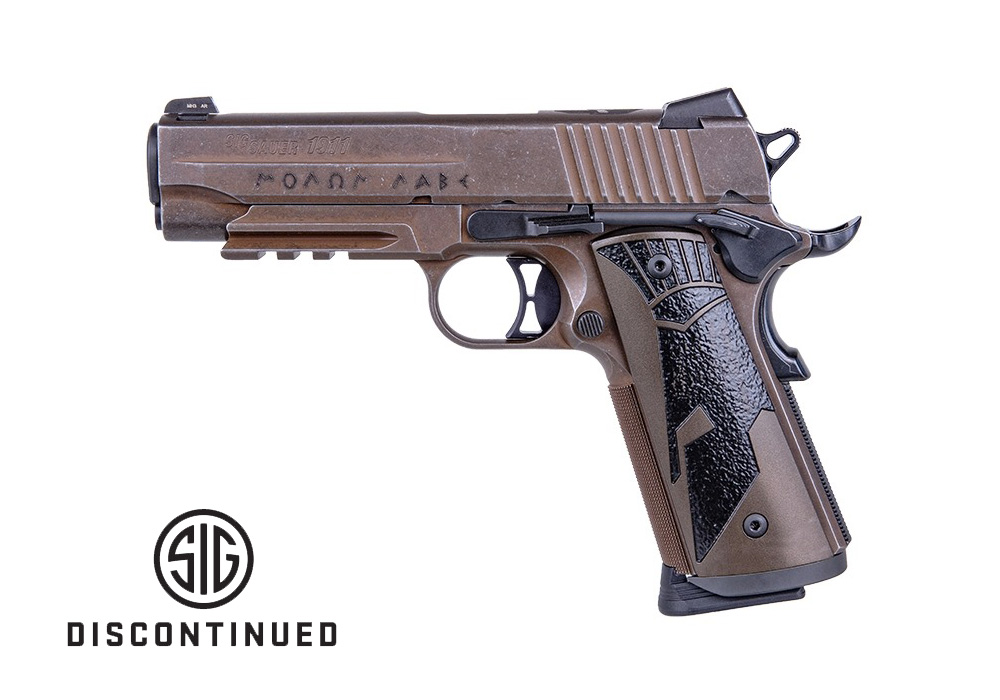
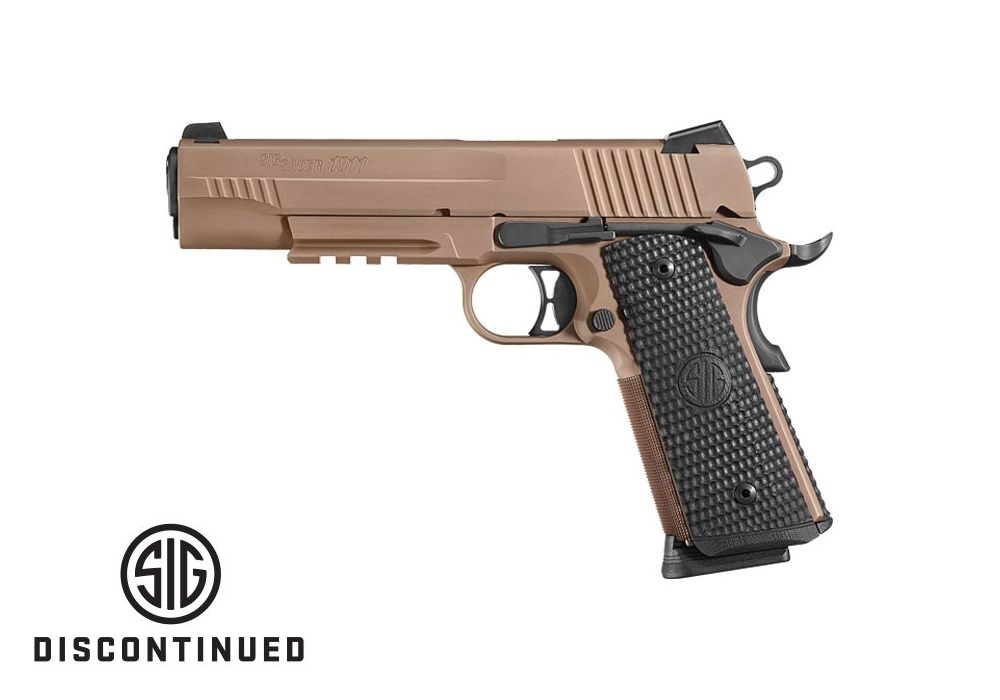
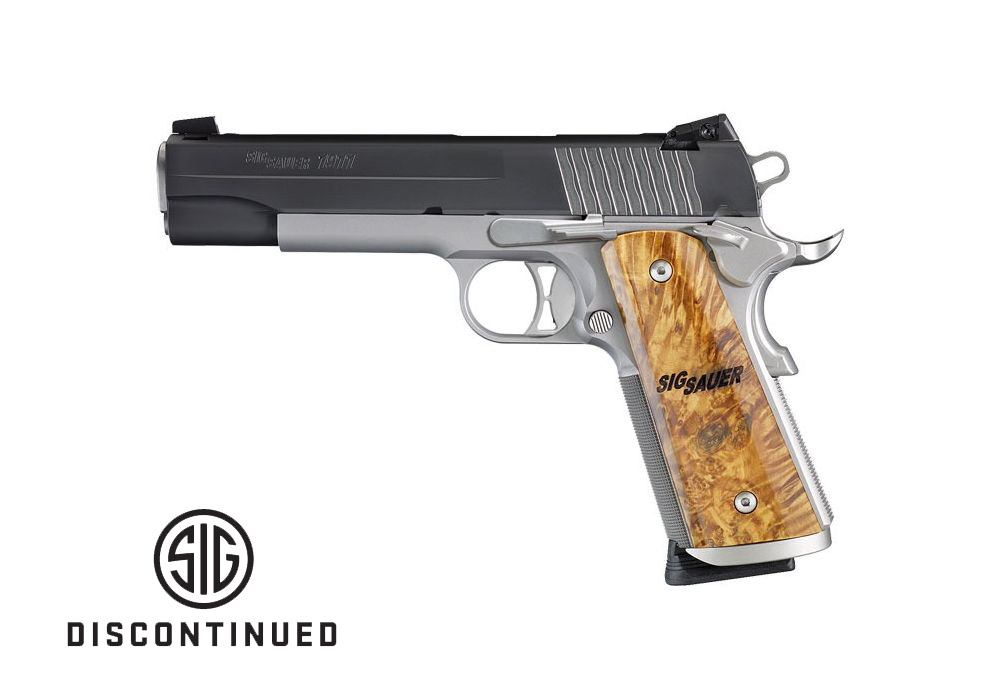
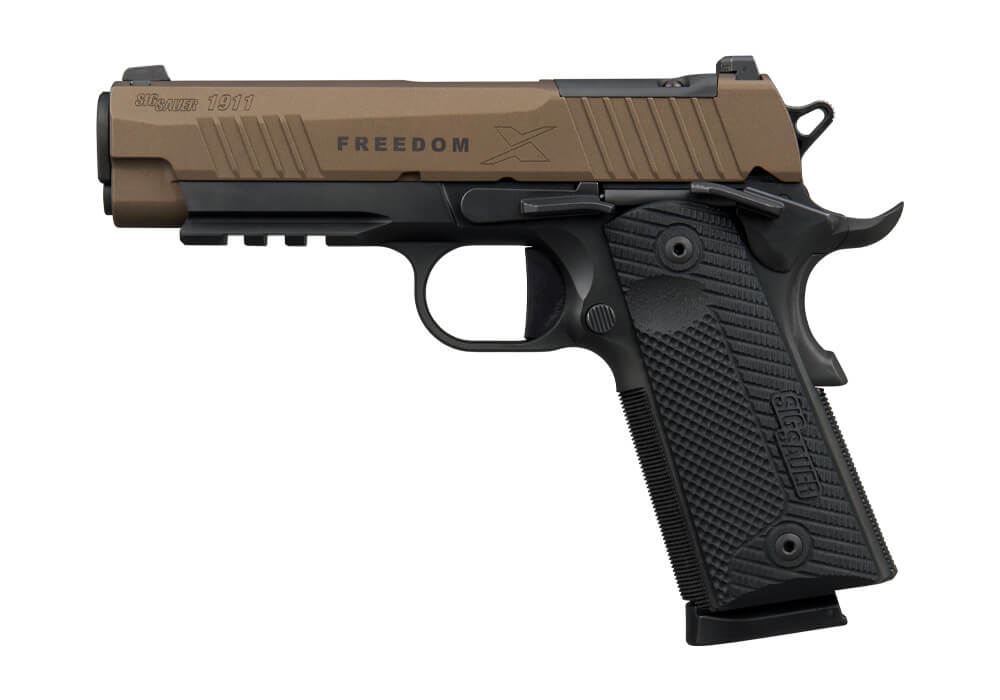
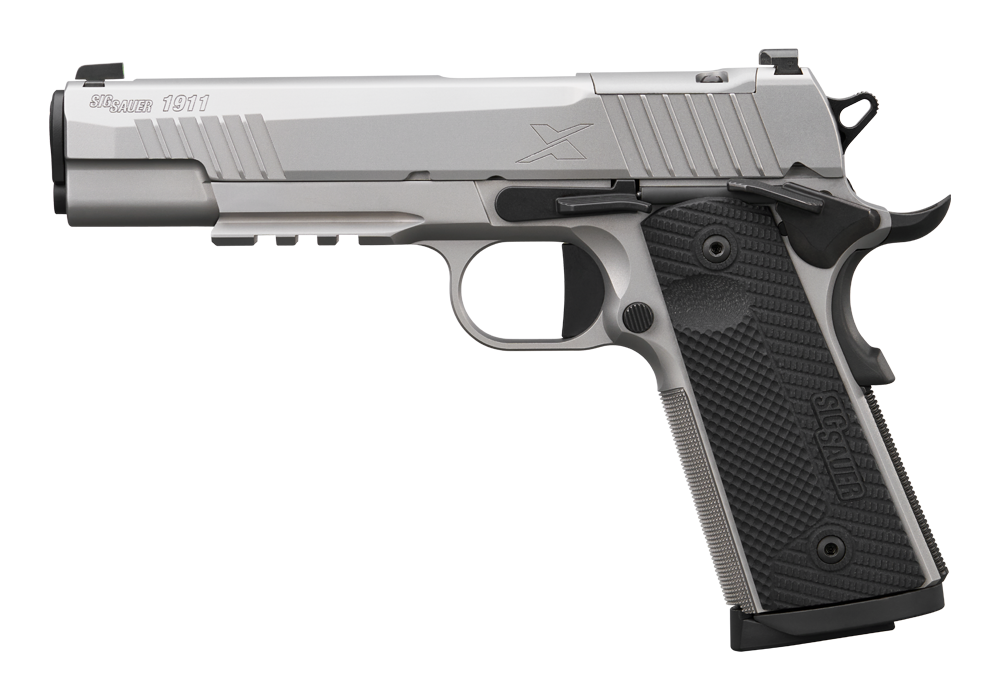
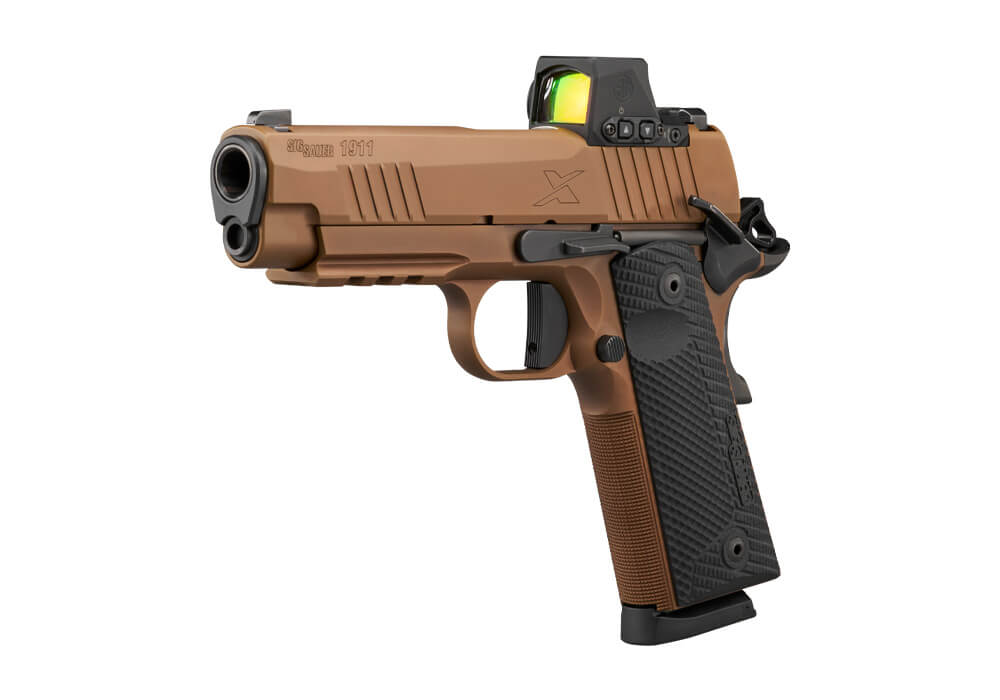
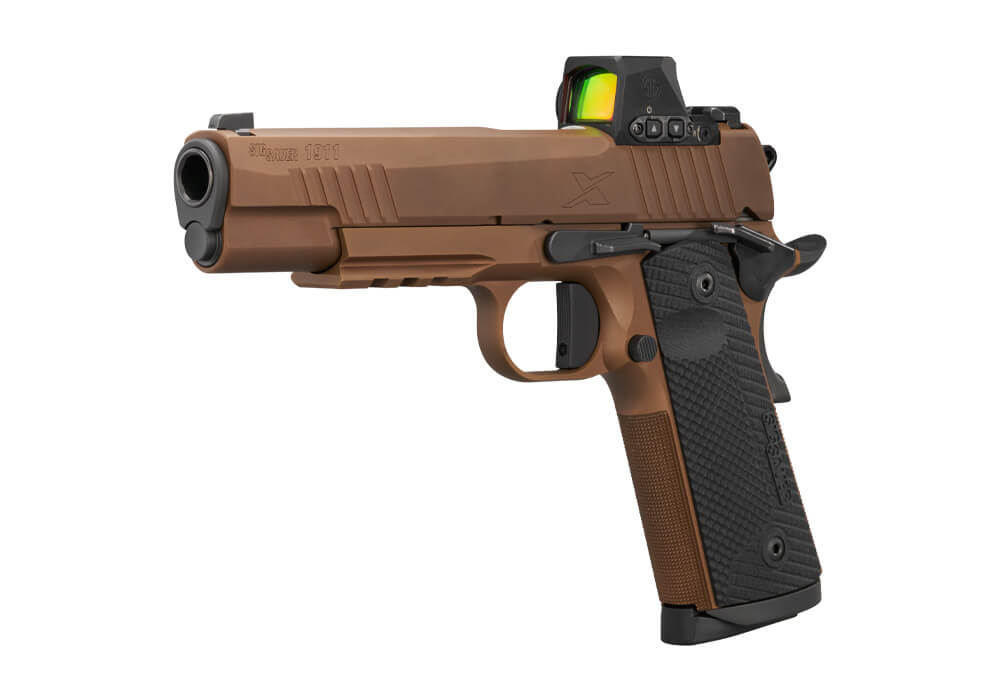
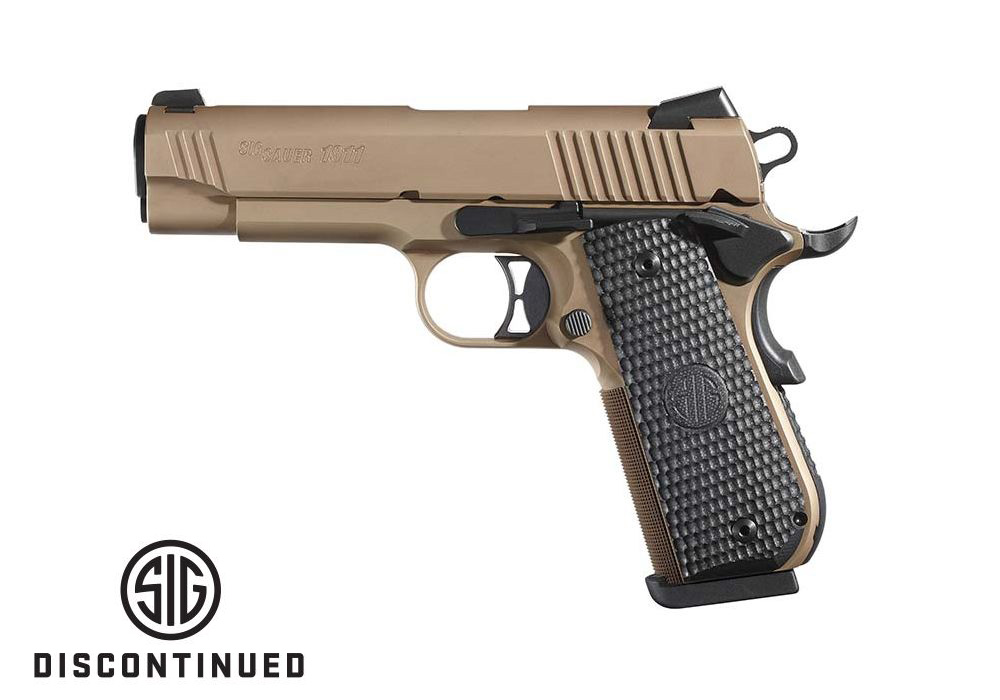
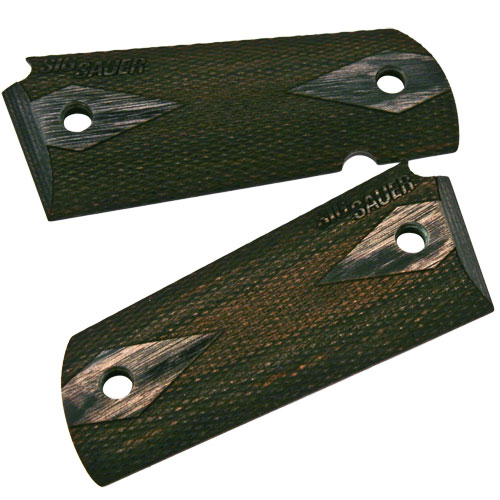
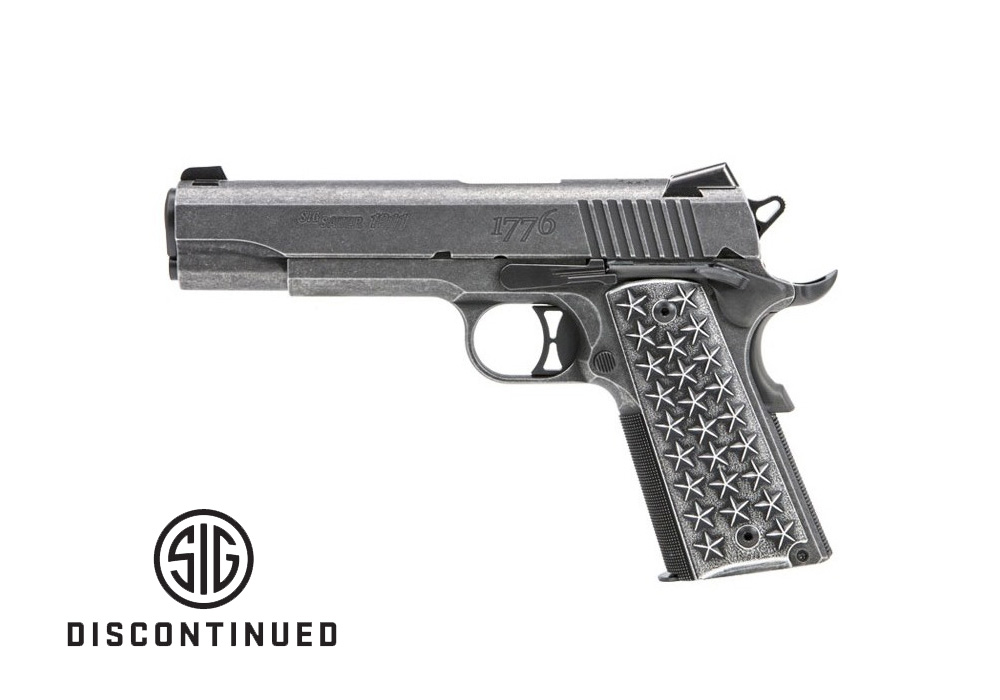
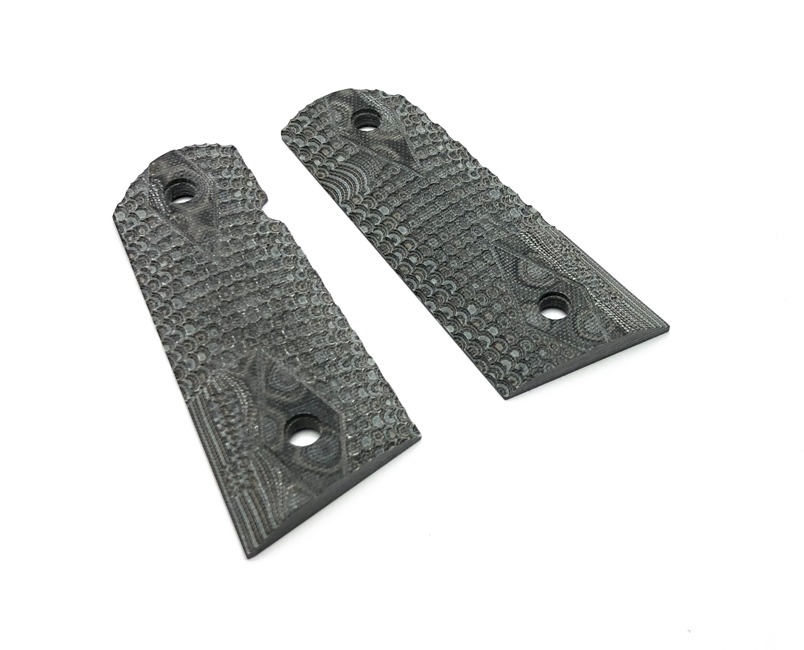
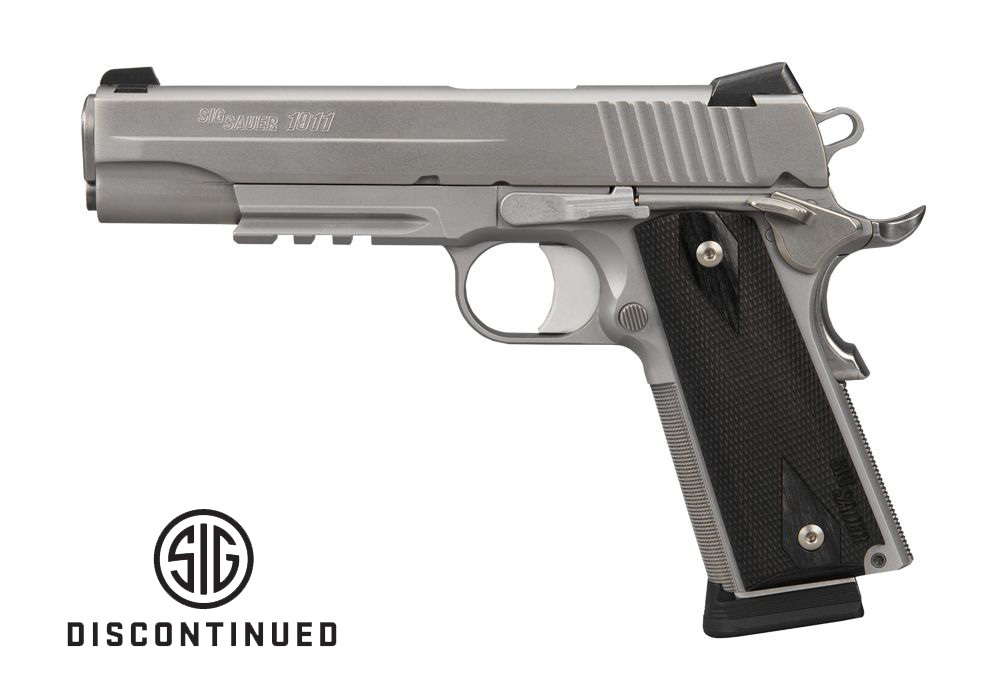
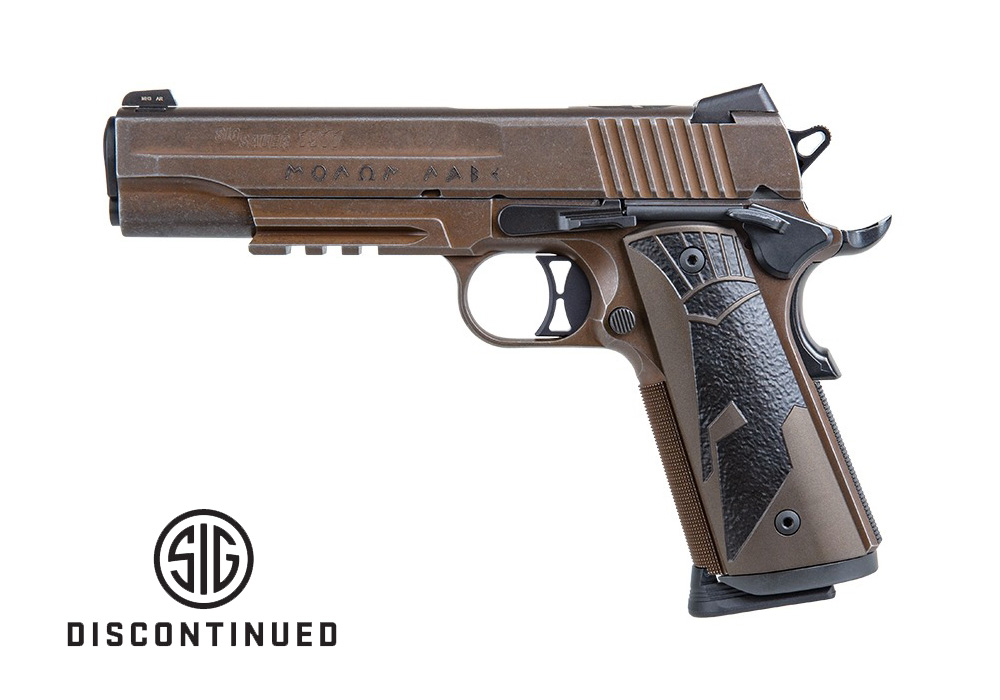
1911 sizes generally fall into three familiar categories: Government, with a 5-inch barrel; Commander, typically with a 4.25-inch barrel; and Officer, traditionally with a 3.5-inch barrel and a shorter grip frame. Those measurements describe barrel length, not the pistol’s overall length, and naming conventions can vary between manufacturers. Some compact 1911 pistols use 3-inch barrels, while other configurations pair a shorter slide with a full-length grip. That distinction matters when shopping: two pistols described as compact may feel quite different in the hand and occupy different amounts of space in a holster or storage case. Government-size 1911 pistols offer the traditional full-size profile, with a long slide, a full grip, and substantial weight in common steel-frame configurations. Commander-size pistols shorten the slide and barrel while usually retaining a full-length grip, giving shoppers a middle ground between the familiar handling of a full-size pistol and a shorter overall package. Officer-size pistols typically reduce both barrel length and grip height, creating a smaller footprint with less room for the shooting hand. These categories are a useful starting point, but the listed dimensions of each firearm tell the fuller story. Overall height, unloaded weight, frame material, grip contour, and controls all influence how a particular size feels. A broad grip can feel substantial even on a short-barreled pistol, while slimmer grip panels can give a full-size frame a noticeably different character. For someone familiar with the platform, those small differences may stand out as soon as the pistol is handled safely at a counter. For a first-time buyer, an in-person fit assessment can make the specifications easier to interpret. The best match is not automatically the smallest or the largest option; it is the size that suits the owner’s hands, intended lawful use, storage arrangements, and willingness to practice regularly.
Full-size 1911 pistols are often appealing to recreational target shooters, enthusiasts who appreciate the platform’s traditional proportions, and owners who value a substantial grip during supervised instruction or routine range sessions. A 5-inch barrel does not guarantee better accuracy on its own. With iron sights, however, the longer distance between the front and rear sights can make small alignment errors easier to recognize. The additional weight of a steel-frame pistol can also influence perceived recoil, although ammunition, grip fit, and the individual shooter all affect the experience. After an unhurried afternoon at an indoor range, comfort in the hand can matter more than a modest difference in listed dimensions. A grip that leaves the little finger searching for support may feel less settled than one that accommodates the whole hand, particularly for someone still building familiarity with the platform. Commander-size 1911 pistols commonly preserve that full-grip feel while reducing slide length, which appeals to shoppers who prefer a shorter pistol without moving to a shortened frame. Officer-size and other compact configurations suit buyers whose priorities include a smaller overall profile, but reduced dimensions bring trade-offs worth understanding before a purchase. Lower weight can make recoil feel more pronounced, and a shorter grip may be less comfortable for larger hands. Smaller is not necessarily simpler for a new shooter, just as larger is not necessarily more comfortable for every experienced owner. Frame material deserves equal attention: a shorter steel-frame pistol may weigh more than a larger pistol with a lightweight frame. Comparing unloaded weights on the same basis helps keep those differences clear. Caliber, sight visibility, trigger reach, and the ease of operating the controls also belong in the decision, rather than treating barrel length as the only meaningful specification. Where available, trying rental firearms of comparable dimensions during professional instruction can help shoppers distinguish between a size that looks appealing in a photograph and one that feels comfortable through a normal practice session.
Choosing among 1911 sizes also means considering the equipment and ownership responsibilities that accompany the firearm. Holster fit depends on more than the general size category: barrel and slide length, frame profile, the presence of an accessory rail, and the holster manufacturer’s compatibility information all matter. A holster should be designed for the relevant configuration, cover the trigger guard, and retain the firearm securely. The selection of 1911 Holsters is a natural place to consider those fit requirements alongside the pistol’s dimensions. For owners who lawfully carry, grip height can be as important as barrel length when evaluating overall bulk, while weight influences comfort over an extended period. Clothing changes during the cooler months may affect how equipment fits, but they do not replace the need for appropriate gear, training, and compliance with applicable laws. Storage deserves the same practical attention. A secure locking container should accommodate the firearm without crowding it, and access should be restricted to authorized adults, with ammunition stored securely according to applicable requirements and household needs. Maintenance requirements can differ between configurations, too. Compact pistols may have different recoil-spring assemblies or service intervals than full-size versions, so the owner’s manual—not assumptions based on appearance—should set expectations. Magazine compatibility also requires care because full-length and shortened grip frames do not necessarily use the same magazines; caliber and the firearm manufacturer’s specifications must match. For collectors, the choice may center on traditional proportions, finish, and the appeal of a particular frame size. For regular range visitors, hand fit, visible sights, and manageable weight may take priority. Firearms are highly personal purchases, so anyone considering one as a gift should first confirm the recipient’s preferences, eligibility, and all applicable transfer requirements, with a licensed retailer’s assistance where appropriate. Across these uses, an informed purchase comes from weighing the complete package: dimensions, construction, compatible equipment, upkeep, and safe ownership. A well-chosen 1911 size should feel like a considered fit for the owner’s routine, not simply a familiar label on a specification sheet.