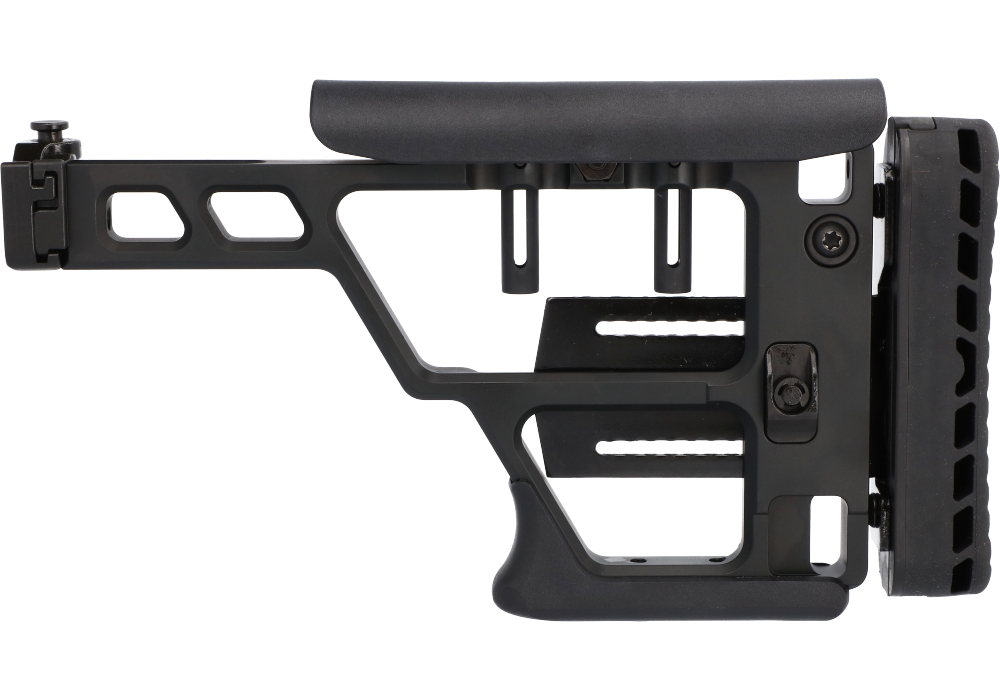
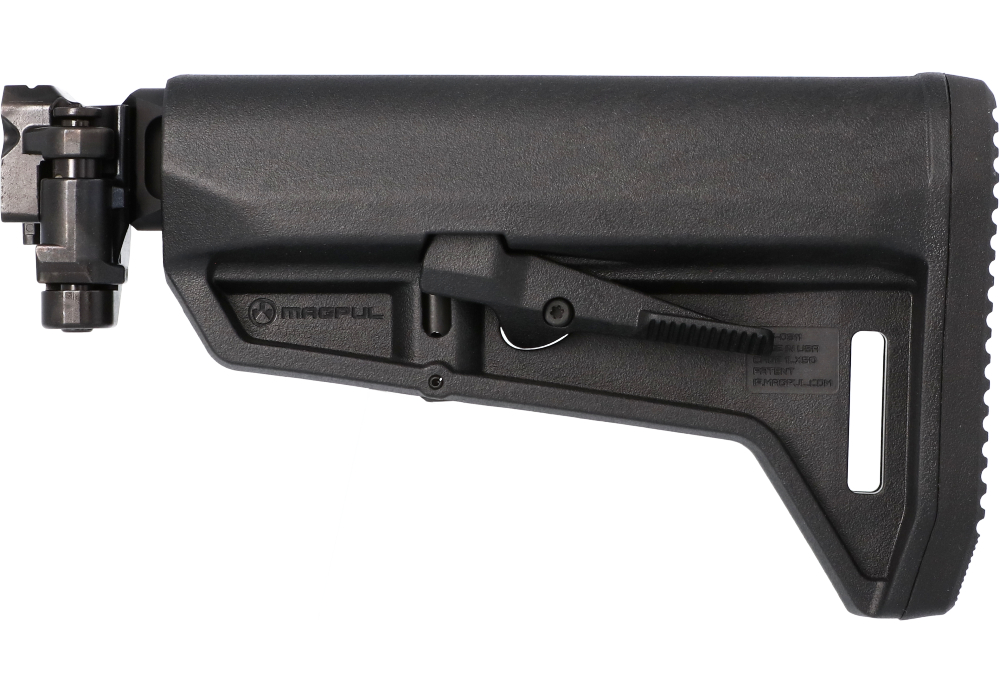
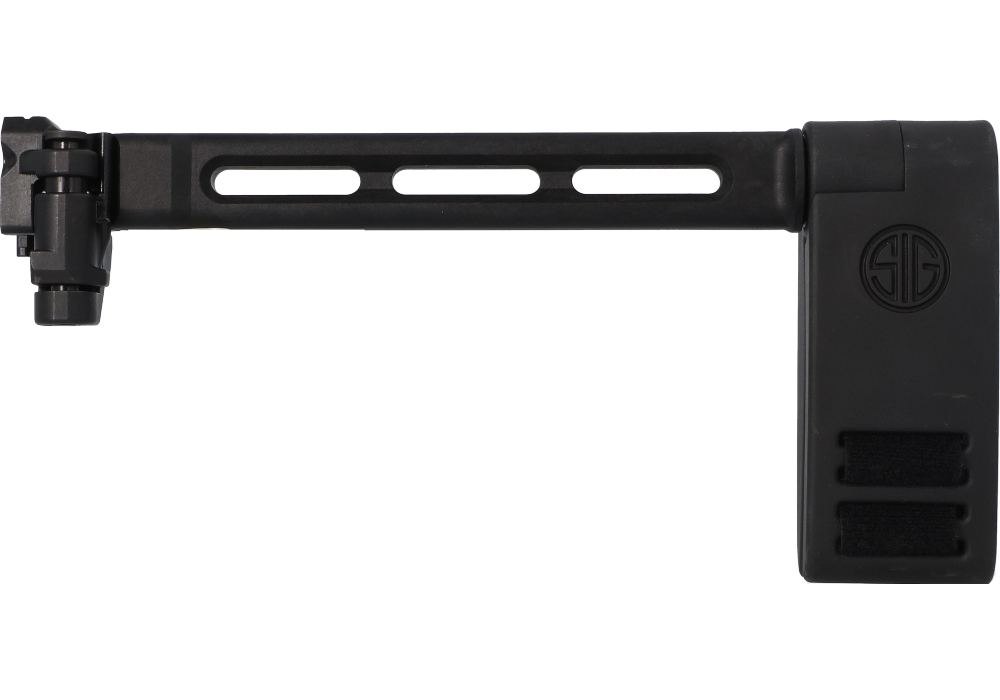
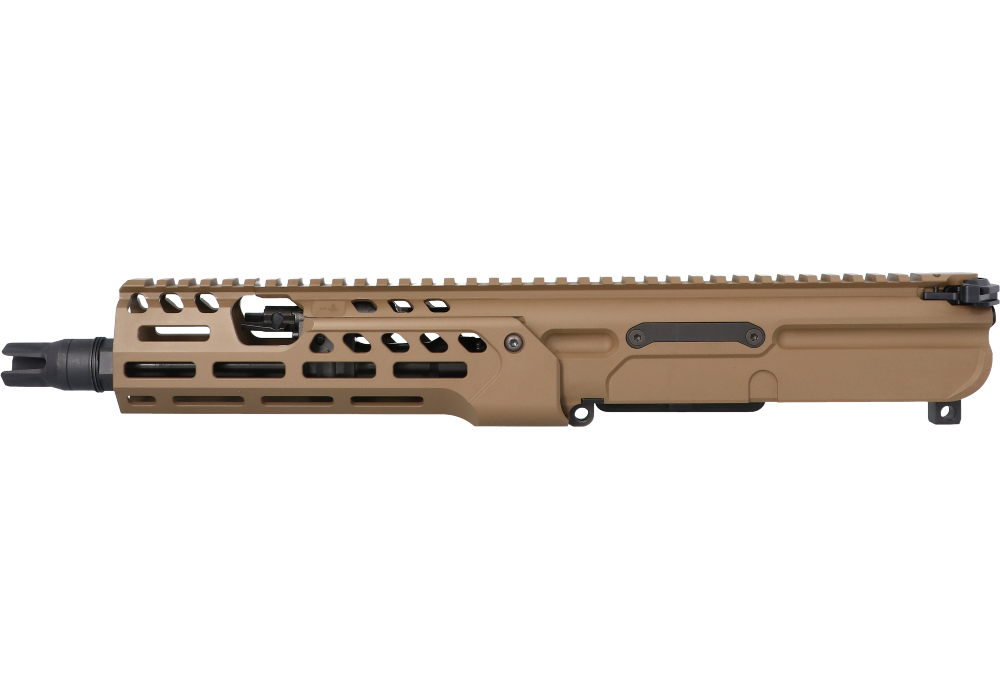
1913 folding stock adapters provide a practical way to connect a compatible side-folding stock or brace to the rear M1913 Picatinny rail of a firearm. Instead of relying on a fixed rear assembly, the adapter uses a rail-mounted interface and hinge mechanism to create a compact folding configuration. When folded, the stock or brace can sit alongside the receiver, making the firearm easier to store in a suitable case, place in a secure vehicle compartment, or carry between a safe and the range. When extended, the assembly returns to a consistent position intended to support a stable shooting stance. These adapters are commonly considered for platforms with a factory 1913 rear rail, as well as compatible firearms that have been fitted with a specialized rear adapter. A proper match depends on more than the appearance of the rail: users should confirm the firearm model, rear interface, stock or brace pattern, hinge direction, attachment hardware, and the manufacturer’s compatibility specifications before ordering. Some configurations fold to one side, while others may permit left- or right-side folding, so clearance around charging handles, controls, optics, sling mounts, and other accessories deserves careful attention. A compact setup can be especially useful for owners who move between a locked storage location, a range bag, and a bench during the cooler months, when extra clothing and equipment already make transport more cumbersome. For a broader selection of compatible configurations, explore Folding Stock Adapters for Shooting Sports.
When selecting a 1913 folding stock adapter, begin with the intended firearm and the exact purpose of the setup. A folding stock adapter is not a universal replacement for every rear attachment system, and a part designed for a standard 1913 Picatinny rail may not fit a receiver with a different pattern, altered dimensions, or an incompatible locking surface. Look for a secure mounting method with properly fitted locking lugs or another clearly specified retention system, then verify that the adapter sits firmly against the rail without excessive movement. The hinge should open and close smoothly while offering positive retention in both the folded and extended positions. A low-profile design may help preserve a clean, balanced appearance, while a more robust construction can be preferable for hard-use range equipment or frequent transport. Materials, finish, fastener quality, and the availability of replacement hardware can all influence long-term satisfaction. It is also important to distinguish between a stock and a brace and to ensure that the selected component is lawful for the intended firearm and configuration. Firearm laws and accessory requirements can vary by jurisdiction and may change, so buyers should review applicable federal, state, and local regulations before purchasing or installing any component. If installation involves removing receiver hardware, fitting an adapter to a converted lower, or checking alignment under recoil, professional installation by a qualified gunsmith is a sensible choice. A careful fit at the workbench can prevent the small frustrations that become obvious later: a hinge that contacts the receiver, a sling that catches on the folded assembly, or a stock that does not lock firmly when the shooter settles behind the firearm.
These accessories can appeal to experienced firearm owners who value a compact, adaptable configuration, including recreational shooters, competition participants, collectors updating a compatible platform, and anyone who regularly transports a firearm in a properly secured case. They may also be considered as a gift for a knowledgeable shooter, but compatibility should be confirmed before purchase; the right-looking adapter may still be unsuitable if the recipient’s firearm uses another rear interface or if the intended stock or brace has a different mounting requirement. A discreet way to choose is to check the firearm’s model designation, photograph the rear rail, and identify the stock or brace already owned before selecting an adapter. At the range, the benefit of a well-matched folding setup is often most apparent in the small moments: the assembly stays compact while moving through a crowded staging area, then locks into place without distracting movement when it is time to establish a position. Folding capability does not replace sound handling practices, a secure case, or a proper storage method, and it should never be treated as a substitute for confirming that the firearm is unloaded and safe before installation or adjustment. Buyers should also inspect the hinge, locking surfaces, and mounting hardware periodically, particularly after repeated folding cycles or extended use. With the correct rail interface, a properly fitted stock or brace, and attention to legal and safety requirements, 1913 folding stock adapters can offer a practical balance of transport convenience, configuration flexibility, and dependable support for compatible firearms.