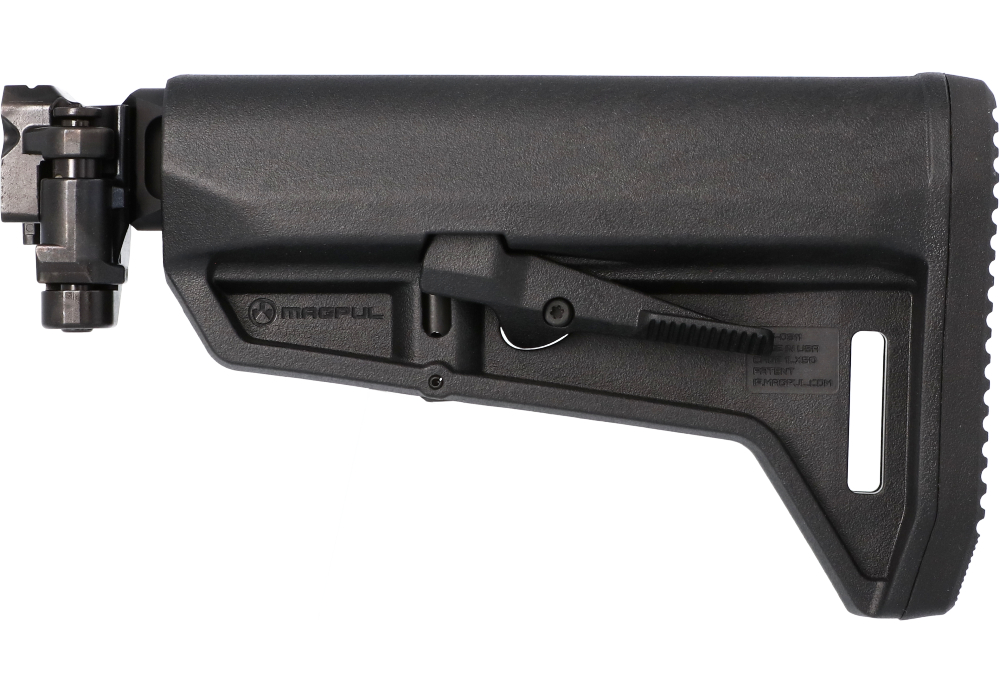
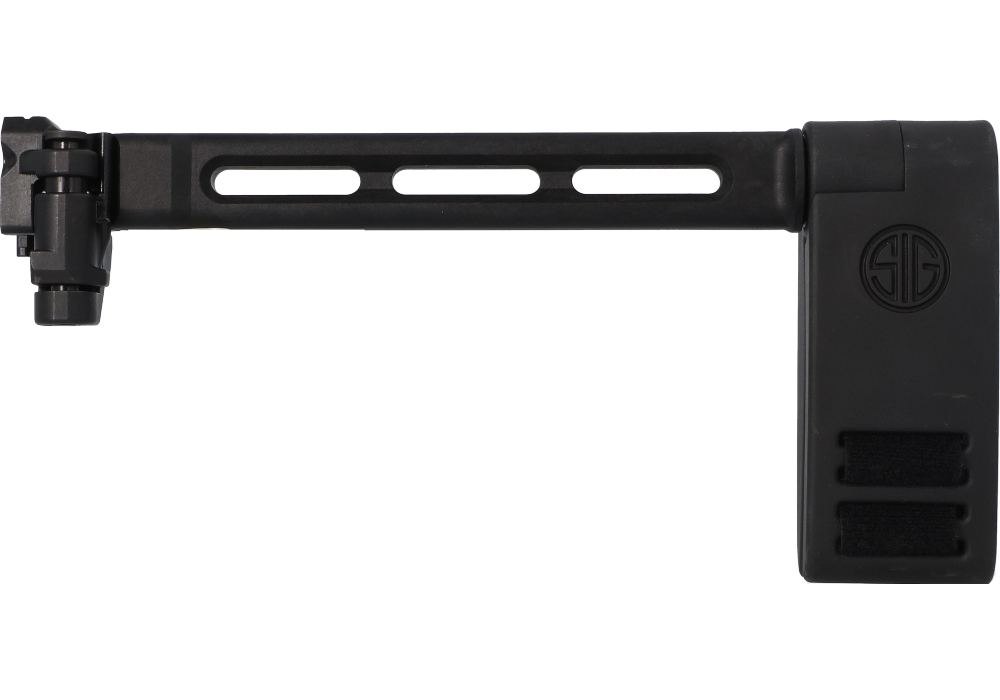
1913 stock assemblies provide a practical way to configure a compatible firearm around a rear 1913 Picatinny rail interface. Instead of relying on a traditional receiver extension or a fixed mounting pattern, these assemblies attach directly to the rail and give the shooter more flexibility when choosing the balance of compactness, adjustability, and shooting comfort. They are commonly selected for platforms with bufferless designs, chassis systems, and other receivers that place a 1913 rail at the rear. Available configurations may include folding stocks, telescoping or collapsible stocks, fixed stocks, and minimalist designs that reduce bulk without giving up a stable shoulder contact point. A folding assembly can be useful when a firearm needs to fit into a case, vehicle compartment, or secure storage space with less overall length. A telescoping design allows the length of pull to be adjusted for different shooters, clothing layers, or shooting positions, while a fixed design offers a straightforward setup with fewer moving parts. The right choice depends on the firearm’s intended use, the shooter’s preferred stance, and how much emphasis is placed on compact storage versus adjustability. During warmer outdoor range days or the cooler months when heavier clothing changes the fit of a firearm, a properly selected stock can make the shooting experience feel noticeably more natural.
Compatibility deserves careful attention before purchasing a 1913 stock assembly. Start by confirming that the firearm or receiver has a true rear 1913 rail interface and that the rail’s dimensions, cross-bolt spacing, and available mounting area match the assembly. Not every accessory rail is intended to support a stock, and a rail that looks similar may not provide the correct fit or structural support. Consider the folding direction as well. A left-folding or right-folding mechanism can affect access to the charging handle, the position of a sling, storage orientation, and how the firearm rests when folded. A locking hinge should close securely and remain stable when the stock is deployed, while the mounting hardware should be checked for proper engagement and tightness according to the manufacturer’s instructions. Shooters who use raised optics may also want to consider cheek support. Some stock assemblies accept an accessory cheek riser, and that additional support can help align the eye with a higher-mounted optic while creating a more consistent cheek weld. The height of the stock, the shape of the shoulder contact surface, and the amount of adjustment available all influence comfort over a long range session. Accessories mounted farther forward, including 1913 Rail Sight Mounts, can also affect overall sight alignment and should be considered as part of the complete setup rather than in isolation. Before installation, unload the firearm, remove the magazine, inspect the chamber, and follow all applicable instructions. If the mounting interface, fasteners, or fitment are unclear, having the work completed or inspected by a qualified gunsmith is a sensible way to protect both the firearm and the shooter.
A 1913 stock assembly may be a thoughtful gift for an experienced firearm owner who already knows the platform and is looking to refine its fit, storage profile, or handling characteristics. It is generally better suited to someone who has identified a specific rear rail interface than to a first-time owner selecting accessories without a confirmed compatibility list. For personal use, these assemblies can help tailor a firearm to a particular shooter’s reach and preferred shooting position. A shorter length of pull may feel more manageable for a smaller-framed shooter, while additional adjustment can accommodate a taller shooter or allow the same firearm to be shared responsibly among trained household members. A folding stock can be convenient for secure transport and compact storage, but it should always be carried and stored in accordance with local law and range rules. A minimalist or skeletonized design may appeal to those who prefer a clean, streamlined appearance, whereas a more substantial stock can offer added contact and support during deliberate shooting. Traditional-looking materials and modern aluminum or polymer construction each bring a different visual character and feel in the hand, making the final selection as much about personal preference as technical specification. Before placing an order, verify the firearm model, rear rail pattern, folding direction, stock type, length-of-pull range, cheek support options, and all applicable legal requirements. With those details confirmed, a properly matched 1913 stock assembly can provide a secure, comfortable foundation for a personalized firearm setup through changing seasons and years of regular use.