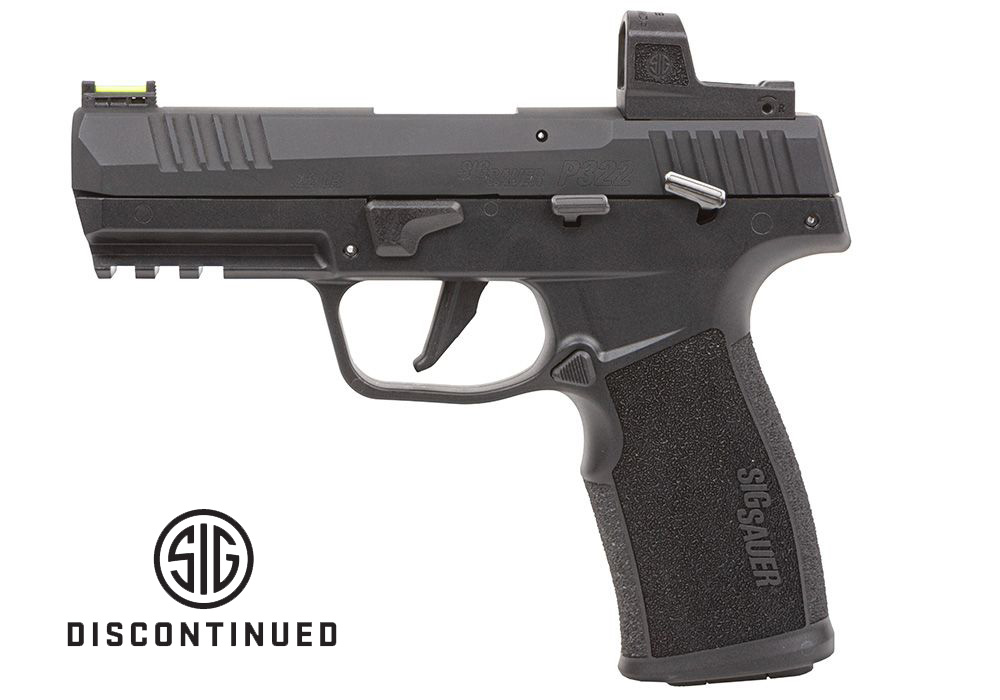
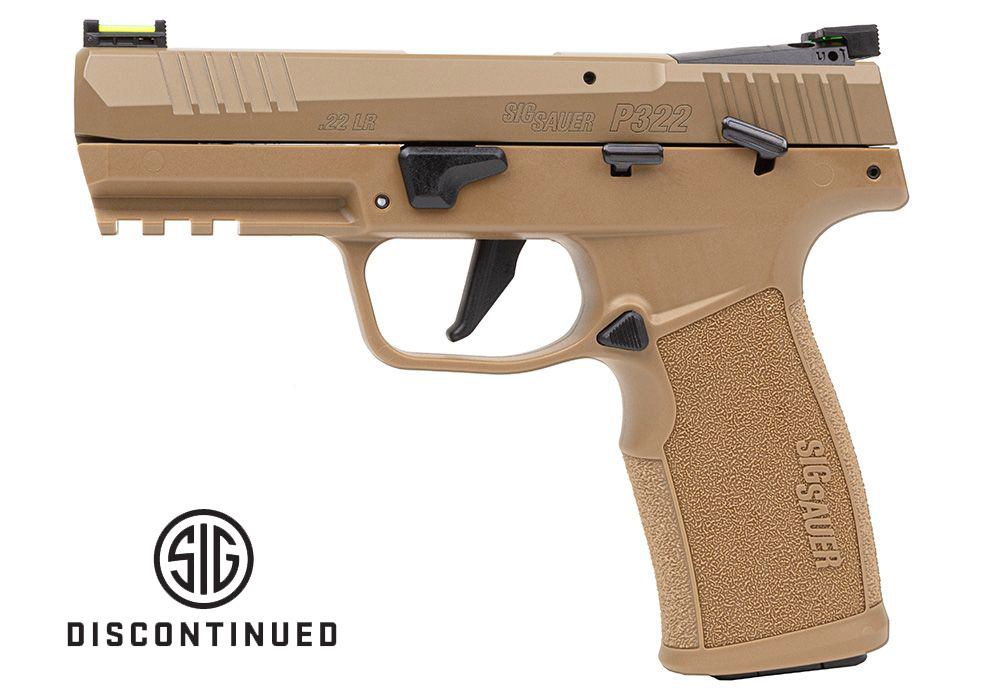
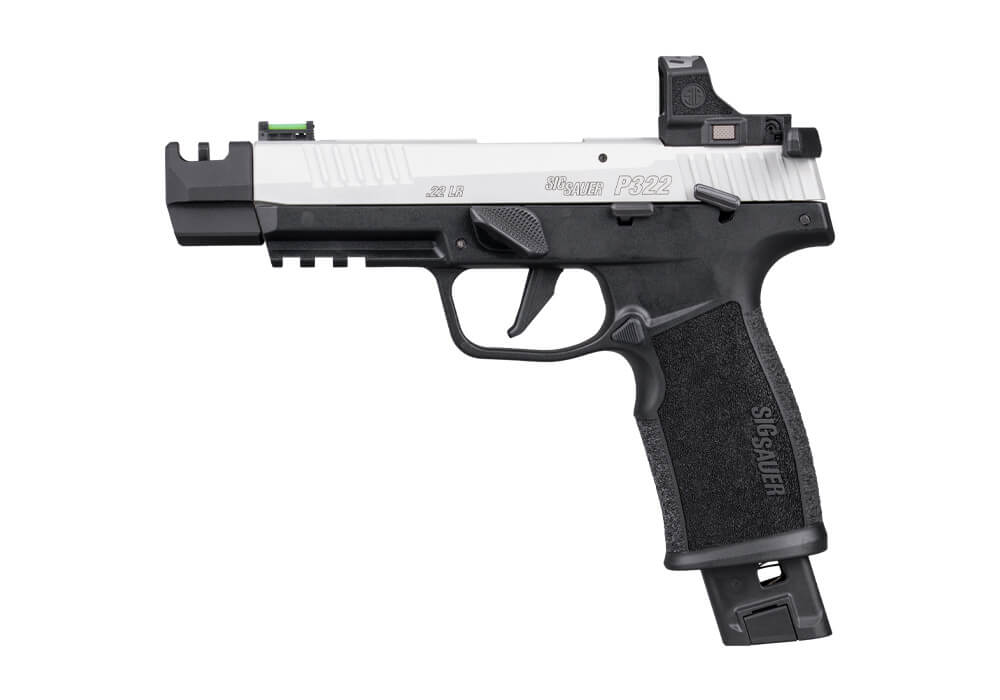
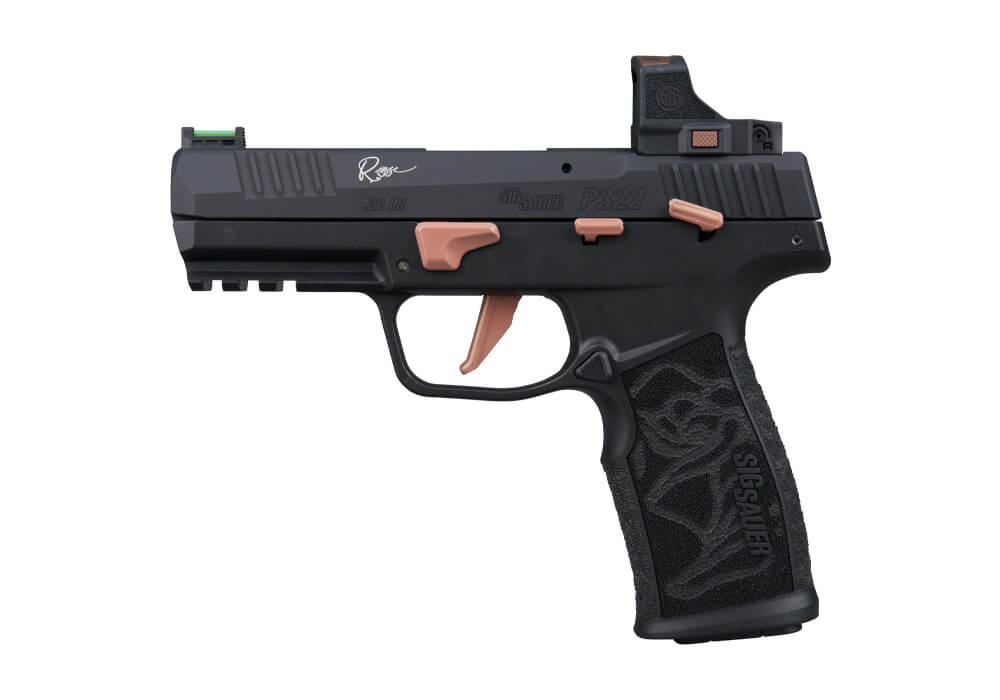
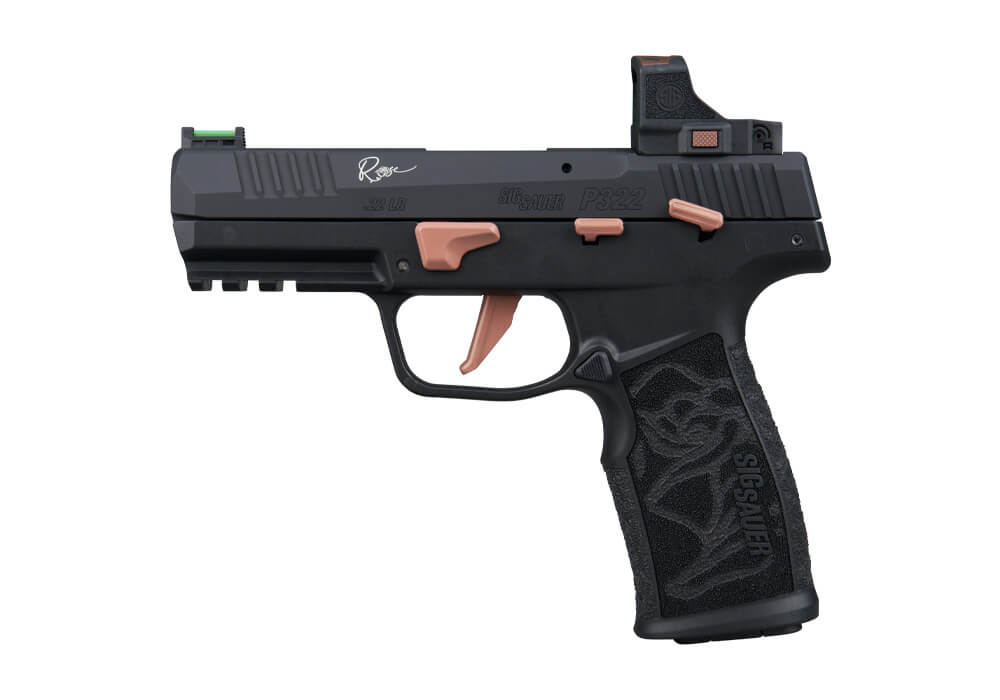
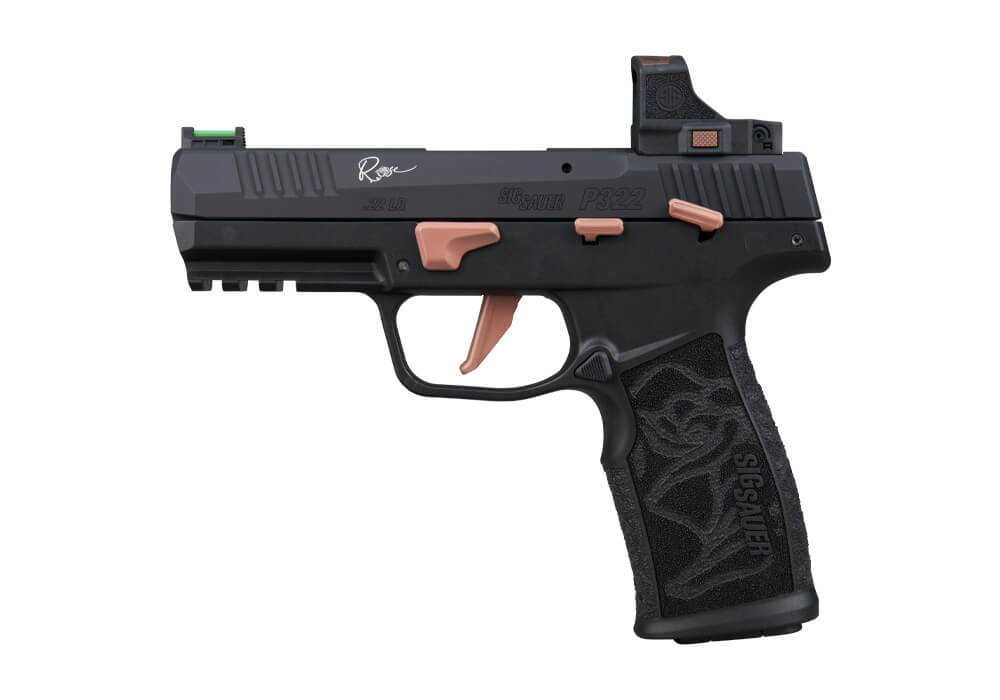
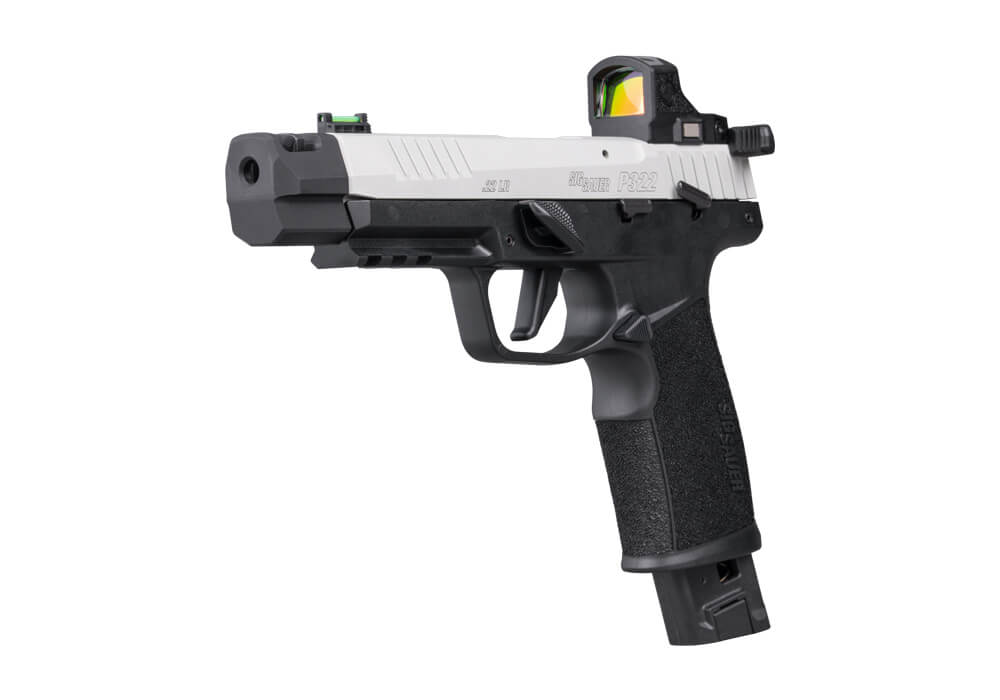
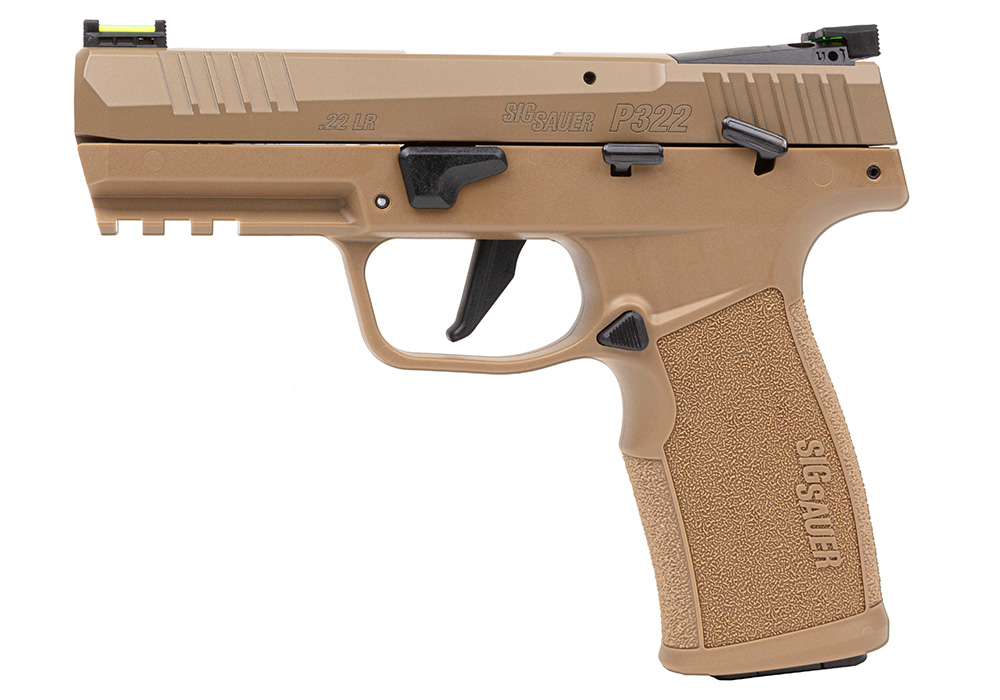
A .22 pistol with precision engineering brings together the approachable character of rimfire shooting and the refined details serious shooters value. These pistols are often selected for target practice, recreational range sessions, introductory training, and disciplined skill development because .22 LR ammunition typically produces mild recoil, modest report, and manageable operating characteristics. Precision-focused designs can feature match-grade barrels, carefully fitted components, refined slides or bolts, and sighting systems built to support a clear relationship between the shooter’s eye, the aiming point, and the point of impact. A well-balanced frame and a comfortable grip can also help reduce fatigue during longer sessions, especially when working through the fundamentals of stance, grip, sight alignment, trigger control, and follow-through. For many shooters, the appeal is found in small details: a trigger that breaks cleanly without excessive movement, a barrel that supports consistent group placement, and controls that are easy to reach without disturbing the firing grip. These characteristics can make a precision .22 pistol useful for a first-time owner learning safe handling under qualified instruction, an experienced shooter refining fundamentals, or a competitor practicing the steady rhythm required for bullseye-style events. During the cooler months, a .22 pistol can also be a practical choice for an indoor range session, where controlled lighting and measured distances provide an excellent setting for evaluating accuracy and handling. As with any firearm, purchasers should review local laws, age requirements, storage rules, transport regulations, and range policies before completing a purchase. A secure locking method, separate storage for ammunition, and a clear safety routine are essential parts of responsible ownership, whether the pistol is used at a formal range, on private property where permitted, or as part of a structured training plan.
When comparing .22 pistols with precision engineering, start with the features that most closely match the intended use. A target-oriented shooter may appreciate a heavier bull barrel or another rigid barrel profile that helps steady the pistol and maintain sight-to-barrel alignment. A longer sight radius can make small alignment errors easier to identify, while adjustable target sights allow the point of impact to be tuned for a particular load, distance, or lighting condition. Some models include an optics-ready cut for a compatible reflex sight, giving shooters another aiming option while preserving the value of traditional iron sights for practice. Trigger design deserves close attention as well. A short, predictable take-up, a crisp break, and minimal overtravel can help a shooter press the trigger without shifting the sights. The best setup remains the one that feels natural in the hand and supports repeatable technique, rather than the one with the longest list of features. Consider frame dimensions, grip texture, control placement, overall balance, barrel length, sight configuration, and magazine size. A slimmer profile may suit smaller hands or those who prefer a lighter range companion, while a more substantial frame can provide steadiness during slow-fire work. Shooters planning to use a suppressor should confirm that the pistol supports the required threaded barrel and that the chosen sights or optic provide a suitable sight picture. Ammunition selection matters too: .22 LR loads can vary in bullet weight, velocity, cleanliness, and reliability across platforms, so testing several reputable options at the range is a sensible way to identify a dependable match for a particular pistol. Keep a simple record of ammunition type, group size, maintenance intervals, and sight adjustments; over time, those notes can reveal which combination delivers the most consistent results. Shooters who value a smaller profile but still want clear, refined sighting features may also wish to explore Compact Pistols With Precision Sights as another category to compare.
A precision-engineered .22 pistol can be a thoughtful gift for a responsible adult who already participates in supervised shooting sports, enjoys structured practice, or has expressed interest in target competition. It is best presented alongside the practical essentials that support safe ownership: quality eye and ear protection, a secure locking case, suitable cleaning supplies, approved ammunition, and access to instruction from a qualified professional. A gift recipient may use the pistol to build confidence with fundamentals before moving to another rimfire or centerfire platform, to maintain skills between competitions, or simply to enjoy the satisfaction of placing repeated shots into a carefully measured group. For experienced shooters, a precision .22 can serve as a low-recoil training tool that makes small technique errors easier to see. A shot that lands outside the intended group can prompt a review of grip pressure, trigger movement, breathing, or follow-through without the sharper recoil associated with more powerful cartridges. Reliability should remain central to the decision. Look for positive controls, durable finishes, accessible maintenance points, and a design with a reputation for consistent cycling when paired with suitable ammunition. Cleaning requirements and ease of disassembly are also worth considering, particularly for owners who expect frequent practice. Before each session, inspect the pistol according to the manufacturer’s instructions, confirm that the bore and chamber are clear, and verify that all participants understand the four fundamental rules of firearm safety. Keep the muzzle pointed in a safe direction, treat every firearm as loaded, keep the finger outside the trigger guard until ready to fire, and know the target and what lies beyond it. With careful selection, responsible storage, and regular practice in an appropriate setting, .22 pistols with precision engineering can offer a rewarding combination of control, accuracy, and long-term training value.