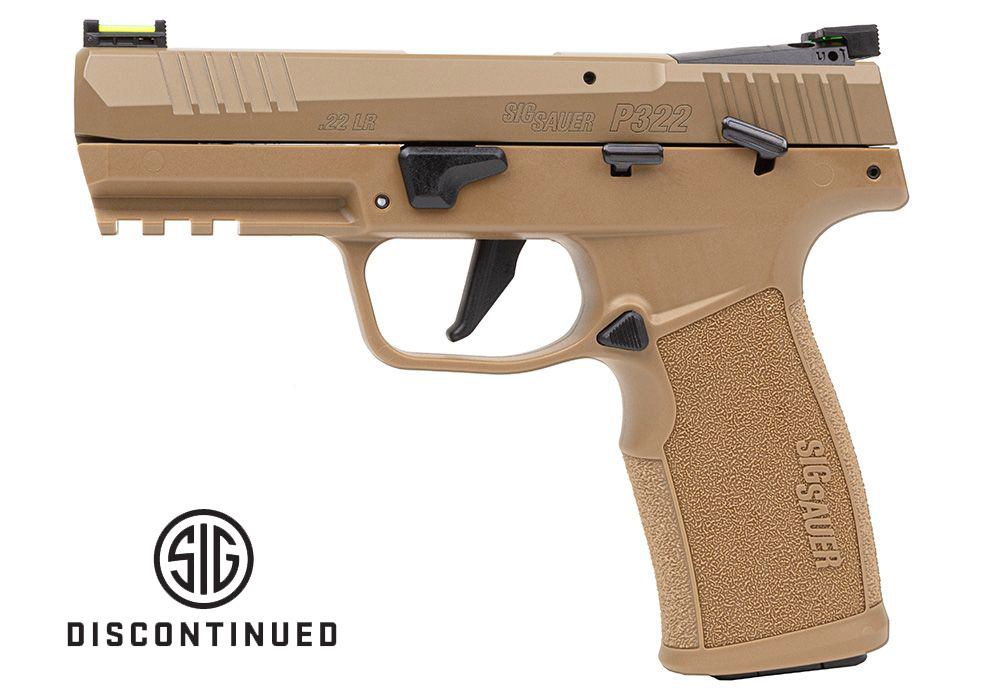
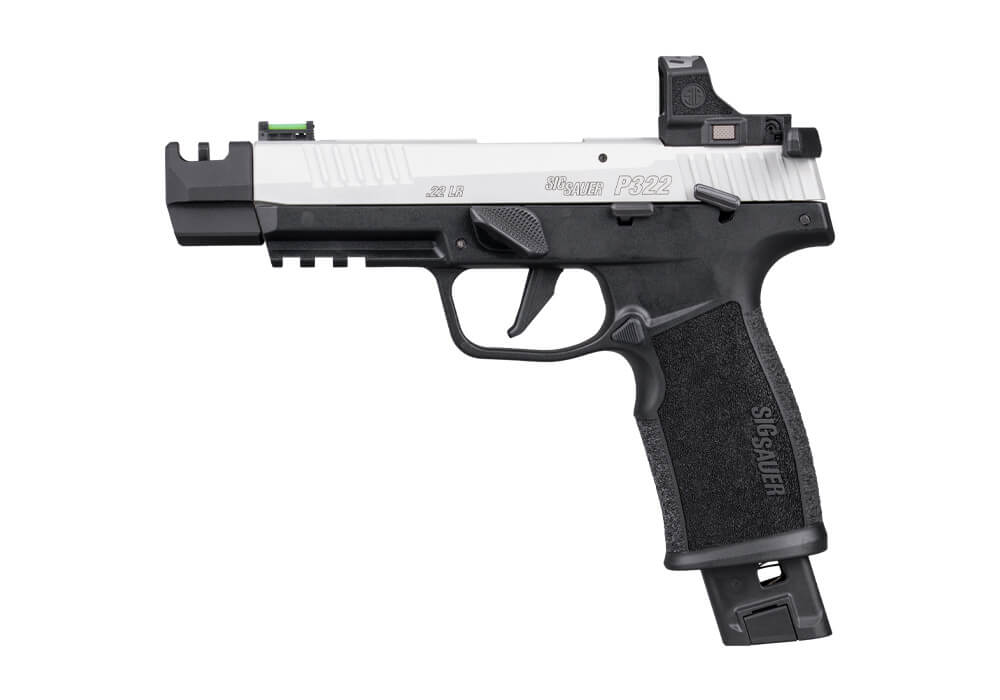
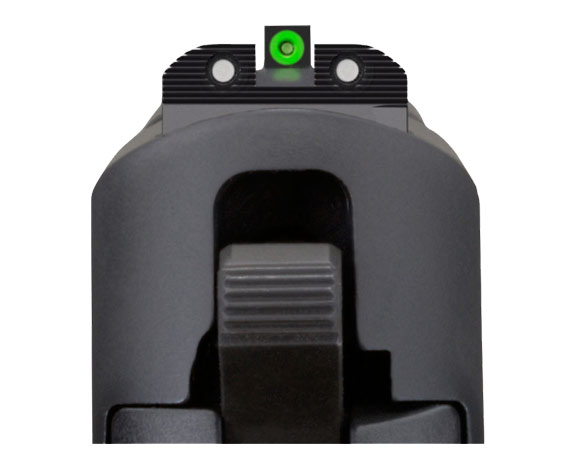
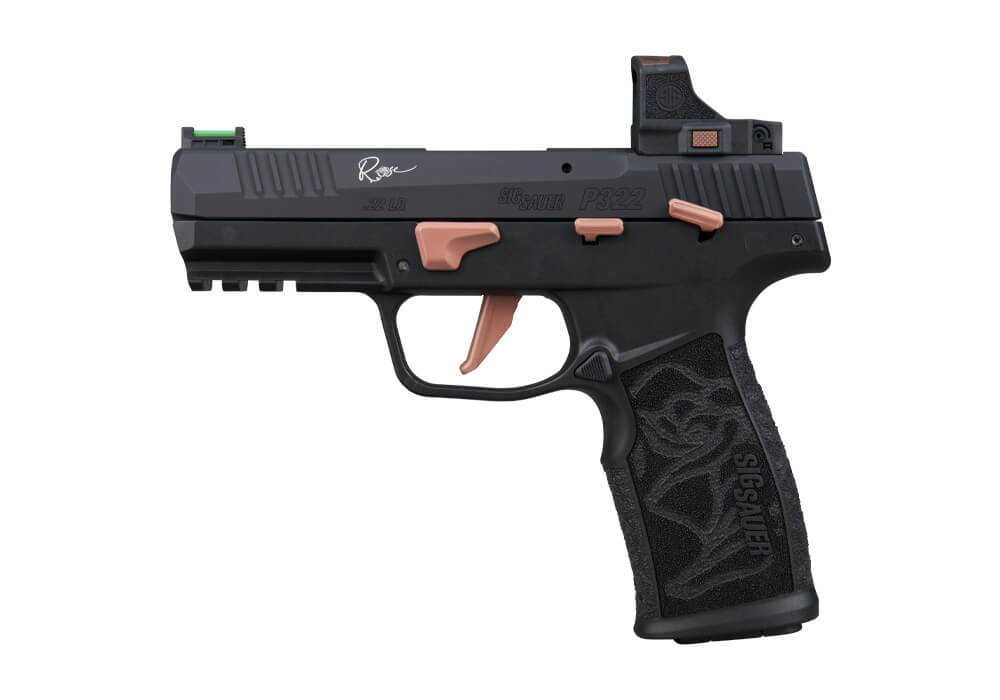
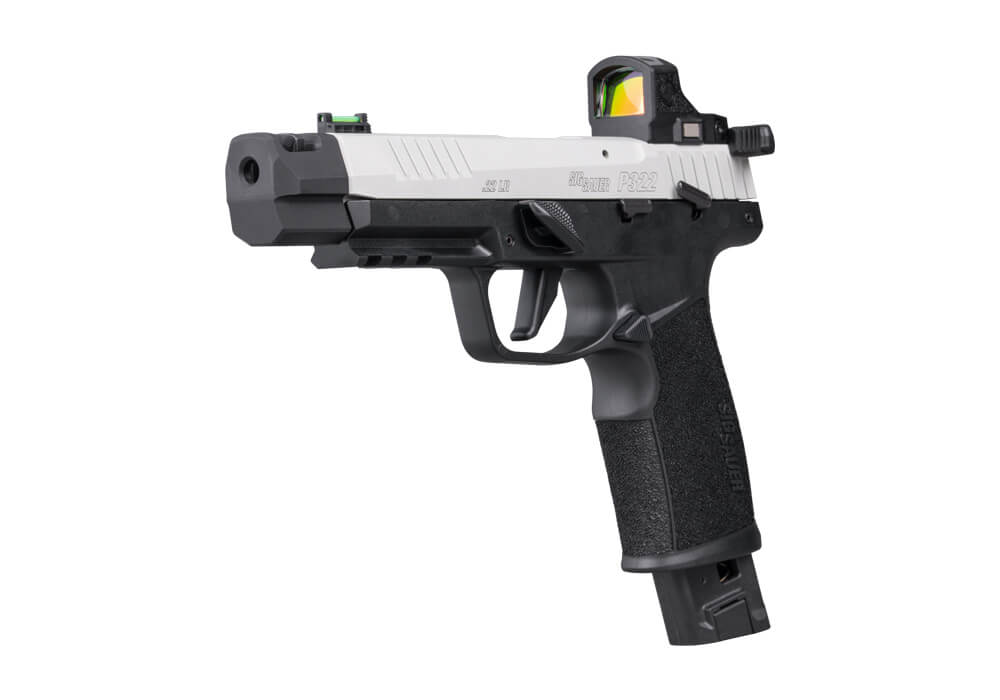
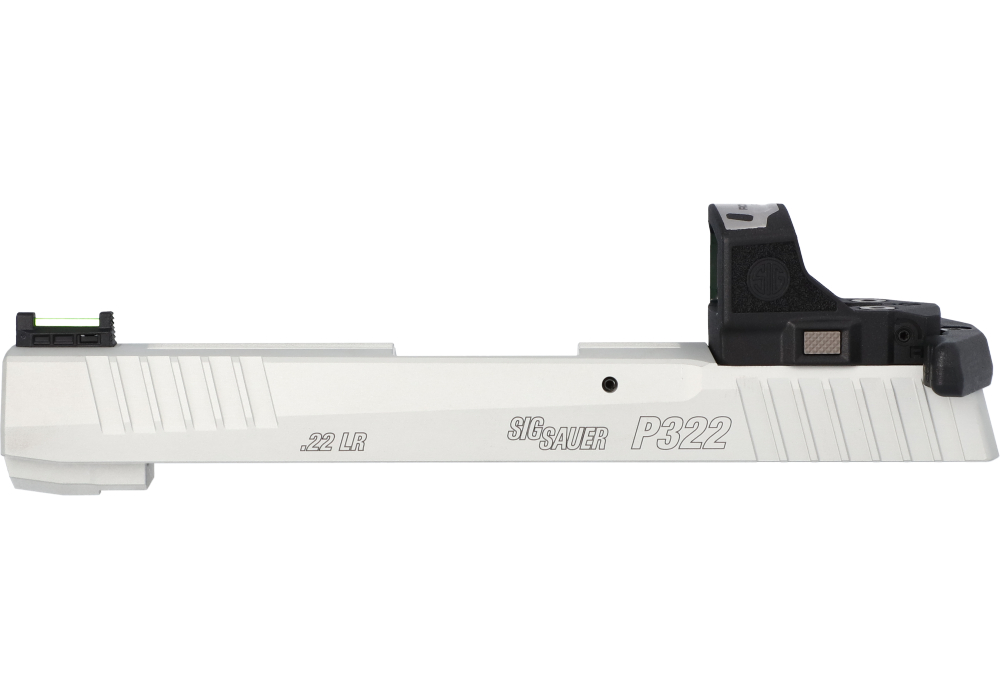
.22 LR pistols with high visibility sights pair a familiar rimfire cartridge with sighting systems designed to stand out clearly against a target. Their appeal is straightforward: a distinctive front sight can be easier to locate and distinguish from the rear sight, especially when a dark sight blade blends into a black paper bull’s-eye. For recreational target shooting, supervised introductory instruction, and organized rimfire competition, that visual contrast can make the sight picture feel less cluttered. The .22 Long Rifle cartridge typically produces relatively mild recoil in a pistol, which many new and experienced shooters appreciate during range practice. High visibility sights complement that approachable character without replacing sound handling habits or qualified instruction. Common configurations include fiber-optic inserts, painted dots, and contrasting front and rear sight colors. Fiber-optic sights gather surrounding light to create a bright reference point; they do not generate their own illumination, and their apparent brightness depends on the light reaching the insert. A brightly lit shooting bench and a shaded indoor lane can therefore produce noticeably different results. Painted markings offer contrast rather than illumination, while luminous or self-illuminating systems have different properties that should be confirmed in the individual specifications. The best visual match is personal: a bright front reference paired with a plain rear notch may look clean to one shooter, while another finds contrasting dots easier to distinguish. Color perception, prescription lenses, and the target background all influence that preference. High visibility also does not automatically mean a larger sight. Some configurations retain a fine aiming reference for small paper targets, while others use a more prominent front element. Within this category, the meaningful distinction is how clearly the sights present themselves to the individual shooter, not simply how bright they appear in a close-up photograph. Product descriptions that identify the sight material, color, rear-sight configuration, and adjustment features provide more useful context than a broad visibility claim alone.
Fit and construction deserve the same attention as sight contrast when comparing rimfire pistols. A grip should feel secure without requiring an awkward stretch to reach the controls, and its shape matters as much as its stated dimensions. A narrow grip with pronounced texturing can feel quite different from a fuller grip with smoother panels, even when both pistols occupy a similar footprint. Shooters with smaller hands may appreciate a shorter trigger reach, while others prefer additional grip surface and a little more overall weight. Neither preference is universal, and an unloaded, supervised fit evaluation at a qualified retailer can reveal details that photographs cannot. Frame and slide materials also affect the experience. Polymer frames can help keep weight manageable, aluminum components can balance weight and rigidity, and steel components contribute strength and may add heft. Material alone does not establish durability; design, surface treatment, assembly quality, and routine care all matter. Barrel length and overall dimensions influence balance and handling, while the distance between the front and rear sights affects how their alignment appears to the eye. A longer pistol is not automatically the better fit, particularly for someone who finds its forward weight tiring during a range session. Sight construction brings another set of practical distinctions. Protective housings around fiber-optic inserts can help shield those components from everyday bumps, while securely fitted metal sight bodies provide a sturdy foundation. Fixed sights offer simplicity, whereas adjustable rear sights allow changes in alignment to accommodate ammunition and an individual point of impact, following the manufacturer’s instructions. Adjustment features vary, so elevation and windage adjustment should not be assumed from appearance alone. Some pistols also support an optical sight, but that is a separate feature from high visibility iron sights. Mounting compatibility, required hardware, and whether the original sights remain usable with an optic depend on the particular design. For a shopper focused on a clear, uncomplicated sight picture, well-defined factory sights may be more relevant than additional mounting options.
Intended use helps bring those details into focus. A recreational shooter spending an afternoon with paper targets may value comfortable balance, straightforward controls, and sights that remain easy to distinguish across different target designs. Someone attending a beginner class may prioritize manageable dimensions and a grip that supports consistent, comfortable handling under an instructor’s supervision. An experienced shooter adding a rimfire pistol for regular practice may look for a familiar control layout, although similarities in appearance do not guarantee identical operation. Organized target events can introduce equipment requirements, making the event’s rules relevant before choosing a sight configuration or pistol format. Shoppers comparing a smaller footprint across other handgun categories can also explore Compact Pistols With High Visibility Sights, while keeping cartridge, operating system, and intended use separate from size alone. For any rimfire pistol, long-term satisfaction depends partly on sensible care. .22 LR ammunition can leave residue around the action and chamber, and maintenance needs vary with the pistol and ammunition used. The owner’s manual should govern cleaning intervals, approved products, lubrication, and any disassembly. Sight inserts and painted markings warrant particular care because harsh chemicals or abrasive cleaning methods can affect some materials. A clear sight reference is easier to preserve when cleaning products are compatible with its finish and construction. Before handling or maintenance, confirm that the firearm is unloaded and keep ammunition separate from the work area. Protective storage helps prevent contact damage to sights and finishes, while secure, locked storage restricts unauthorized access. At the range, suitable eye and hearing protection remain necessary even with a mild-recoiling rimfire cartridge. Ammunition compatibility also matters: use only the cartridge designation specified for the firearm, rather than treating different rimfire cartridges as interchangeable. A well-suited .22 LR pistol combines readable sights, comfortable proportions, dependable construction, and maintenance requirements the owner understands. Those qualities support a satisfying target-shooting experience without relying on conspicuous styling or an extensive feature list.
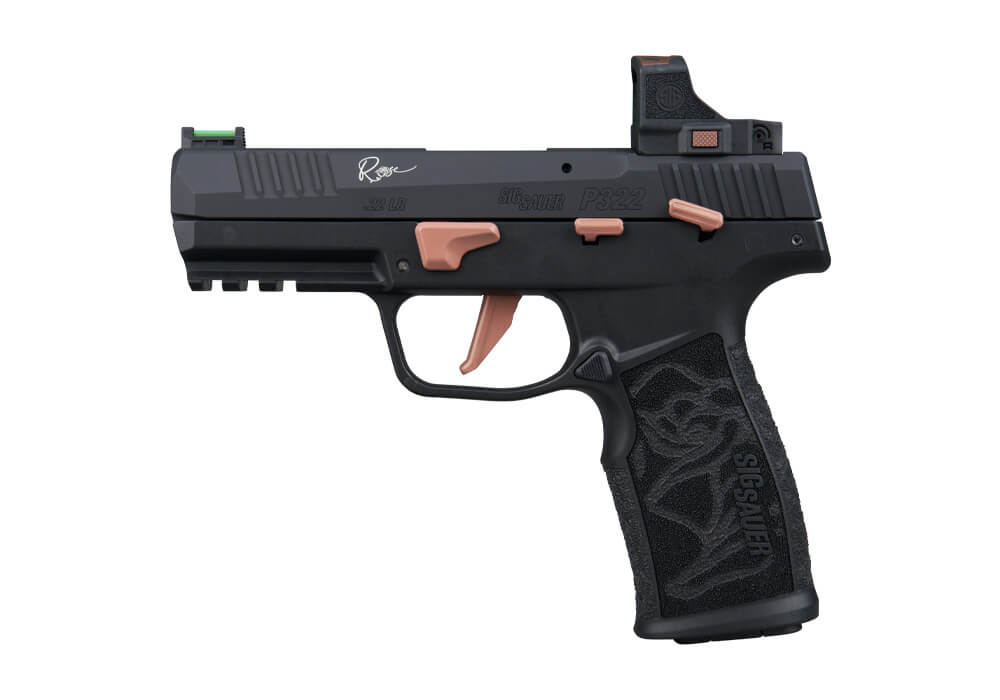
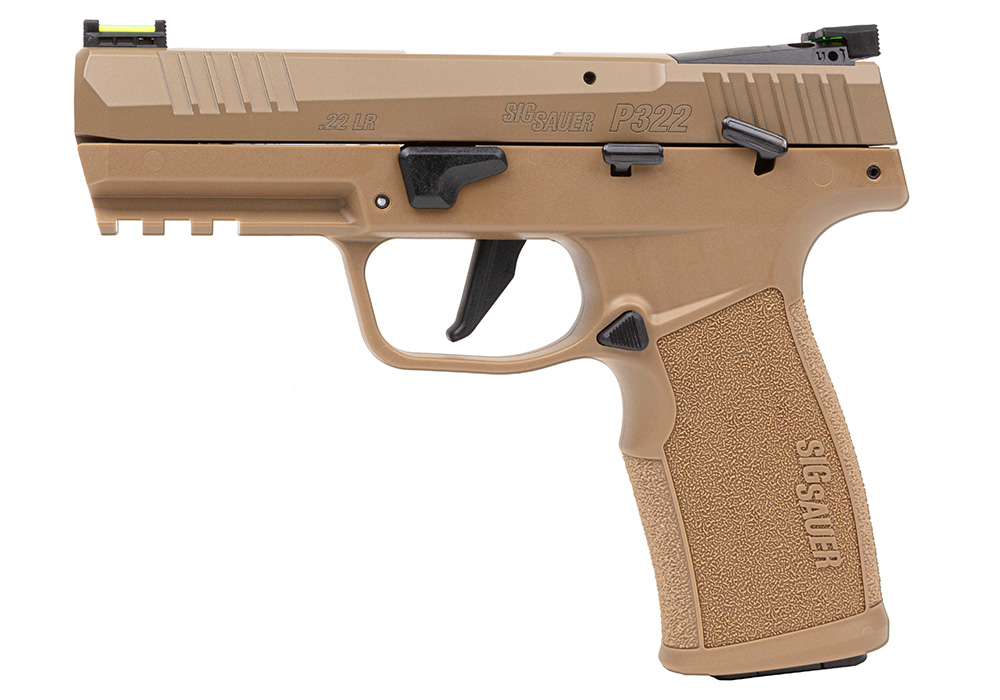
![[["P322, 22 LR, 4IN, NITRON, BLK, SAO, ADJ FIBER OPTIC SIGHTS, POLY","MER GRIP, (2) 20RD POLY MAG, ROMEO ZERO ELITE (427.49)"]]](http://www.sigsauer.com/media/catalog/product/p/3/p322c-b-rxze.jpg)