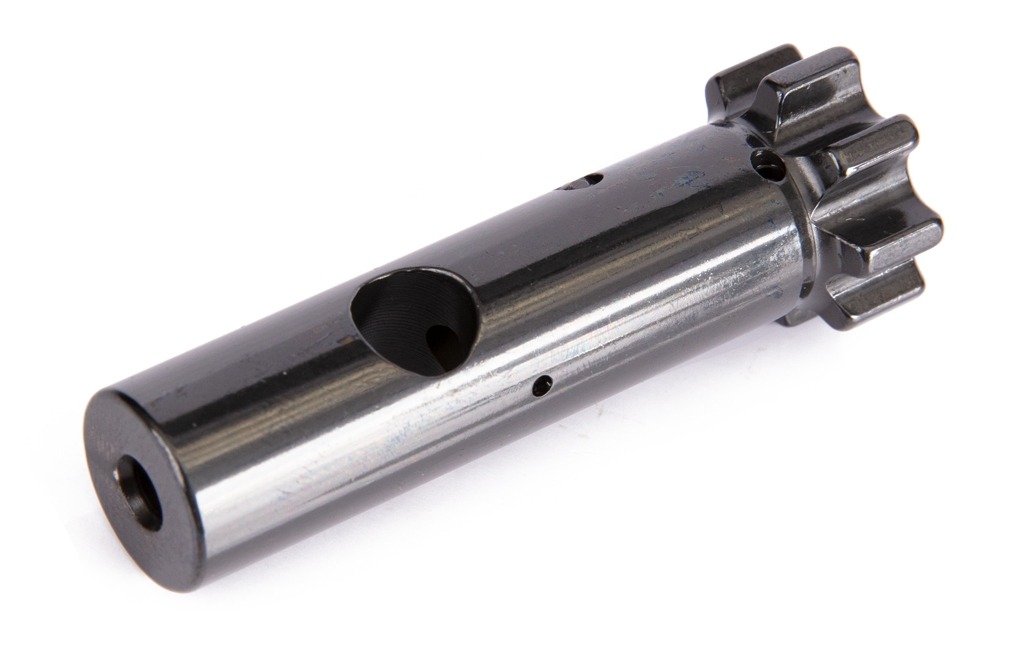
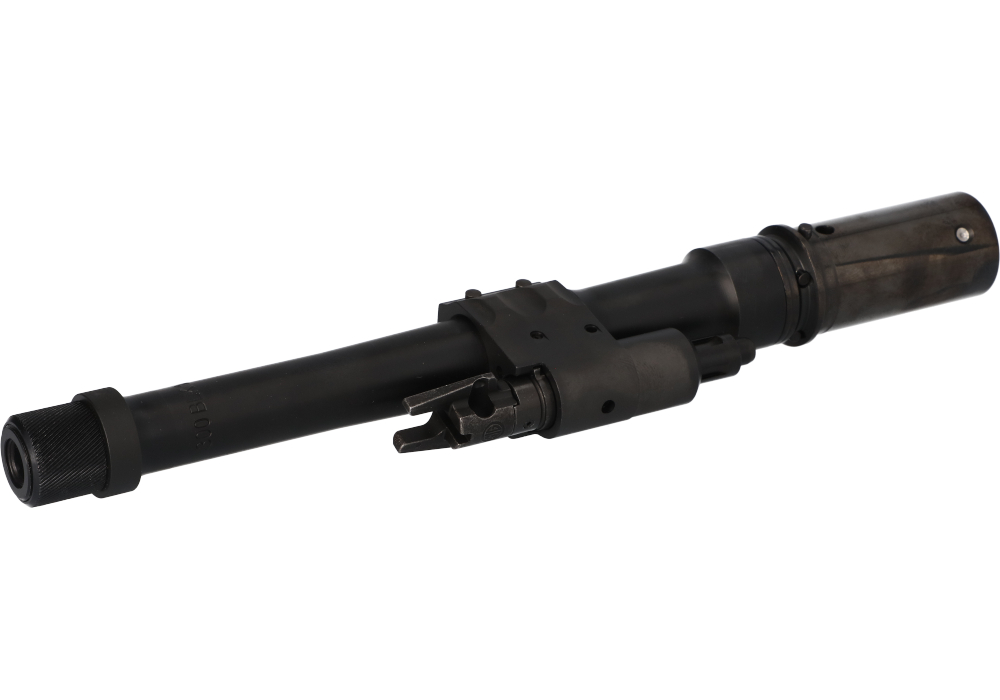
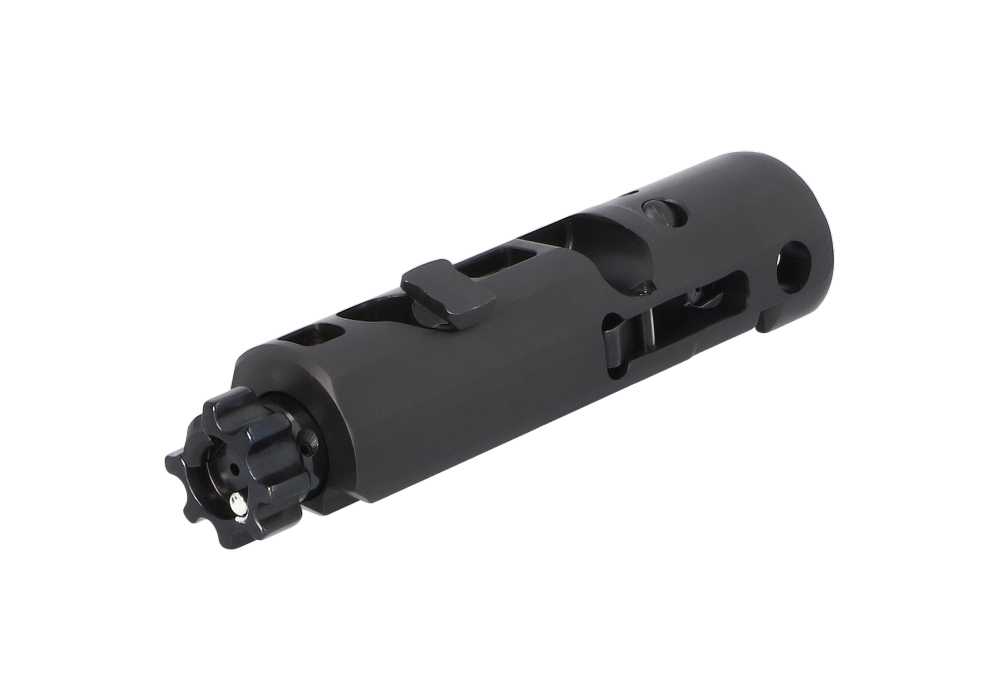
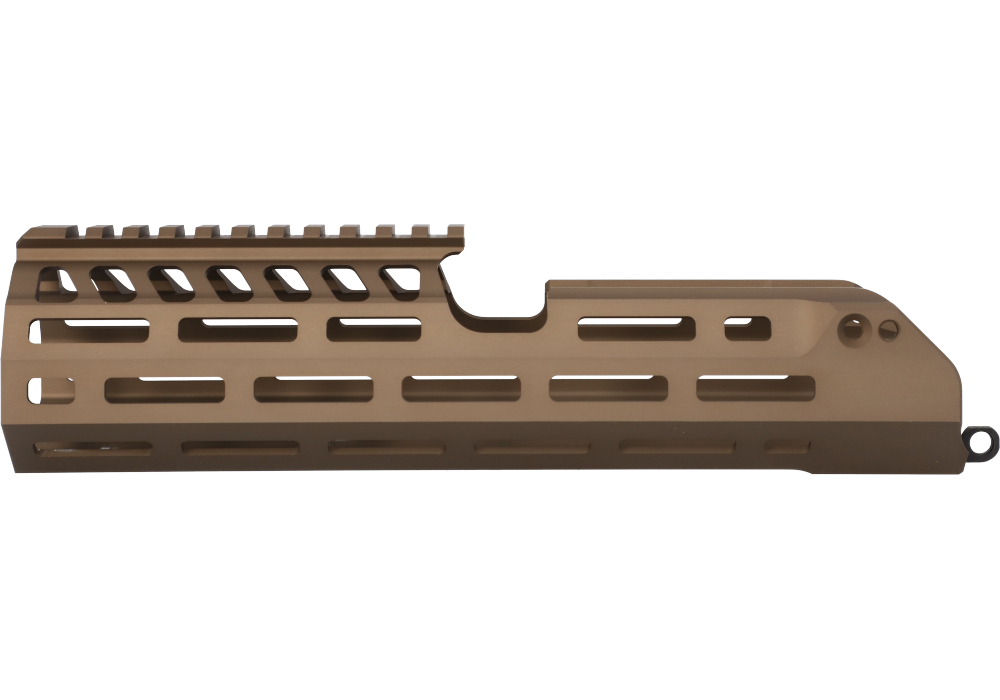
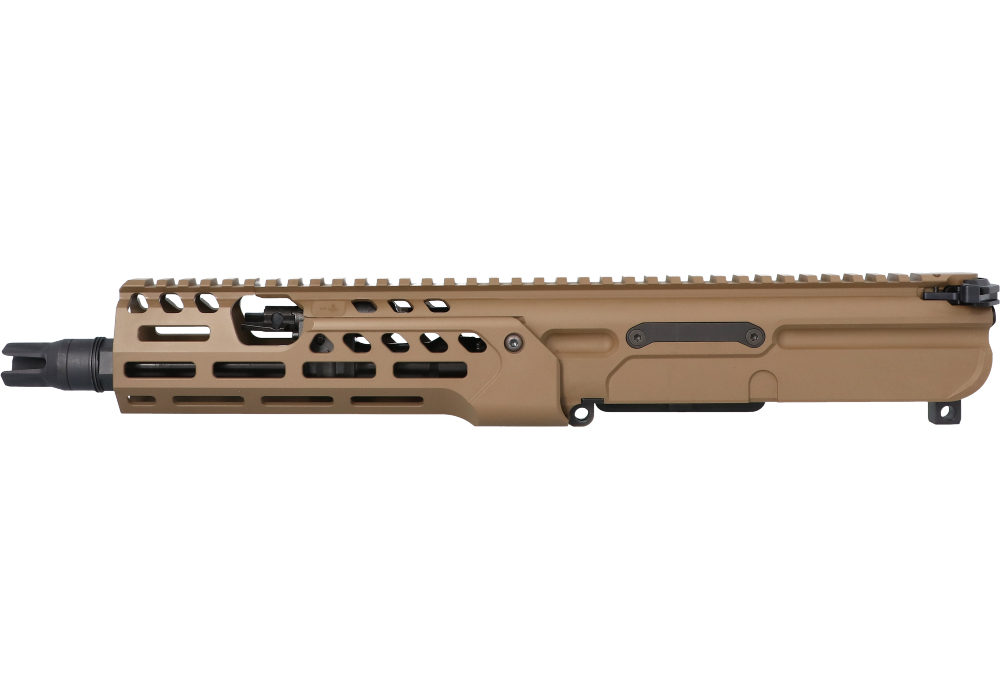
300BLK gun parts serve firearms chambered for .300 AAC Blackout, a centerfire rifle cartridge also commonly written as .300 BLK or 300 Blackout. The category encompasses components associated with the barrel, receiver, feeding system, and other areas of a compatible firearm, with the exact selection depending on its design. For owners maintaining an existing firearm, replacing a worn component, or considering compatible assemblies, the central distinction is between a part that looks familiar and one that is actually specified for the firearm. Some AR-pattern platforms share design features across chamberings, but that similarity does not establish universal compatibility. Caliber markings, model information, manufacturer documentation, and the specifications of the complete firearm provide a more dependable basis for comparison than appearance alone. A component intended for one operating system may not suit another, even when both firearms use the same cartridge. Likewise, a familiar receiver profile does not confirm that every internal component, magazine, or accessory will fit correctly. This matters to recreational shooters, competitors, and hunters who want equipment suited to lawful use without uncertainty about its application. The cartridge is associated with both subsonic and supersonic ammunition, terms that describe bullet velocity relative to the speed of sound. Those ammunition types are not interchangeable from a functional standpoint in every firearm configuration, and ammunition suitability should follow the firearm manufacturer’s recommendations rather than a general claim about the caliber. Barrel length, operating-system design, and the complete configuration also influence how a firearm handles and functions; no single dimension establishes suitability by itself. A useful product description therefore identifies the intended chambering, compatible platform, dimensions, materials, and any relevant restrictions. Clear specifications help distinguish a routine replacement component from an assembly intended for a different model or configuration. That level of detail is especially valuable when comparing visually similar parts whose important differences are not apparent in a photograph, such as mounting interfaces, operating-system compatibility, or the scope of components included.
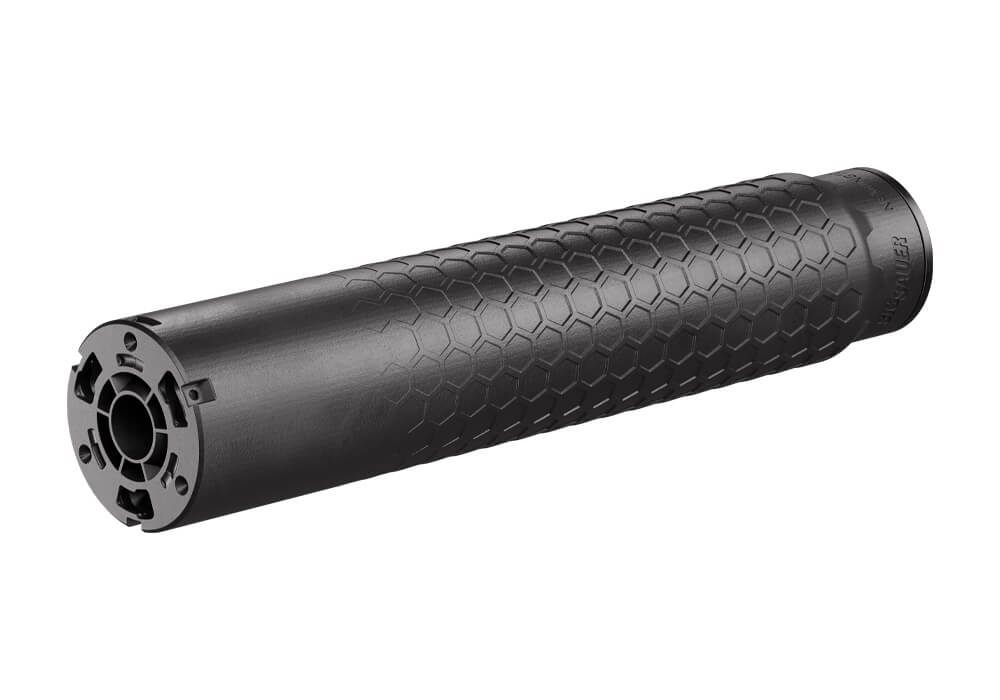
Materials and construction deserve the same attention as compatibility. Steel is common in components exposed to substantial mechanical stress, while aluminum alloys frequently appear in receivers and supporting structures where strength and manageable weight both matter. Polymer can be appropriate for certain exterior and feeding components, depending on their design and intended application. None of these material categories tells the whole story on its own: alloy selection, manufacturing tolerances, surface treatment, and the demands placed on the component all contribute to durability. A protective finish can help limit corrosion and surface wear, but it does not eliminate the need for inspection and proper care. The finish may also affect texture and appearance, which matters when a replacement part sits beside existing components with a different sheen or color. For someone maintaining a firearm used regularly at the range, a plainly documented material specification can be more useful than an elaborate description of appearance. Fit is equally practical. Correct interfaces and dimensions help ensure that a component belongs with the intended firearm, while clear documentation reduces uncertainty about model variations. Overall weight, external dimensions, and clearance around existing accessories are relevant considerations, provided that compatibility is confirmed through authoritative specifications. Components should not require improvised alterations to compensate for a mismatch. Installation or evaluation that falls outside the owner’s knowledge belongs with a qualified gunsmith who understands the particular firearm. Shoppers comparing grouped components can also explore 300 Blk Kits for information about what an assembly includes and the platform for which it is intended. A kit description should be read as a defined set of components, not as a promise that it suits every firearm bearing the same caliber designation. Included hardware, model compatibility, and any separately required components can change the scope of a purchase. Complete specifications are especially helpful when two assemblies have similar names but differ in their intended application. Manufacturer guidance remains important for any configuration involving additional accessories, including a lawfully owned suppressor; neither caliber alone nor a matching exterior appearance establishes compatibility with the rest of the firearm.
Long-term value in 300 Blackout parts comes from appropriate selection, consistent care, and a clear understanding of intended use. A firearm used for regular target practice may accumulate wear differently from one carried during lawful hunting outings, but both benefit from components that suit the platform and are maintained according to its documentation. Routine care begins with observing the manufacturer’s safety procedures, confirming the firearm is unloaded, and keeping ammunition separate from the maintenance area. Cleaning products, lubricants, and tools should be appropriate for the component’s material and finish, since an unsuitable chemical or abrasive can damage a protective surface. Dirt, residue, worn contact surfaces, loose components, or visible corrosion warrant attention rather than being dismissed as cosmetic details. A qualified professional can assess concerns that extend beyond ordinary cleaning or inspection. Storage also matters: parts should be protected from moisture, unnecessary contact, and conditions that can damage their surfaces, with identification retained so their purpose remains clear. Original packaging, documentation, and readable caliber or model markings are useful when a component is stored separately from the firearm. Keeping similar-looking ammunition and magazines clearly identified and segregated is particularly important for owners of multiple chamberings. 300BLK ammunition must never be used in a firearm chambered for 5.56 NATO or .223 Remington, and a magazine’s appearance does not verify the ammunition inside it. Dedicated labeling supports identification but does not replace checking the cartridge and firearm markings. For an experienced firearm owner receiving a component as a gift, confirmed model compatibility is more meaningful than a broadly described upgrade. If that information is uncertain, the recipient’s exact requirements should be established before choosing a firearm-specific part. Applicable laws and the firearm’s legal configuration remain relevant whenever regulated components or assemblies are involved. Whether the purchase supports routine upkeep, recreational shooting, competition, or lawful hunting, the strongest foundation is the same: documented fit, suitable materials, a defined purpose, and care that preserves the component’s condition over time.