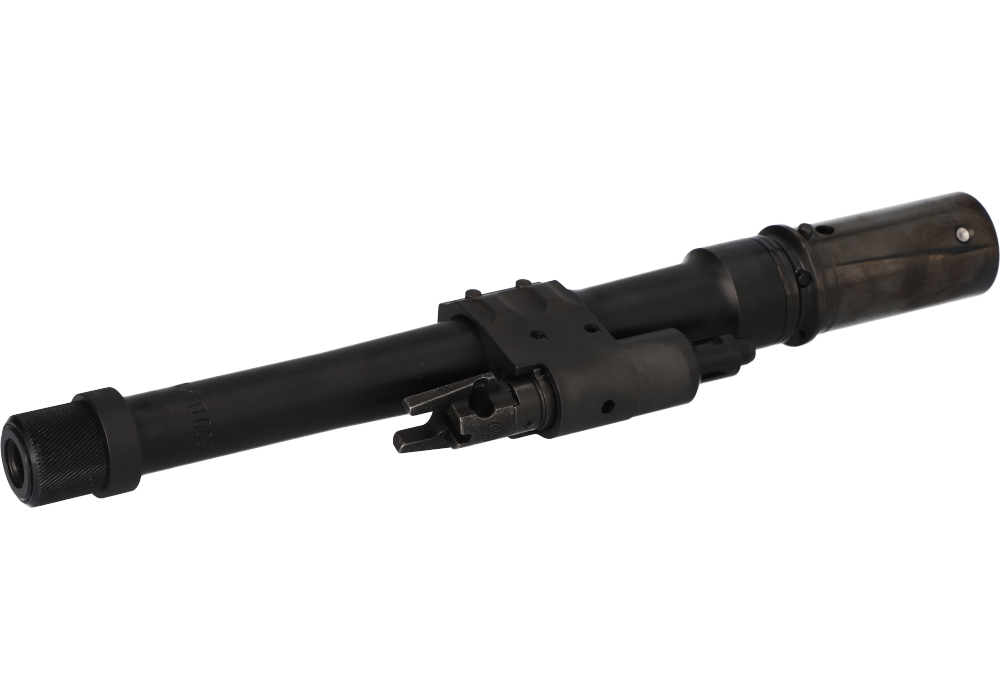
300 Blk barrels are a popular choice for AR-pattern builds because the .300 AAC Blackout cartridge was developed around efficient performance from relatively short barrels. Compared with cartridges that depend on a longer tube to burn powder and build velocity, .300 BLK is well suited to compact platforms while still offering useful flexibility with both supersonic and subsonic ammunition. The right barrel depends on the role of the firearm, the type of ammunition you expect to shoot, whether a suppressor is part of the setup, and the legal requirements that apply to your configuration. Short barrels in the approximately 6- to 7.5-inch range are often selected when compact handling is the priority, particularly with heavy subsonic loads and a suppressor. An 8.5- to 9-inch barrel is widely regarded as a balanced option, offering a practical combination of maneuverability, reliable cycling potential, and useful performance with both subsonic and supersonic ammunition. Moving into the 10.5- to 12.5-inch range can provide additional dwell time and increased velocity with supersonic loads while preserving much of the compact character associated with .300 BLK. A 16-inch barrel may be preferable for a conventional rifle configuration, hunting applications where additional velocity is useful, or builds intended to avoid the regulatory considerations associated with shorter barrels. Barrel length also affects balance, sight radius when using non-magnified sights, transportation, and how naturally the firearm fits into a particular safe, range bag, or shooting position. Before purchasing, confirm the intended barrel length is compatible with the complete build and review all applicable federal, state, and local laws, especially when assembling a short-barreled rifle or using a suppressor.
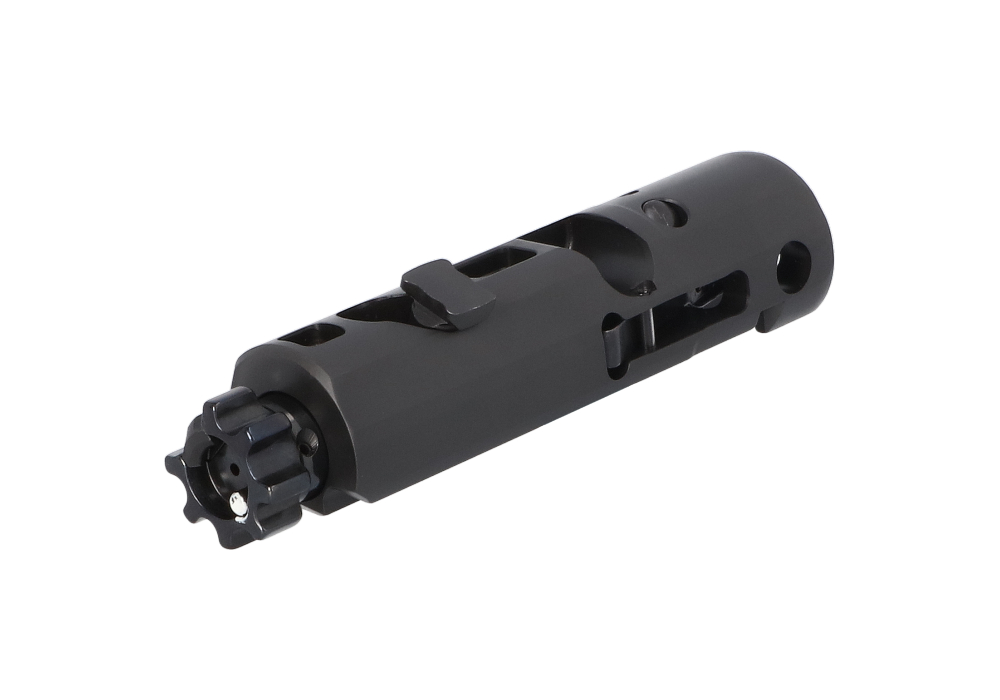
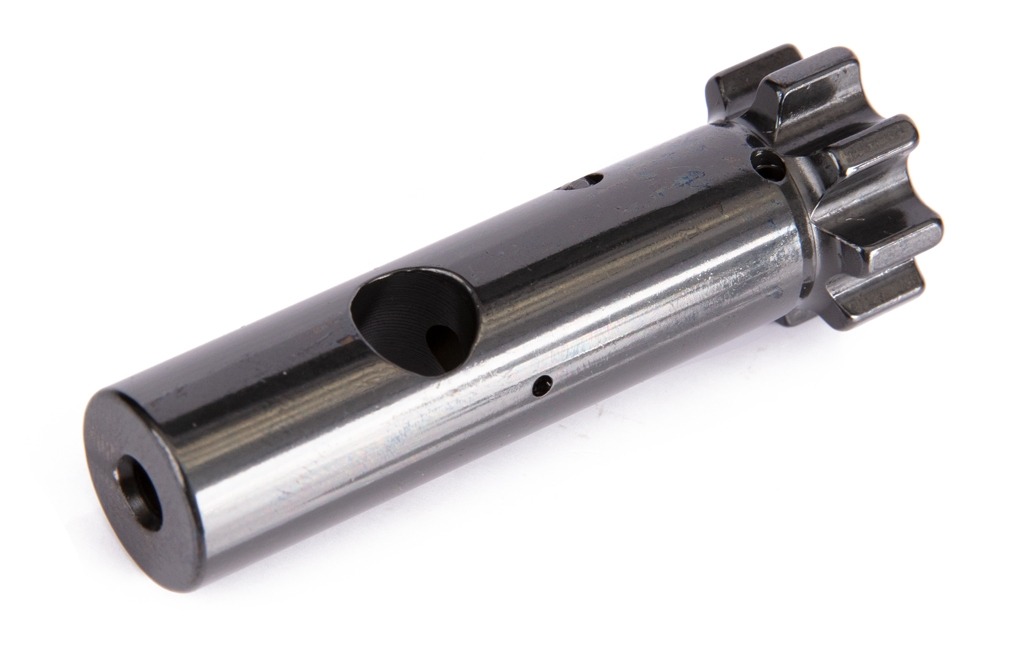
When comparing 300 Blk barrels, twist rate deserves close attention. A 1:7 twist is a common versatile choice, while faster rates such as 1:5 are often selected for stabilizing long, heavy subsonic projectiles, including bullets in the 200- to 220-grain class and beyond. The correct twist rate should match the ammunition you plan to use, and it is wise to consult the barrel specifications and ammunition manufacturer’s guidance rather than assuming that every .300 BLK load will perform identically. Gas-system configuration is another important consideration for semiautomatic builds. Most short and medium .300 BLK barrels use a pistol-length gas system, which is designed around the cartridge’s pressure curve and can support reliable cycling across a broad range of loads when paired with properly matched components. Gas-port dimensions, adjustable or fixed gas blocks, buffer weight, bolt-carrier components, ammunition, and suppressor use all influence how a completed firearm runs. A barrel with the right length and twist is only one part of the system, so buyers should verify gas-system details, journal diameter, muzzle-thread pattern, chamber specifications, and material or finish before placing an order. Common muzzle threads may support direct-thread suppressors, muzzle devices, or other accessories, but thread compatibility should always be confirmed in advance. Pay attention to feed-ramp style, extension compatibility, exterior profile, and overall weight as well. A lighter contour can make a compact firearm easier to carry during a long day outdoors, while a heavier contour may be preferred for repeated range sessions where heat management and a steady feel matter more. For builders who want a more complete starting point, 300blk Upper Assemblies can simplify the process of matching a barrel with the receiver, handguard, gas system, and related components.
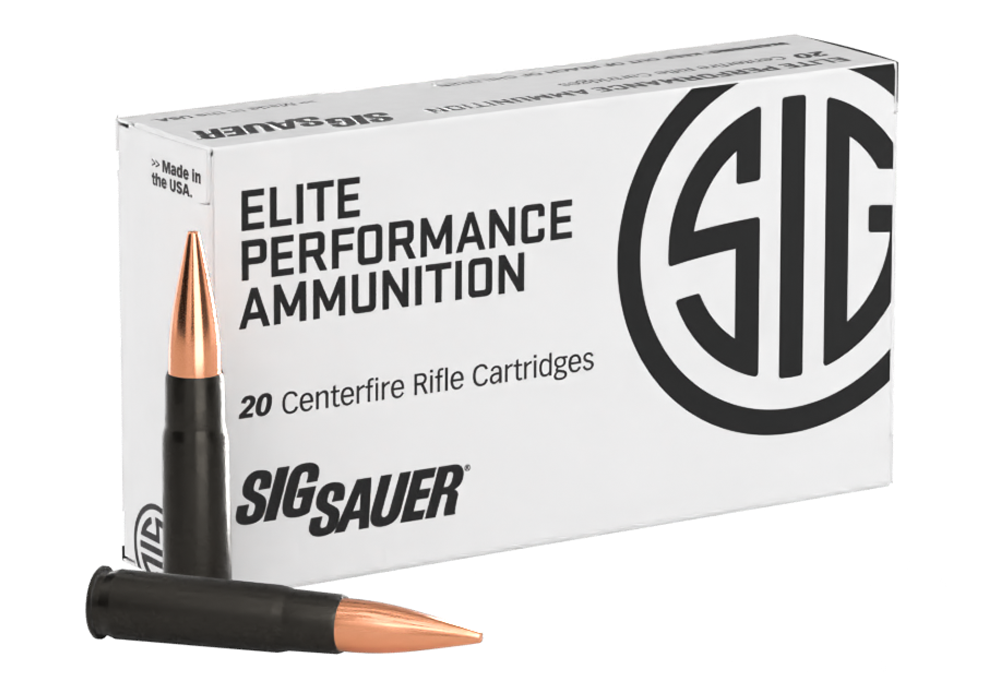
These barrels may appeal to experienced builders, hunters, recreational shooters, and anyone looking for a flexible platform that can accommodate different .300 BLK loads. Supersonic ammunition is generally chosen when a flatter trajectory and greater velocity are useful, while subsonic ammunition is commonly paired with a suppressor for a quieter shooting experience where lawful and appropriate. Subsonic loads typically require more attention to stabilization and semiautomatic cycling, making twist rate, gas tuning, and ammunition selection especially important. A compact barrel can be a thoughtful purchase for a knowledgeable shooting enthusiast who is planning a carefully matched build, although it should not be treated as a universal gift without first confirming the recipient’s platform, receiver setup, intended ammunition, and legal requirements. During the cooler months, many shooters appreciate a compact .300 BLK configuration for its manageable proportions at the range, on private land, or in a hunting setup where local regulations permit its use. Others prefer a longer barrel for the additional velocity, familiar rifle balance, and straightforward configuration it provides. Inspect the chamber and bore before installation, use the proper torque specifications for mounting hardware, and confirm that the barrel is correctly seated and headspace is properly checked by a qualified professional when appropriate. After assembly, function testing should begin with safe range procedures and the ammunition intended for the build, watching for reliable feeding, extraction, and cycling. Selecting a 300 Blk barrel with a suitable length, twist rate, gas system, profile, and muzzle-thread pattern helps create a more cohesive firearm and makes it easier to choose the remaining components with confidence.