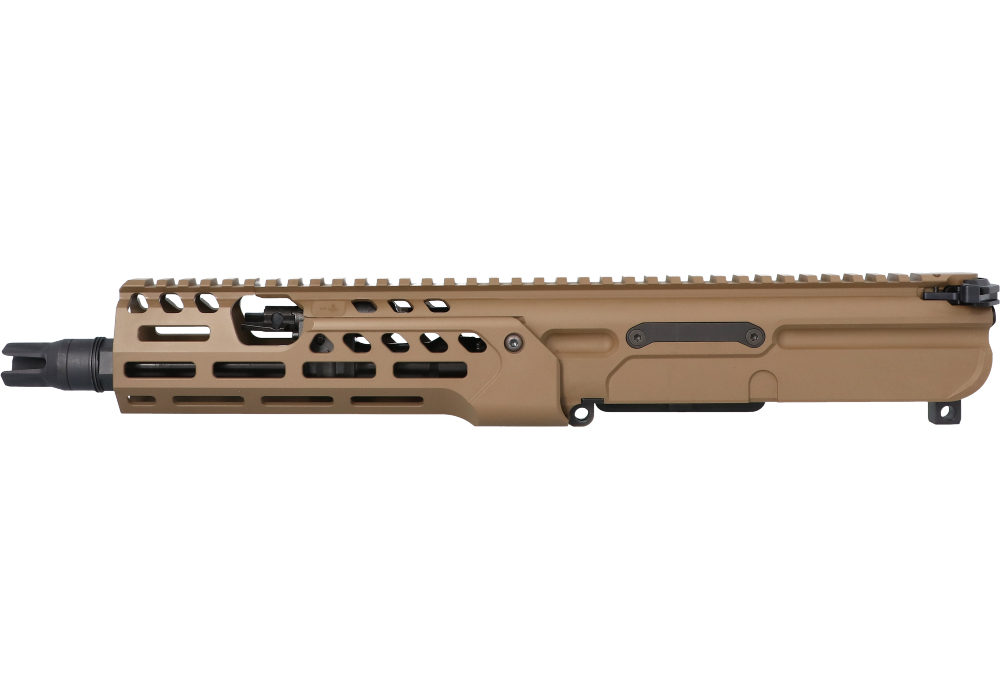
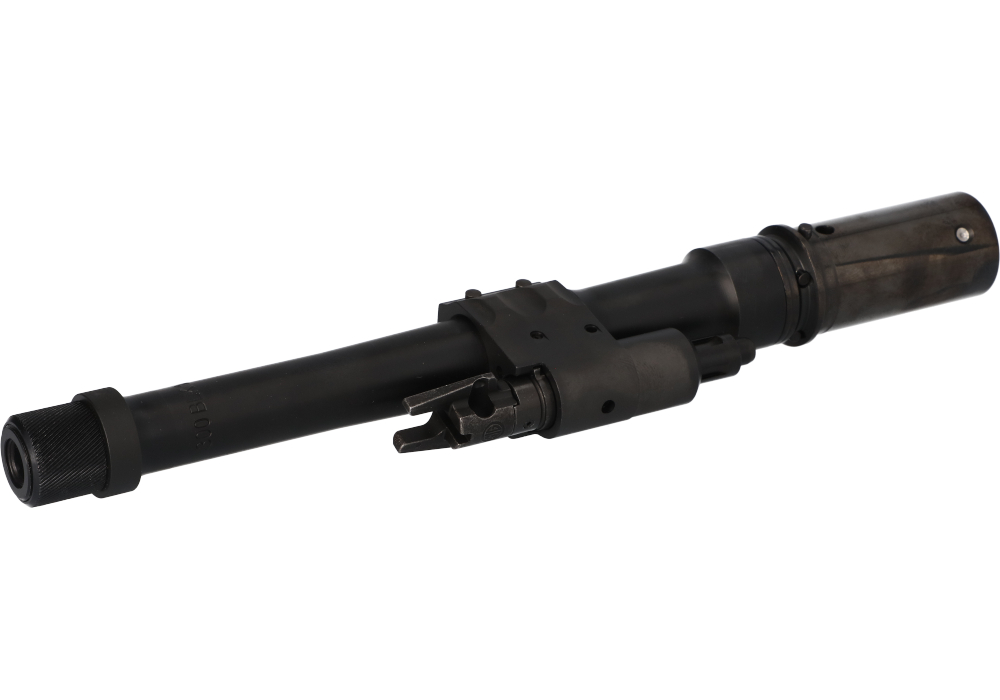
A .300 BLK upper assembly is the upper receiver group of a firearm chambered for .300 AAC Blackout, commonly called .300 Blackout. It is a major firearm component rather than a complete firearm, and its suitability depends on the platform, configuration, and manufacturer’s specifications. Some assemblies are designed for compatible AR-pattern lower receivers; others belong to proprietary systems with different requirements. The caliber marking alone does not establish compatibility, even when two assemblies look similar in photographs. For an owner comparing .300 Blackout upper assemblies, the most useful details are the intended host platform, chambering, barrel length, included components, and any stated restrictions on fit or use. The term upper assembly can describe different levels of completeness, so receiver, barrel, handguard, and operating-component details deserve close attention in the specifications. A matching general appearance is not a substitute for documented fit. These assemblies appeal to experienced firearm owners seeking a caliber-specific configuration for lawful sporting activities, recreational target shooting, or organized range practice. A shooter who spends an afternoon working from a bench may value different handling characteristics than someone attending a supervised range session with repeated changes in shooting position. That distinction makes balance, overall dimensions, and familiarity with the firearm more meaningful than a list of accessories. The relationship between the upper and the rest of the firearm also matters beyond physical fit: an appropriate combination must meet the manufacturer’s requirements and applicable laws. A qualified gunsmith can help evaluate questions that cannot be resolved from published specifications. Ammunition identification deserves equal care because .300 Blackout and 5.56 ammunition are not interchangeable. Clearly labeled storage and separate handling routines help prevent dangerous mix-ups when a household or range group uses more than one caliber. A well-considered choice begins with a clearly identified platform and a realistic understanding of how the firearm will be used, rather than an assumption that every .300 BLK upper serves the same purpose.
Materials and construction influence how an upper assembly feels, wears, and responds to routine care. Aluminum receivers and handguards are common because they balance structural strength with manageable weight, while steel barrels provide the properties required for their intended function. Exact alloys, treatments, and finishes vary, making published specifications more useful than broad claims about toughness. Hard-anodized surfaces and other protective treatments can help resist ordinary wear and corrosion, but no finish eliminates the need for inspection and maintenance. A uniform exterior appearance is only one part of the picture; documented manufacturing standards, clear care requirements, and manufacturer support also deserve consideration. Contact areas may develop visible wear with normal use, and cosmetic changes should not automatically be treated as evidence of a functional problem. Conversely, an attractive finish cannot confirm that an assembly is appropriate for a particular firearm. Handling characteristics are similarly more nuanced than total weight alone. Two assemblies with comparable weights can feel different because that weight is distributed differently along the firearm. Handguard shape, surface texture, and overall dimensions can affect comfort during a lengthy range visit, particularly when the firearm is supported on a bench or carried between designated shooting areas. Rounded edges and a comfortable gripping surface may matter more in regular use than an elaborate exterior profile. Mounting interfaces should be identified in the specifications rather than inferred from photographs, and any accessory must be suitable for the firearm and its intended application. Barrel length also affects overall dimensions and may carry legal implications depending on the complete firearm’s configuration and jurisdiction. These are reasons to evaluate the assembly as part of a complete, compliant system rather than as an isolated component. For owners who prefer straightforward equipment, clear specifications and manageable maintenance requirements often provide a better foundation for comparison than unfamiliar terminology or exaggerated performance language.
Long-term ownership depends as much on consistent care as on initial selection. A .300 Blackout upper assembly should be maintained according to the firearm manufacturer’s instructions, using suitable cleaning products and lubricants rather than assuming that every solvent is appropriate for every finish. Routine attention helps address fouling, residue, and moisture before they become persistent concerns. Cleaning and inspection belong in a designated area with the firearm unloaded and ammunition kept separate, following the safety procedures in the owner’s manual. External surfaces, accessible areas identified in the manual, and any visible signs of unusual wear deserve attention without resorting to unapproved alterations or unnecessary disassembly. Persistent malfunctions, damaged components, or uncertainty about fit are reasons to stop using the firearm and consult the manufacturer or a qualified gunsmith. Storage and transport matter, too: a suitable protective case can limit scuffs and contact with other equipment, while secure storage helps prevent unauthorized access. Cases and storage spaces should remain clean and dry rather than trapping residue or moisture against metal surfaces. Documentation is worth retaining alongside maintenance records, especially when several firearms or similar-looking components share a storage area. Keeping the original specifications accessible makes future compatibility checks easier and helps distinguish verified information from assumptions. For a broader look at related components, the 300BLK Gun Parts collection complements a focused search for an upper assembly. Each component still requires its own review for fit, function, and compatibility with the host firearm. Experienced owners often find that clearly defined requirements simplify those decisions: the correct platform, an appropriate configuration, understandable care instructions, and dimensions suited to the intended activity. Those practical considerations remain relevant whether the firearm is used for occasional recreational shooting or regular supervised practice. A thoughtfully selected .300 BLK upper assembly fits an established purpose, comes with clear technical documentation, and supports responsible ownership without relying on appearance or caliber labeling alone.