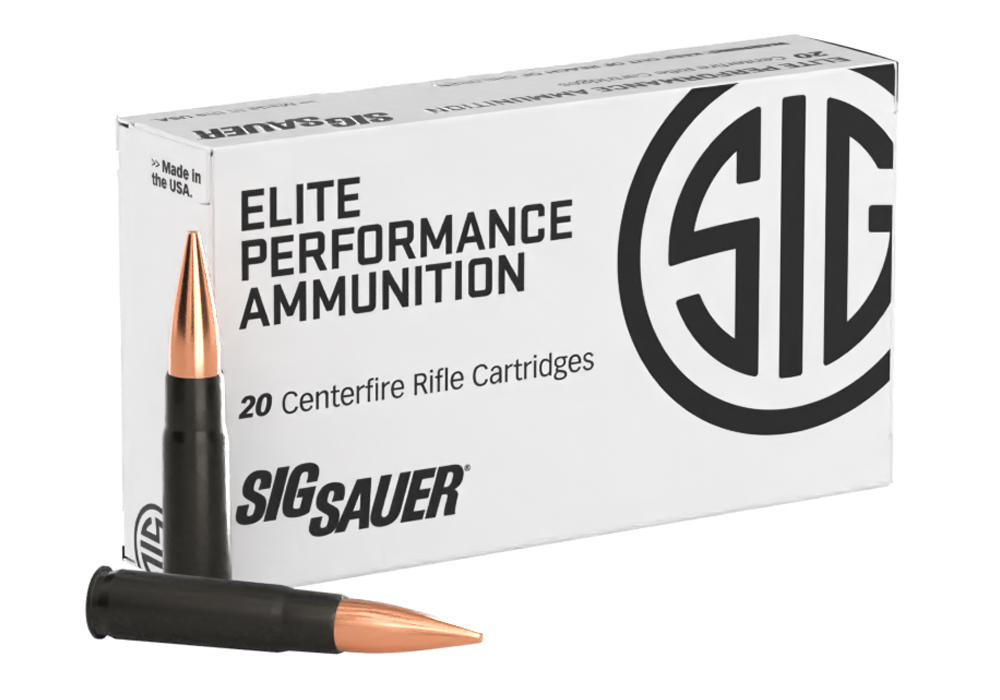
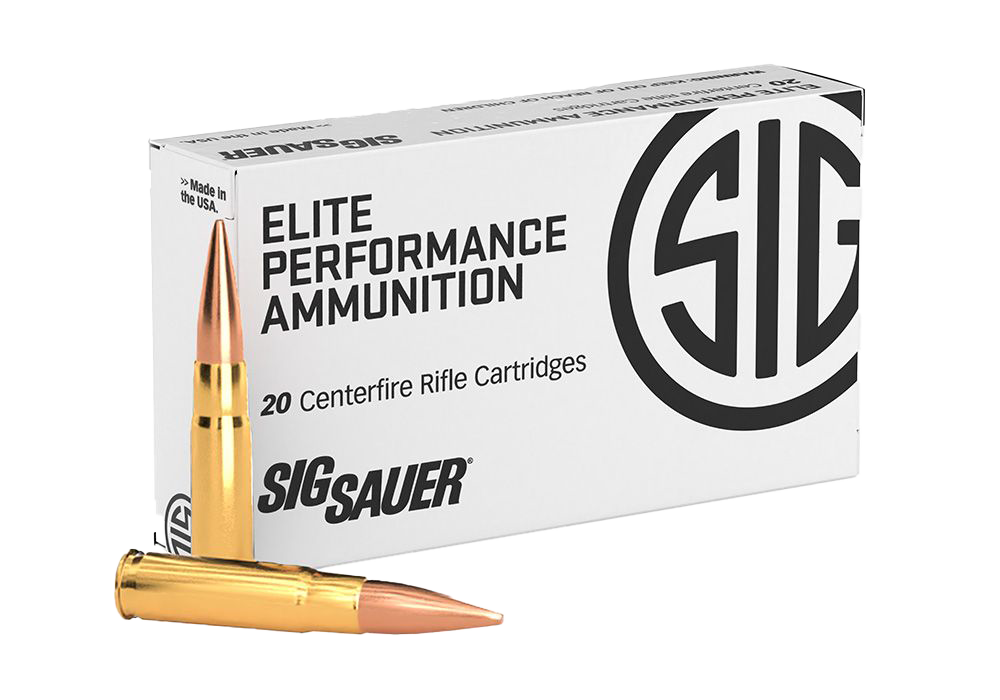
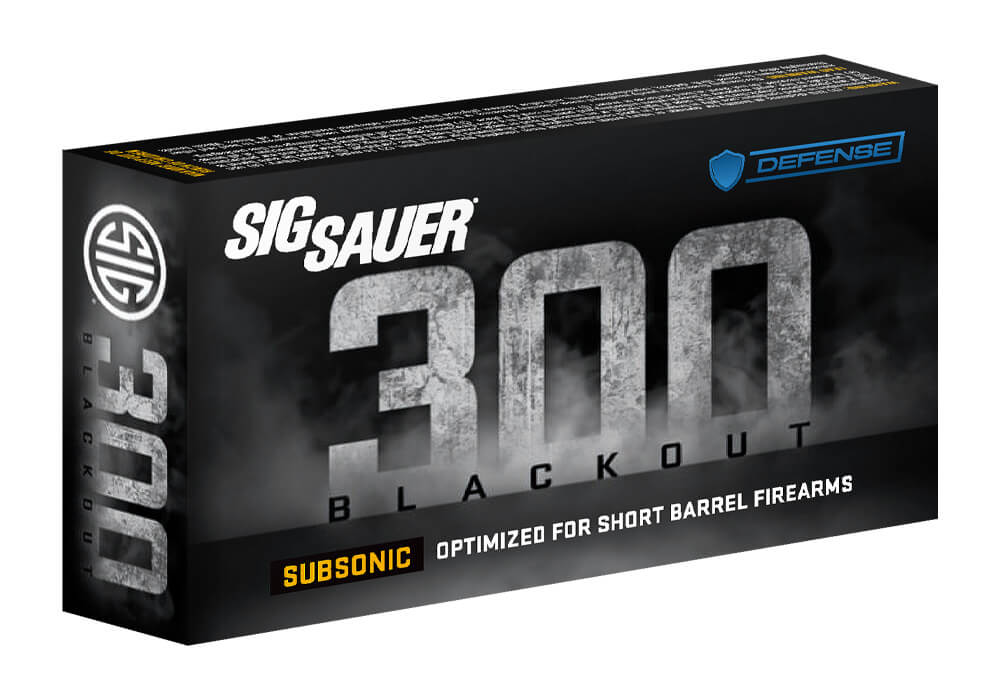
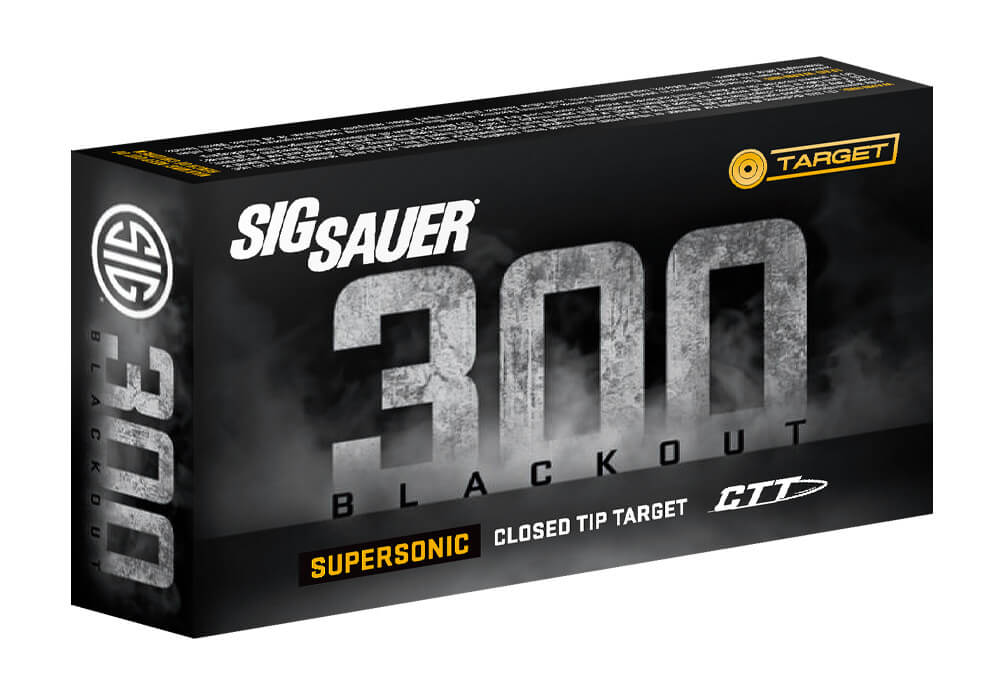
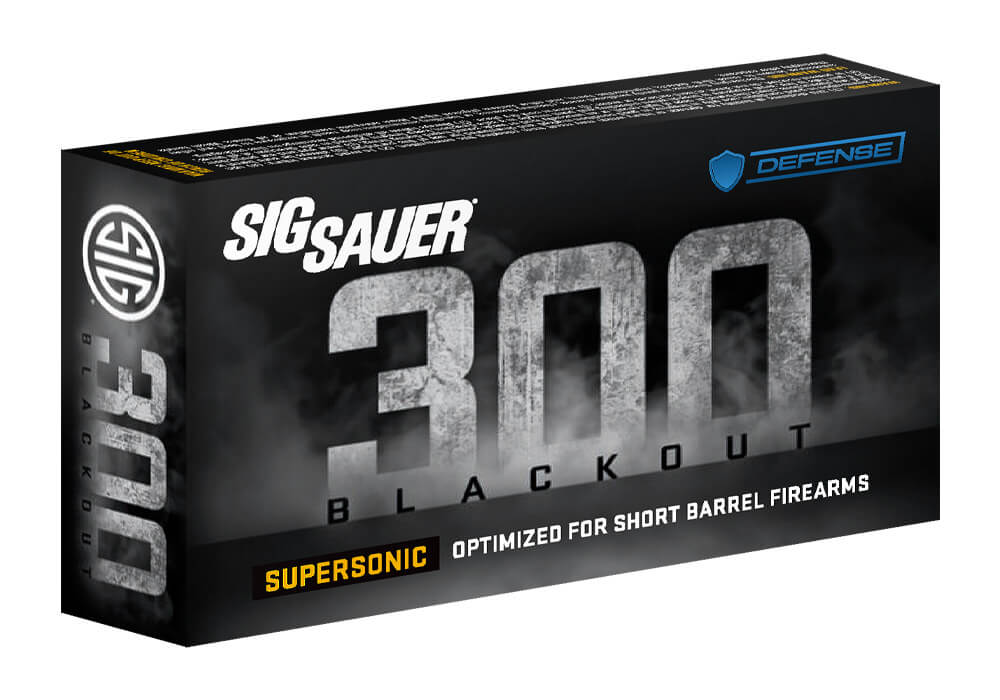
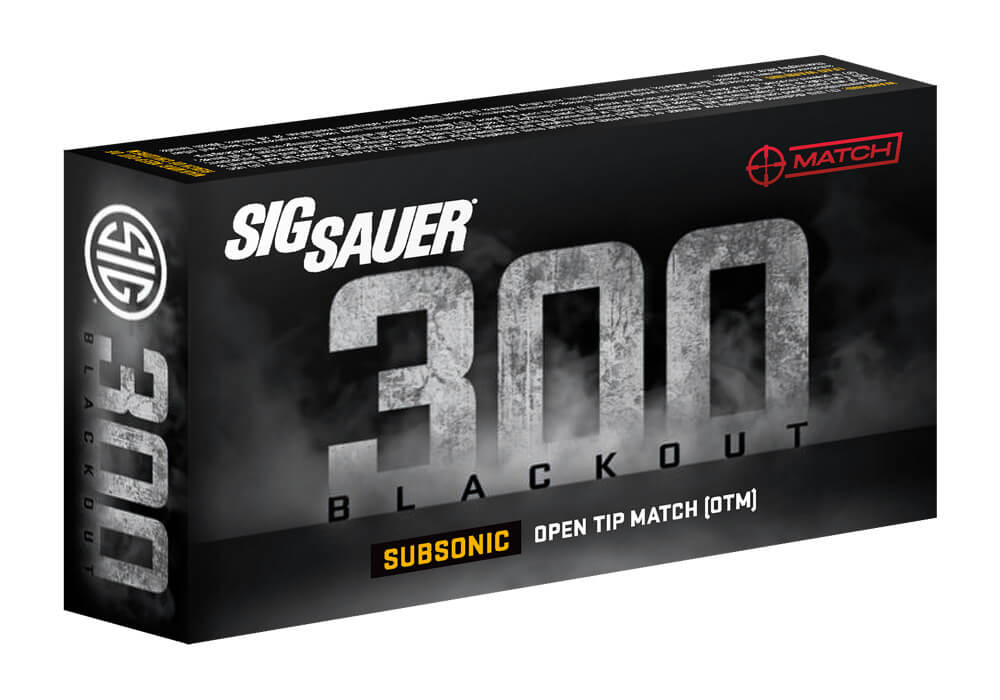
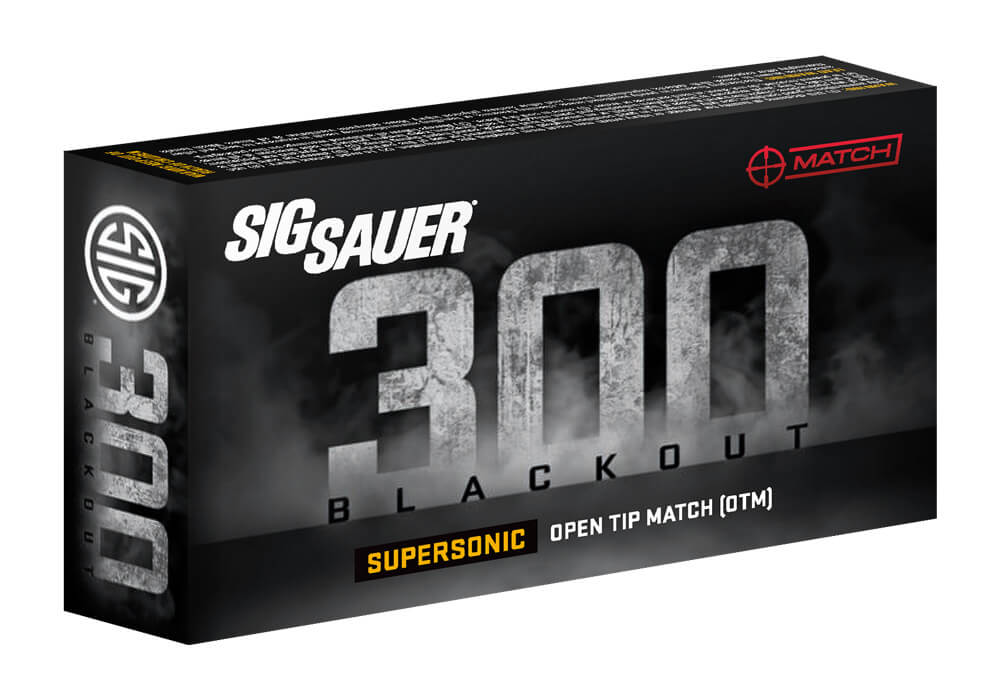
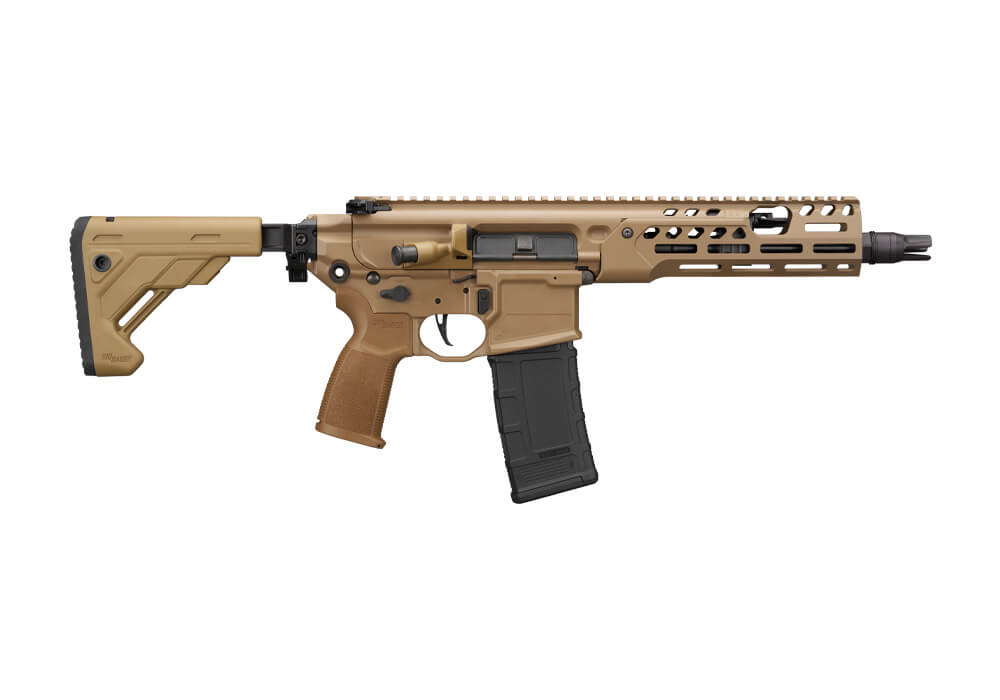
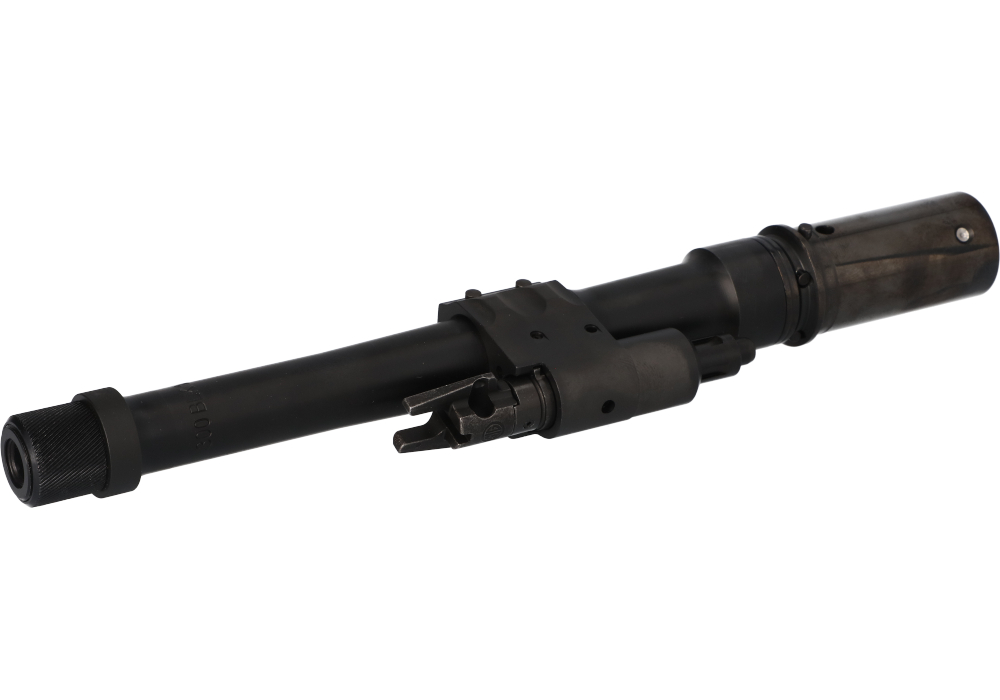
300BLK rounds are rifle cartridges chambered for .300 AAC Blackout, also called .300 BLK or 7.62×35mm. The cartridge pairs a .30-caliber bullet with a compact case and is associated with rifles built around the AR-15 platform, as well as compatible bolt-action firearms. Its defining feature is the breadth of ammunition choices within a single chambering: lighter bullets commonly appear in supersonic loads, while heavier bullets often appear in subsonic loads. Those categories serve different purposes, so bullet weight alone does not tell the whole story. Supersonic ammunition travels faster than the speed of sound and generally offers higher velocity and a flatter trajectory than subsonic ammunition in the same chambering. Common lighter bullet weights include 110 and 125 grains, while many subsonic offerings use bullets around 190 to 220 grains. Loads around 147 to 150 grains also appear among target ammunition, although construction and intended use vary by manufacturer. A grain is a unit of weight, not a measure of the amount of propellant in a loaded cartridge. For shoppers comparing .300 Blackout ammunition, the most useful details are the exact cartridge designation, bullet weight, projectile construction, stated velocity, and intended application. Published velocity reflects particular test conditions, including barrel length, and may differ from results in another firearm. The familiar cartridge name therefore describes compatibility, not identical behavior across every load. A box selected for a supervised range session may have a different projectile design from ammunition intended for lawful hunting, even when both carry the same caliber marking. This variety makes .300 BLK relevant to recreational target shooters, hunters where permitted, and owners of compatible firearms who value a choice of ammunition types. The best comparison begins with the firearm’s requirements and the ammunition manufacturer’s description rather than a broad claim that one bullet weight suits every purpose. Clear specifications help distinguish rounds that look similar in the tray but belong to different use categories.
Projectile materials and construction give 300BLK ammunition much of its character. Full metal jacket bullets typically surround a lead core with a metal jacket and are commonly associated with target practice. Open-tip match bullets emphasize manufacturing consistency for precision-oriented shooting; the small opening at the nose does not automatically indicate a hunting bullet or an expanding design. Some hunting projectiles use a polymer tip, a bonded core, or an all-copper construction, with each approach serving a particular design goal. A polymer tip alone is not a complete description of how a bullet performs, and not every hollow-point projectile has the same purpose. Manufacturer guidance remains important, especially where hunting rules specify permitted materials or projectile types. Cartridge cases are commonly brass, a material valued for its corrosion resistance and its ability to seal against the chamber during firing. Other case materials and surface finishes may appear, so the package description should take precedence over assumptions based on color or appearance. Consistent case dimensions, securely seated bullets, and protected primers all matter to the condition of loaded ammunition. For routine range use, shoppers often prioritize dependable function and consistent results on paper or steel targets approved by the range. Precision-focused shooters may give closer attention to manufacturing consistency and documented accuracy testing, while hunters need ammunition identified for the intended game and lawful application. Subsonic .300 Blackout ammunition occupies another distinct category: it is intended to remain below the speed of sound under the stated test conditions, avoiding the projectile’s supersonic crack. It is not silent, and a suppressor does not remove the need for appropriate hearing protection. Nor does a heavy bullet automatically indicate controlled expansion or suitability for hunting. These distinctions keep comparisons grounded in the actual load description. A useful product listing identifies what the ammunition is designed to do without treating bullet shape, weight, or a single velocity figure as a substitute for complete specifications. Accuracy, function, and suitability still depend on the combination of ammunition and the individual firearm.
Fit begins with an exact match between the ammunition designation and the firearm’s marked chambering. .300 Blackout and 5.56 NATO or .223 Remington are not interchangeable, even though firearms and magazines associated with these cartridges can look alike. Some .300 BLK cartridges can enter a 5.56 or .223 chamber far enough to create a serious hazard; firing the wrong ammunition can cause catastrophic firearm failure and severe injury. Distinctly labeled magazines, separate storage, and a careful check of cartridge and firearm markings are especially important when multiple chamberings share a range bag or storage cabinet. General AR-15 compatibility should never be read as permission to use .300 Blackout ammunition in an unverified firearm. Related components can be explored through 300BLK Gun Parts, with compatibility confirmed through the relevant manufacturer’s documentation or a qualified gunsmith. Ammunition care is primarily about preserving condition rather than cleaning or servicing the cartridges. Original packaging keeps caliber information, load details, and lot identification together, while secure storage helps prevent unauthorized access. Keep rounds dry and protected from moisture, solvents, oils, and physical damage. Do not polish loaded ammunition or attempt to repair a cartridge that shows corrosion, a split case, a loose projectile, or other visible damage; consult the manufacturer about safe handling and disposal. A sturdy ammunition container can protect boxed rounds during transport, but it should not obscure the information needed to identify them. Before a range visit, checking facility rules can prevent a mismatch between the selected projectile type and the permitted ammunition. Before a hunting trip, confirming applicable ammunition regulations is equally important. Ammunition is also a highly specific purchase for another firearm owner: knowing that someone enjoys rifle shooting is not enough to establish the correct chambering or load. Eligibility, local transfer requirements, and the recipient’s exact equipment all matter. Across target practice, recreational shooting, and lawful hunting, informed selection rests on clear labeling, suitable projectile construction, proper storage, and verified compatibility. Those practical details give .300 BLK shoppers a more meaningful basis for comparison than broad performance promises.