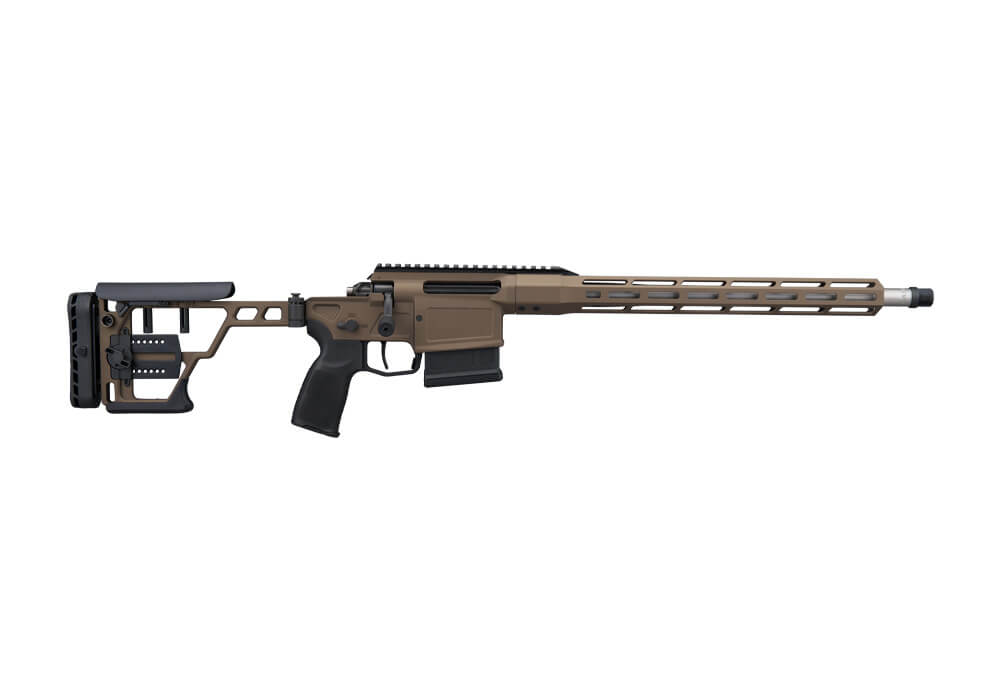
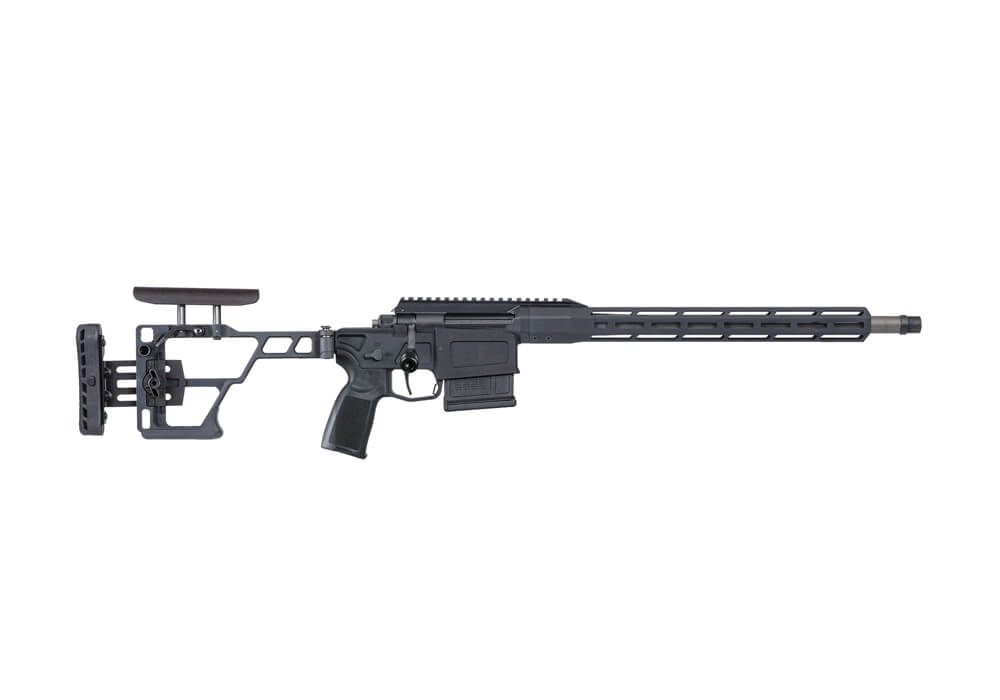
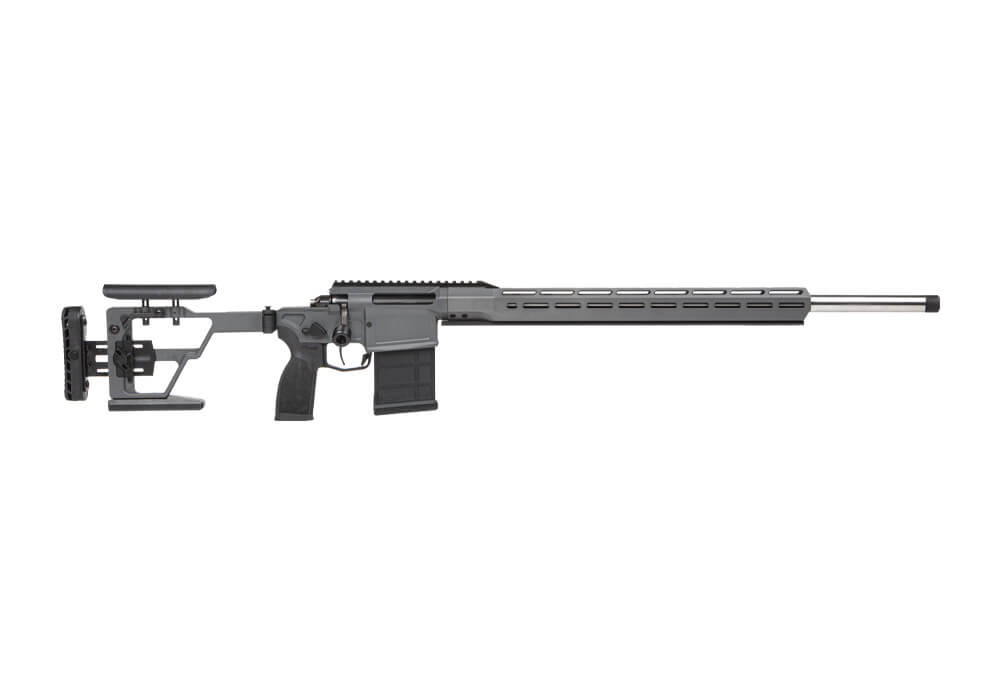
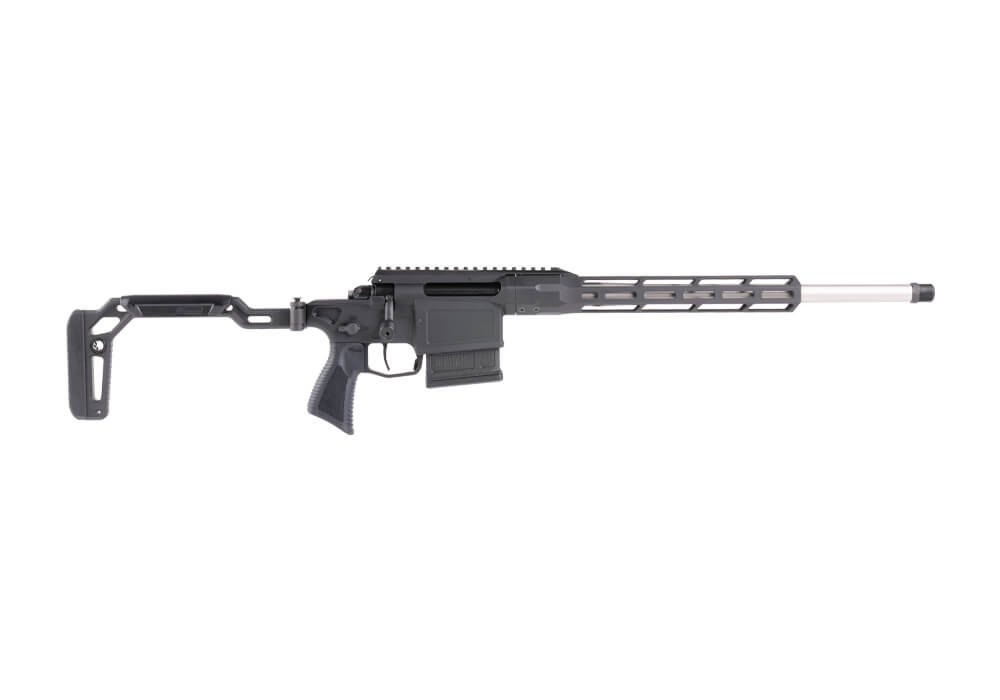
308 Winchester tactical rifles bring together the reach, versatility, and familiar handling of one of the most established centerfire rifle cartridges with features intended for demanding range, field, and duty-oriented use. Also designated 7.62x51mm in many military and law-enforcement settings, .308 Winchester is valued for its broad ammunition selection, dependable performance, and ability to remain effective at distances beyond those commonly associated with smaller rifle cartridges. A tactical rifle chambered in .308 Winchester may be a practical choice for precision target shooting, designated-marksman-style training, lawful hunting applications, ranch or property use where appropriate, and disciplined practice from supported or field positions. The rifles in this category commonly include adjustable stocks, sturdy handguards or chassis systems, threaded barrels, optic-ready receivers, compatible sling attachment points, and controls designed to remain accessible while wearing gloves. These details matter when a rifle moves from a bench to a gravel firing line, a blind, or a course of instruction. Bolt-action rifles are often selected for their straightforward operation, consistent lockup, and strong reputation for precision. Their manual cycling encourages a measured rhythm: settle behind the rifle, press the trigger without disturbing the sight picture, observe the result, and cycle the action deliberately. Semi-automatic platforms offer a different experience, with faster follow-up shots and controls that may feel familiar to shooters accustomed to modern sporting rifles. They can be useful for practical rifle matches, training drills, and situations where rapid target transitions are part of the exercise, while still requiring careful attention to muzzle direction, trigger discipline, and safe manipulation. When comparing options, consider the role of the rifle before focusing on appearance. A compact configuration with a shorter barrel can be easier to transport through dense cover, around vehicles, or between firing positions, while a longer barrel may provide additional velocity and a steadier feel from a supported position. Heavier barrels and rigid chassis systems can help manage movement during extended strings of fire, but added weight becomes noticeable during a long walk over uneven ground. Balance is just as important as total weight; a rifle that settles naturally into the shoulder and supports a comfortable cheek weld is easier to control than one that feels front-heavy or awkward. Stock adjustment is particularly valuable when more than one shooter will use the rifle or when optics and shooting positions change. Look for a length of pull, comb height, and grip angle that allow the eye to align naturally behind the optic without forcing the neck or shoulder into an uncomfortable position.
A complete .308 Winchester setup is more than the rifle itself. Optic choice should reflect the intended distance and environment, with magnification, reticle design, eye relief, and low-light performance considered together rather than selected in isolation. A stable sling can make a rifle easier to carry and can provide useful support from standing, kneeling, or improvised field positions. Magazines should be checked for compatibility, fit, and reliable feeding, and shoppers may encounter both standard and extended capacity options depending on the platform and applicable regulations. Ammunition selection also deserves careful attention. Bullet weight, construction, and intended purpose affect trajectory, recoil, terminal performance, and point of impact, so it is wise to compare several loads and confirm which one groups consistently in the individual rifle. Shooters looking to refine their ammunition selection can explore 308 Winchester High Accuracy Bullets as part of a broader precision-oriented setup. A rifle that produces tight groups with one load may behave differently with another, even when both are labeled .308 Winchester, making verification at the range an important part of responsible ownership. Before purchase, review local laws governing eligibility, transfers, waiting periods, storage, transport, magazine restrictions, and permitted uses. A firearm should be stored unloaded and secured from unauthorized access, with ammunition stored responsibly and separately when appropriate for the household. New owners and experienced shooters alike benefit from professional instruction, especially when learning a new action type, optic, or shooting position. These rifles can make thoughtful gifts for an adult family member or close friend who has expressed a clear interest in precision shooting or lawful hunting, but a firearm should never be treated as a surprise present without confirming the recipient’s legal eligibility, safe-storage plan, training goals, and preferences. During the cooler months, a .308 Winchester tactical rifle may accompany a shooter to a crisp morning range session, where breath hangs briefly in the air and each shot provides useful feedback about position, ammunition, and equipment. The best choice is the one that fits the shooter, the intended application, and the conditions in which it will actually be carried and used. By weighing action type, barrel length, rifle balance, adjustability, optic compatibility, magazine format, ammunition preferences, and safe-storage requirements, shoppers can narrow this broad category to a reliable platform that supports steady practice and confident handling for years to come.