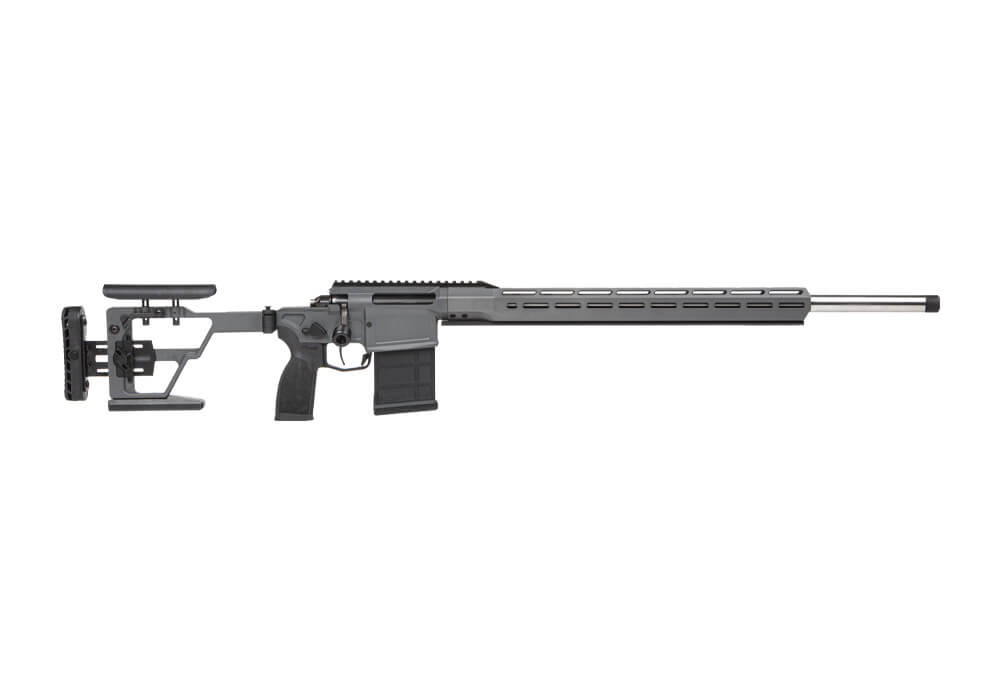
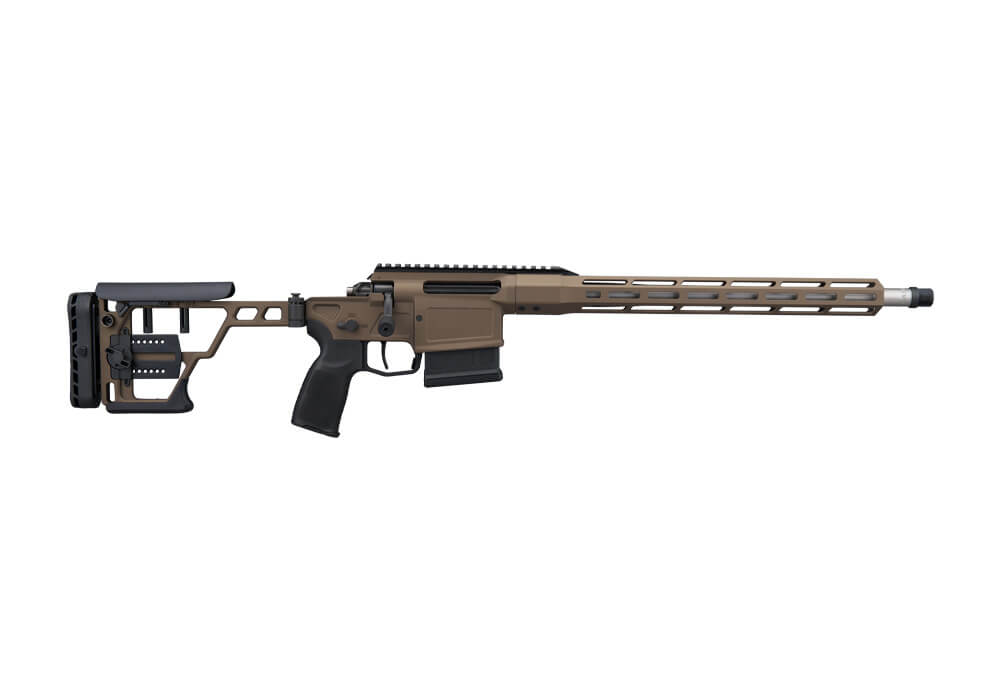
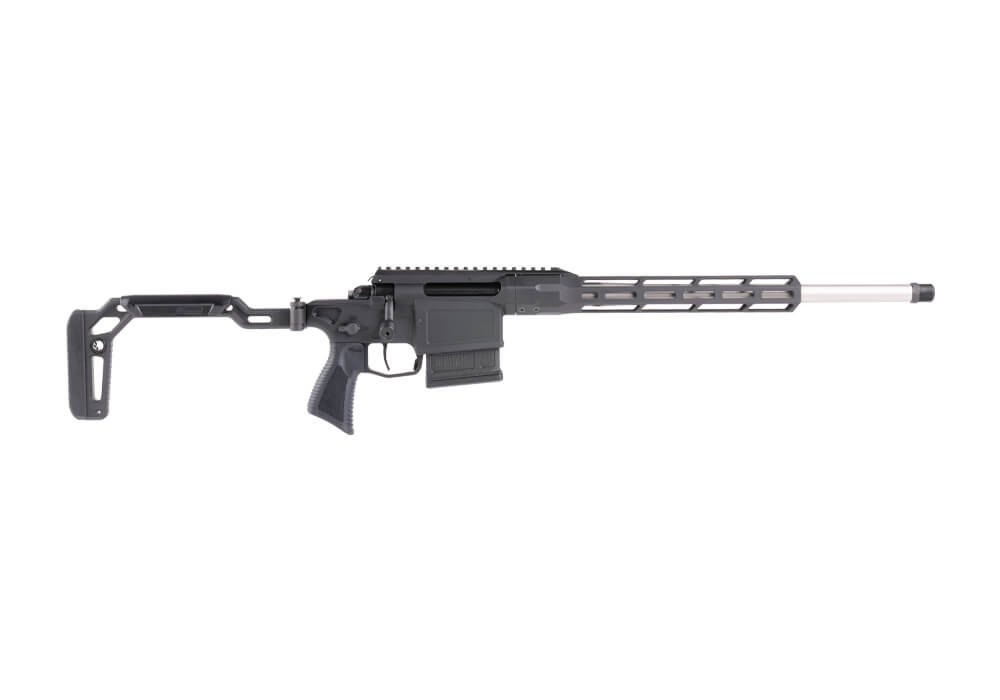
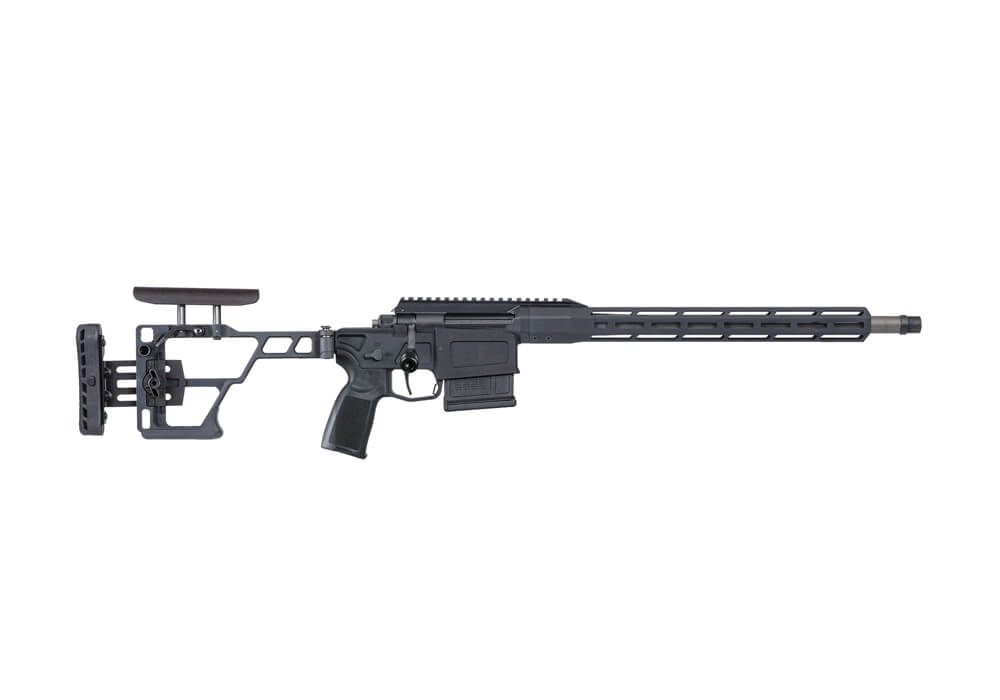
Long-range tactical .308 rifles are valued for a practical balance of reach, controllability, ammunition availability, and field-ready durability. The .308 Winchester cartridge has a long history in precision shooting and remains a familiar choice for range training, competition, hunting where lawful, and professional applications conducted by qualified personnel. Its broad selection of bullet weights and load types makes it easier to build a setup around a specific purpose, whether that means practicing from a bench, working from a supported field position, or refining fundamentals at extended distances. A well-configured rifle in this chambering can deliver consistent performance at several hundred yards and, with suitable ammunition, a capable rifle, and a skilled shooter, may remain useful toward the 800- to 1,000-yard mark. Actual results depend on barrel condition, ammunition consistency, environmental conditions, optic quality, and the shooter’s ability to read wind and manage a stable position. For shoppers comparing 308 Winchester Tactical Rifles, the first decision is often the action type. Bolt-action rifles are known for a direct, mechanically consistent operating system and can be an excellent choice for deliberate precision work. Their firm lockup and smooth cycling encourage a steady rhythm: settle behind the rifle, confirm the reticle, press the trigger cleanly, and observe the result. Semi-automatic rifles can provide quicker follow-up shots and a familiar manual of arms for users who value efficient cycling during drills or practical matches. Either design can serve a serious long-range setup when its barrel, trigger, stock, and optic work together as a complete system.
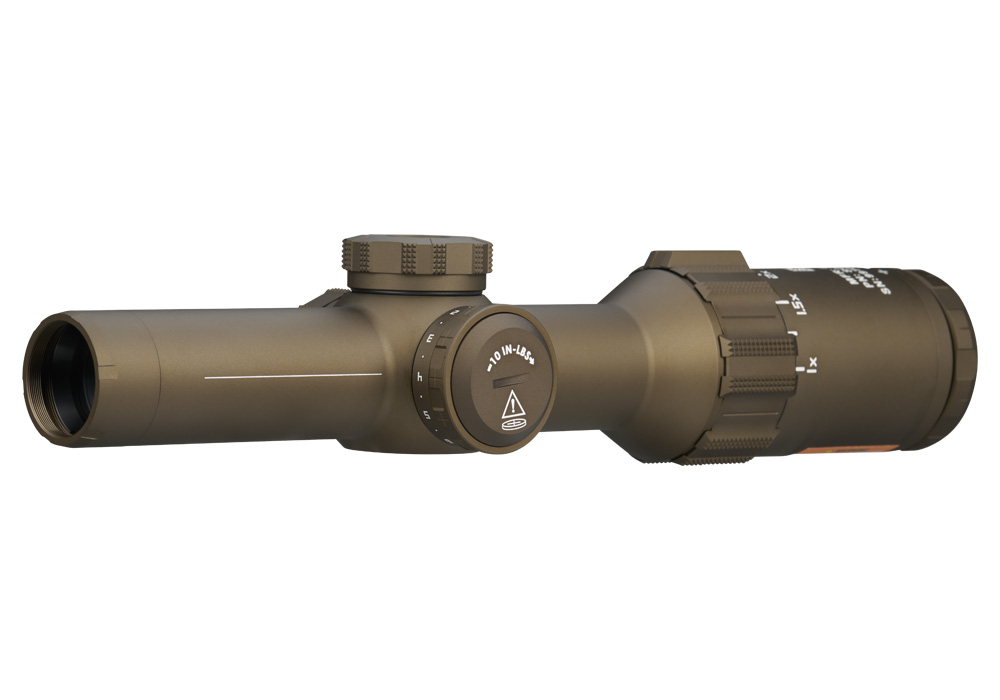
Barrel length is another important consideration. Barrels from roughly 18 to 24 inches often balance maneuverability with the velocity needed to take full advantage of .308 Winchester ballistics. A shorter barrel can be easier to transport and handle around vehicles, barricades, or tight shooting positions, while a longer barrel may offer additional velocity and a calmer feel from a supported position. Barrel profile also matters: a heavier contour can resist heat-related point-of-impact changes during extended strings, though it adds weight for anyone carrying the rifle over uneven ground. The stock or chassis should provide a comfortable cheek position, a secure grip, and adjustment points that let the shooter establish the same position each time. A folding design can simplify storage and transport, while a rigid precision-oriented platform may appeal to users who spend most of their time at a bench or prone on the range. Look for a smooth trigger with a predictable break, a handguard that accepts useful accessories, and an attachment system that supports a bipod or tripod without interfering with a comfortable grip. Optic selection should follow the rifle’s intended use. A scope with dependable elevation adjustment, a useful magnification range, and a reticle suited to holdovers can help the shooter account for distance and wind without losing sight of the target. Mount height, eye relief, adjustment travel, and return-to-zero performance deserve as much attention as magnification. Many shooters also appreciate a level, a quality sling, a rear support bag, and a sturdy case. These details may seem small when viewed one at a time, but they become noticeable during a cold morning session when gloved hands, changing light, and uneven ground make every adjustment more important.
A thoughtful purchase also includes ammunition and a realistic plan for training. Match-grade .308 Winchester loads, including heavier 175-grain options, are often selected for their consistent construction and useful ballistic performance at longer distances, while lighter or general-purpose loads may suit practice and shorter-range work. Test several suitable loads from a supported position rather than assuming every rifle will prefer the same ammunition. Keep notes on group size, point of impact, temperature, wind, and the number of rounds fired, then use those observations to establish a dependable zero. Before visiting a range, confirm local regulations, transportation requirements, permitted targets, and any rules governing accessories or sound suppressors. Store the rifle secured from unauthorized access, keep ammunition separate when required, and use appropriate eye and ear protection every time. These rifles can be a meaningful gift for an experienced shooter, a competitor preparing for a precision match, or someone building a first serious long-range system, but the recipient’s training, safe storage arrangements, and legal eligibility should be considered before purchase. During the cooler months, a quality case, insulated shooting mat, and reliable gloves can make range days more comfortable, while careful cleaning and inspection help preserve dependable function between sessions. The best setup is not always the heaviest or most elaborate; it is the one that fits the shooter, supports a repeatable position, and inspires confidence through patient practice and responsible handling.