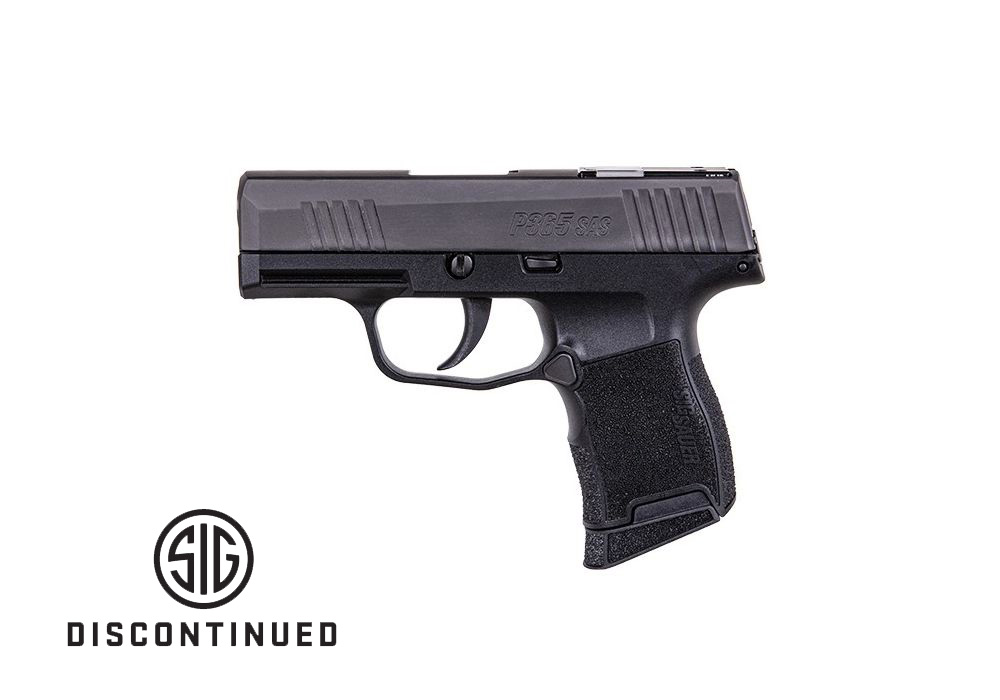
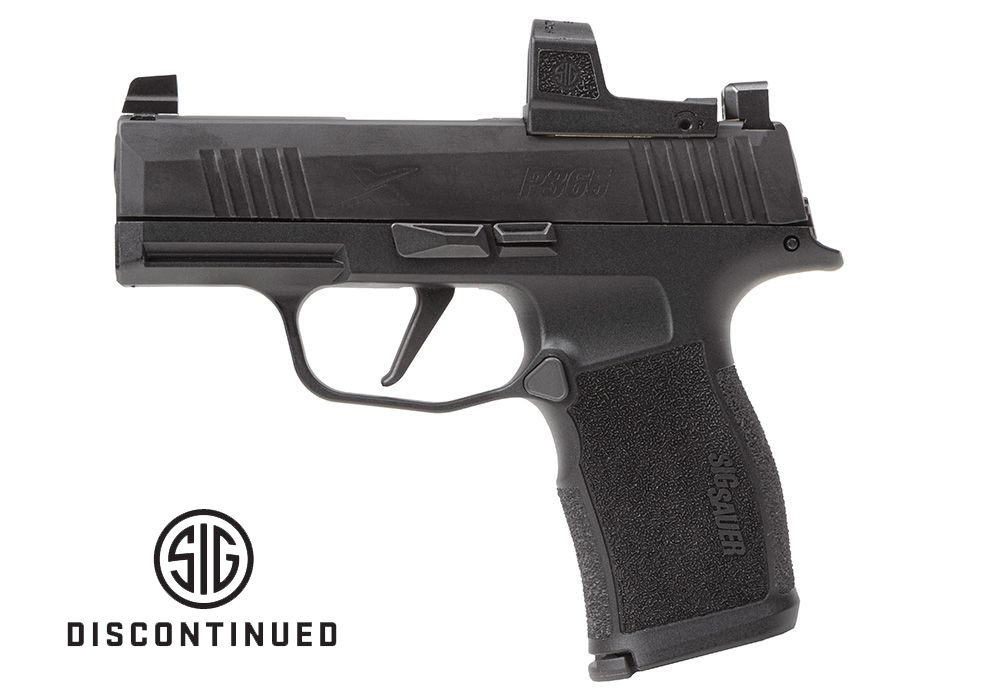
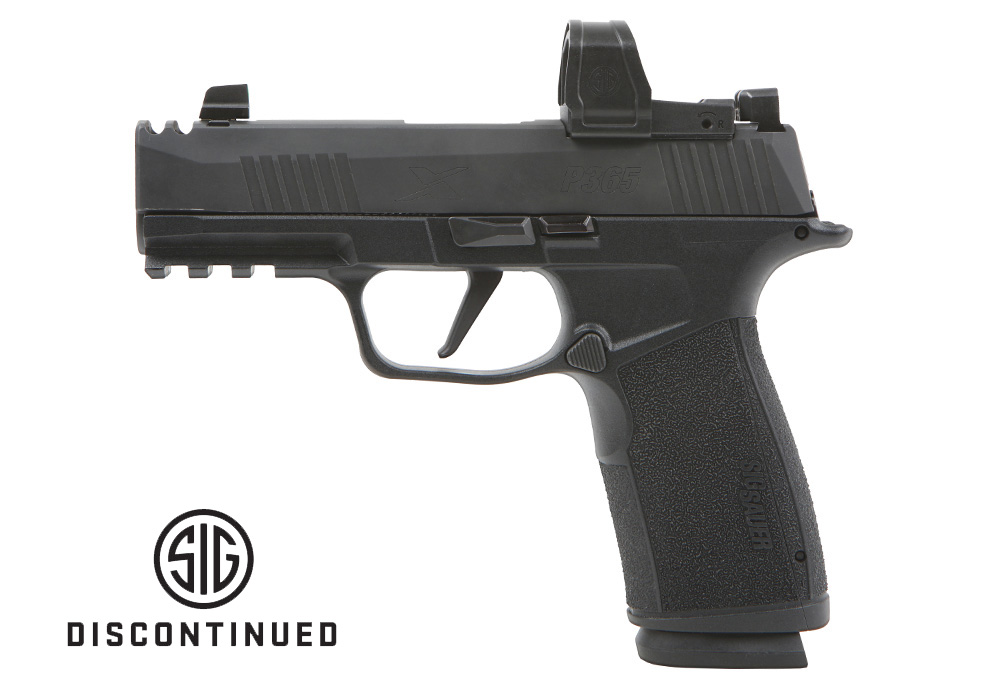
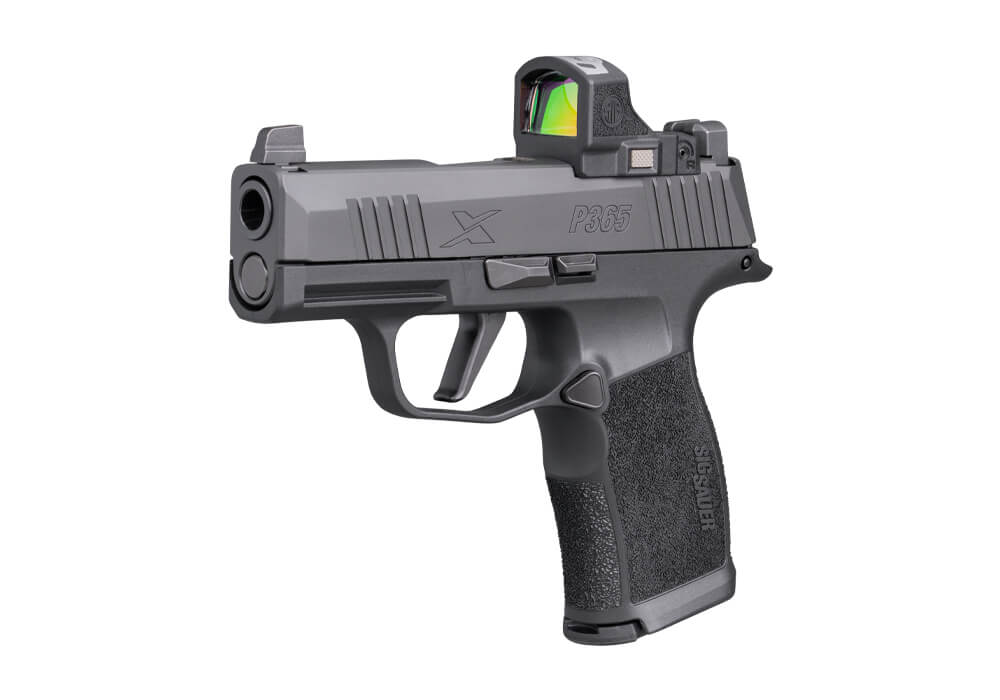
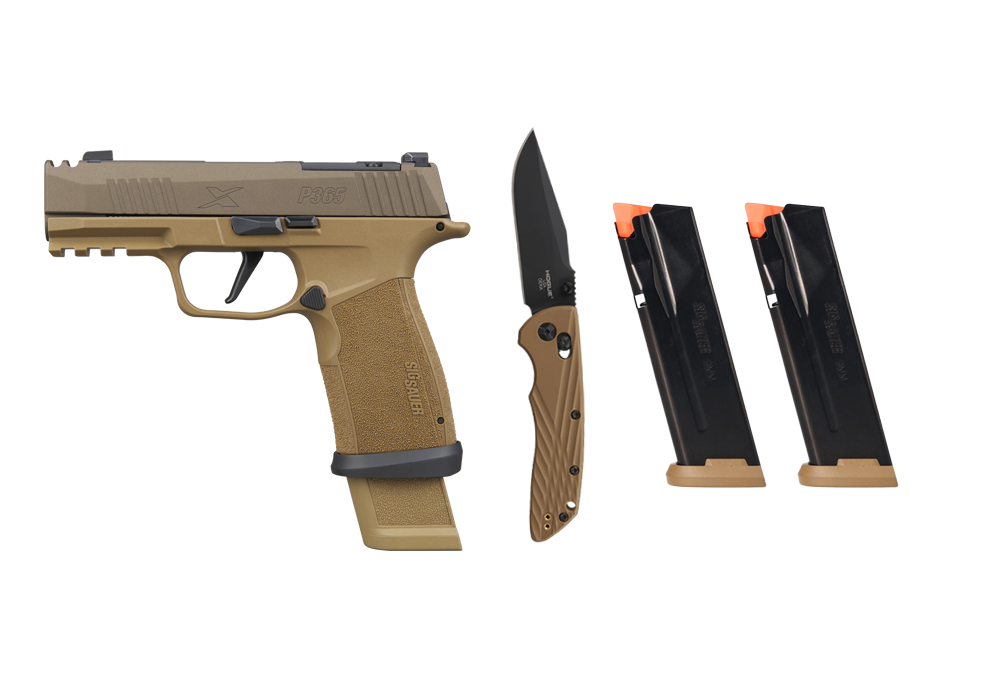
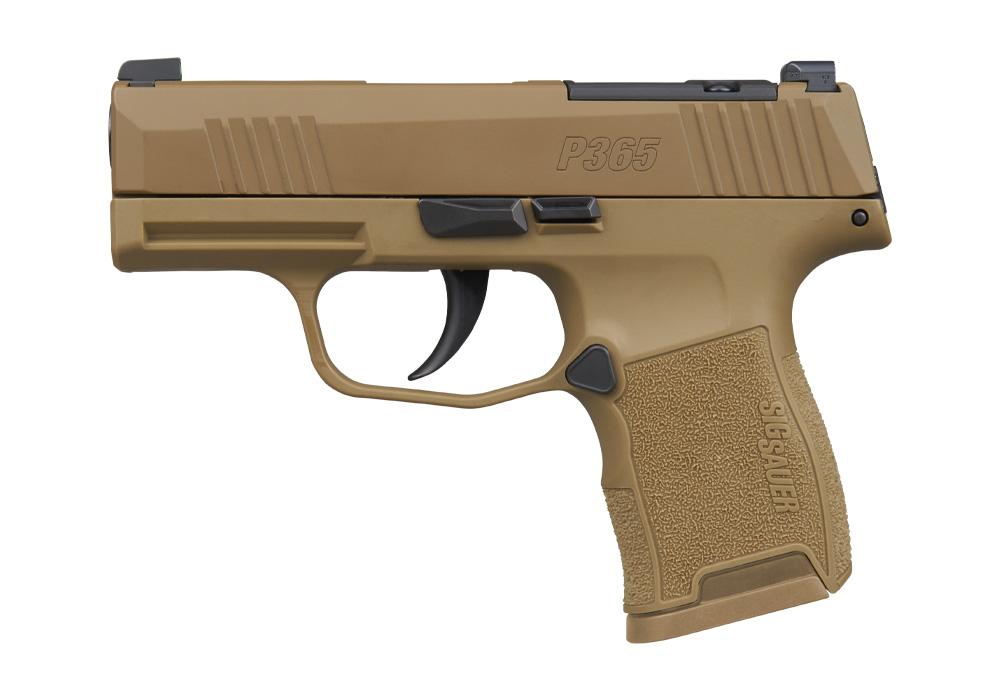
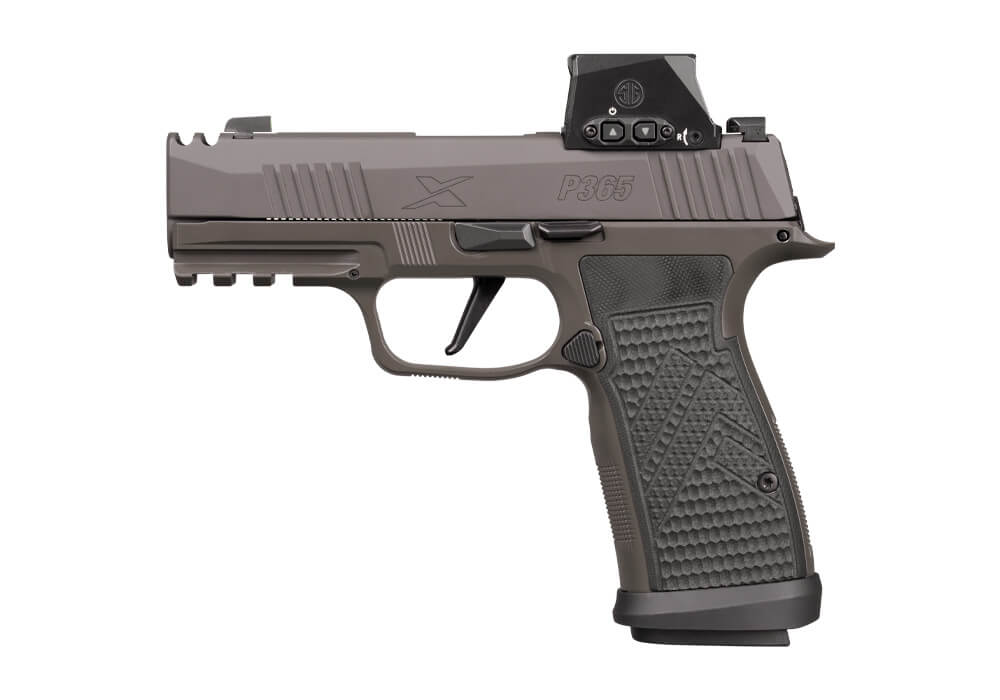
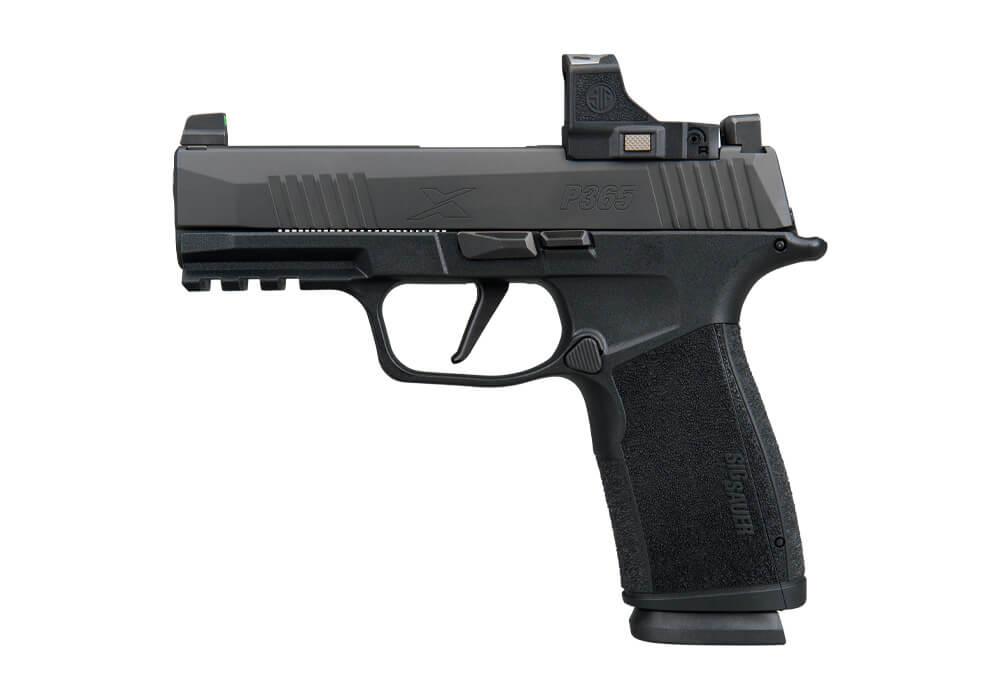
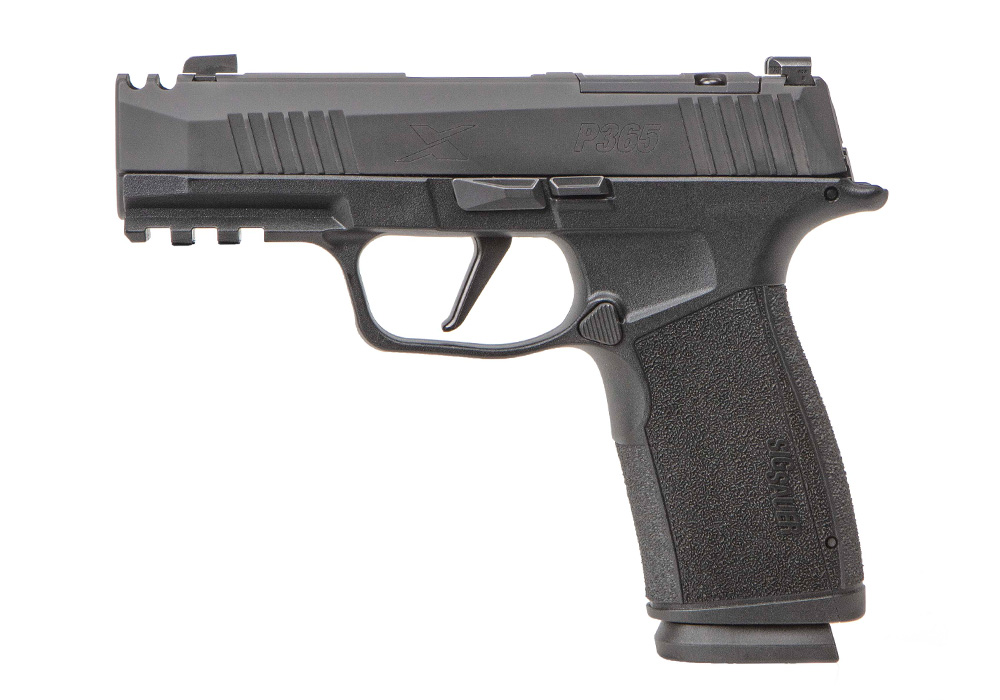
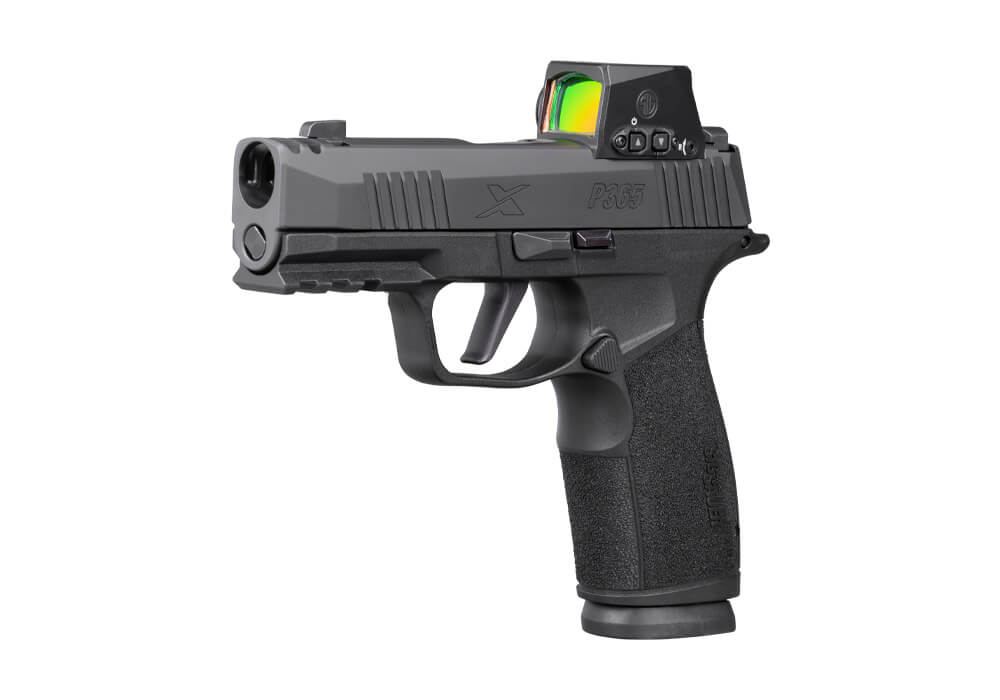
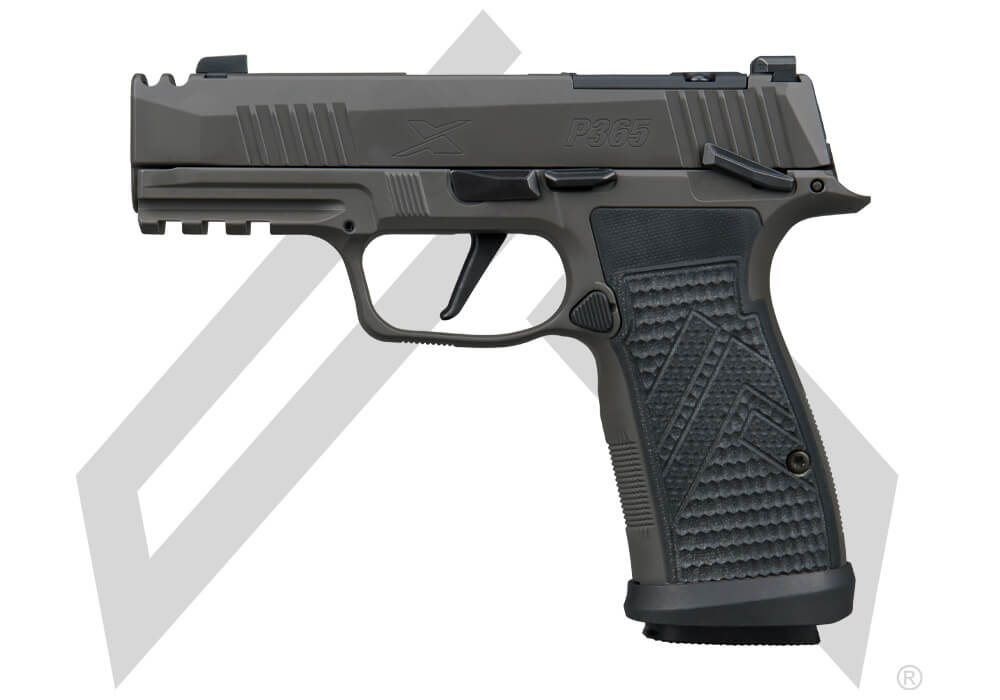
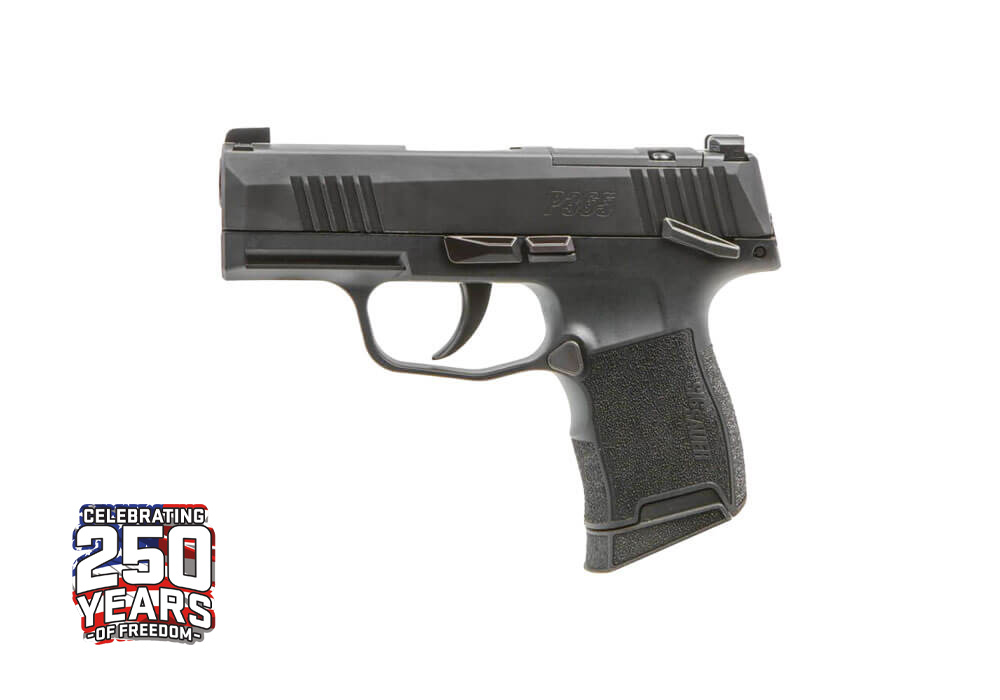
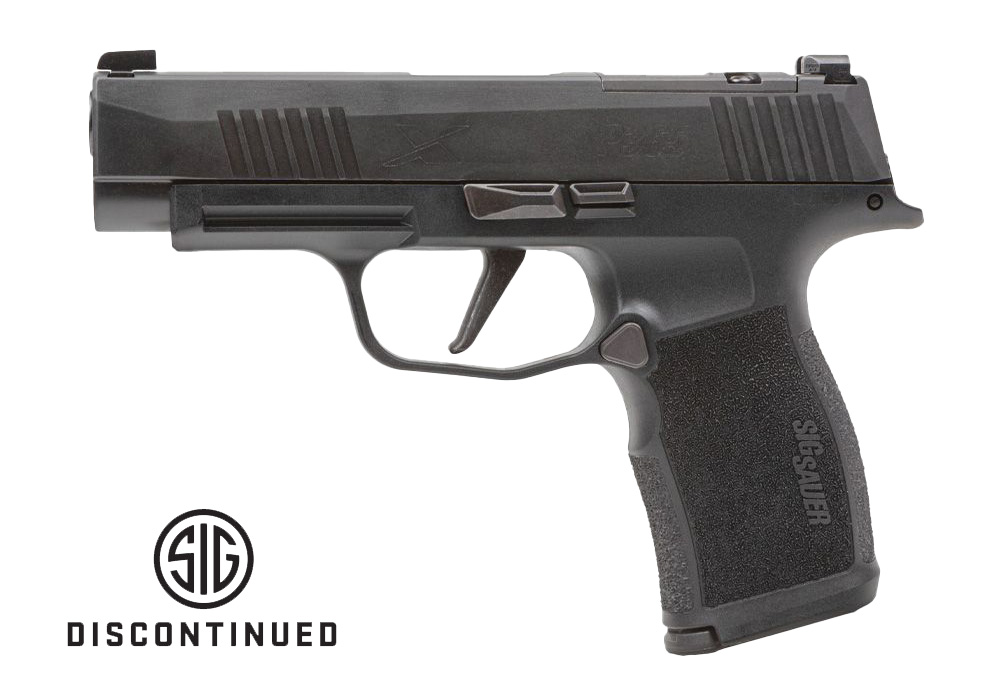
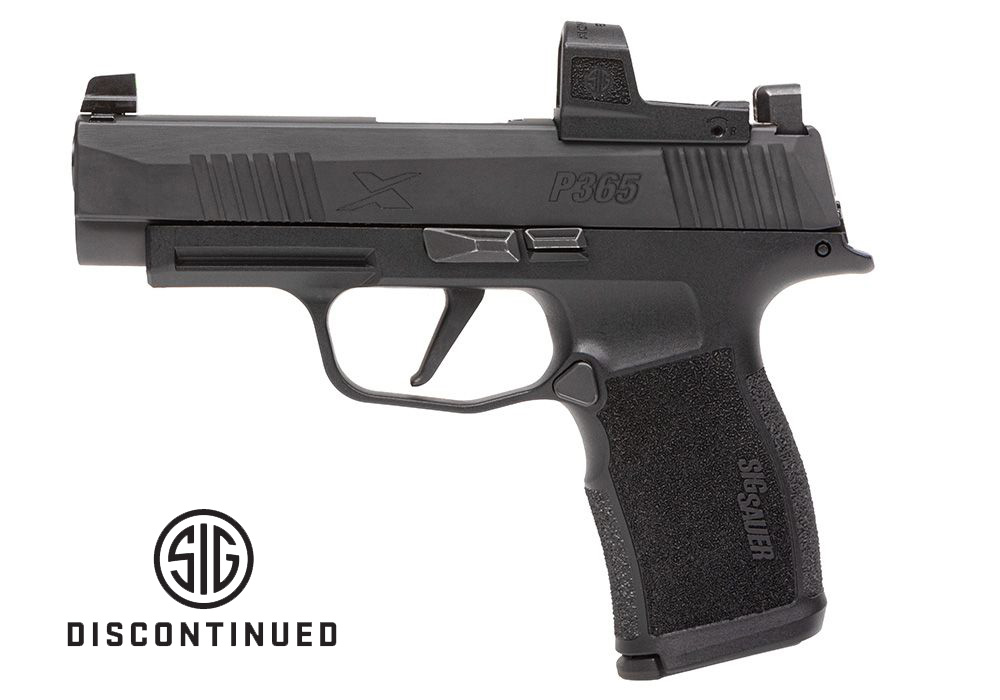
A 3.1-inch barrel 9mm pistol is a practical choice for everyday carry when a compact profile, manageable weight, and familiar 9mm Luger chambering are priorities. These handguns are generally built around a slim, striker-fired, semi-automatic design that can ride discreetly inside the waistband, under a light jacket, or in another purpose-built carry position without creating excessive bulk. Typical unloaded weights fall in the 17- to 22-ounce range, while overall lengths commonly measure about 5.8 to 6.1 inches. That combination gives a carrier a pistol that is small enough for daily routines yet substantial enough to establish a consistent shooting grip. A 3.1-inch barrel can also offer a useful balance between concealability and control: it keeps the slide and muzzle short for easier carry, while the 9mm cartridge remains widely available in a broad range of defensive and practice loads. Many compact 9mm pistols in this category offer flush-fit magazines holding 10 rounds, with extended magazines increasing capacity into the 13- to 17-round range. The right setup depends on the carrier’s clothing, hand size, holster position, and comfort with the additional grip length that comes with an extended magazine. A shorter grip may disappear more easily beneath a shirt, while a longer grip can provide a fuller purchase and more room for the shooting hand.
Choosing an everyday-carry pistol is less about selecting the smallest possible frame and more about finding a configuration that can be carried safely, drawn consistently, and operated confidently. Start with the grip: controls should be reachable without shifting the hand, and the trigger guard should remain fully protected by a rigid holster designed for that exact firearm and carry method. Pay close attention to how the pistol sits when walking, driving, bending, or wearing layered clothing during cooler months. A compact handgun that feels comfortable during a brief fitting but presses into the waist during a long commute may not be the best match for daily use. Sight options also deserve consideration. Standard iron sights are simple and durable, while an optic-ready slide can provide flexibility for those who want to add a compatible miniature red-dot sight after receiving proper instruction and confirming the setup holds zero. Some 3.1-inch 9mm pistols use porting or compensation to help manage muzzle movement, though any shortened or modified slide and barrel arrangement should be evaluated with the ammunition and holster intended for use. Before relying on a new pistol, spend time learning its controls, loading and unloading procedures, recoil characteristics, and point of impact at realistic distances. A short session at the range can reveal details that specifications cannot, such as whether the grip texture feels secure after several magazines or whether the chosen magazine length works with the carrier’s preferred concealment position.
These pistols may suit experienced carriers seeking a lighter, more discreet option, as well as new owners who are prepared to invest in instruction, secure storage, and regular practice. They can also be considered as a gift only when the recipient is legally eligible, genuinely interested, and able to choose a configuration that fits their hands and intended carry method; a lawful transfer through the required process is essential, and giving a firearm as a surprise is rarely the safest way to match someone with the right equipment. A gift certificate, training class, quality eye and ear protection, or a properly fitted holster may be a better choice when preferences are uncertain. Regardless of who purchases the firearm, local and state laws should be reviewed before acquisition, transport, carry, or transfer. Safe storage matters just as much as the pistol itself, particularly in homes with children or other unauthorized users. Consider a quick-access safe for lawful defensive storage, a locked container for transport, and separate storage practices for ammunition as required by applicable law and household circumstances. A dependable belt and holster are equally important: the holster should retain the pistol, cover the trigger, and remain stable throughout normal movement. Regular practice should include safe handling, unloaded dry practice where permitted and conducted in a secure environment, live-fire fundamentals, malfunction procedures, and decision-making under stress. Carriers who prefer a little more sight radius or grip area can also compare compact options with 3.7 In Barrel 9mm Handguns for Self Defense, while those focused on discreet everyday carry may find the 3.1-inch format offers a comfortable middle ground for daily routines, from a morning commute to an evening walk during the cooler months.