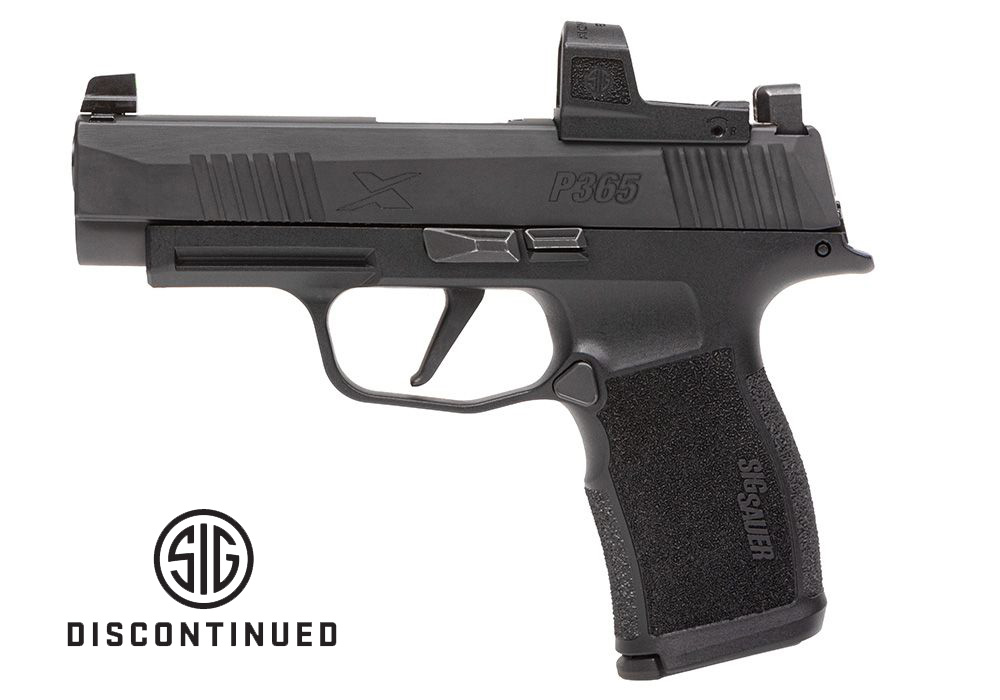
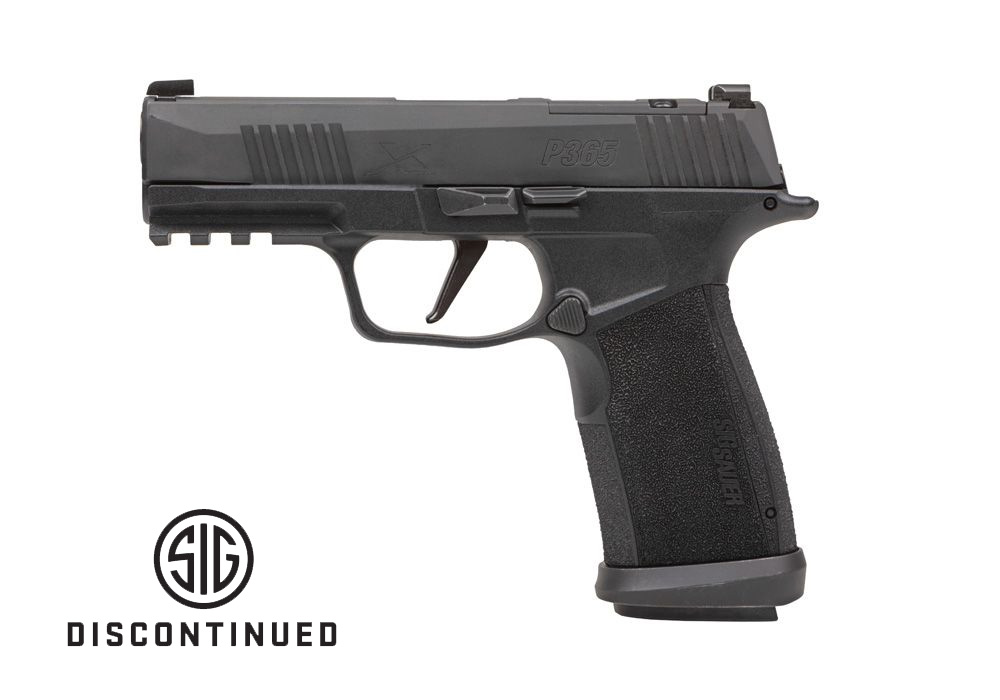
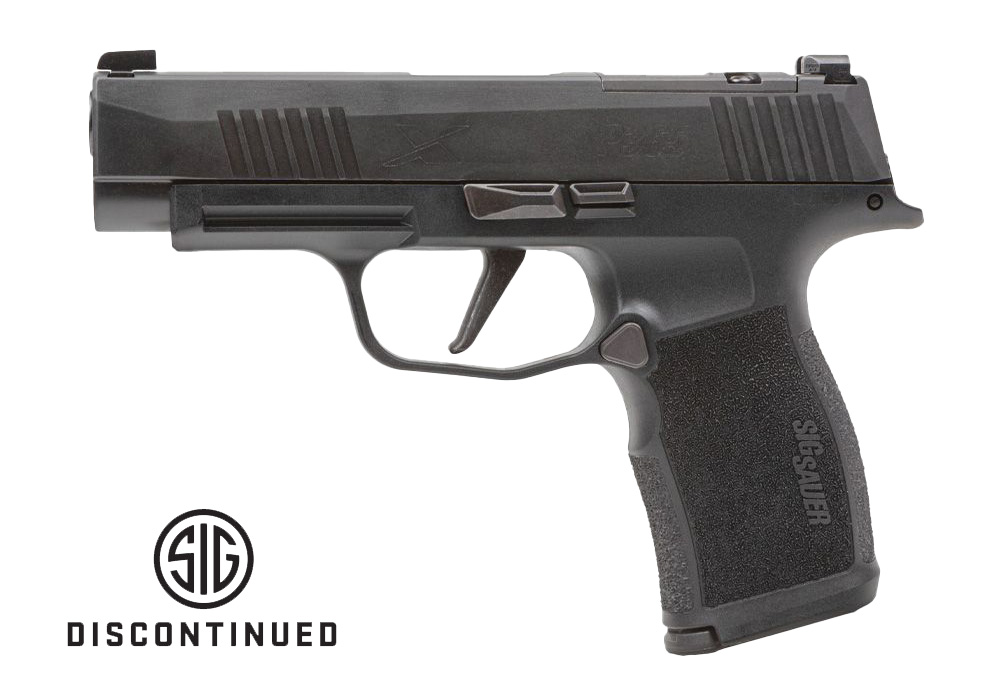
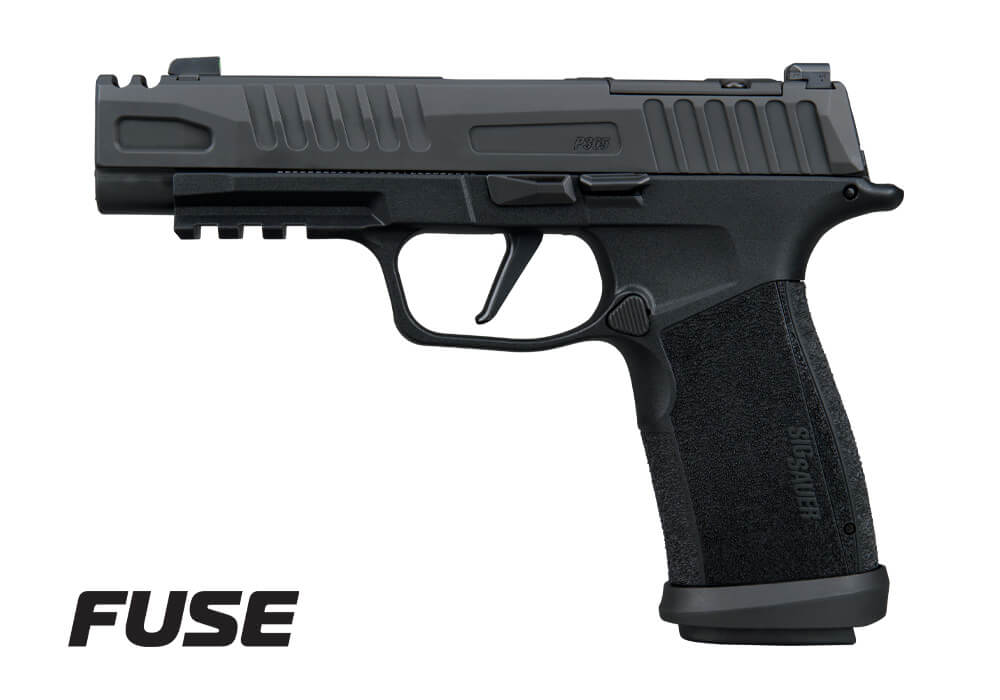
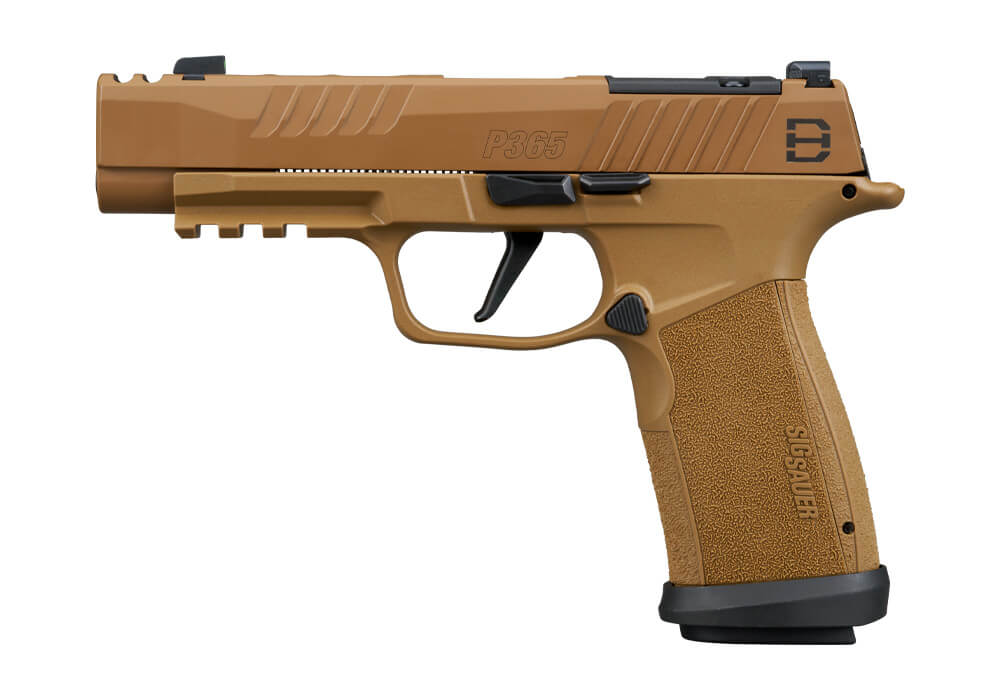
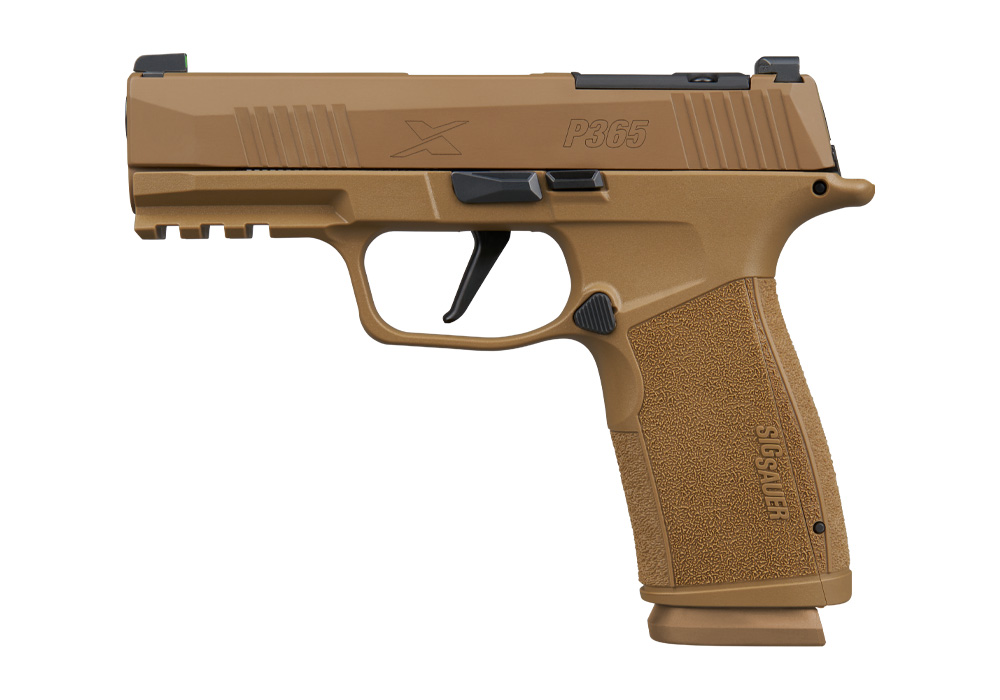
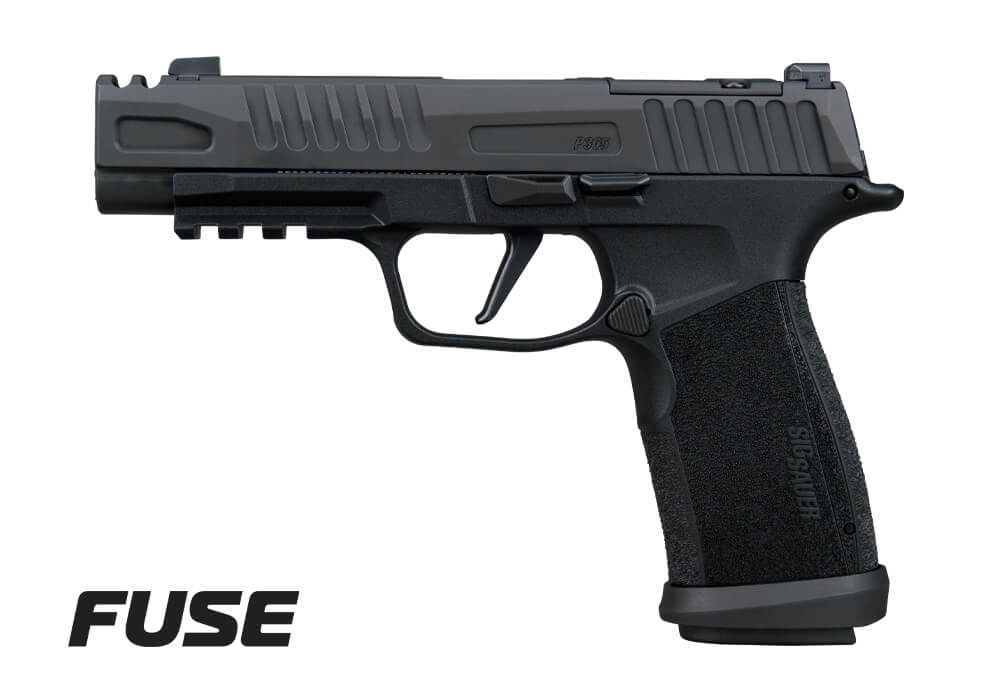
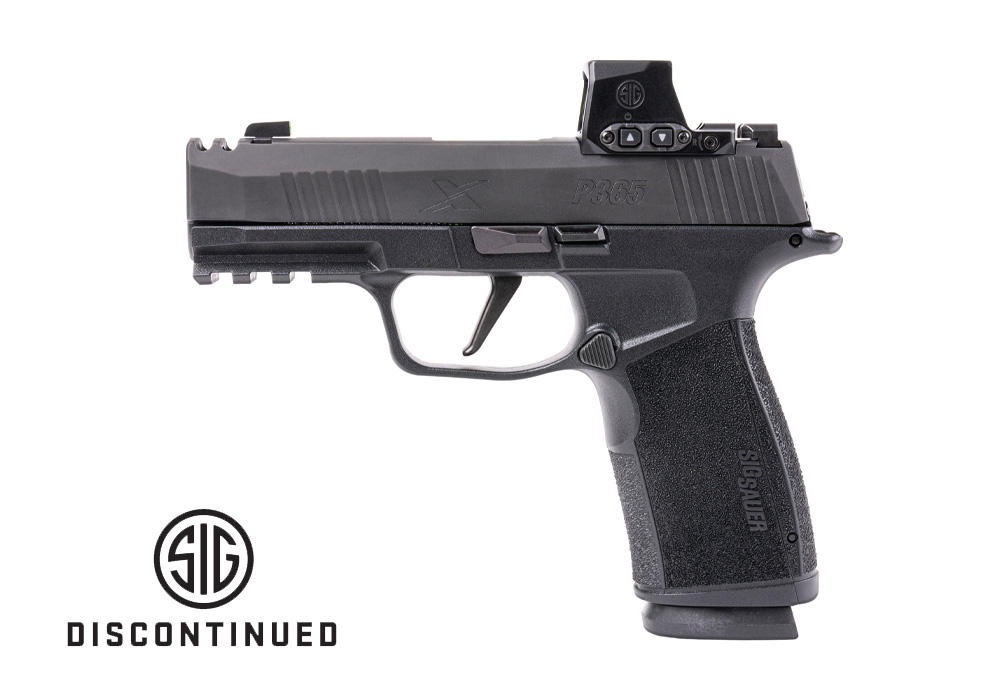
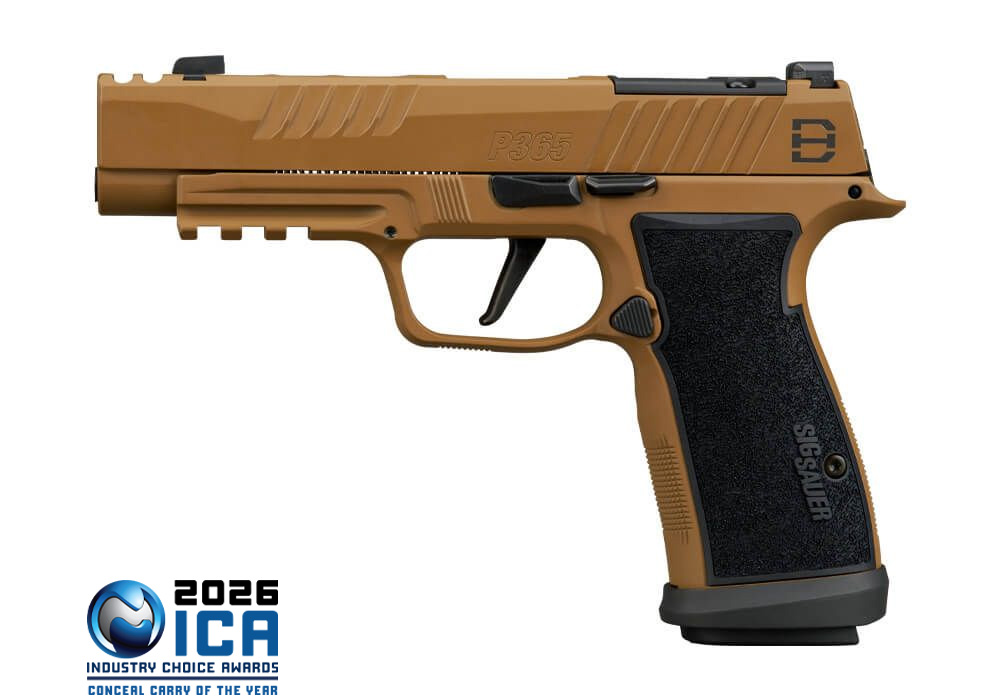
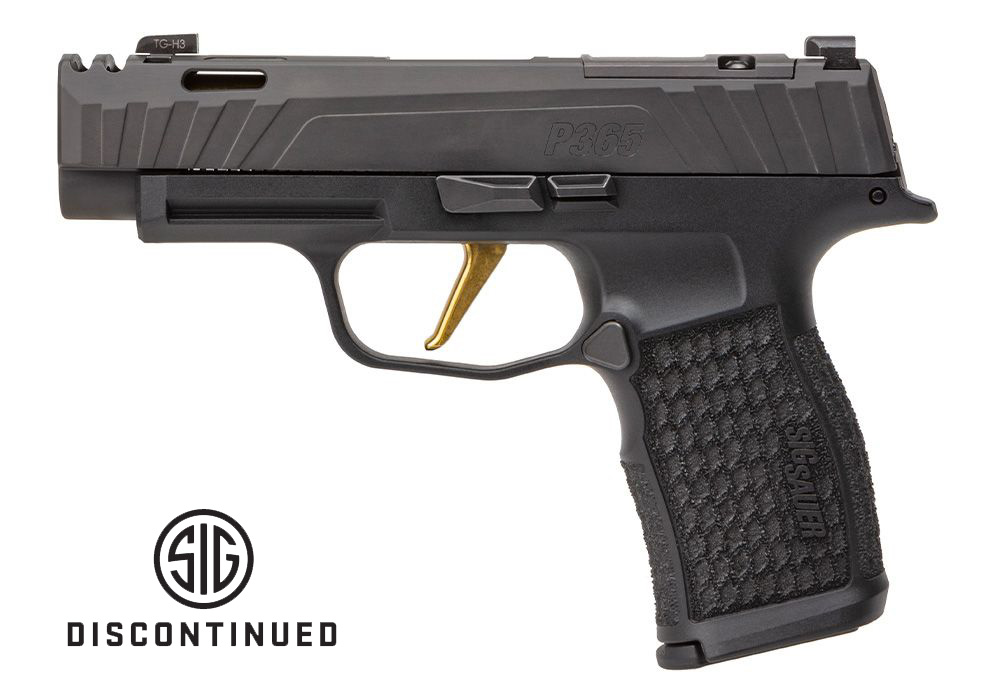
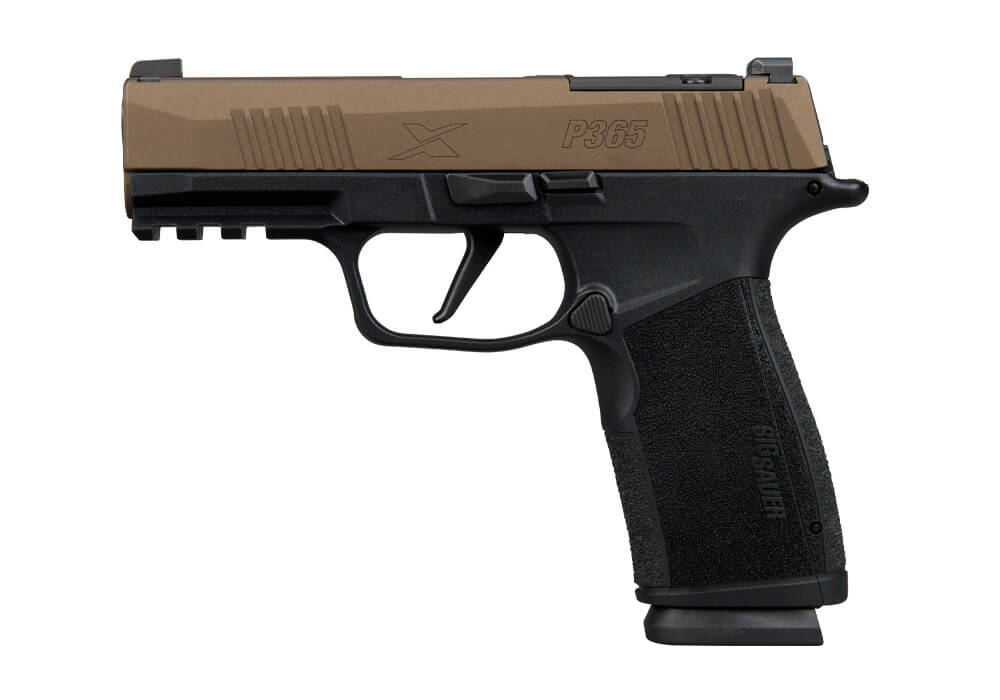
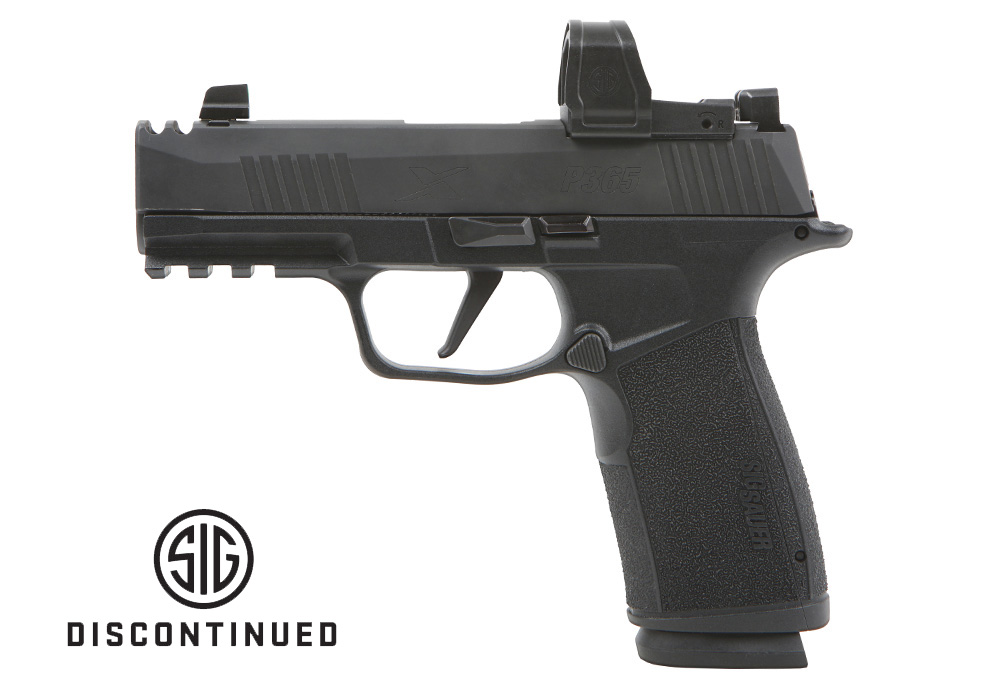
A 9mm handgun with a 3.7-inch barrel occupies a practical middle ground between very small carry pistols and larger handguns intended primarily for range or home use. For self-defense, that size can offer a useful balance of manageable dimensions, a comfortable grip, and handling that supports regular practice. Barrel length alone, however, does not determine how easily a handgun conceals or how comfortably it shoots. Overall height, slide width, grip shape, weight, and holster fit all contribute to the experience. A grip that extends farther below the belt may show through clothing more readily than a slightly longer slide, while a shorter grip may leave less room for the little finger. Those differences matter when comparing compact 9mm handguns for everyday carry, especially for someone who spends much of the day seated or moving between different tasks. A 3.7-inch barrel also does not guarantee a particular level of accuracy, reliability, or recoil control; those qualities depend on the complete firearm, its ammunition, its condition, and the person handling it. The appeal of this category is its versatility: compact proportions for lawful concealed carry, enough usable grip on some configurations for a secure two-handed hold, and dimensions that can remain comfortable through a supervised practice session. For home-defense ownership, concealment may matter less than accessible controls, clear sights, and secure storage that prevents unauthorized access. For a newer owner, a manageable size should still allow safe, confident operation rather than simply fitting into the smallest possible holster. More experienced owners may appreciate a compact handgun that feels consistent with their established training habits. Across these uses, the strongest starting point is the complete fit of the handgun, not the barrel measurement in isolation. Comparing unloaded examples with assistance from a qualified professional can make small differences in reach, balance, and grip contour easier to recognize.
Materials and construction help explain why two 3.7-inch barrel 9mm handguns can feel noticeably different despite similar dimensions. Polymer frames are common in compact pistols because they keep weight manageable, while metal frames generally add weight and create a different balance in the hand. Steel barrels and slides provide working surfaces that must withstand repeated use, and protective finishes help resist corrosion and everyday wear without eliminating the need for care. Neither frame material automatically establishes quality or suitability. Grip texture, frame contour, control placement, and the way the handgun settles into the palm often tell more about practical fit. Texture should provide a secure hold without becoming uncomfortably abrasive against the body during lawful carry. A fuller grip can provide additional contact for the hands, although it also changes the firearm’s overall height. Interchangeable backstraps or grip components, where offered, may accommodate different hand sizes, but compatibility is specific to the firearm. Trigger reach deserves similar attention: a handgun that feels compact on a counter may still place its controls awkwardly for someone with shorter fingers. Slide operation and magazine release access are also worth evaluating under safe, supervised conditions. Sight configurations vary, from conventional iron sights to slides designed to accept compatible electronic sights. An optics-ready designation does not mean every sight fits, and mounting interfaces, required hardware, and manufacturer specifications should be verified before selecting accessories. A manual safety is another configuration detail rather than a substitute for safe handling; its presence or absence should align with informed preferences and consistent training. Barrel length should not be treated as a universal compatibility standard, either. The 9mm Barrels For Concealed Carry category provides related context for shoppers considering barrel options, but any replacement must match the exact firearm configuration and manufacturer requirements. For the complete handgun, dependable construction, clearly documented specifications, and a comfortable interface between hand and frame matter more than an isolated feature.
Long-term satisfaction with a compact self-defense handgun depends as much on ownership habits as on its initial feel. A properly fitted holster should be designed for the exact handgun and any installed accessories, fully cover the trigger guard, retain the firearm securely, and remain stable during ordinary movement. A belt and holster that work together can influence comfort substantially, particularly when the handgun is worn for extended periods. Extra magazine length, an added sight, or another compatible accessory can change the fit, so the complete configuration deserves consideration rather than the bare firearm alone. Secure storage is equally important, whether the handgun is intended for home use, lawful carry, or occasional practice. A locked storage solution should prevent access by children and other unauthorized people, with storage arrangements that comply with applicable law. Routine maintenance supports durability: perspiration, lint, handling residue, and debris can collect on a carry firearm even when it has not been fired. Cleaning and lubrication should follow the owner’s manual, using suitable supplies and keeping excess oil away from areas where it can attract debris or affect components. Before handling or maintenance, follow the manufacturer’s unloading procedure and verify that the firearm is unloaded. Periodic inspection can reveal worn parts, damaged magazines, corrosion, or loose accessory hardware that warrants attention from a qualified gunsmith. Ammunition must match the firearm’s marked chambering and any manufacturer restrictions; a 3.7-inch barrel does not establish ammunition suitability by itself. Regular range practice and professional instruction help owners become familiar with safe handling, sight visibility, control operation, and the feel of the handgun over time. A pistol that feels agreeable during a brief inspection may be less comfortable through repeated practice, which is why supervised range experience can add valuable perspective. For adults considering compact 9mm handguns for self-defense, the most meaningful combination is appropriate fit, durable construction, reliable function, compatible equipment, and a realistic commitment to responsible ownership. Understanding local laws governing purchase, possession, transport, storage, and carry remains part of that commitment, regardless of the firearm’s size.