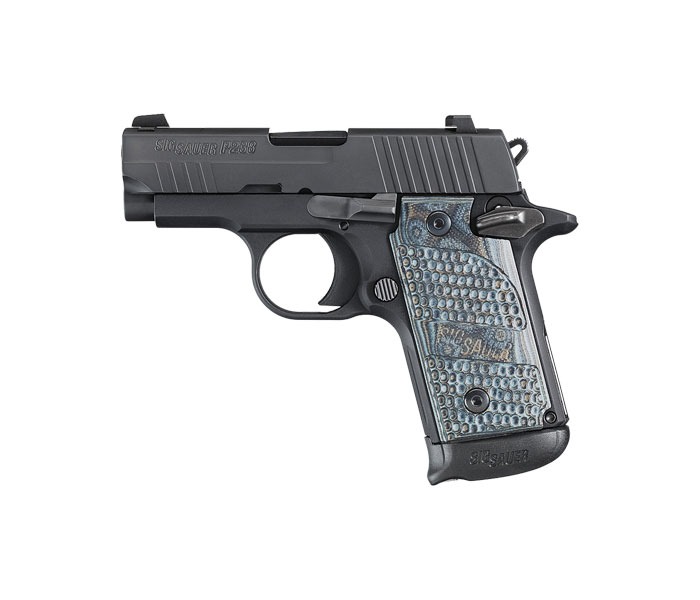
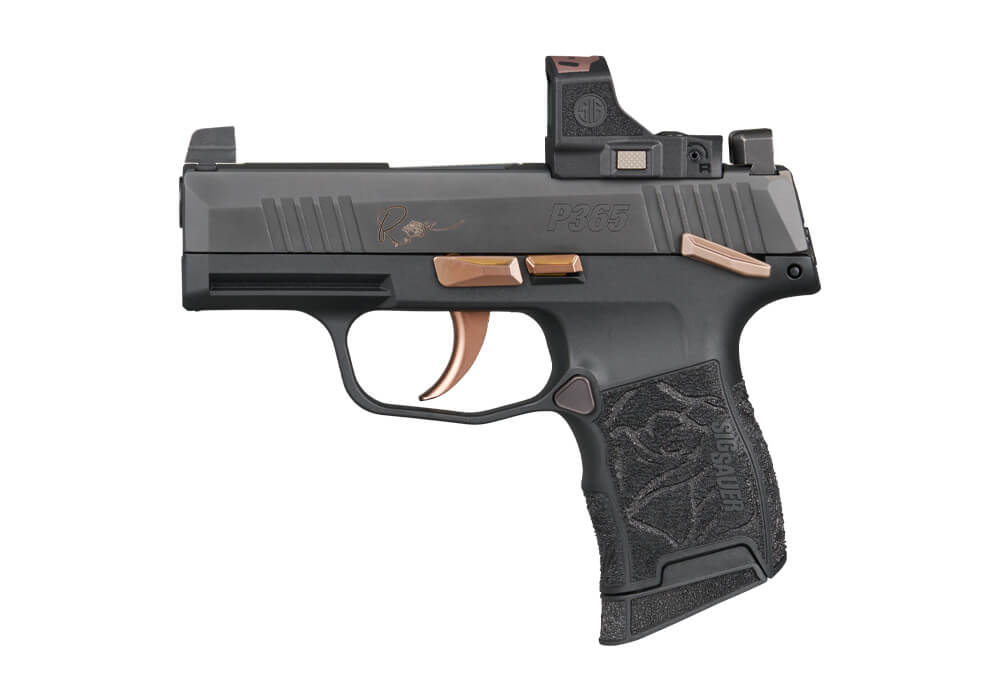
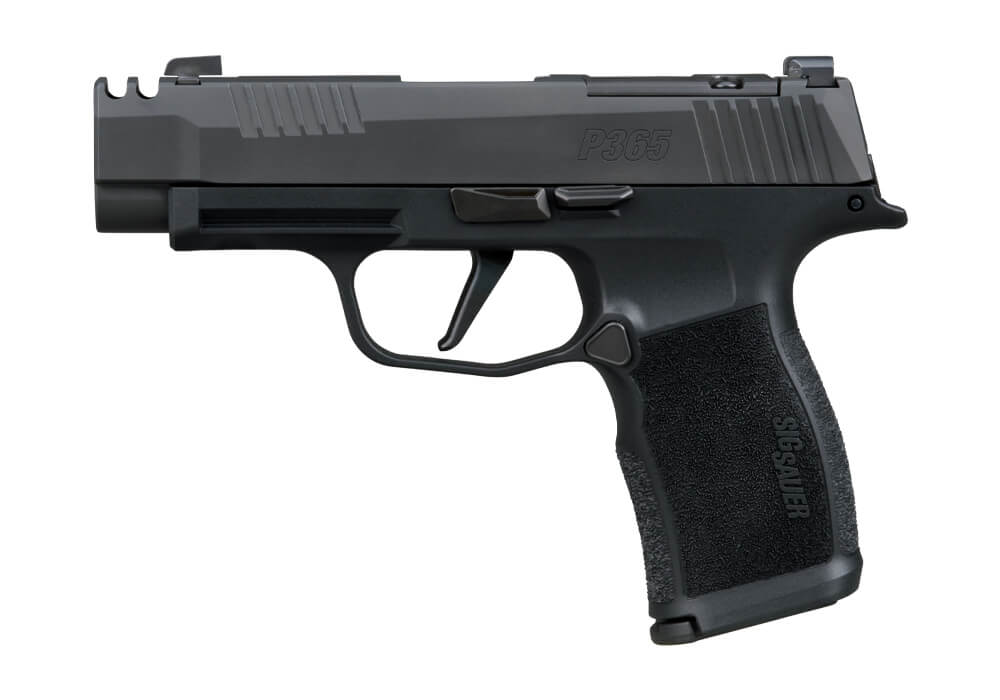
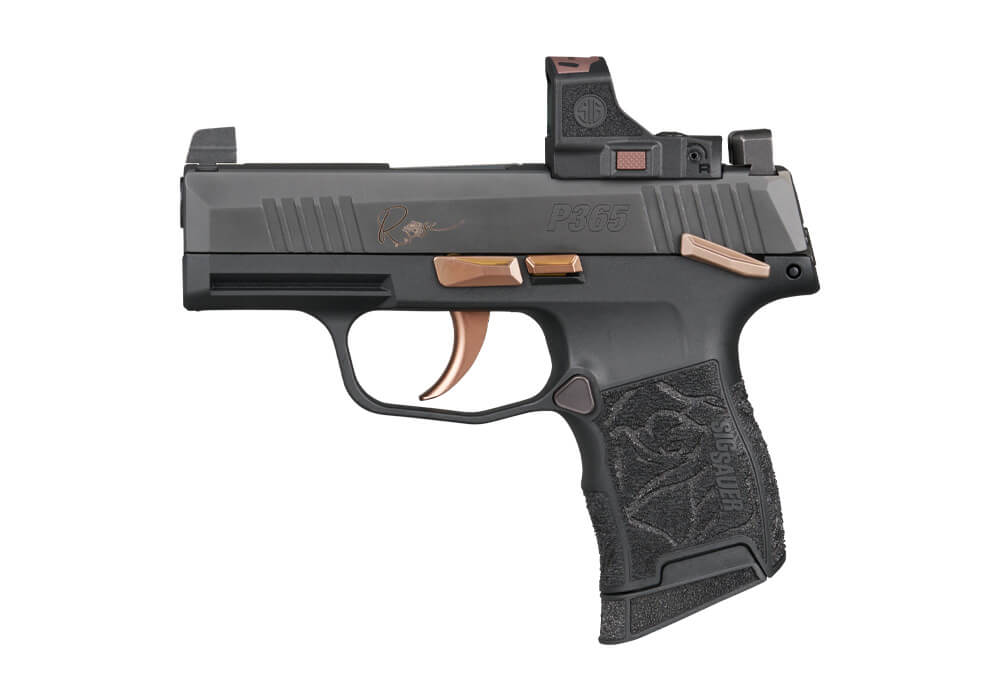
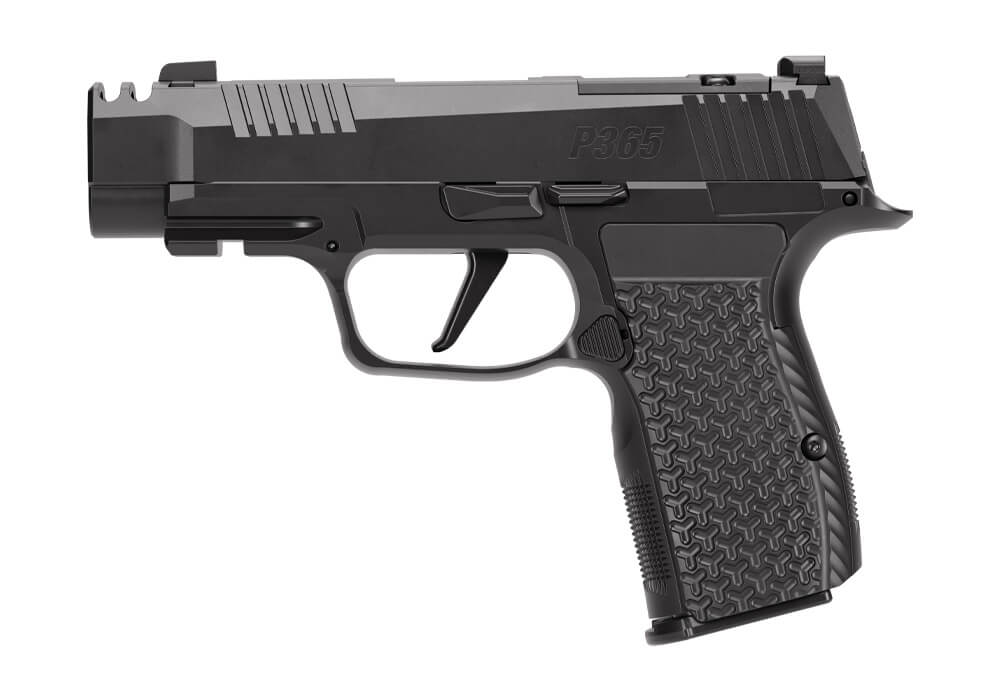
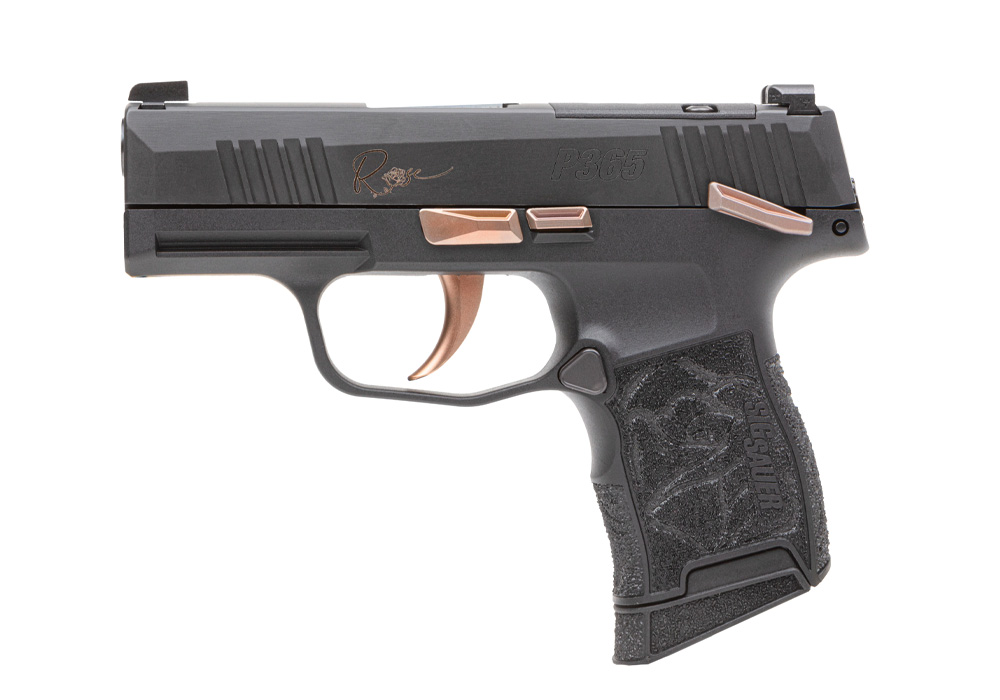
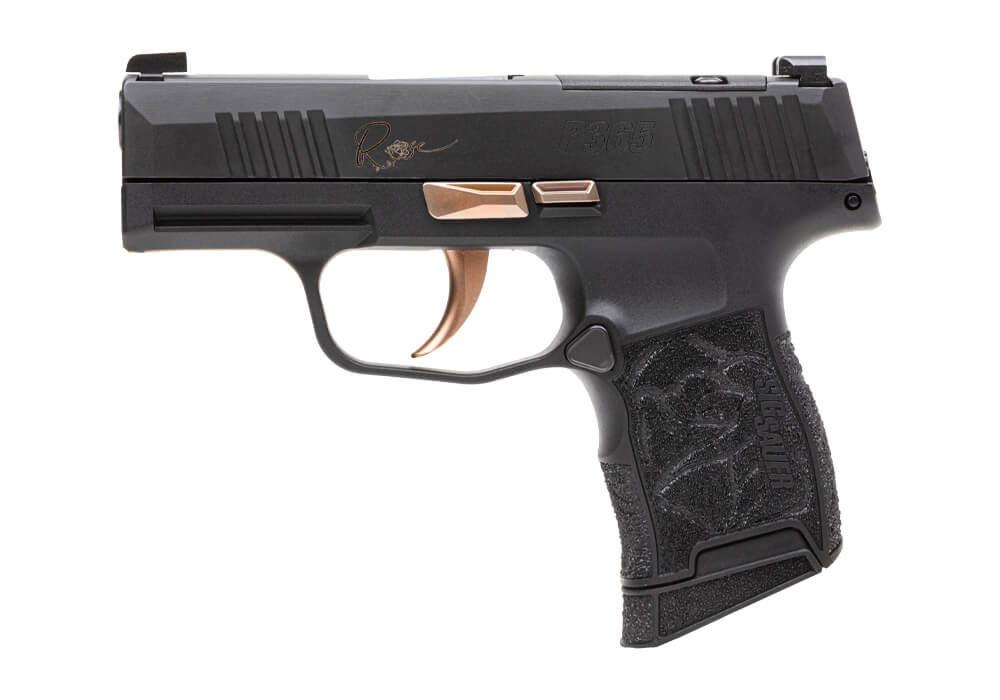
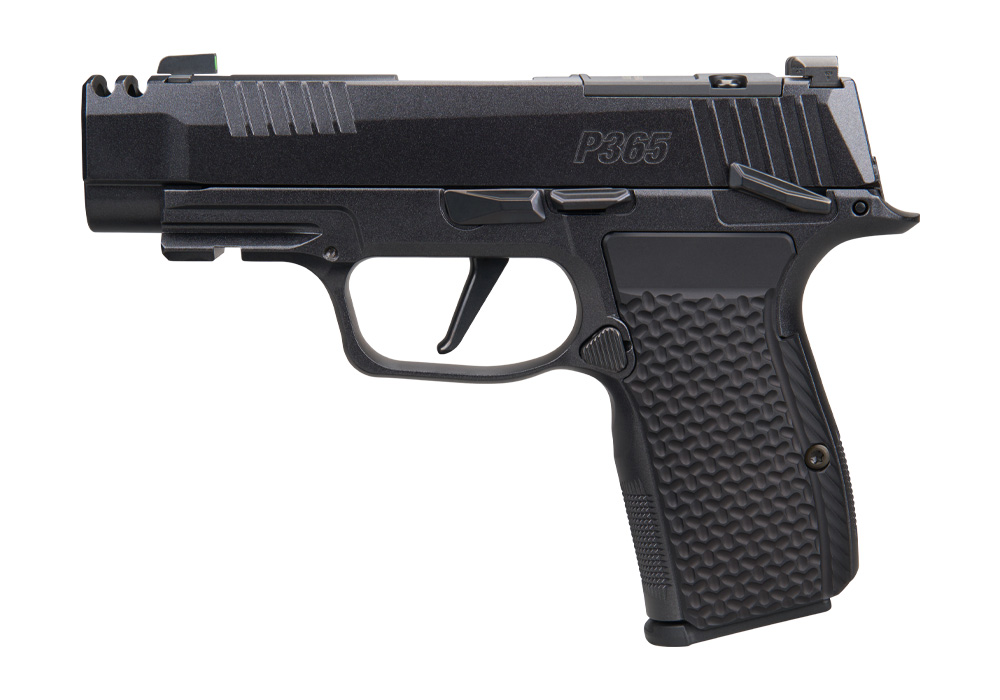
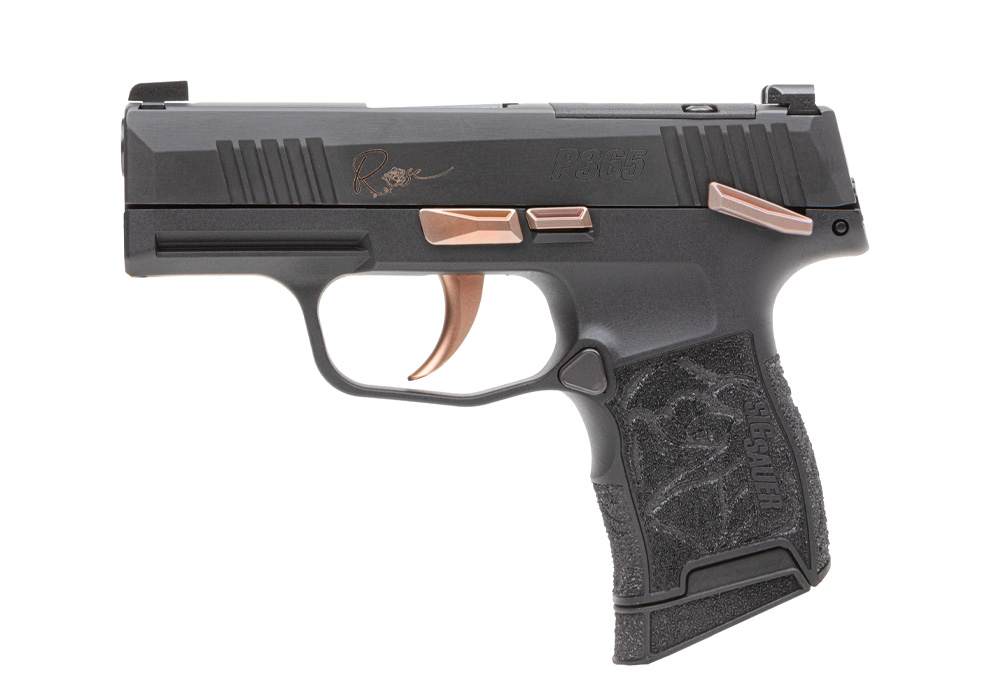
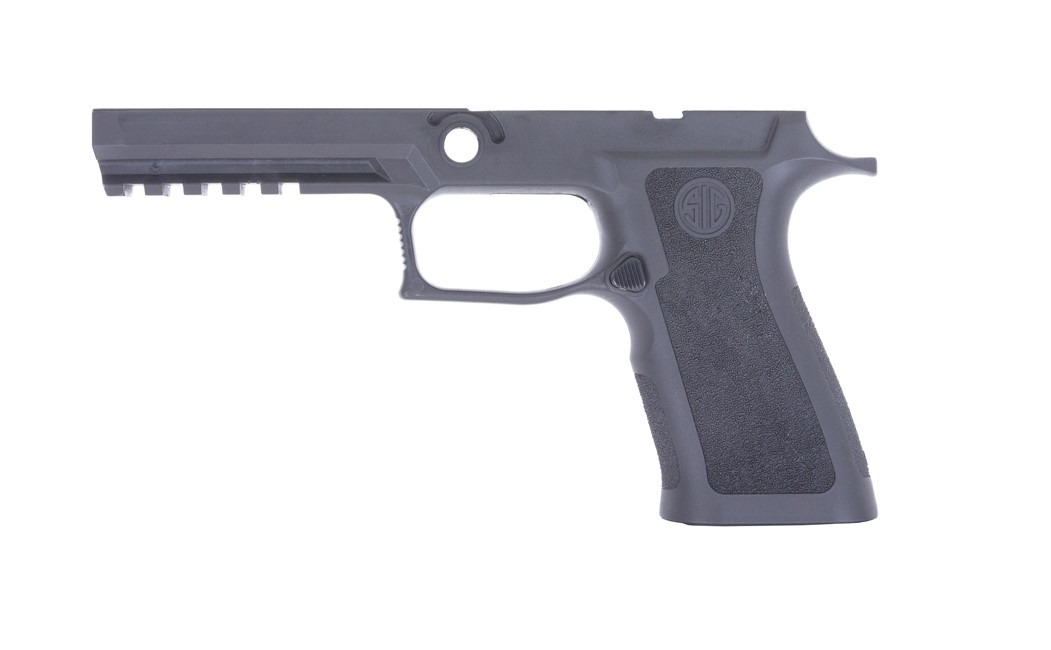
For hikers who prioritize a light, compact setup, .380 ACP pistols can offer a practical balance of portability, controllability, and everyday usability. A well-chosen .380 pistol is often small enough to carry without adding much weight to a daypack or belt, yet substantial enough to provide a familiar, confidence-inspiring platform when paired with consistent practice. Many models weigh less than a pound unloaded, making them appealing for long trail days when every ounce matters. Their slim profiles work well with purpose-built pocket, waistband, belt, or chest holsters, while their relatively mild recoil compared with many larger defensive calibers can make practice more comfortable. That balance is especially useful on a steep trail, where a bulky setup can shift, rub, or compete with water, snacks, navigation equipment, and layers. A hiker moving through shaded forest, open ridgelines, or cool-weather backcountry should be able to carry the pistol securely and access it only when lawful and necessary, without allowing it to interfere with trekking poles, climbing over fallen timber, or adjusting a pack. When comparing 380 Pistols For Hiking, consider overall dimensions, unloaded weight, grip shape, sight visibility, trigger feel, and how naturally the pistol fits your hand. A very small frame may disappear easily under light clothing, but its abbreviated grip and sights can be more demanding to shoot well. A slightly larger compact design may offer a steadier hold and more comfortable control, particularly for longer practice sessions. Recoil is subjective, too; a pistol that feels gentle in one person’s hands may feel sharp in another’s, so selecting a configuration that encourages regular training is more important than choosing the smallest possible option.
Carry equipment deserves the same care as the pistol itself. A hiking holster should cover the trigger guard completely, hold the firearm securely during bending and climbing, and keep the pistol positioned consistently so it cannot shift loose inside a pocket or pack. Carrying a handgun loose in a backpack pocket is generally a poor solution because other gear can enter the trigger area, obscure access, or leave the firearm unsecured when the pack is removed. A dedicated holster matched to the pistol and the activity is a better starting point, with chest and shoulder-style systems often offering convenient visibility while wearing a loaded pack. Waist and belt holsters can be comfortable for day hikes, provided they remain stable beneath a jacket or outer layer. During the cooler months, pay attention to how fleece, rain shells, gloves, and changing layers affect both concealment and access. Moisture, trail dust, perspiration, and fine grit can also affect reliability, so inspect and clean the pistol according to the manufacturer’s instructions and use ammunition recommended for the firearm. Standard or extended capacity magazines may be available depending on the model and applicable law, but magazine size should never replace sound judgment, safe handling, or practice. Before heading into public land, confirm state, local, and park regulations, including rules for possession, loaded carry, transport, and crossing jurisdictional boundaries. A secure case may be required while traveling to and from a trailhead, and some parks or facilities may prohibit firearms entirely. A brief, realistic practice routine can reveal details that are easy to overlook at home: whether the sights are visible in low light, whether the grip remains secure with damp hands, whether a jacket snags on the holster, and whether the chosen ammunition feeds reliably. For hikers who also spend time practicing from a bench or at an indoor range, exploring 380 Pistols For Range Shooting can help identify a setup that is comfortable enough to train with regularly.
These pistols may suit experienced outdoorspeople, casual day hikers, campers, and anyone seeking a lighter defensive firearm for lawful everyday carry, but they are not a substitute for preparation or awareness. A .380 ACP pistol is generally considered for defense against human threats and should not be selected as a dedicated solution for large-predator country. Hikers traveling where encounters with bears or other dangerous wildlife are a realistic concern should study local wildlife guidance, carry appropriate deterrents such as approved bear spray when recommended, and understand that firearm selection for that environment may involve different equipment, training, and legal requirements. Wildlife behavior, food storage, group travel, noise discipline, and campsite practices remain important parts of backcountry safety. For a new owner, an introductory handgun course, supervised range time, and instruction from a qualified professional can build confidence without encouraging careless handling. The right gift for a responsible adult outdoorsperson may include a .380 pistol along with a secure holster, eye and ear protection, a quality storage solution, and training resources, subject to all applicable laws and transfer requirements. It is worth remembering that a pistol carried on a trail is equipment, not an accessory: it should remain under the owner’s control, be stored securely around children and other unauthorized people, and be handled with the muzzle pointed in a safe direction and the trigger finger indexed outside the trigger guard until a lawful decision to fire has been made. A compact .380 can be especially appealing when the route begins before sunrise, the trail narrows between damp evergreens, or a long return hike makes a heavier setup feel burdensome. Choosing thoughtfully, practicing regularly, carrying securely, and respecting local regulations allows hikers to select from 380 Pistols For Hiking with a clear understanding of both their useful qualities and their limitations.