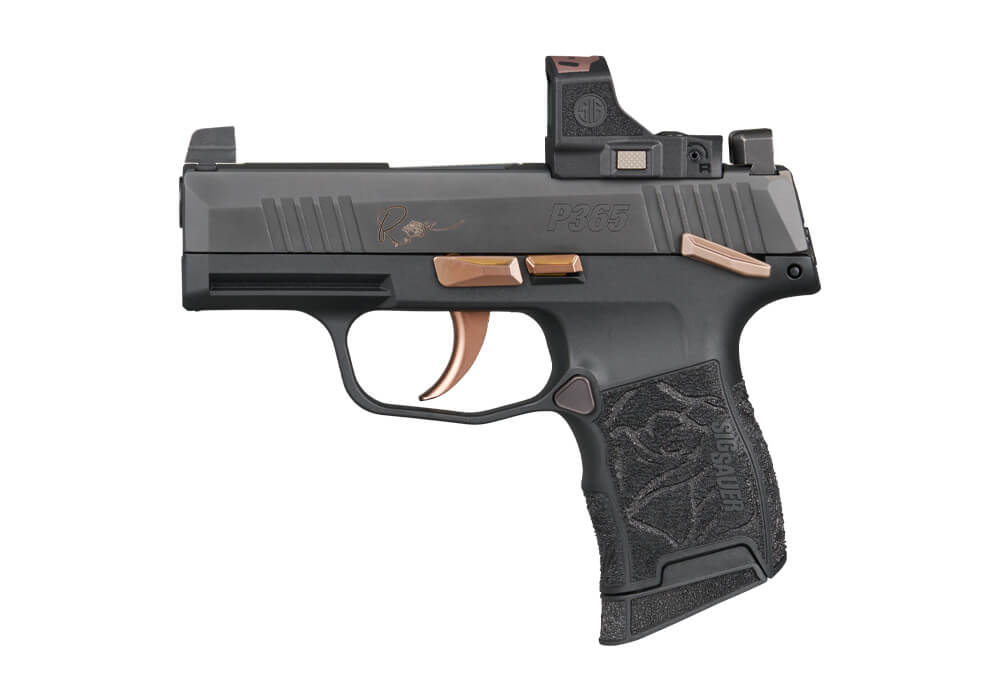
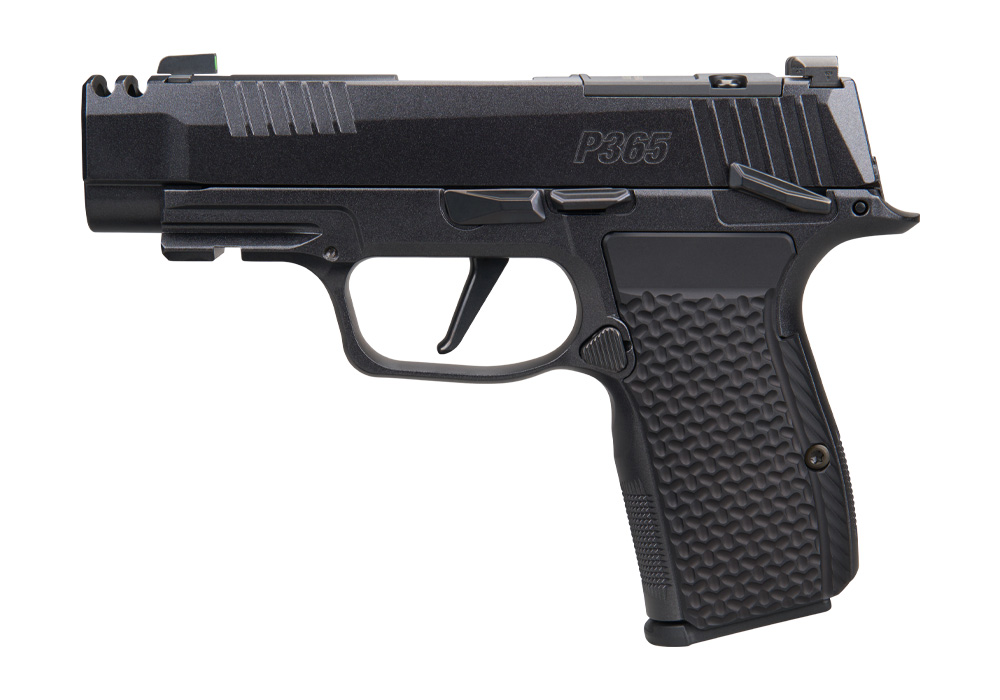
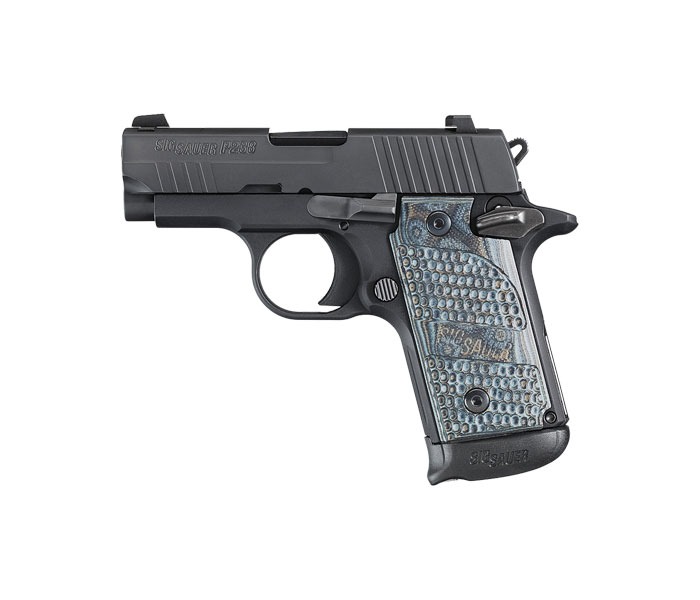
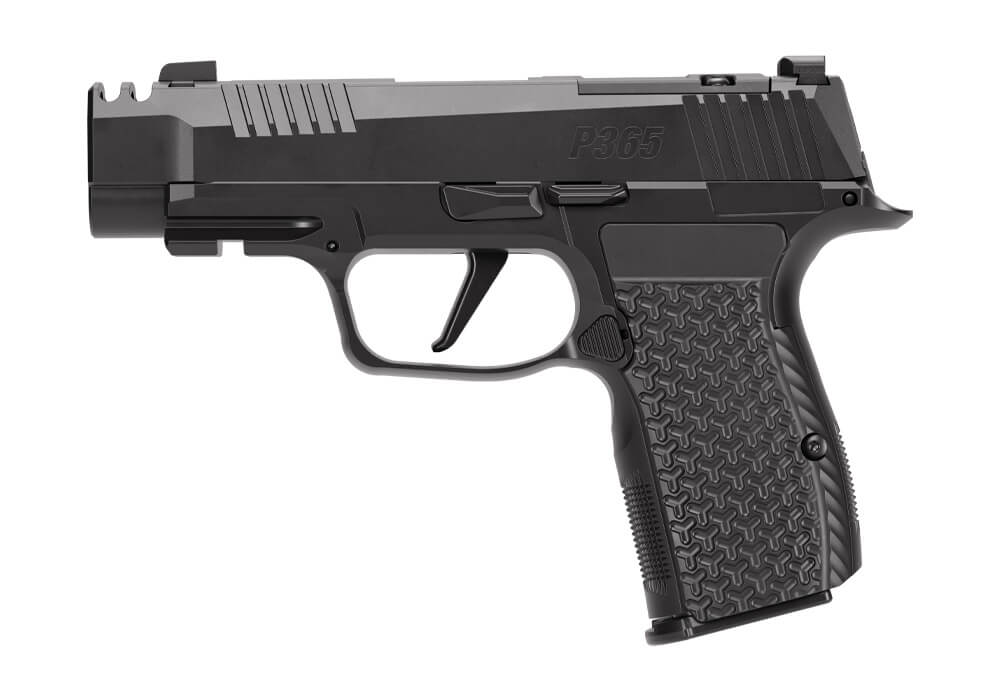
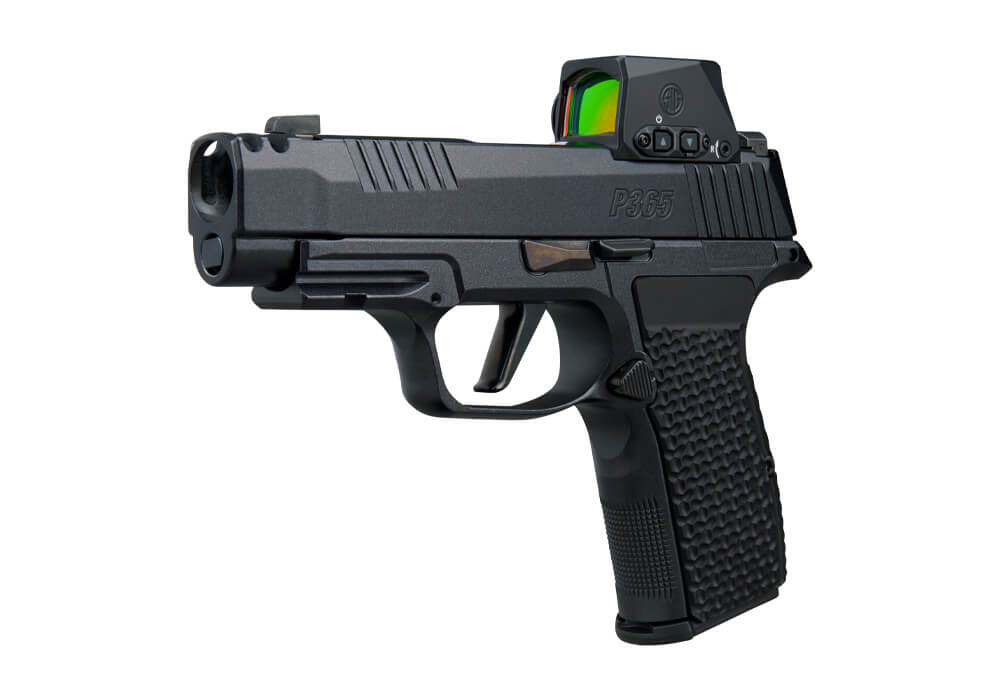
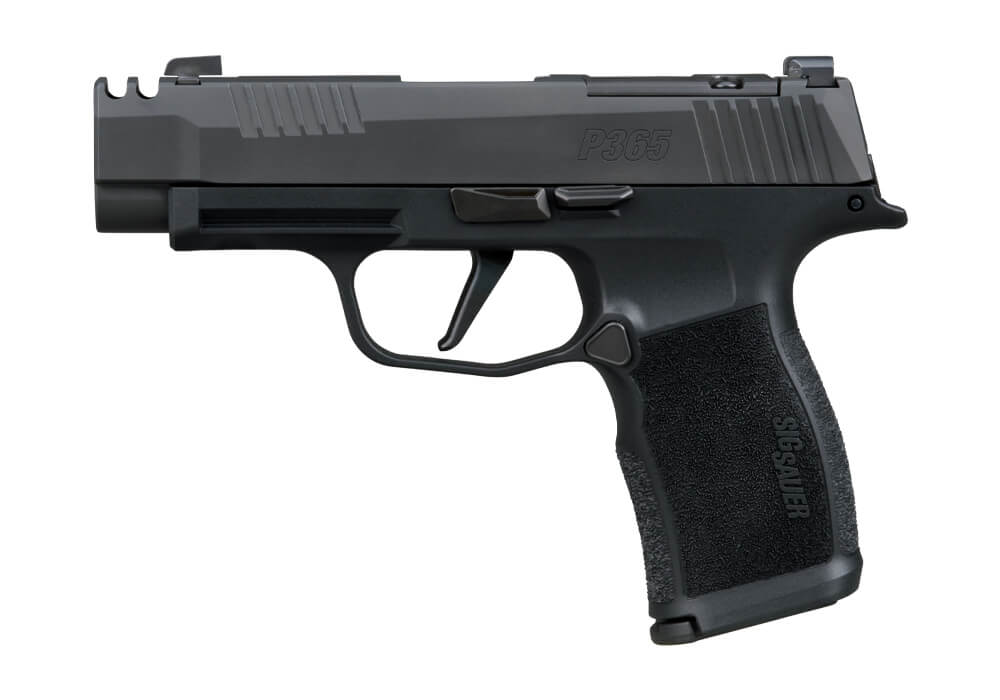
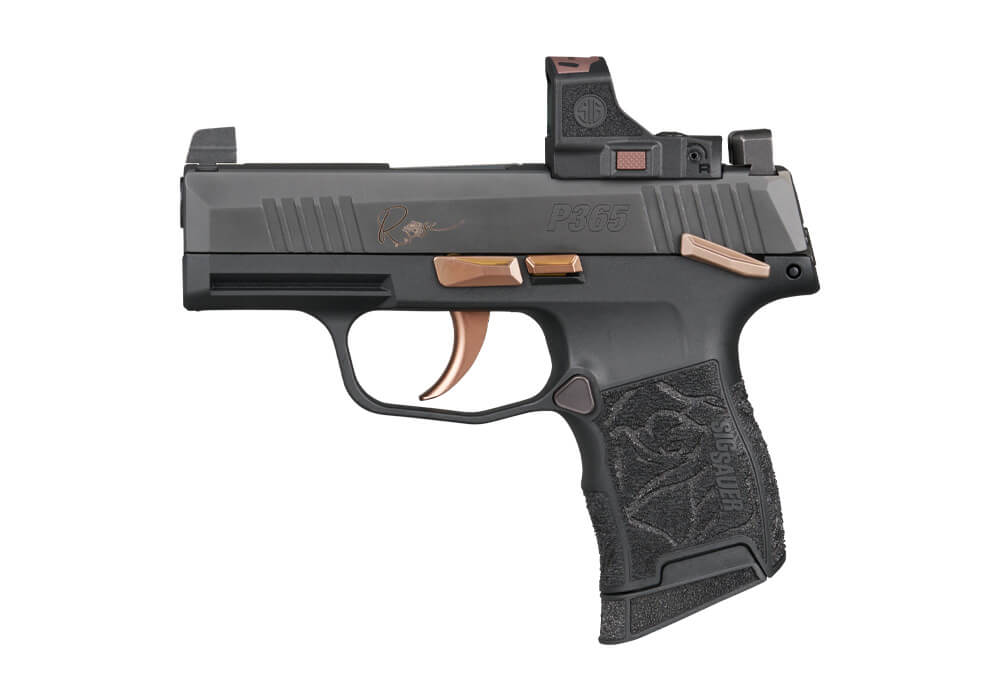
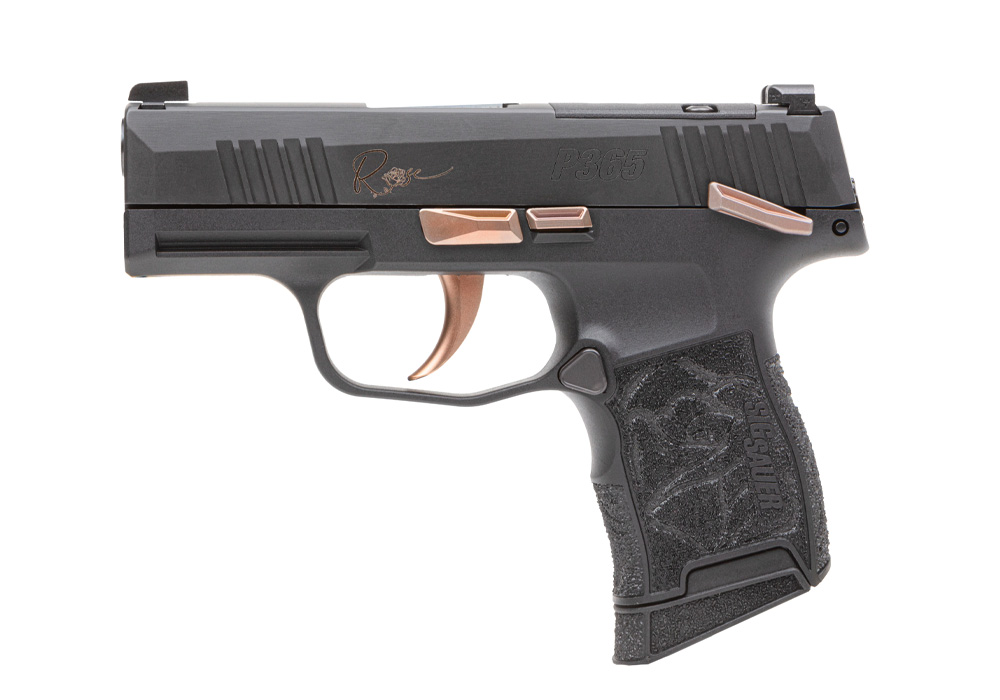
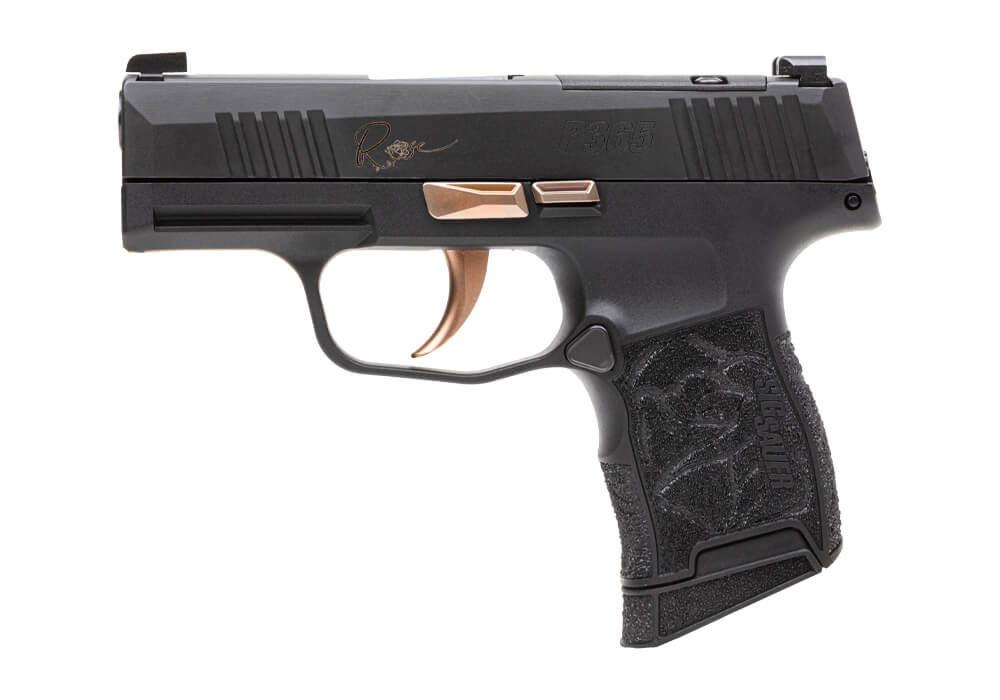
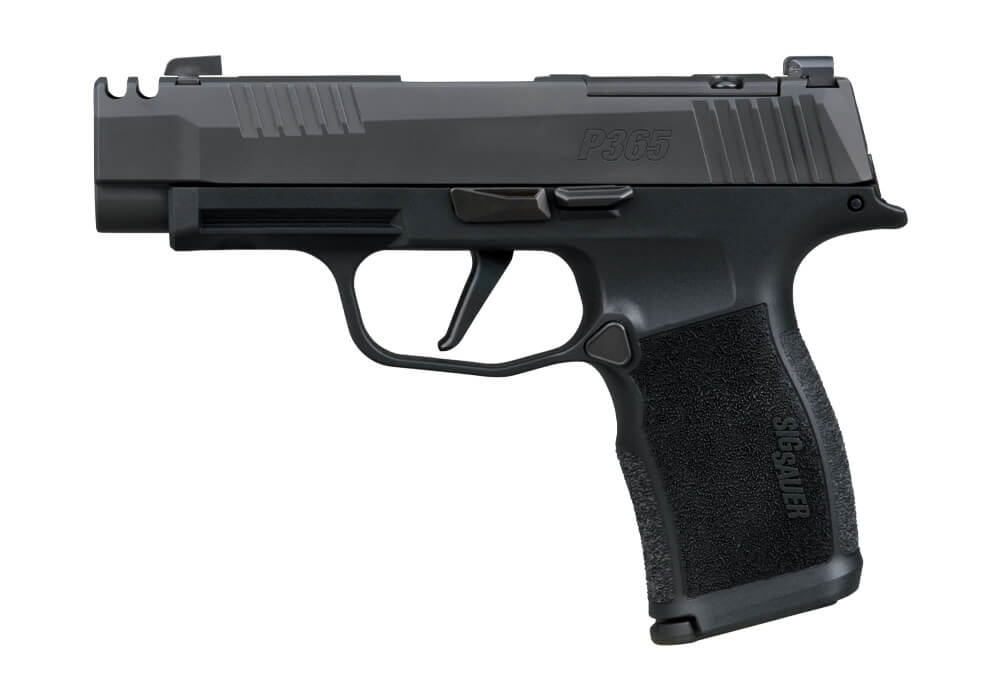
A .380 ACP pistol can be a practical choice for responsible travelers who want a compact firearm for personal protection on the road. These pistols are generally recognized for their lightweight frames, manageable dimensions, and relatively soft recoil, making them easier to carry discreetly and more comfortable to practice with than many larger defensive handguns. That combination can be useful during long drives, overnight stops, outdoor excursions, or stays in unfamiliar areas, but a smaller pistol still requires thoughtful selection and regular training. Look for controls that are easy to operate, sights that are visible in changing light, and a grip that feels secure without creating pressure points during extended carry. A smooth, snag-resistant profile may be helpful when a pistol is stored in a dedicated holster or secured travel compartment, while an easy-to-rack slide and straightforward magazine loading can benefit anyone with limited hand strength. Standard or extended capacity magazines may be available depending on the model and local regulations, so confirm what is legal where you live and where you plan to travel. The best choice is one that the intended user can safely load, unload, operate, and fire with consistency. A .380 pistol may also suit a responsible adult who prefers a smaller defensive firearm for daily routines after a road trip ends, or it may be a thoughtful gift for a properly licensed family member who has expressed an interest in personal protection. Any firearm gift should be handled in accordance with applicable laws, transferred through the required process, and paired with safety instruction rather than presented as an impulse purchase. For travelers who are also evaluating a compact defensive firearm for stationary use, our selection of 380 Pistols For Home Protection offers a related place to continue comparing suitable options.
Road travel adds considerations that do not arise when a firearm remains in one jurisdiction. Laws governing possession, concealed carry, loaded firearms, transportation, and magazine restrictions can change at every state line, and a permit recognized at home may not be recognized in another state. Before leaving, review the laws of every state along the route and any state where you intend to stop, using official government resources or qualified legal guidance rather than relying on an informal summary. Some jurisdictions permit a loaded firearm in a vehicle only with the proper license; others require it to be unloaded, secured in a locked case, and stored separately from ammunition. Rules may also differ based on whether the firearm is on the person, in a glove compartment, in a console, or in the trunk. When flying to meet the vehicle portion of a trip, airline and federal transportation requirements must be followed as well. National parks, forests, rest areas, military installations, tribal lands, and other federal or special-use properties may impose additional restrictions, and firearms are generally prohibited in federal buildings even when possession elsewhere on the property is lawful. A safe road-trip setup should keep the pistol inaccessible to unauthorized passengers, especially children, and should account for hotel rooms, valet parking, roadside service, and overnight stops. A lockable case, secure holster, and separate storage for ammunition can help maintain control when the firearm is not being carried, but the precise method must match local law. Avoid leaving any firearm unattended in a vehicle for extended periods, particularly in visible locations or extreme temperatures. As the weather shifts from warm afternoons to cooler travel conditions, changing clothing layers can also affect concealment, access, and holster comfort, so confirm that your carry method remains secure whenever you add a jacket or remove a sweatshirt.
A .380 ACP pistol is only one part of a responsible road-trip safety plan. Before carrying, spend time at a supervised range learning the pistol’s trigger, sights, magazine release, slide operation, and recoil characteristics. Practice should include a safe draw from the chosen holster only when permitted by a qualified instructor, accurate slow fire, malfunction awareness, and careful reholstering; speed is less important than control and repeatability. Defensive ammunition selection deserves the same care. Modern .380 ACP hollow-point loads are designed for personal protection, but the cartridge generally offers less velocity and penetration than 9mm, which places a premium on reliable function, sound judgment, and accurate shot placement. Test the exact ammunition you intend to carry in the exact pistol you intend to use, following the firearm manufacturer’s instructions and observing all range rules. Keep the pistol clean, inspect it before travel, confirm that magazines are undamaged, and replace worn holsters or storage equipment. A basic roadside plan should also include a charged phone, first-aid supplies, emergency contact information, vehicle maintenance, and awareness of changing road and weather conditions. The firearm should not be treated as a substitute for avoiding confrontation, contacting emergency services, or following lawful instructions. During a tense encounter, creating distance, moving to a safe location, and leaving when possible are often the most responsible choices. A compact .380 can provide reassurance for a trained and law-abiding traveler, but its value depends on secure handling, realistic practice, legal preparation, and the discipline to store and carry it responsibly from the first mile of the journey to the last.