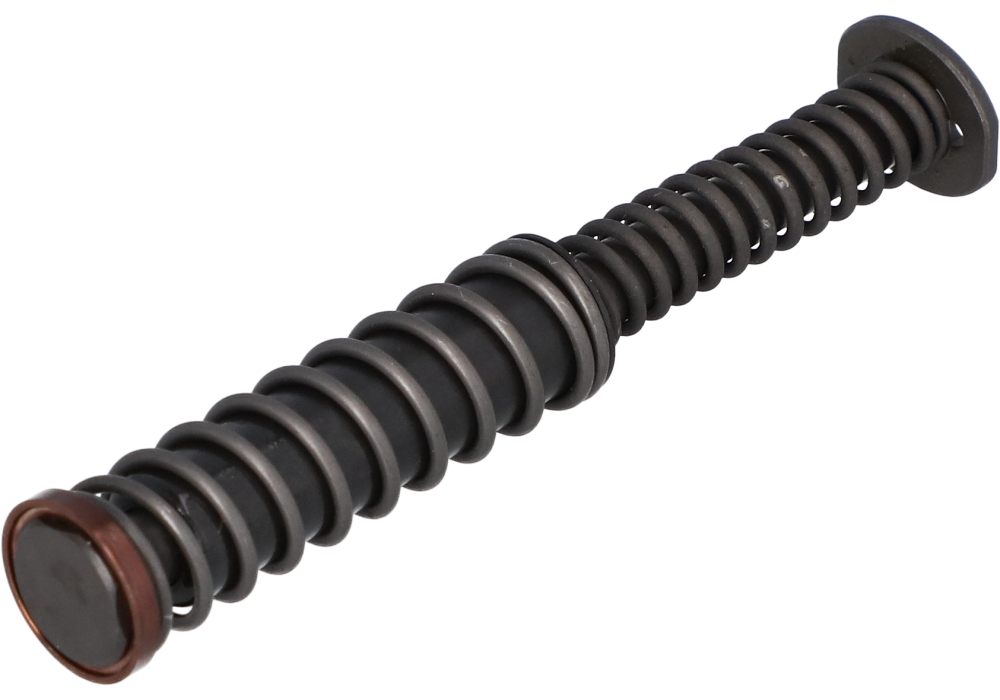
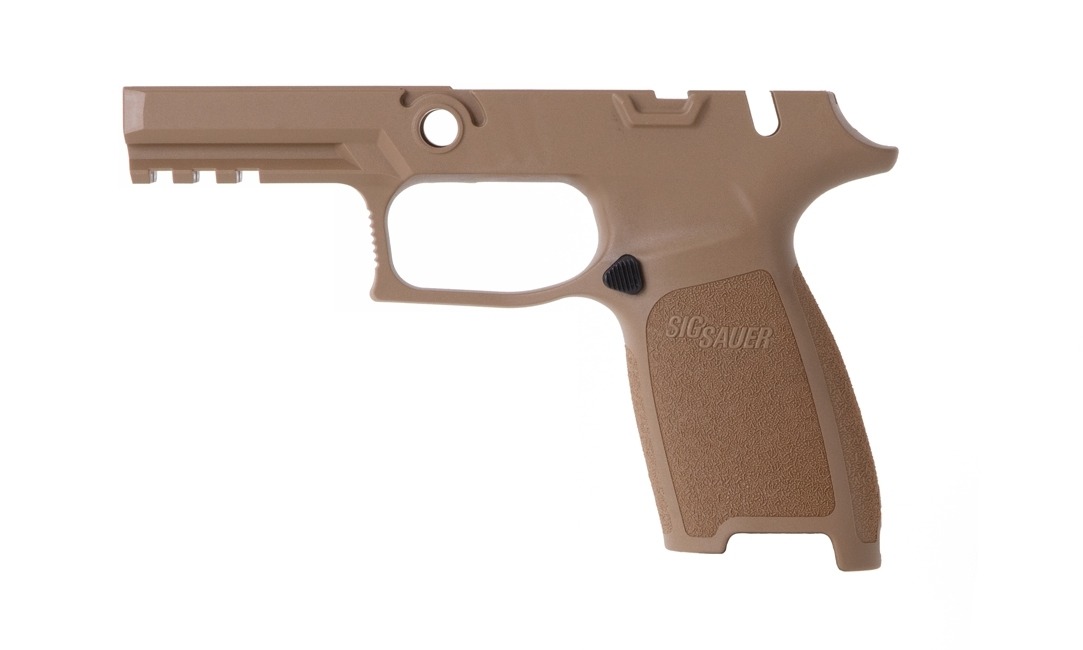
The 40 Auto Accessories collection brings together practical equipment for owners who want to carry, train with, maintain, or securely store a compatible .40-caliber pistol. Often associated with the .40 S&W designation, 40 Auto equipment should always be matched carefully to the exact firearm, magazine pattern, and intended use. A well-fitted holster is one of the most important starting points for concealed carry or range use. Consider the carry position, retention method, material, belt compatibility, and whether the design fully covers the trigger guard. Inside-the-waistband options can provide a close-to-the-body profile for everyday carry, while outside-the-waistband designs may offer easier access and a comfortable fit during range sessions or training. Magazine carriers, sturdy belts, and discreet storage solutions can complete a practical setup without adding unnecessary bulk. When selecting magazines, verify the firearm model and choose the appropriate standard or extended capacity for the intended application, while following all applicable laws and range requirements. Magazine loaders may also be useful for reducing hand fatigue during a long practice session, particularly when preparing multiple magazines for drills. For shooters who prefer to keep essential gear together, compact cases and organized range bags can protect equipment from dust, moisture, and incidental impact while making it easier to account for each item before leaving home. A thoughtful accessory setup is less about collecting extras and more about creating a dependable routine: the right holster keeps the pistol secure, the right carrier keeps spare magazines accessible, and a well-organized bag makes every trip to the range more efficient.
Sight and illumination accessories can help owners tailor a compatible pistol to different environments and preferences. Replacement sights should be selected according to the firearm’s existing cut, mounting pattern, and the shooter’s intended distance, since even a small difference in height or profile can affect point of impact. Bright, easy-to-index sight designs may be useful for defensive practice or dim indoor ranges, while a straightforward configuration can suit daylight training and familiarization. Weapon-mounted lights and other aiming accessories require careful attention to fit, controls, holster compatibility, and battery management. Any accessory that changes the pistol’s dimensions should be evaluated with the holster and storage system as a complete setup rather than as an isolated purchase. Cleaning and maintenance equipment is equally important for dependable operation. Bore brushes, patches, cleaning rods, lubricants, protective cloths, and small tools can help remove residue after a range visit and support regular inspection of wear points. Many owners develop a simple habit of checking the chamber is clear, separating ammunition from the work area, and following the manufacturer’s instructions before beginning maintenance. During the cooler months, equipment may move between a warm vehicle, an outdoor range, and a climate-controlled home, creating opportunities for condensation; wiping down exposed metal and storing gear in a dry, controlled environment can help protect against corrosion. A secure lockbox or other lawful storage solution is also worth considering, especially in a household with children or guests. These accessories can make a practical gift for a responsible shooter, range partner, or new firearm owner when chosen with the recipient’s exact model and preferences in mind. Gift-givers should avoid guessing at fitment and instead confirm the firearm specification, handedness, carry style, and local regulations before selecting an item.
The best 40 Auto Accessories are the ones that support safe handling and repeatable use without complicating the owner’s routine. Someone who carries regularly may prioritize a low-profile holster, a dependable belt, spare magazines, and a compact method of secure storage. A recreational shooter may place greater value on magazine organization, eye and ear protection, target accessories, maintenance supplies, and a range bag with separate compartments for clean equipment and used items. Instructors and experienced shooters often appreciate durable training aids that make it easier to practice safe draws, reload procedures, sight alignment, and malfunction-clearing techniques with the firearm unloaded and in accordance with range rules. Owners who spend time outdoors may also look for weather-resistant cases, protective covers, and equipment that remains easy to operate with gloves, although every accessory should be tested carefully before being relied upon. Compatibility remains the central consideration across the entire category: check the model name, generation, caliber marking, rail or mounting interface, magazine specifications, and the manufacturer’s fitment guidance. Ammunition should be kept separate during cleaning and dry practice, and live-fire training should take place only in an appropriate, lawful setting with suitable backstops and required protective equipment. For shoppers comparing related caliber collections, 45 ACP Accessories offers a separate place to review equipment intended for compatible .45 Auto platforms; components should never be assumed interchangeable simply because two firearms appear similar. Whether preparing for a structured training day, organizing equipment for a cooler-weather range trip, or putting together a useful gift for a careful and responsible owner, selecting accessories by fit, purpose, and safe storage needs leads to a more comfortable and consistent experience. Always follow the firearm and accessory manufacturer’s instructions, observe local laws, and have any uncertain installation or fitment checked by a qualified professional.