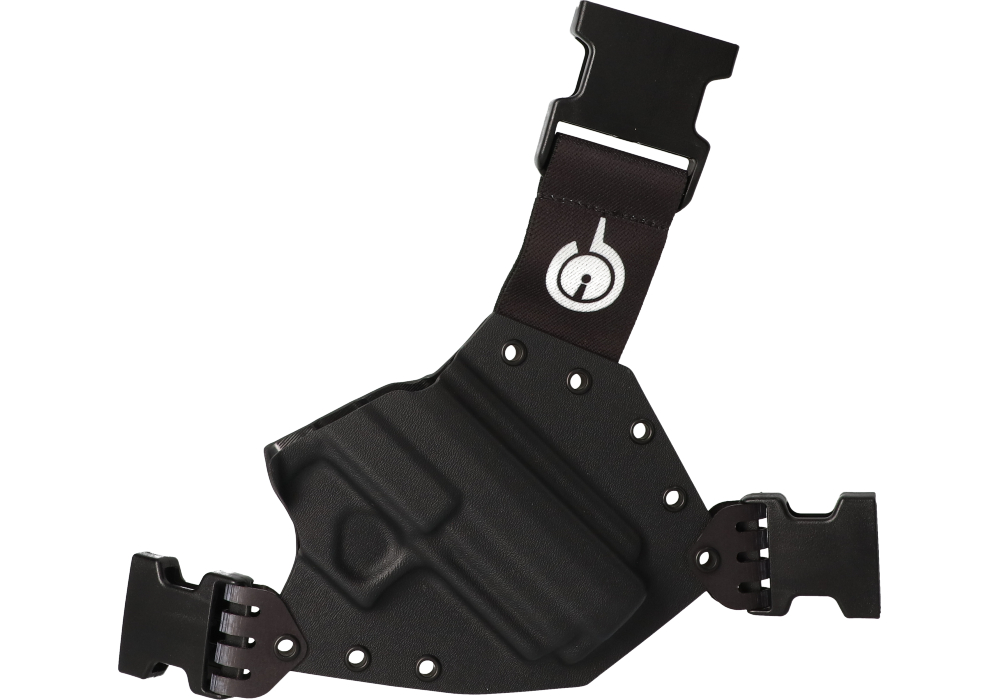
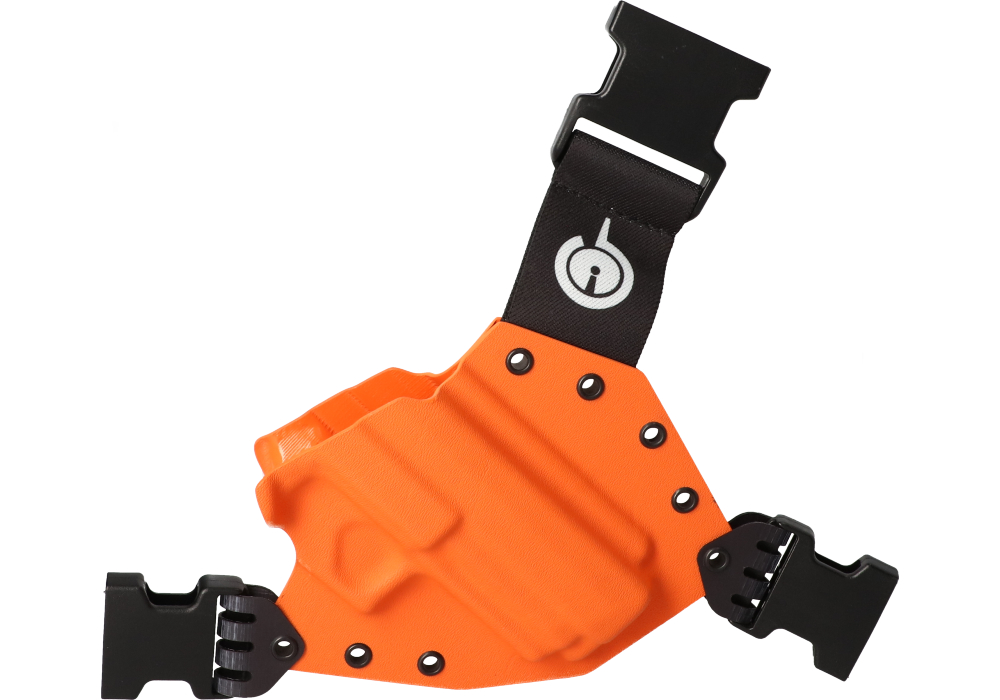
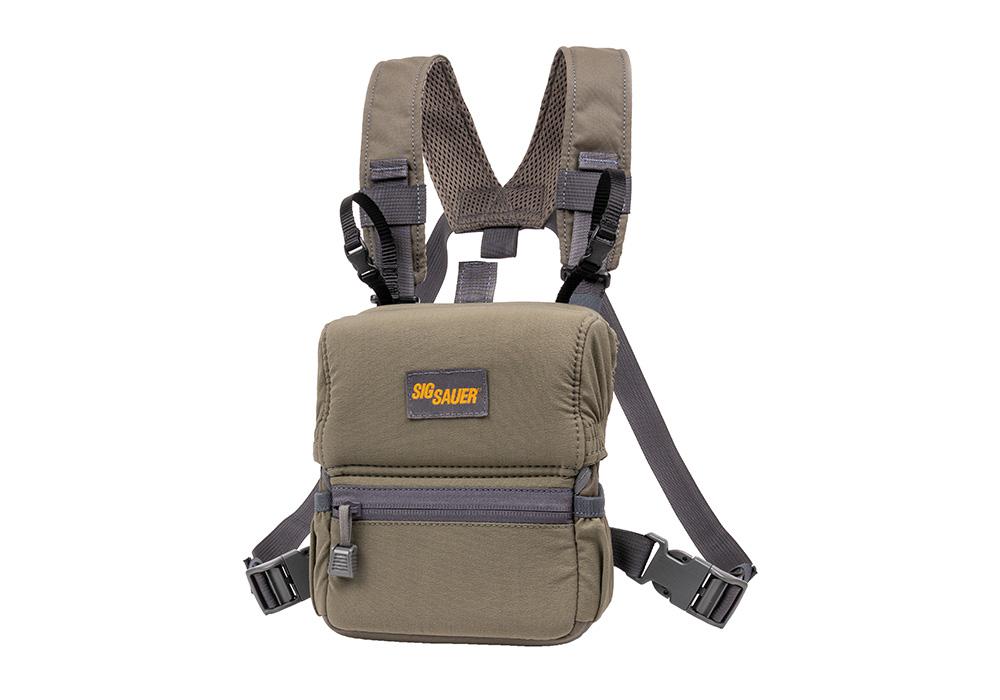
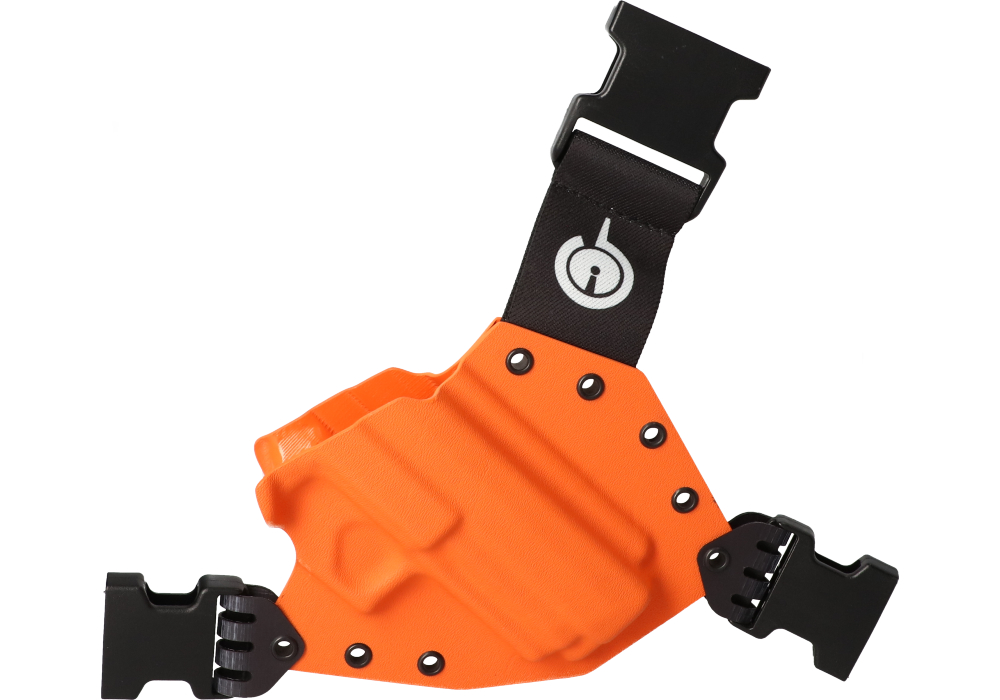
Outdoor accessories support the practical side of time outside: keeping essentials organized, making equipment easier to carry, and helping everyday tasks go more smoothly at a campsite, on a trail, or during a range visit. Their value often comes from small details rather than elaborate features. An opening that is easy to reach, a closure that stays secure in transit, or an attachment point that keeps gear from shifting can make a noticeable difference over a full day. For someone walking several miles, low weight and a compact profile may matter most. For someone setting up a base camp or spending an afternoon at an outdoor recreation area, convenient access and straightforward organization may take priority. The best fit depends on how an accessory will be carried, what it needs to hold or support, and how frequently it will be handled. Gear that moves between a vehicle, a storage shelf, and a campsite benefits from surfaces that tolerate repeated contact and construction that stands up to regular packing. Equipment carried close to the body calls for particular attention to edges, attachment placement, and freedom of movement. Outdoor utility accessories also have a place beyond longer excursions. They can help keep recreation equipment together between outings, separate frequently used essentials from less-used gear, and simplify the transition from travel to activity. A well-organized setup means less time searching through a crowded compartment when it is time to unpack or head home. For hikers, campers, recreational shooters, and people who simply enjoy spending a day outdoors, useful accessories should complement familiar routines without adding unnecessary complexity. Clear dimensions, understandable features, and compatibility with existing equipment are more meaningful than an extensive list of functions that may never be used. The goal is a setup that feels manageable from the first carry to the final check before leaving a site, with each accessory serving a purpose that is easy to recognize.
Materials and construction help explain how outdoor accessories will feel in use and hold up over time. Woven textiles offer flexibility and can conform to the space around them, while rigid components provide structure where an accessory needs to retain its shape. Nylon and polyester are common choices for fabric-based gear, but fiber type alone does not tell the whole story. Fabric weight, weave, seam placement, and reinforcement at stress points also influence performance. Metal components can provide a firm connection and resist wear from repeated handling, although their weight and care requirements vary with the material and finish. Molded polymers can offer useful structure without excessive bulk, with performance depending on the design and intended application. Across these materials, look for construction suited to the task rather than assuming that heavier always means more durable. Closures should operate smoothly, stitched connections should feel secure, and contact surfaces should not interfere with nearby equipment. Fit deserves equal attention. An accessory may have suitable overall dimensions yet still feel awkward if its opening is too narrow, its attachment spacing is incompatible, or its shape prevents another compartment from closing. Measurements are especially useful when coordinating several pieces of equipment into one carrying system. Consider the space required both when an accessory is empty and when it is fully packed, along with whether handles and fasteners remain accessible. On a trail, a loose connection can turn into an irritating tap against the hip with every step. At a campsite, an awkwardly positioned closure can require unpacking more than intended just to reach one essential. These ordinary situations reveal why secure fit and sensible placement matter. Product specifications should distinguish between general utility and specialized performance; a convenient attachment feature is not evidence of suitability for climbing or supporting a person. Likewise, a protective finish does not eliminate the need for care. Reliable outdoor gear starts with matching its stated purpose to the way it will actually be used.
Care and storage are part of getting lasting value from outdoor accessories, particularly for equipment that sees repeated packing, contact with soil, or time in a vehicle. Follow the care directions for each material, remove loose grit before it works into closures or seams, and allow cleaned equipment to dry thoroughly before putting it away. Abrasive cleaning methods and harsh chemicals can affect fabrics, finishes, and flexible components, so more aggressive cleaning is not necessarily better. A quick inspection between outings can reveal frayed stitching, worn attachment points, or closures that need attention before they become a bigger inconvenience. Store accessories without crushing structural elements or leaving straps under unnecessary tension, and keep frequently used gear together so the next outing begins with a clear view of what is ready. Organization also helps distinguish everyday convenience from emergency preparation. Accessories can improve access and carrying comfort, while equipment intended for emergency situations requires closer attention to its specific function, limitations, and the user's familiarity with it. For a broader look at that distinct part of an outdoor setup, explore Outdoor Survival Gear. Thoughtful selection matters just as much when choosing a gift. Outdoor accessories can suit an experienced camper refining an established setup, a new hiker developing a comfortable routine, or a recreational shooter who appreciates keeping equipment orderly during transport and use. The most useful choice often reflects an observed habit: someone who regularly reorganizes a crowded carrying space may appreciate a simpler arrangement, while someone who walks farther may place greater value on reduced bulk. Gifts that depend on exact measurements or specialized connections call for checking compatibility in advance. For personal use or giving, versatile design should still have a clear purpose. An accessory earns its place when it solves a recurring inconvenience, fits the equipment already in use, and remains straightforward to maintain. Those qualities help outdoor essentials become dependable parts of a routine rather than extra gear that stays behind.