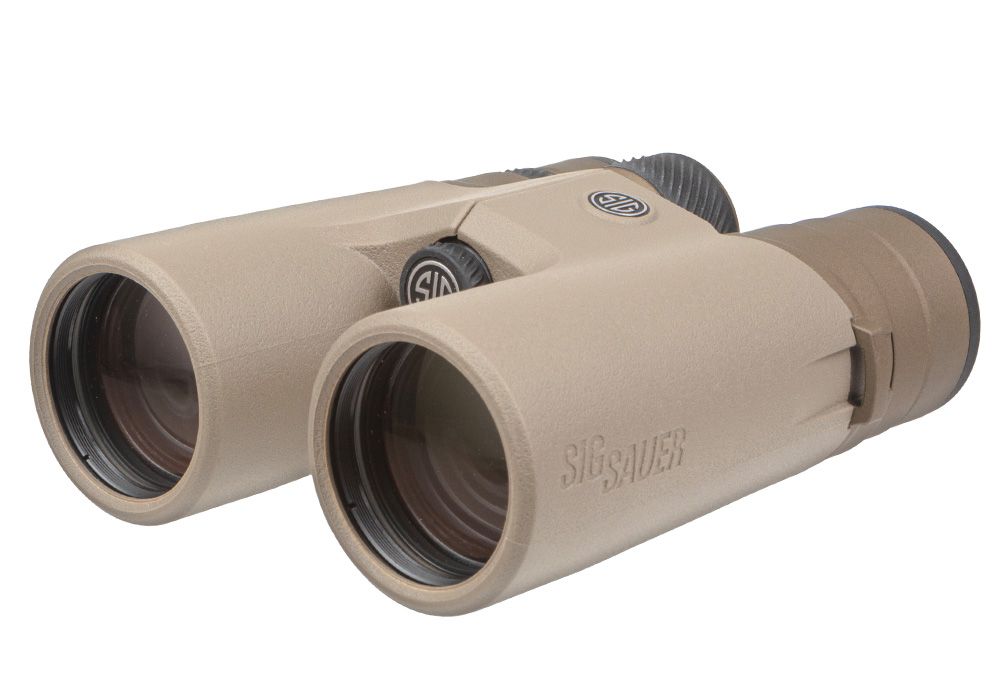
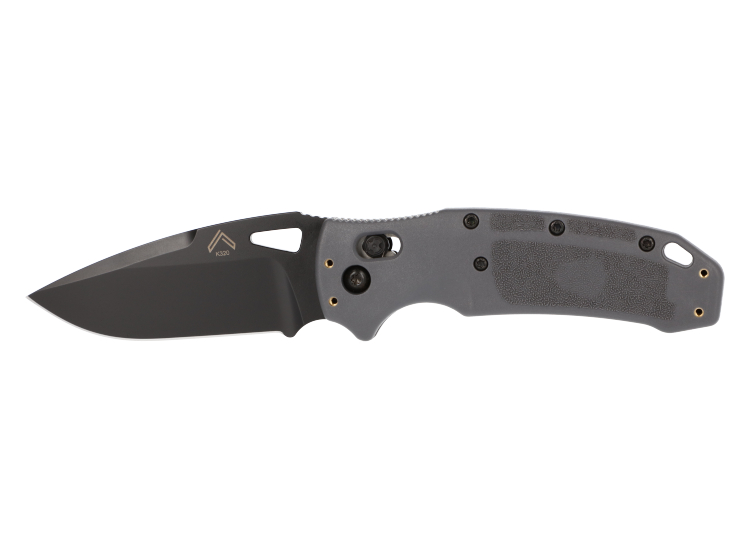
Camping accessories are the smaller pieces of outdoor gear that support lighting, meal preparation, equipment repair, organization, and everyday comfort at a campsite. Headlamps, lanterns, multi-tools, repair supplies, and camp kitchen accessories help turn a place to pitch a tent into a practical living space, whether the trip involves a roadside campground or a walk to a secluded site. Their value often becomes clear in ordinary moments: finding a zipper after dark, tightening a loose fitting, keeping cooking utensils together, or locating a clean towel without emptying an entire pack. The best match depends on how the campsite will be used and how much equipment needs to travel there. Car camping allows room for larger organizers, full-size utensils, and lighting that can serve a shared table, while backpacking favors compact shapes, lower weight, and accessories that handle more than one task. Neither approach requires every possible gadget. A useful assortment supports the routines that matter to the camper without adding unnecessary bulk or complicated setup. Dimensions, packed size, attachment points, and compatibility with existing equipment help distinguish a convenient accessory from something that takes up space. A storage pouch should fit the supplies it is intended to carry, and a clip or strap should suit the loop, handle, or webbing where it will be attached. Clear compartments can keep small essentials visible, while secure closures help prevent them from scattering through a gear bag. Lighting deserves similar attention: a focused beam serves a different purpose from broad illumination, and easy-to-reach controls are helpful when one hand is occupied. Camping gear also overlaps with equipment for trail outings, picnics, and time spent at an outdoor range, giving practical accessories a role beyond overnight trips. Related Outdoor Accessories can complement a camping setup when their size, function, and intended use suit the activities on the itinerary. Thoughtful choices make daily camp routines feel less improvised, with essential equipment close at hand rather than buried beneath bedding and spare clothing.
Materials and construction influence how camping accessories feel in use, how they pack, and how well they tolerate repeated handling. Stainless steel is common in utensils and compact tools because it offers strength and resistance to corrosion, while aluminum can reduce weight in accessories that need to travel farther on foot. Nylon and polyester appear in pouches, straps, and organizers, where fabric weight, stitching, and reinforcement at stress points all affect durability. Silicone components can offer flexibility and a comfortable grip, although suitability for contact with food or heated cookware depends on the manufacturer's specifications. The material name alone does not tell the whole story. A neatly finished edge is more comfortable against a hand, a well-positioned seam is less likely to rub against neighboring equipment, and a zipper that opens smoothly makes a pouch easier to use in a crowded tent. Fit matters for wearable and handheld accessories as much as it does for storage. A headlamp strap needs enough adjustment to sit securely without feeling restrictive, and the shape of a tool handle should allow a controlled grip. For lighting equipment, beam pattern, operating time, power source, and charging requirements affect everyday usefulness; a rechargeable light requires a different power plan from one that uses replaceable batteries. Camp kitchen accessories benefit from surfaces that are straightforward to clean and shapes that nest neatly without trapping residue between components. Repair supplies are most useful when they match the equipment's materials and the manufacturer's care recommendations, since a patch suitable for one fabric may not suit another. Maintenance generally begins with removing dirt, cleaning food-contact surfaces as directed, and allowing washed equipment to dry thoroughly before storage. Hinges, fasteners, and closures also deserve occasional inspection, especially on accessories used frequently. Protective sleeves and separate compartments can keep hard edges from scraping softer gear during travel. These details may seem small at home, but they become noticeable when a pouch is opened repeatedly, a utensil is used for several meals, or a light moves between a tent, a picnic table, and a walking route.
Intended use is the clearest way to understand which camping accessories belong in a particular setup. A family sharing a developed campsite may value distinct storage areas, simple lighting controls, and equipment that is easy for several people to identify and return to the same place. A backpacker may give more attention to weight, packed dimensions, and whether an accessory performs a useful task without duplicating another piece of gear. Someone spending long stretches at a base camp may appreciate comfortable handles, organized kitchen supplies, and repair essentials that support repeated use rather than occasional emergencies. Even within the same group, preferences differ: one camper may want everything secured inside a pack, while another prefers frequently used equipment attached to an accessible loop. Those habits affect whether a pouch, strap, clip, or case will feel convenient throughout the trip. Shared equipment also works best when its purpose is obvious, so a light with understandable controls or an organizer with clearly separated sections can reduce confusion when several people are using the same space. A few well-chosen accessories can create familiar routines, from keeping meal supplies together to returning repair tools to a dedicated pocket after use. For gift recipients, practical camping accessories are especially relevant when they reflect an established interest and work with equipment the person already owns. A frequent camper's packing style, preferred activities, and comfort with maintenance are more useful clues than novelty alone. Compactness can be welcome for someone who carries everything on foot, while ease of cleaning may matter more to someone who regularly cooks for a group. Accessories with specialized fittings require closer attention to measurements and compatibility, whereas broadly useful organizational pieces can serve several outdoor activities. Clear care information and straightforward operation help a gift remain useful after its first outing. Across different camping styles, lasting value comes from dependable construction, appropriate fit, and a function that earns its place in the gear bag. The strongest additions are often the ones that quietly simplify repeated tasks, leaving less time spent searching, rearranging, or improvising and more time to enjoy the campsite.