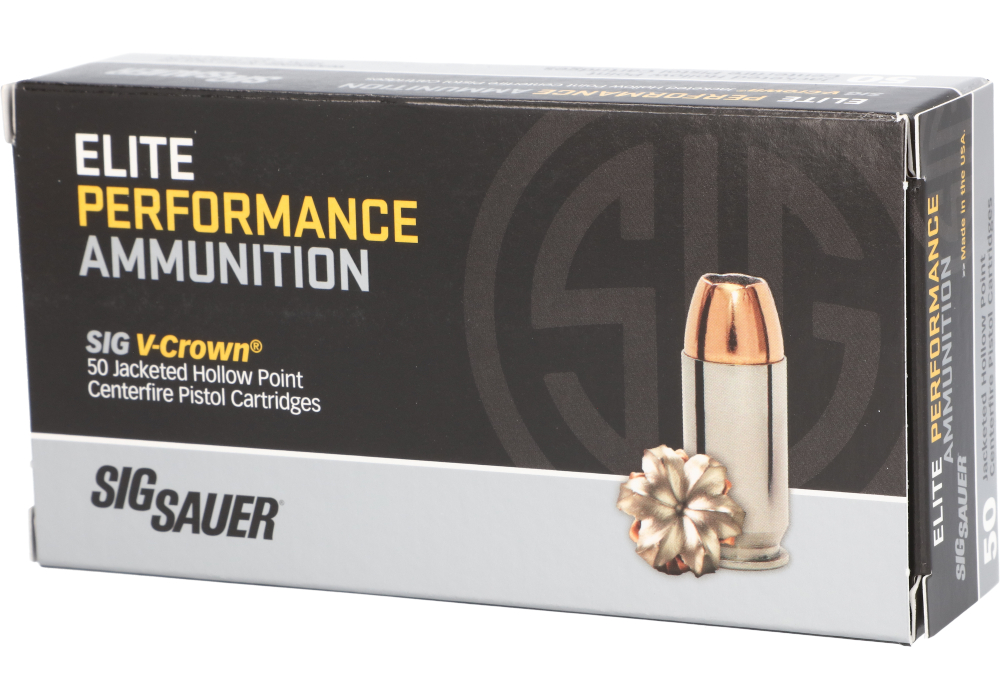
40 S&W law enforcement rounds are selected for dependable performance in duty pistols, training programs, and authorized defensive applications where consistent feeding, controlled recoil, and predictable terminal behavior matter. The .40 S&W cartridge remains a practical choice for agencies and individual professionals who value a balance of bullet mass and manageable overall package. Recommended duty ammunition commonly uses a jacketed hollow point (JHP) projectile, with 165-grain and 180-grain bullets among the most widely considered weights. A 165-grain load may offer a flatter trajectory and somewhat higher velocity, while a 180-grain load places more emphasis on bullet mass and a steady recoil impulse. Neither choice should be made by bullet weight alone. The most appropriate round is the one that functions reliably in the specific pistol, meets the requirements of the department or agency, and delivers repeatable accuracy during qualification and practice. JHP bullets are engineered to expand upon impact, helping transfer energy and create a broader wound path than traditional full metal jacket ammunition. For duty use, designs are often evaluated against heavy clothing and other common intermediate materials to help maintain expansion and penetration. Some law enforcement loads use engineered flex tips, skived jackets, or bonded cores to help the bullet remain intact and perform consistently when encountering challenging barriers. These features are not a substitute for professional training or sound judgment, but they are important considerations when selecting ammunition intended for serious use.
Construction details can have a meaningful effect on storage life, chambering, and reliability during a long duty cycle. Nickel-plated cases are often chosen for their smooth appearance, resistance to surface corrosion, and consistent feeding in a service pistol, particularly when ammunition is handled repeatedly or carried in a holster, magazine pouch, or vehicle-mounted storage compartment. Sealed primers and case mouths can help limit the intrusion of moisture, oils, and other contaminants, making them useful characteristics for ammunition that may remain loaded or stored for extended periods. Buyers should inspect packaging for clear cartridge information, bullet weight, lot identification, and any agency or jurisdictional approvals that may apply. It is also wise to compare the intended role of each box before ordering. Duty ammunition is generally reserved for carry, qualification, or authorized use, while full metal jacket range ammunition is commonly used for routine practice because it is economical and easy to obtain. Even when two loads share the same caliber and bullet weight, their recoil, point of impact, and accuracy can differ. A careful shooter will test the chosen duty load with the intended pistol, magazines, and sights, confirming reliable cycling and a consistent point of aim before placing it into service. Firearm owners should follow the pistol manufacturer’s instructions, use only ammunition in the marked caliber, and comply with all federal, state, and local laws governing purchase, possession, transport, and use. Law enforcement agencies may also have specific policies concerning approved projectile construction, barrier testing, lot tracking, replacement schedules, and documentation.
These products are most often purchased by sworn officers, armed security professionals, corrections personnel, government agencies, firearms instructors, and qualified civilians who have selected a .40 S&W handgun for lawful defensive purposes. They can be part of an agency’s initial issue, a replacement shipment for training inventory, or a carefully chosen reserve for an individual who has already confirmed compatibility and proficiency with the firearm. Ammunition is not a casual gift, and any transfer should be handled only where lawful and with full awareness of the recipient’s licensing, age, training, and storage responsibilities. During the cooler months, when equipment may move between heated buildings, vehicles, and damp outdoor conditions, sealed packaging and sensible storage become especially important. Keep ammunition in its original box or another clearly labeled container, away from excessive heat, solvents, humidity, and direct sunlight; avoid storing it loose where cartridges can be damaged or confused with another caliber. Before use, examine cartridges for dents, corrosion, damaged primers, or other irregularities, and set aside anything questionable. Periodic rotation of carried ammunition can help keep defensive cartridges in good condition, especially when they are exposed to daily handling, perspiration, or repeated loading and unloading. Shooters who are comparing handgun platforms or considering a different duty caliber may also review related components and training options, including 9mm Reloading Bullets For Law Enforcement, while keeping every caliber-specific component matched to the firearm and loading data for which it is intended. Whether the goal is agency procurement, a professional qualification program, or a carefully maintained personal reserve, the best 40 S&W law enforcement rounds combine verified reliability, appropriate bullet construction, suitable weight, sound storage practices, and thorough function testing.