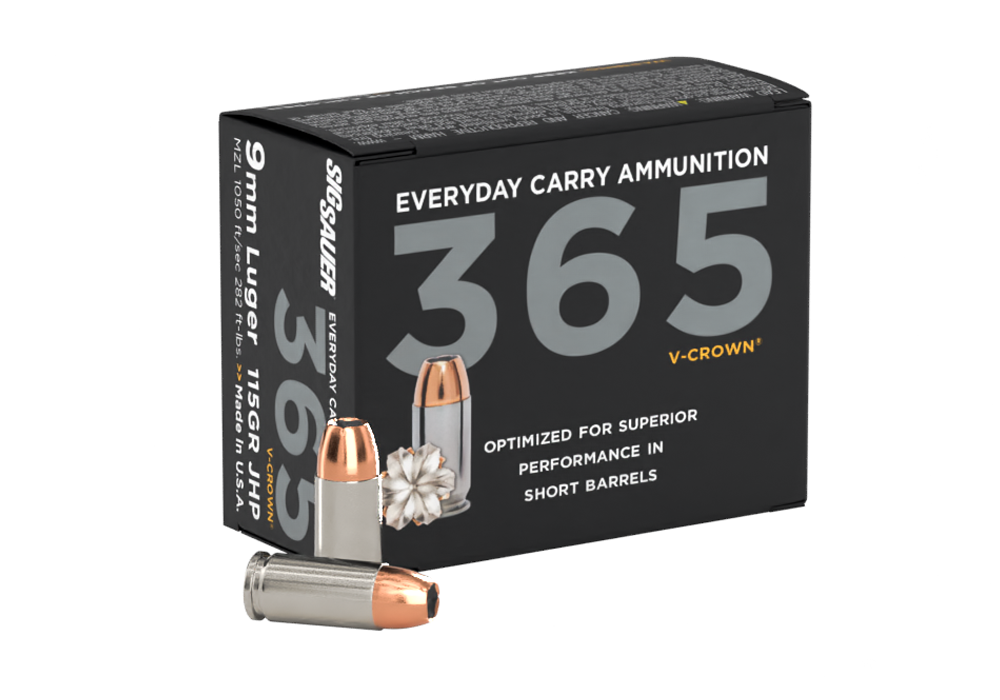
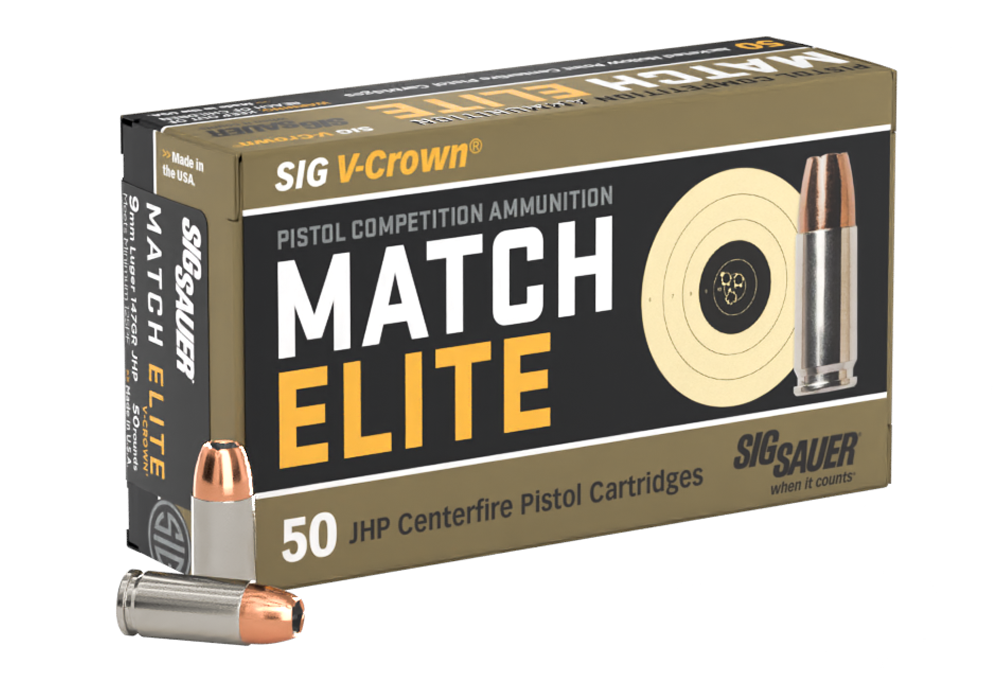
9mm reloading bullets for law enforcement applications serve a specialized role in training programs, qualification practice, and carefully controlled ammunition development. Although many agencies rely on factory-loaded duty ammunition because of strict liability policies, documented quality-control procedures, and procurement standards, experienced reloaders may use components to produce practice cartridges that closely match the feel, point of aim, and recoil of an issued load. This approach can help officers and agencies maintain familiarity with their service pistols during regular range sessions without using duty ammunition for every round. Component selection begins with the intended purpose. Plated or full metal jacket-style bullets are commonly considered for high-volume training, while jacketed hollow point bullets may be selected when a reloader is attempting to approximate the profile and weight of a duty load for controlled evaluation. Reloading bullets are not interchangeable simply because they share a 9mm designation, so attention to diameter, profile, jacket construction, weight, and published loading data remains important. Most 9mm projectiles measure approximately .355 inch, with 115-grain, 124-grain, and 147-grain weights among the most familiar choices. Each weight can produce a different recoil impulse, velocity range, and point of impact, even when fired from the same pistol. A 124-grain bullet is often viewed as a balanced option for practice, while lighter or heavier choices may better match a particular issued cartridge or firearm. Officers, armorers, instructors, and qualified reloaders can use this page to compare components with a clear understanding that the final ammunition must be evaluated in the specific pistol, barrel, magazine, and loading setup involved.
Purchase decisions should account for more than bullet weight alone. A projectile’s nose shape affects feeding, its bearing surface influences how it interacts with the barrel, and its construction can affect the loading process and finished cartridge dimensions. A consistent component lot is especially valuable when an agency or individual is tracking velocity, group size, function, or point of impact across multiple training sessions. Packaging quantity also deserves practical consideration: smaller quantities can be useful for initial testing, while larger quantities may suit an established load that has already demonstrated reliable function and acceptable accuracy in the intended firearm. Reloaders should consult a current, reputable manual for powder charges and cartridge specifications rather than relying on informal recipes or assumptions based on a similar bullet. Overall length is another critical consideration. Many experienced reloaders begin near a longer overall length, often around 1.150 inches when appropriate to the selected components and loading data, then verify fit in the intended chamber with a careful plunk test and confirm smooth feeding from the magazine. That dimension is not a universal instruction, because bullet profiles, chambers, magazines, powders, and pistols vary. A cartridge that appears correct visually may still fail to chamber or may sit too deeply for the selected load, which is why measured setup, conservative testing, and reliable reference data matter. Before loading a substantial quantity, inspect a small sample for consistent seating depth, secure bullet retention, primer condition, and overall appearance. Function testing should take place in a safe, approved range environment, with eye and ear protection and procedures that follow agency policy and local requirements.
These components can be useful to sworn personnel, reserve officers, firearms instructors, range staff, and qualified civilian reloaders who support structured training with a 9mm handgun. They may also be an appropriate gift for an experienced reloader who already has the required press, dies, gauges, data references, storage system, and safety equipment; they are not a casual gift for someone who has never loaded ammunition. A thoughtful selection considers the recipient’s pistol and established load preferences rather than choosing solely by price or bullet count. Those seeking a broader selection for personal handgun practice can also explore 9mm Reloading Bullets For Handguns. For law enforcement training, the most useful component is generally the one that supports repeatable results and aligns with the department’s approved procedures. Duty ammunition and privately loaded practice ammunition should remain clearly separated, labeled, and stored in a secure location, with records that identify the bullet type, weight, lot, loading date, and applicable data source. Reloaded ammunition should never be used for official duty unless the responsible agency has expressly authorized it through its own testing and approval process. During the cooler months, organized storage and a written inventory can also make range preparation easier, particularly for instructors moving equipment between indoor and outdoor facilities. With a deliberate approach to bullet profile, weight, construction, consistency, and compatibility, 9mm reloading bullets can support dependable practice while helping professionals keep their training routine precise, repeatable, and aligned with responsible ammunition-handling standards.