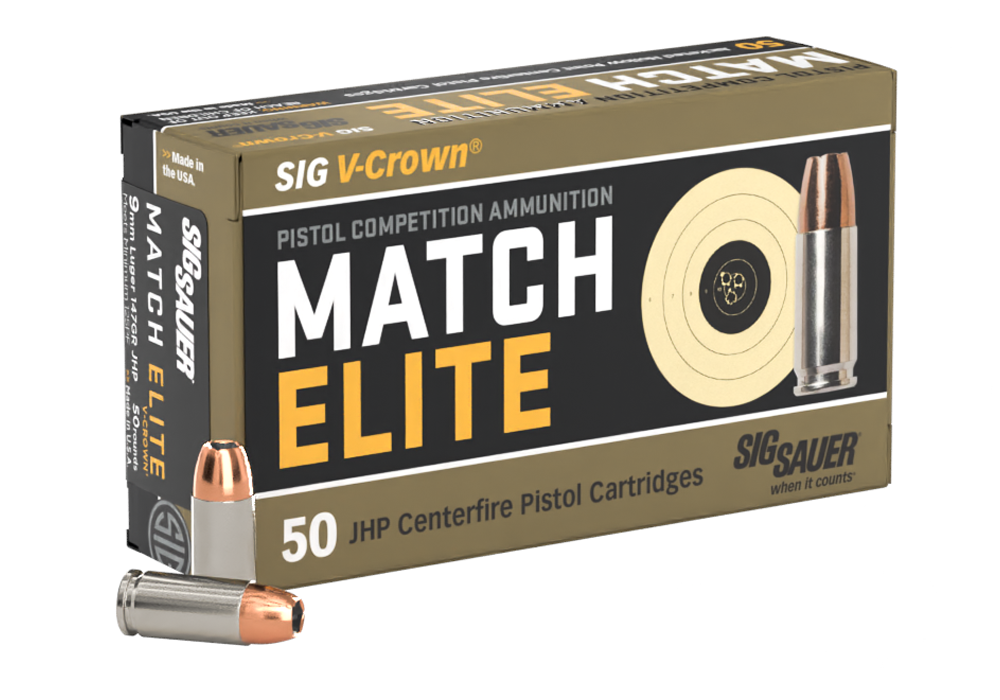
9mm reloading bullets for summer practice commonly include 115-grain and 124-grain projectiles in full metal jacket, plated, and coated constructions. These familiar categories suit the needs of experienced adult handloaders purchasing components for recreational target shooting, organized range sessions, and practice between competitions. They are individual projectiles, not complete cartridges, and their suitability depends on the cartridge specification, firearm, and applicable published component guidance. Full metal jacket bullets generally feature a lead core surrounded by a metal jacket, although jacket coverage varies by design. Plated bullets use a copper layer over the core, while coated lead bullets feature a protective surface treatment, often a polymer coating. Each construction has its own handling characteristics and compatibility considerations; similar appearance does not mean two projectiles are interchangeable. For a shopper comparing options, clearly identified construction, bullet weight, profile, and intended application are more useful than broad promises about performance. Round-nose profiles are familiar in general handgun practice, while other shapes may serve particular sporting preferences or firearm requirements. No profile guarantees reliable feeding in every firearm, and bullet weight alone does not establish recoil, accuracy, or function. Those characteristics belong to the complete ammunition and firearm combination. The appeal of a familiar practice projectile is the opportunity to maintain a consistent component choice across repeated sessions, subject to appropriate published guidance. A shooter spending summer mornings working on paper targets may value continuity between visits more than an unfamiliar design with ambitious claims. Another preparing for a recreational match may prioritize a projectile category already established as suitable for the intended sporting application. In either case, the useful starting point is a clearly specified component with an identifiable construction and a purpose that matches the planned range activity. The distinction matters when browsing a collection that may bring several different bullet styles together under the same caliber label.
Materials and surface condition deserve close attention when selecting projectiles for repeated summer practice. A jacket, copper plating, or polymer coating provides a different exterior, but none should be treated as indestructible or as a substitute for appropriate handling precautions. Uniform appearance, intact surfaces, and clear packaging information help shoppers assess components without relying on vague descriptions. Visible corrosion, damaged coatings, or uncertain identification are reasons to set a component aside and consult its manufacturer rather than assume it remains suitable. Protection matters beyond the purchase itself: original packaging helps preserve identification, keeps loose projectiles contained, and reduces unnecessary contact with grit or moisture. A range bag resting on a dusty bench, damp equipment after an outdoor session, or cleaning products stored nearby can create avoidable storage problems. Components belong in a secure, dry location under the manufacturer’s recommended conditions, away from children and unauthorized users. Summer travel adds another consideration because a parked vehicle can become extremely hot; neither components nor completed ammunition belong in prolonged vehicle storage. Keeping packaging labels legible also helps prevent confusion when several similar-looking projectile types are present. These habits support orderly handling without turning a product choice into a promise of unlimited shelf life or resistance to every environment. Range policies are another part of material selection. An indoor facility may restrict exposed lead or certain projectile constructions, while an outdoor club may have separate requirements for its targets and scheduled activities. Neither a copper-colored exterior nor a coating establishes universal acceptance. Checking the facility’s written rules before choosing components can prevent a mismatch between the intended practice session and the ammunition permitted there. Lead exposure precautions remain relevant across these categories, including appropriate ventilation, handwashing after handling, and keeping food and beverages away from component-handling areas. A coated or jacketed exterior does not eliminate every potential source of exposure associated with shooting.
Summer practice often means longer stretches at an outdoor range, recurring club visits, or a series of short sessions fitted around travel and family schedules. For those routines, a useful projectile collection emphasizes understandable distinctions rather than treating every 9mm bullet as equivalent. Weight is one distinction, construction is another, and shape adds a further point of comparison. Familiar 115-grain and 124-grain options provide recognizable categories for browsing, but the appropriate choice still rests on documented compatibility and the intended sporting use. Heavier projectiles may also appear in a broader assortment; their presence does not make them a universal upgrade or a direct substitute for another weight. Shoppers benefit from descriptions that identify what a component is without promising that it will reproduce the feel of a particular factory cartridge. Practice priorities vary as well. An experienced recreational shooter may want continuity for regular paper-target sessions, while a sporting competitor may be looking for components consistent with an established practice routine. Someone returning to the range after time away may place greater value on clear identification and familiar equipment than on experimenting with a different projectile style. For broader context on recreational component choices, 9mm Reloading Bullets For Civilian Use offers a related collection to explore. Across these uses, projectile selection works best as a deliberate equipment decision, not a shortcut around current published reloading references or firearm guidance. Components with different jackets, coatings, weights, or profiles should not be assumed to share the same requirements. Clear labels and retained manufacturer information remain useful throughout ownership, especially when similar containers share a storage area. The most practical summer practice choice is not necessarily the most elaborate-looking projectile. It is a clearly identified, appropriately matched component whose materials, condition, and intended use fit the shooter’s established needs and the range’s rules. That combination supports a straightforward shopping decision and a consistent focus on responsible recreational shooting.