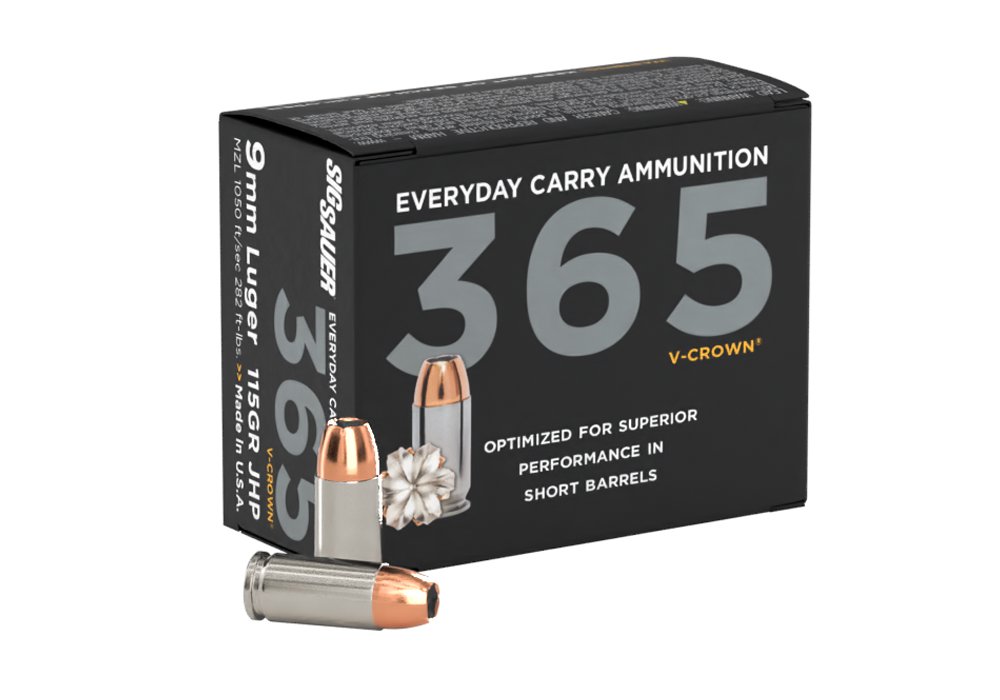
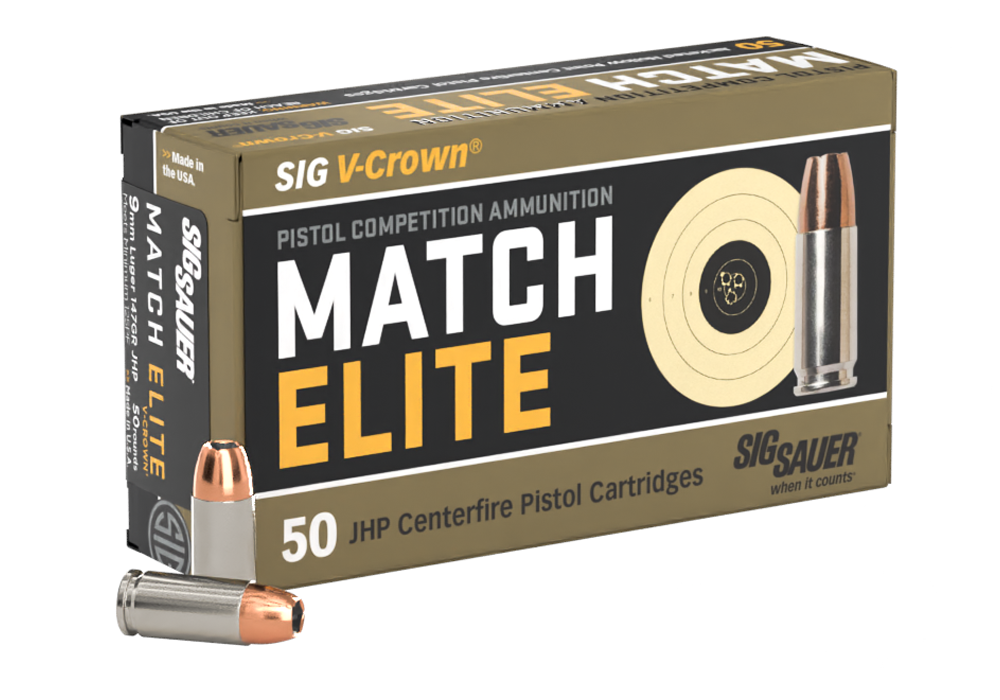
9mm reloading bullets for civilian use are projectile components intended for lawful sporting, recreational, and training applications, rather than complete cartridges ready to fire. That distinction matters when comparing listings: a bullet is one part of ammunition, and its description does not establish the characteristics of a finished cartridge. For civilian shooters, these components are often associated with regular range practice, organized target shooting, and the satisfaction of maintaining a carefully documented shooting routine. Someone who spends range visits working on consistent groups at a paper target may prioritize a clearly specified projectile with dependable manufacturing consistency. A club competitor may also consider the requirements of a particular discipline and the ammunition policies at the venue. Across these uses, meaningful product details include bullet weight, construction, profile, and the manufacturer’s stated application. Common weight categories include 115-grain, 124-grain, and 147-grain bullets; grains describe weight, not a performance rating. No weight alone guarantees a certain recoil sensation, sound level, velocity, or degree of accuracy. Those characteristics depend on the complete ammunition, the firearm, and the conditions of use. Likewise, a heavier projectile should not automatically be described as subsonic, and a lighter one should not automatically be treated as the best choice for practice. Useful comparisons begin with clear specifications rather than broad promises about how a bullet will perform. For shoppers browsing 9mm bullet components, the most relevant distinction is usually between the product’s documented purpose and assumptions based on appearance or familiar terminology. A recognizable nose shape or weight marking can help identify a category, but neither replaces complete manufacturer information. Consistency in labeling, accessible technical documentation, and a clear explanation of construction provide a stronger basis for evaluation than claims of universal suitability. These details help keep the focus on the actual product: a component with defined characteristics, not a shortcut to a particular shooting result.
Materials and construction give different types of reloading projectiles their defining characteristics. Many jacketed bullets feature a lead core surrounded in part by a copper or copper-alloy jacket, while plated bullets have a metallic coating applied over the core. Coated lead bullets use a surface treatment that separates the underlying lead from direct contact with surrounding surfaces. These categories can look similar in photographs, yet their outer layers are not interchangeable descriptions, and the manufacturer’s terminology matters. Full metal jacket does not necessarily mean that every surface, including the base, is enclosed. Shoppers whose range has restrictions related to exposed lead should check the complete construction description rather than relying on an abbreviation. Jacket coverage, coating integrity, and surface condition are relevant considerations, particularly when components will be handled, stored, and transported before use. Durability here means preserving the projectile’s intended shape and surface, not expecting it to tolerate rough treatment. Dented profiles, damaged coatings, or evidence of corrosion warrant attention under the manufacturer’s guidance. Bullet shapes also vary, with round-nose, flat-point, and other profiles appearing across target-oriented categories. Shape is a product characteristic, not proof that a component is suitable for every firearm bearing a similar caliber marking. Compatibility involves the exact cartridge designation, the firearm manufacturer’s requirements, and authoritative documentation for the component. The broad label “9mm” should never be treated as a universal fit statement. Published guidance from component manufacturers and established reloading manuals is essential; visual similarity is not a substitute for verified information. Product descriptions are useful for understanding what a projectile is, but they are not ammunition assembly instructions. For everyday browsing, the practical goal is straightforward: understand the material, identify the intended application, and confirm that the specifications are sufficiently clear for an informed decision. Where a listing leaves an important detail uncertain, clarification from the manufacturer is more useful than assumptions drawn from another bullet with a similar appearance or weight.
Care and organization remain important long after the initial product comparison. Retaining original packaging keeps the component description, weight designation, and any lot information together, which can be helpful when reviewing records or asking a manufacturer a question. Keeping different projectile types separate also prevents look-alike components from losing their identity in a shared container. Storage should follow the manufacturer’s recommendations, protect surfaces from contamination and damage, and keep components secured away from children and unauthorized users. Products containing lead call for appropriate handling precautions, including thorough handwashing after contact and keeping food and beverages away from the handling area. The same attention to detail carries over to intended use. An indoor range may specify acceptable projectile construction, while a shooting club may have separate rules for particular targets or events. Reviewing those requirements before selecting components is more reliable than assuming that anything described as a target bullet meets every venue’s policy. For a civilian enthusiast who already understands these responsibilities, reloading components can support an established sporting hobby; for a new participant, qualified instruction and reliable reference materials should come before independent use. As a gift, such components are best considered only when the recipient has identified the exact specifications they require and can lawfully possess them. Guessing from a handgun’s caliber marking or a remembered brand preference is not enough. Shoppers comparing audience-specific categories can also view 9mm Reloading Bullets For Law Enforcement, while recognizing that an audience label does not establish compatibility, certification, or performance. Civilian purchasing decisions are better grounded in documented product characteristics and the actual requirements of the intended sporting activity. A clearly identified projectile, intact packaging, responsible storage, and careful attention to manufacturer information all contribute to a more orderly experience. Whether the setting is a supervised practice session or an organized target match, those fundamentals keep component selection focused on lawful use, traceable information, and realistic expectations rather than unsupported performance claims.