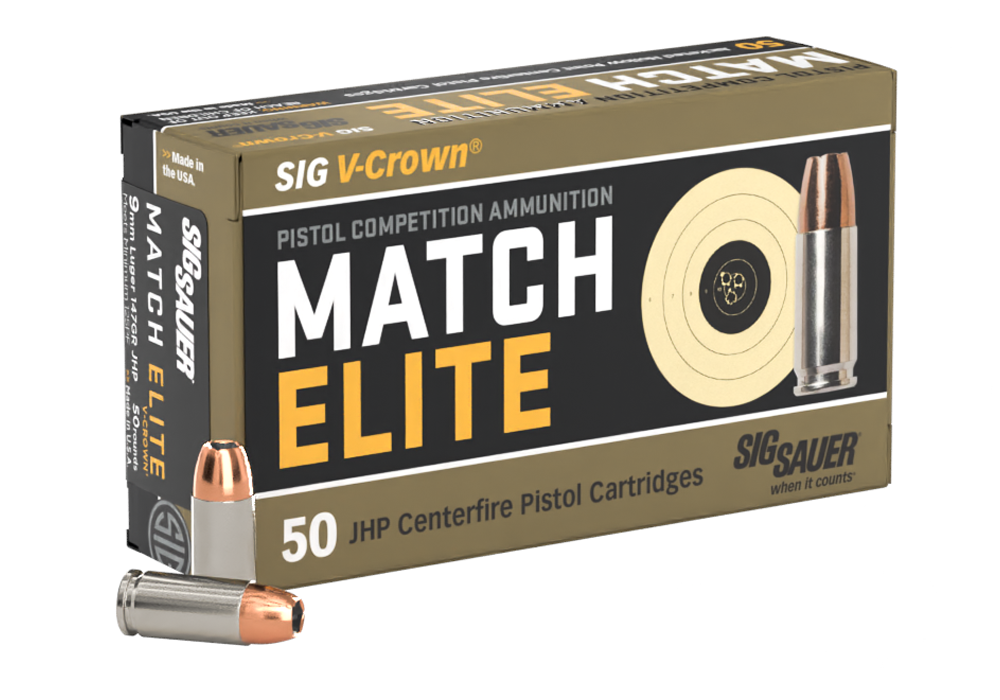
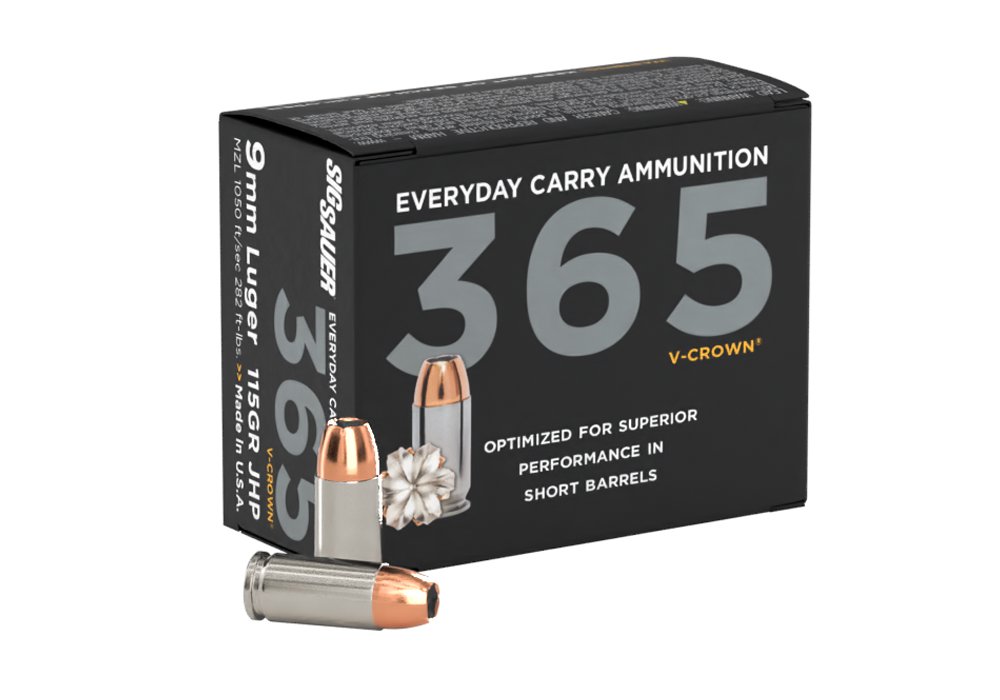
9mm reloading bullets for handguns are individual projectiles intended for experienced handloaders, not complete cartridges ready to fire. A bullet listing describes the projectile rather than a finished round, so caliber, weight, construction, and profile are the details that define the selection. Most jacketed bullets intended for 9mm Luger are nominally .355 inch in diameter, with 115-grain, 124-grain, and 147-grain options among the familiar weights. Grain is a unit of weight, not a measure of bullet diameter or a description of the propellant in a cartridge. These distinctions matter to recreational shooters, competitors, and handgun owners who value a repeatable range experience, but no single weight is universally best. A 115-grain bullet sits toward the lighter end of these common choices and is frequently associated with general target practice. A 124-grain bullet occupies the middle of the range and is a familiar option for practice and competition alike. A 147-grain bullet is heavier and often appears in discussions of competition or subsonic ammunition, although weight alone does not establish velocity, recoil, or suitability for a suppressor. Those qualities depend on the complete ammunition and firearm combination. Bullet profile adds another distinction. Round nose designs have a curved front that can support smooth feeding in compatible handguns, while flat point designs present a broader face that some target shooters prefer. Neither profile guarantees reliable operation in every pistol. Jacketed hollow point bullets have a cavity at the nose and may be engineered for expansion within defined performance conditions; the appearance of that cavity is not proof of a particular result. For someone comparing 9mm handgun bullets, these characteristics provide a useful vocabulary for understanding the category. They distinguish projectile designs associated with paper targets, organized competition, and other lawful shooting activities without confusing the attributes of a component with the performance of an entire cartridge. The intended purpose remains an important part of evaluating any bullet description.
Construction is another meaningful difference among handgun reloading bullets. Traditional cast lead bullets, coated lead bullets, copper-plated bullets, and jacketed bullets each have distinct surface characteristics and handling considerations. Cast bullets generally use a lead alloy, while coated versions add a surface treatment whose properties depend on the particular coating. Plated bullets typically have copper deposited over a lead core. Jacketed bullets use a separate metal jacket around the core, offering a different structure from plating. Full metal jacket, often abbreviated FMJ, describes a familiar jacketed profile, but it does not necessarily mean that every surface of the lead core is enclosed. These distinctions deserve attention because exterior appearance alone can make different constructions look similar. A bright copper-colored surface does not establish whether a bullet is plated or jacketed, and a colored coating does not identify every detail of the underlying alloy. Consistent dimensions, uniform surfaces, and clear specifications are more useful indicators than appearance alone. Neither plating nor a jacket automatically guarantees superior accuracy; results depend on component quality, compatibility, the firearm, and the complete ammunition. Fit also involves more than recognizing the term 9mm. The exact cartridge designation, specified bullet diameter, projectile profile, and handgun manufacturer’s requirements all matter. Some lead or coated projectiles have nominal diameters that differ from common jacketed designs, reinforcing the importance of reading the actual specifications rather than assuming every 9mm bullet is identical. Handguns with different barrel designs or manufacturer restrictions may also have different requirements concerning bullet construction. Reliable product information should identify the details needed to compare components without substituting broad claims for compatibility. For a shooter who spends an afternoon working through paper targets, consistency from one projectile to the next is more relevant than a finish that merely looks polished. For a competitor, clearly documented characteristics support a familiar equipment setup while leaving performance claims grounded in the complete firearm and ammunition combination.
The intended use of 9mm reloading bullets helps put those specifications into perspective. Recreational target shooters may favor a familiar round nose design for routine practice, while competitors may have preferences shaped by their handgun, match rules, and established experience. An experienced handloader returning to a trusted component type may value a clear description of weight, construction, and profile more than sweeping claims about precision or recoil. Someone exploring the category for the first time benefits from the same clarity, along with qualified instruction and authoritative published references before undertaking any loading activity. Bullets of the same weight are not automatically interchangeable when their construction or geometry differs. Professional requirements introduce another set of considerations: the related 9mm Reloading Bullets For Law Enforcement category provides a separate context for shoppers considering that application. Agency policies, approved ammunition requirements, and formal testing remain distinct from personal range preferences, and a projectile description does not establish suitability for duty use. Care and storage also matter, even though bullets are components rather than complete ammunition. Original packaging and readable labels help preserve identification, while clean, dry storage protects surfaces from contamination and corrosion. Secure storage keeps lead-containing components away from children and pets. Appropriate hygiene after handling and suitable ventilation during shooting are important considerations wherever lead exposure is possible. Surface coatings and jackets do not eliminate every potential source of exposure. For gifts, these components are generally better suited to an established handloader whose exact preferences are known than to a new handgun owner. Similar-looking bullets can differ in ways that matter, making an informed selection more useful than a guess based on caliber alone. Whether the goal is familiar practice, participation in organized matches, or a carefully documented component collection, the strongest comparison starts with accurate specifications. Weight, diameter, construction, profile, and intended use give shoppers a practical basis for evaluating 9mm handgun reloading bullets without relying on promises that a projectile by itself cannot support.