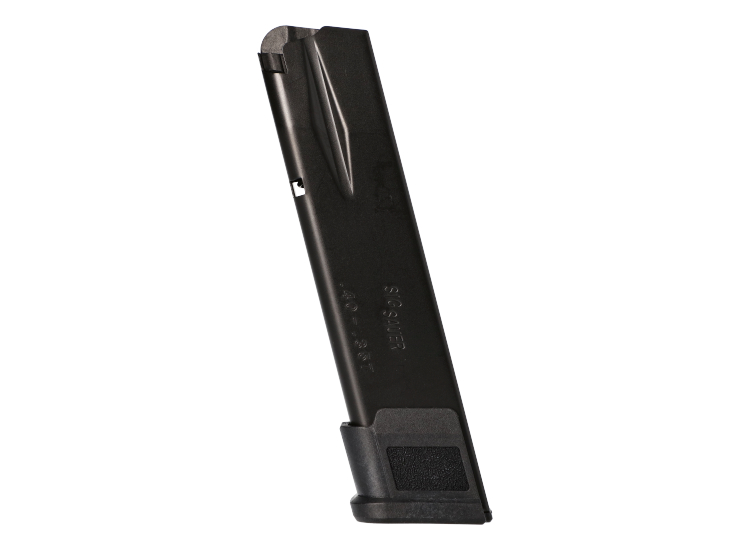
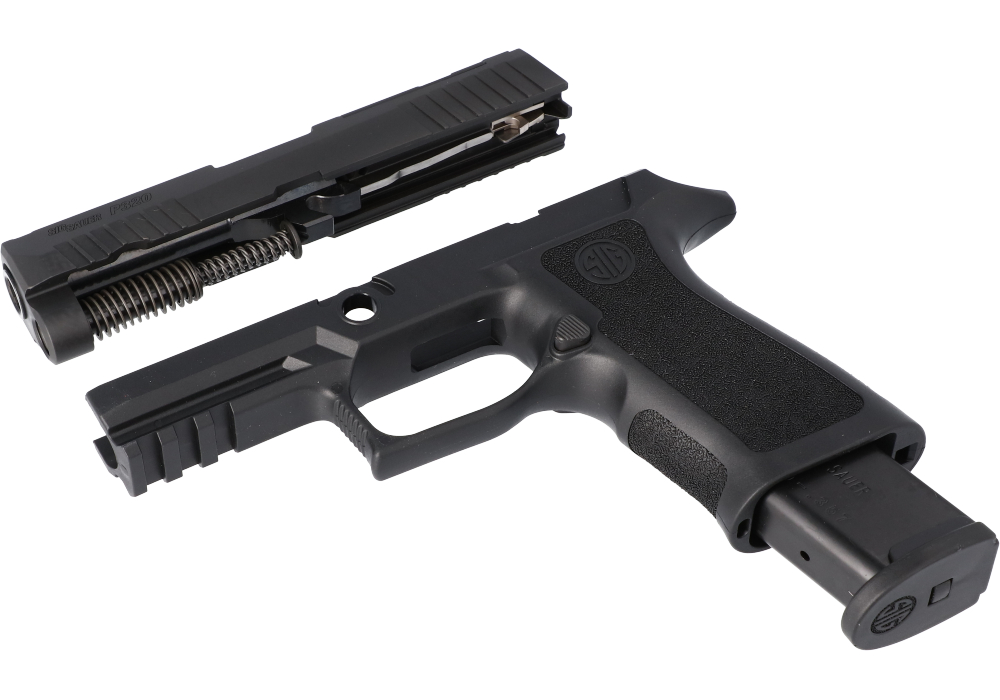
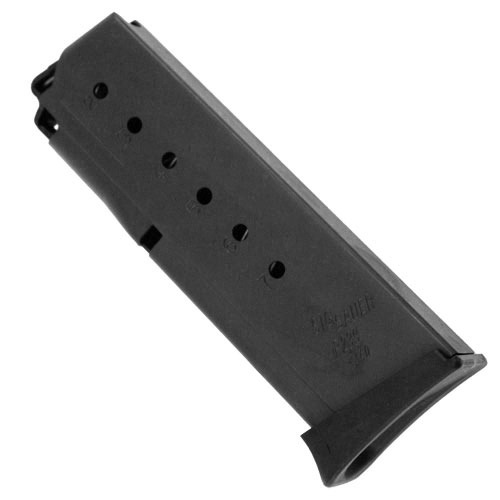
40 S&W magazines are an important part of a reliable setup, whether they are being used for practice at the range, kept as a spare for personal protection, or added to a carefully organized collection of shooting equipment. A magazine does more than hold cartridges; it supports consistent feeding, helps maintain a steady practice rhythm, and gives the shooter a practical way to prepare for a session without repeatedly loading after every few shots. When selecting a magazine, begin with exact compatibility. The cartridge designation alone is not enough, since magazines are engineered for particular firearm models and may differ in dimensions, locking points, follower design, and feed geometry. Confirm the firearm’s make, model, and generation before ordering, and compare the manufacturer’s specifications with the markings on the equipment already in hand. A properly fitted magazine should seat securely, release cleanly, and allow the slide to move as intended without unusual resistance. Capacity is another consideration. Standard capacity options are often a sensible choice for everyday carry or for maintaining the same balance and handling characteristics as the original magazine, while extended capacity options can reduce the number of reloads during range practice or structured training. Local and state laws may limit magazine capacity, and those requirements can vary considerably, so buyers should verify the rules that apply to their location before purchasing, transporting, or using any magazine.
Construction and handling details become especially noticeable over time. A metal body may appeal to shooters who prefer a traditional feel and rigid construction, while a reinforced polymer body can offer a lighter option with corrosion resistance and a textured surface that is easy to handle with wet or gloved hands. The follower should move smoothly from top to bottom without tipping or binding, and the spring should provide consistent upward pressure as the magazine is loaded. Feed lips deserve a close look as well; they should be even, undamaged, and free of bends or sharp deformation. For a magazine kept in a range bag, vehicle kit, or home storage area, finish quality matters because dust, humidity, and repeated contact with other equipment can gradually affect exposed surfaces. It is good practice to keep magazines unloaded when they are not being used for an intended purpose, store them in a clean, dry place, and inspect them periodically for dirt, damaged components, or signs of corrosion. During a long range day, labeling magazines can make it easier to identify a particular unit if a feeding issue occurs. Rotating several magazines through practice also helps distribute wear and gives the shooter a clearer sense of how each one performs. A fresh magazine can be a practical gift for a responsible adult who already owns a compatible 40 S&W firearm, especially when the recipient spends time practicing fundamentals, attending training, or maintaining equipment for home preparedness. The safest and most useful gift is one selected around the recipient’s exact firearm rather than guessed from caliber alone.
Many shooters purchase more than one magazine so they can load before arriving at the firing line and spend more time working on stance, grip, sight alignment, and controlled trigger presses. That small preparation step can change the pace of an afternoon: instead of standing at the bench with loose cartridges spread across a cloth, the shooter can begin with equipment arranged, inspected, and ready for deliberate practice. A compact range pouch or magazine carrier can keep loaded magazines upright and separated from tools, hearing protection, and other gear, while a dedicated storage box helps protect them during transport. Carry-focused users may prefer a magazine that matches the dimensions and profile of the original equipment, with a baseplate that is easy to grasp during a reload but does not add unnecessary bulk. Competitive and training-focused shooters may place more value on faster loading, greater ammunition capacity where lawful, or a baseplate designed for frequent handling. Those comparing options can also review 20 Rd Magazines when a compatible firearm and legal requirements make that format appropriate. Regardless of intended use, reliability should come before appearance or capacity. Test any new magazine with the ammunition intended for practice or carry, beginning with a modest number of rounds and watching for failures to feed, difficulty seating, premature slide lock, or problems dropping free. If anything feels unusual, unload the firearm safely, set the magazine aside, and have the issue evaluated by a qualified professional. During the cooler months, changes in clothing, gloves, and storage conditions can also affect access and handling, making it worthwhile to practice with the same belt, pouch, or outer layers used in the intended setting. A well-matched 40 S&W magazine is a straightforward upgrade, but careful selection, routine inspection, and responsible training are what make it a dependable part of the overall system.