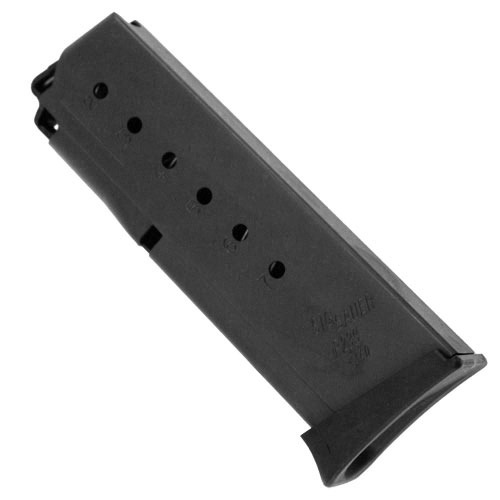
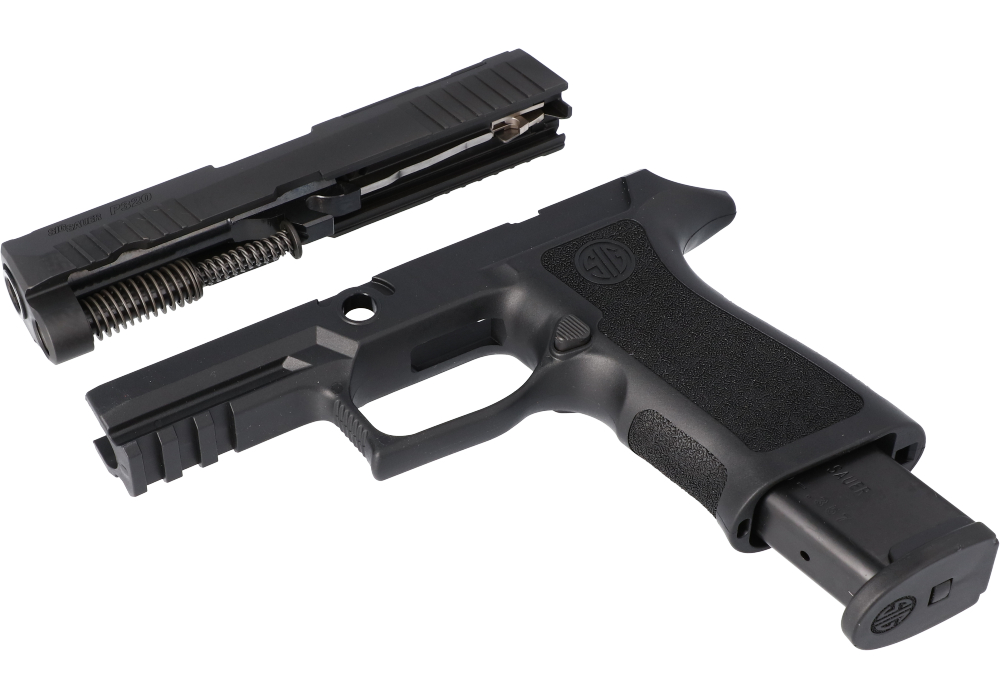
Compact .40 caliber pistol magazines are detachable magazines designed for compatible compact handguns chambered in .40 S&W. Their defining features are a magazine body sized for the intended pistol, a follower and spring that support cartridge feeding, and a floorplate or base pad that closes the assembly. Although magazines within this category serve the same basic purpose, they are not universally interchangeable. The pistol’s exact model, frame size, and, where applicable, generation determine the correct fit. A shared chambering does not establish compatibility, and a magazine intended for one compact handgun may differ substantially from another in body shape, locking-notch position, feed-lip geometry, or overall length. Those differences matter more than a similar appearance in a photograph. For shoppers comparing compact .40 S&W magazines, the most useful specifications are the manufacturer’s stated pistol compatibility, listed round count, body material, finish, and base configuration. Flush-fitting designs follow the lower edge of the grip closely, preserving the compact profile that many owners prefer for lawful concealed carry. A finger-rest base pad can provide additional contact for the little finger without necessarily changing the listed round count. A longer magazine body is a separate feature and should not be confused with a simple grip extension. Compatibility must be explicitly confirmed for either configuration. Two magazines can also have the same listed round count yet differ in how the base meets the grip, so round count alone does not describe the fit or feel. The distinction becomes especially noticeable on a short grip, where the lower edge rests against the hand. Whether the goal is replacing a worn magazine, keeping a spare with range equipment, or maintaining a consistent carry setup, exact fit remains the starting point. Clear specifications help distinguish a suitable replacement from a magazine that merely looks similar, while the pistol owner’s manual and the magazine manufacturer’s compatibility information provide the appropriate references for resolving uncertainty.
Materials and construction influence how a compact pistol magazine feels in the hand and how it stands up to regular handling. Depending on the design, magazine bodies may use steel, polymer, or a combination of materials, with finishes selected to protect exposed surfaces. Steel construction can provide a relatively thin, rigid body, while polymer components may form the body, follower, base pad, or protective outer surfaces. No single material description establishes suitability for every handgun; the complete design and its intended application matter. Feed lips must retain their specified shape, the follower must remain appropriate to the magazine design, and the spring must be the correct component for that assembly. These parts work together, making a magazine more than a container identified by caliber and round count. The base is another practical point of comparison. A low-profile floorplate keeps the bottom of the grip relatively unobtrusive, while a more pronounced base pad changes the surface that meets the hand. For someone whose little finger sits just below a compact grip, even a modest difference in that contour can be noticeable. The same projection may also affect how a spare magazine fits inside a fitted pouch. Smooth edges, an intact finish, and a secure, correctly fitting floorplate are useful details to consider alongside the larger specifications. Where witness holes or other viewing features are present, they offer a way to observe the magazine’s contents without changing its basic fit requirements. Durability also involves ordinary care rather than appearance alone. Lint from clothing, dust from a range bag, and residue from use can collect around accessible surfaces. Manufacturer-approved cleaning and inspection help address that buildup without relying on improvised parts or unnecessary alterations. Cleaning products and lubricants should follow the manufacturer’s recommendations, since excess lubricant can attract debris and some chemicals may be unsuitable for particular materials. Visible deformation, corrosion, cracks, or damaged components warrant evaluation rather than an assumption that normal operation will continue.
Intended use helps put those details into context. A compact .40 S&W magazine used as a replacement needs to match the pistol just as carefully as one selected as a spare; its role does not change the underlying compatibility requirements. For lawful concealed carry, the relationship between the base pad, grip, and carrying equipment can be particularly important. A base that feels comfortable during handling may interact differently with a close-fitting pouch or the edge of a garment. For range use, clearly identified magazines can make equipment organization simpler, especially when a household owns more than one handgun with a similar appearance. Keeping magazines associated with their intended pistol helps prevent confusion between different models or chamberings. Owners considering a spare can also explore Compact Pistol Magazines for Backup Carry for the related category, while continuing to verify the fit and specifications of any selection. A magazine can be a practical gift for an experienced handgun owner, but it is a purchase that calls for exact information rather than a guess based on caliber alone. The recipient’s pistol model and preferred base configuration are more useful than a general description such as “compact .40.” Applicable restrictions on magazine possession and listed round counts also deserve attention before any purchase or transfer. Once a magazine becomes part of an owner’s equipment, storage and routine inspection remain relevant. A clean, dry storage area helps protect components, and a suitable pouch can limit contact with loose objects during transport. Any inspection or cleaning should follow the firearm and magazine manufacturers’ safety procedures, with ammunition kept separate from the work area. Replacement springs, followers, and floorplates should likewise be explicitly specified for the magazine involved rather than selected by appearance. The strongest basis for choosing compact .40 caliber pistol magazines is straightforward: documented compatibility, an appropriate round count, sound construction, and a base configuration suited to the owner’s established use. Those concrete details offer a more dependable basis for comparison than broad claims about performance or a familiar-looking shape.