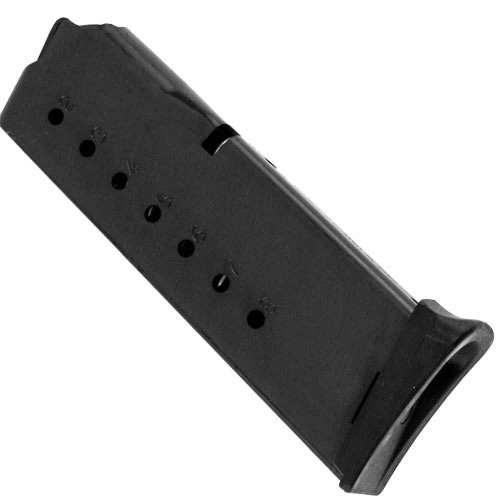
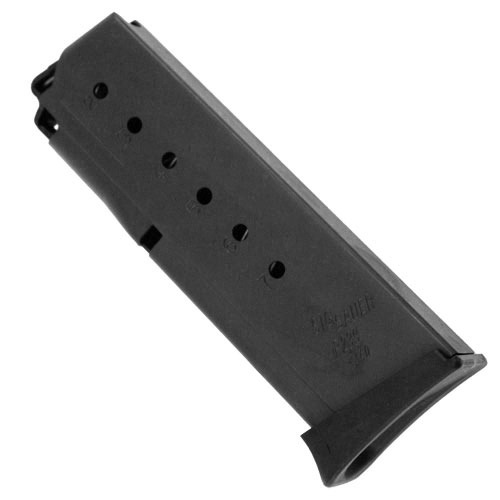
Compact pistol magazines for backup carry give concealed carriers a practical way to keep additional ammunition available without the weight, bulk, or complexity of carrying a second handgun. A spare magazine can also provide a straightforward solution if the primary magazine is damaged, lost, or affected by a spring, follower, or feed-related issue. For many people, carrying a backup magazine is less about expecting a prolonged defensive encounter and more about building sensible redundancy into everyday equipment. A compact magazine can ride comfortably on the support side of the belt, inside the waistband, outside the waistband, or in a dedicated pocket carrier that keeps it upright and protected. The best setup depends on the pistol, clothing, body type, daily routine, and the level of accessibility that feels natural during movement. Someone who spends the day seated at a desk may prefer a slim belt-mounted pouch, while a person walking, driving, or working outdoors may value a carrier with secure retention and a covered design. During the cooler months, a jacket or overshirt can make belt-mounted carry easier to conceal, while lighter clothing makes a low-profile carrier and careful positioning especially important. Regardless of the carry method, the magazine should remain secure, protected from excessive lint and moisture, and positioned so it can be reached consistently with the support hand. A spare magazine also offers a useful way to maintain a familiar grip and reload feel when practicing. Many shooters choose a standard-capacity magazine for the smallest profile, while others prefer an extended-capacity option when the added length improves handling or provides additional rounds without becoming difficult to conceal. The correct choice is always the magazine designed for the exact pistol model and chambering, since magazines that appear similar may differ in dimensions, locking cuts, feed geometry, or compatibility.
Before purchasing, confirm the pistol manufacturer’s model designation, caliber, generation or configuration, and the magazine specifications listed for that firearm. A magazine intended for one compact pistol may not lock into another, even when the firearms share a similar size or cartridge. Check whether the magazine is a standard or extended capacity, whether it works with the pistol’s magazine release and base design, and whether any grip sleeve or extension is appropriate for the frame. Factory-compatible magazines are generally the safest starting point because they are engineered around the pistol’s feeding system and intended dimensions. Inspect each magazine for smooth movement of the follower, proper spring tension, a secure base, and clean, undamaged feed lips. A new magazine should be tested with the firearm according to the owner’s manual and applicable safety practices before it becomes part of a daily carry setup. That testing does not require treating a defensive firearm casually; keep the muzzle pointed in a safe direction, keep the finger outside the trigger guard until ready to fire, use suitable eye and hearing protection at the range, and follow all local laws and range rules. Load and unload magazines deliberately, verify that they seat fully, and confirm that the magazine can be removed without unusual force. Practice should also include drawing or accessing the carrier with an unloaded firearm in a controlled environment, since clothing layers, vehicle seats, and belt placement can change how easily equipment is reached. Rotating carry magazines with training magazines can help reduce unnecessary wear, and periodically checking springs, followers, baseplates, and feed lips can reveal problems before they matter. Store backup magazines in a cool, dry place when they are not being carried, and avoid leaving loaded magazines exposed to excessive heat, moisture, dirt, or crushing pressure. For related equipment and replacement components, shoppers can also review Backup Parts for Concealed Carry Pistols.
A compact pistol magazine can be a thoughtful purchase for a licensed concealed carrier, a new firearm owner building a complete carry system, or an experienced shooter replacing worn equipment and preparing a dedicated range setup. It can also make a practical gift for someone who already owns a compatible compact pistol, provided the buyer verifies the exact model and capacity requirements first. A magazine is not universal, and gifting the wrong version can create inconvenience at best and a serious reliability concern at worst, so checking the owner’s manual or asking discreetly for the precise firearm details is worthwhile. Some owners keep one spare magazine on the belt and additional magazines secured at home, in a range bag, or with other lawful emergency equipment. Others carry a spare only when traveling, training, or wearing clothing that allows easy concealment. The goal is a balanced setup that supports responsible ownership without creating unnecessary bulk or drawing attention. A dedicated carrier is preferable to placing a loose magazine in a pocket with keys, coins, tools, or other objects that could press against the feed lips or interfere with access. Pocket carry should use a purpose-built pocket arrangement that keeps the magazine oriented consistently and prevents it from shifting during normal movement. Belt carry should be checked while standing, sitting, bending, and getting in and out of a vehicle; a position that feels comfortable in front of a mirror may need adjustment after a full day of movement. Keep magazines and firearms inaccessible to unauthorized users, particularly children, and use secure storage whenever the equipment is not under the owner’s direct control. Responsible carry also includes understanding local regulations governing concealed firearms, magazine dimensions, transport, and storage, as requirements can vary by jurisdiction. With the right fit, a dependable carrier, routine inspection, and regular training, compact pistol magazines for backup carry can become a discreet and reliable part of a well-organized concealed-carry system.