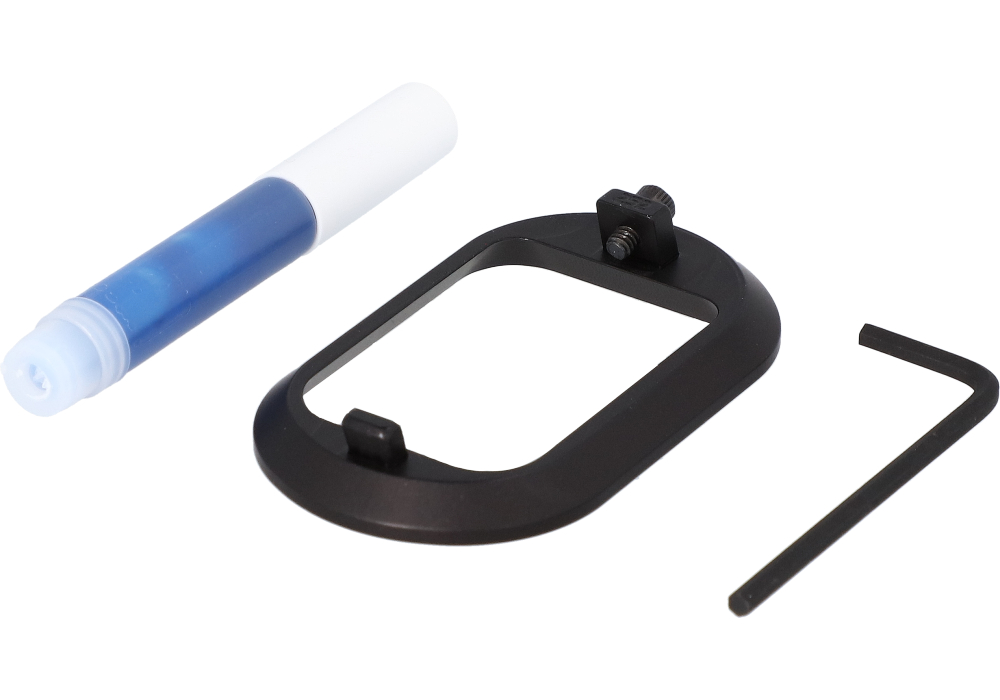
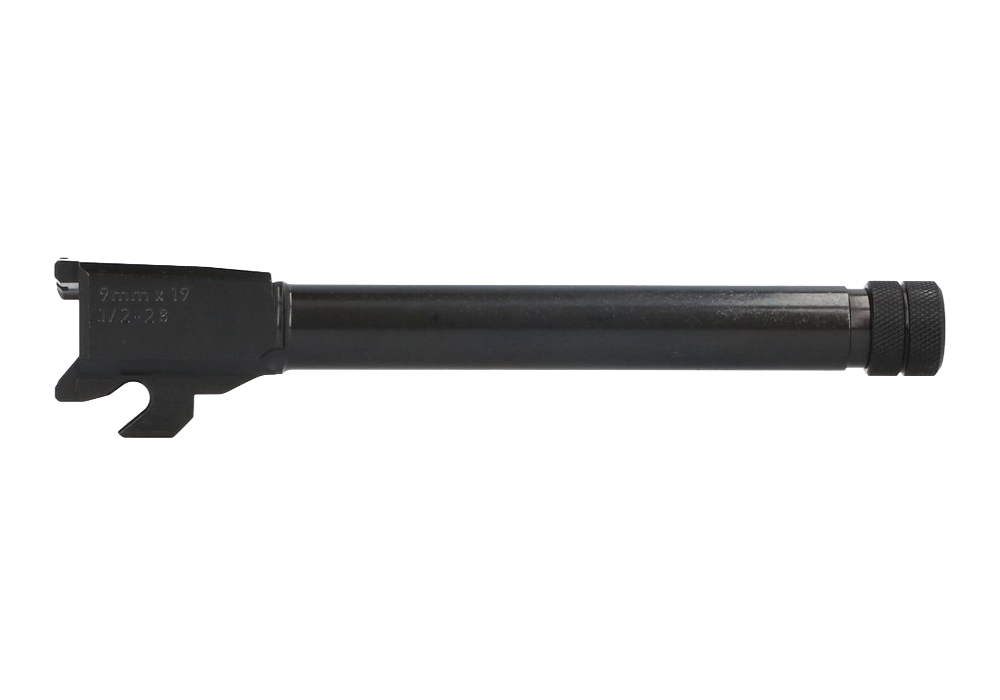
Backup parts for a concealed carry pistol provide a practical way to keep a trusted firearm maintained, serviceable, and ready for its intended use. A compact pistol may ride close to the body through long days, collect lint or dust from a holster, and experience repeated handling as it moves between storage, training, and carry. Over time, ordinary wear can affect small components even when the pistol appears clean and functions normally. A spare recoil spring assembly is one of the most useful parts to keep on hand because the spring absorbs substantial force during each firing cycle. As round count increases, a tired spring may contribute to sluggish cycling, inconsistent feeding, or a slide that does not return to battery with the same confidence. Replacement intervals vary by firearm, ammunition, and use, so the owner’s manual should guide inspection and service timing; many shooters also keep a replacement available before the original reaches the end of its expected service life. Extra magazines are equally practical. Magazines are frequently handled, dropped, exposed to debris, and compressed for extended periods, making them a common source of feeding problems. A clean, properly fitted factory spare can support practice sessions, maintenance checks, and carry preparation without relying on a single magazine. Magazine components such as springs, followers, and baseplates can also be useful additions to a maintenance kit, especially for owners who train regularly or rotate equipment throughout the year.
Other backup parts address the small controls and internal components that experience repeated impact and stress. Extractors and firing pins are compact pieces, but each plays an important role in reliable operation. An extractor must engage the cartridge case consistently, while a firing pin must move correctly within its channel and strike as designed. Springs associated with these systems, along with other small internal springs, may be sensible spares for an owner who maintains a pistol over many years. Slide catches and takedown levers are also worth considering, particularly for firearms that are cleaned often or used heavily for practice. These controls can show wear, become bent, or be misplaced during disassembly. A backup part does not replace proper inspection, and it should never be installed simply because it is available. Compatibility depends on the exact model, generation, chambering, configuration, and sometimes the production revision of the pistol. Before ordering, compare the part description with the owner’s manual and confirm fitment using the manufacturer’s specifications. For a broader selection of components intended for compact and subcompact platforms, visit Pistol Parts for Concealed Carry. Manufacturer-certified or manufacturer-approved parts are generally the safest starting point for a defensive firearm, while installation of critical components may be best handled by a qualified gunsmith. After installation, the pistol should be inspected and function-tested in a safe, lawful setting with appropriate ammunition before it is returned to carry service.
Backup parts can serve different needs depending on the owner. A daily carrier may keep a recoil spring assembly, a clean spare magazine, and selected small springs in a labeled maintenance pouch alongside eye protection, a compact flashlight, and cleaning supplies. A frequent range user may prefer several spare magazines, replacement magazine springs, and wear items that support regular practice without taking a primary carry setup out of service. Someone who carries only occasionally may value a simple, well-organized parts kit that remains stored with the pistol, allowing routine inspection before an outing or during the cooler months when additional layers, different holsters, and heavier clothing can change how equipment is handled. These items can also make thoughtful gifts for a new concealed carrier, a family member building a first maintenance kit, or an experienced shooter who appreciates practical supplies more than decorative accessories. The most useful gift is matched to the exact firearm rather than selected by appearance alone; model-specific fitment matters more than a generic label. Store spare components in a dry, clean container away from ammunition, solvents, and excessive heat, and keep small springs or pins separated so they are easy to identify. Regularly inspect magazines for damaged feed lips, weak springs, cracked baseplates, or debris, and examine recoil assemblies and controls for unusual wear. With the correct parts, careful storage, and service based on the manufacturer’s instructions, a backup kit becomes a quiet form of preparedness—ready for the next range session, routine maintenance, or the unexpected need to restore a trusted concealed carry pistol to proper working order.