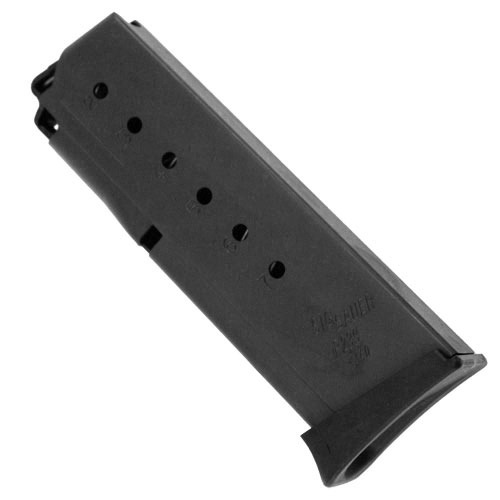
Single stack .40 S&W magazines are designed for handguns that use a single-column magazine format, combining a slim profile with the familiar performance of the .40 S&W cartridge. Because the cartridges sit in one vertical line rather than a staggered arrangement, these magazines can be a practical choice for compact carry pistols, traditionally styled single-stack handguns, and other platforms built around a narrow grip. The reduced width may be especially noticeable when carrying concealed, handling the pistol at the range, or storing it in a holster and case. While magazine dimensions can look similar at a glance, compatibility is determined by the exact handgun model, frame size, magazine catch location, feed geometry, and baseplate design. A magazine made for one .40 S&W pistol may not fit, lock in place, or feed correctly in another, even when both use the same cartridge. Before placing an order, confirm the manufacturer’s fitment information and compare the listed handgun model, generation, barrel or frame configuration, and magazine capacity. Standard-capacity magazines often preserve the original balance and proportions of the pistol, while extended-capacity options may add reserve ammunition at the cost of additional length below the grip. The right choice depends on how the handgun is carried and used, whether that means discreet everyday carry, range practice, training sessions, or keeping a properly matched spare available.
A dependable magazine should present cartridges at a consistent angle, allow the follower to move smoothly, and lock securely into the pistol without excessive wobble. Construction details deserve attention because the magazine is repeatedly exposed to pressure, friction, dust, and the impact of being seated against the grip or magazine well. Corrosion-resistant bodies, durable followers, strong springs, and a well-fitted baseplate can all contribute to dependable service, while witness holes or clear markings make it easier to confirm the loaded round count. For a carry setup, many owners prefer to rotate more than one magazine so they can inspect springs, feed lips, and baseplates without taking every magazine out of service at once. During routine maintenance, unload the magazine completely, check for debris or damaged components, and follow the handgun and magazine manufacturer’s disassembly instructions. Avoid forcing a magazine that does not seat properly, and test any new magazine with the intended pistol before relying on it for defensive use. A practical function check can include confirming that the magazine locks open on an empty chamber, drops free when released, and feeds the ammunition recommended for that firearm. At the range, pay attention to subtle signs such as nose-diving cartridges, failures to lock back, difficult insertion, or a follower that hesitates near the top of the magazine. These symptoms may point to a fitment issue, worn spring, damaged feed lips, ammunition characteristics, or a problem with the handgun itself. Proper storage also matters: keep magazines in a clean, dry place away from unnecessary heat and moisture, and use a suitable pouch, case, or organizer to prevent loose equipment from collecting grit. During the cooler months, moving between a warm vehicle, an outdoor range, and an indoor storage area can introduce condensation, making a quick inspection worthwhile before use.
Single stack .40 S&W magazines can be useful additions for new handgun owners, experienced shooters refreshing their equipment, instructors preparing for practice sessions, or anyone assembling a compact and orderly range kit. They can also make a thoughtful gift for a firearm owner when the exact handgun model and preferred capacity are already known. A magazine is most useful when it matches the recipient’s pistol precisely, so checking the model marking or asking discreetly is better than relying on appearance alone. For shooters who spend a quiet afternoon confirming their equipment before heading to the range, an extra factory-compatible magazine can simplify loading and reduce interruptions between strings of fire. For concealed carriers, a slim spare magazine may fit comfortably in a dedicated pouch without adding unnecessary bulk, while a shooter focused on training may appreciate having several identical magazines for consistent drills and easier troubleshooting. Those who use a single-stack .40 S&W pistol for home storage should still follow all applicable laws and safe-storage practices, keeping the firearm and ammunition secured from unauthorized access. Capacity restrictions and magazine regulations vary by jurisdiction, so buyers should review current local requirements before ordering or possessing replacement or spare magazines. Shooters comparing related options may also find useful information among Compact 40 Caliber Pistol Magazines, particularly when evaluating dimensions and fit for narrower handgun platforms. Whether selected as a replacement for a worn magazine, a spare for carry, or an addition to a carefully organized training kit, the best single-column magazine is the one that fits the intended pistol, functions consistently with approved ammunition, and suits the way the owner actually handles, carries, stores, and practices with the firearm.