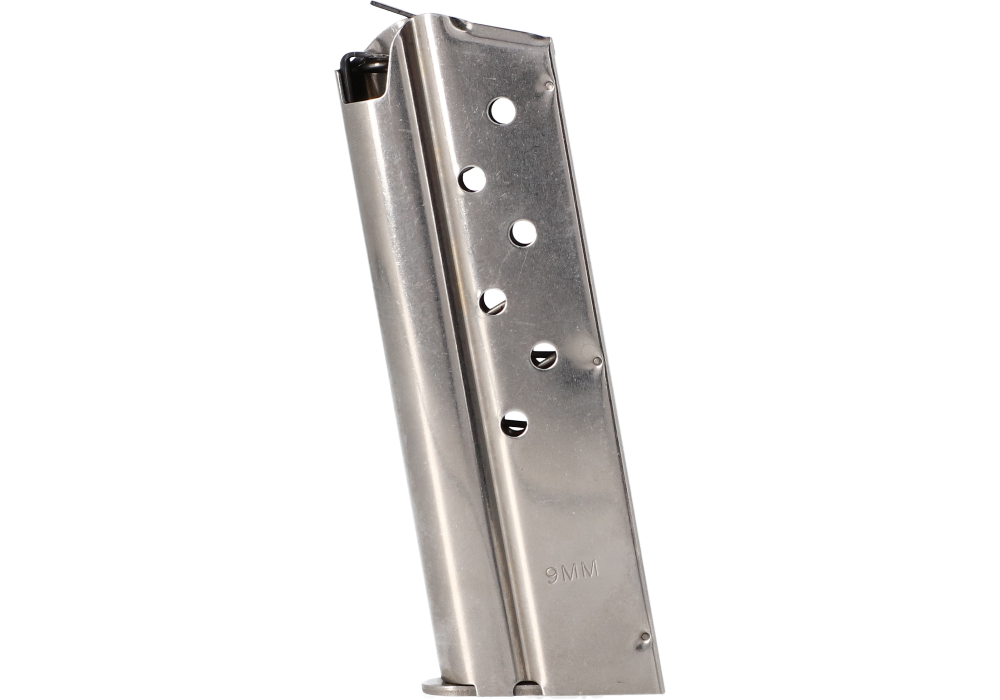
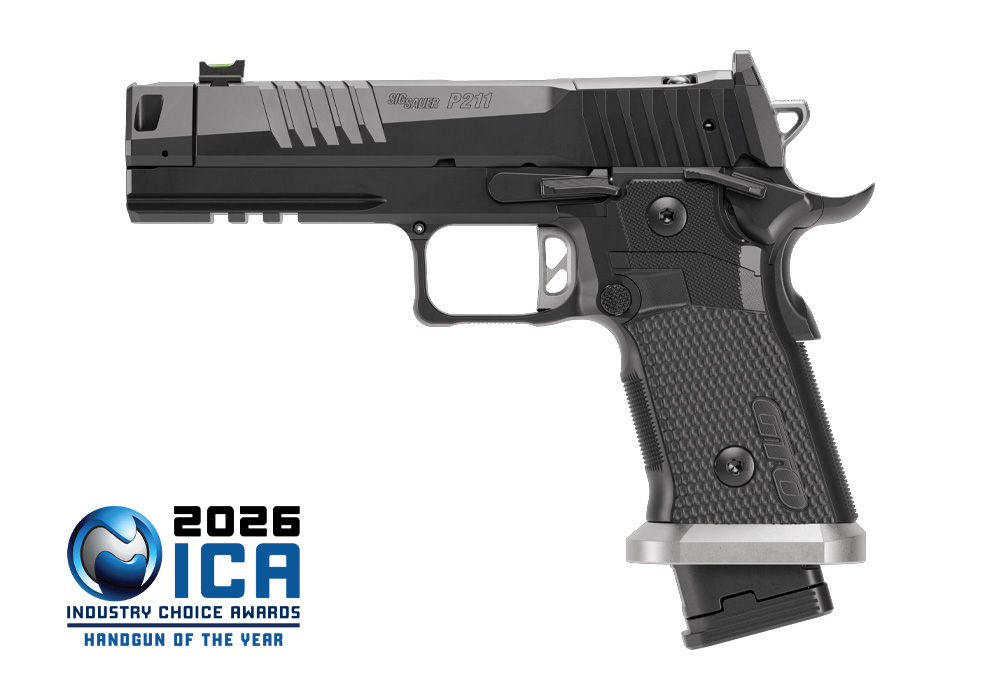
A double-stack 9mm magazine holds cartridges in two staggered columns inside a wider magazine body, allowing more rounds to fit into a given length than a comparable single-stack design. In many pistol magazines, those columns converge near the top to present each cartridge at a single feeding position. This arrangement supports a range of handgun sizes, from compact frames to full-size pistols, but the term “double stack” describes the cartridge layout rather than a universal fit or round count. Body length, internal geometry, follower design, and the intended firearm all influence how many cartridges a magazine holds. Two magazines can share the same caliber and a similar appearance without being interchangeable. Correct fit depends on the firearm’s model, frame size, and, where applicable, generation or grip configuration. Magazine catch placement, feed lip geometry, and baseplate dimensions also matter. A magazine that appears to fit the grip is not necessarily compatible with the firearm’s feeding system, so manufacturer compatibility information is more useful than appearance alone. Flush-fitting designs keep the base close to the grip, while longer designs may project below it. That difference can affect how the pistol feels in the hand, how it fits a holster system, and how comfortably a spare magazine sits in a pouch. A shorter grip may leave less room for the little finger, while a compatible grip extension can change the contact surface without changing the firearm’s basic frame dimensions. For shoppers comparing shorter configurations, 9mm Compact Magazines provide a related category to consider alongside confirmed firearm compatibility. Compact and double-stack describe different characteristics: one generally concerns size, while the other concerns the arrangement of cartridges. A compact magazine can use a double-stack layout, and a full-size magazine is not automatically suitable for a smaller handgun. The most useful comparison brings together caliber, verified fit, body dimensions, and baseplate shape rather than treating any one feature as a complete description.
Materials and construction influence how double-stack 9mm magazines feel, wear, and respond to regular handling. Steel bodies can provide rigid walls with a relatively slim profile, while polymer bodies offer a different balance of weight, surface texture, and resistance to corrosion. Some designs combine a metal structure with polymer components. Neither material alone establishes quality; dimensional consistency, suitable finishes, and the relationship between the body, spring, follower, and feed lips are all important. The follower supports the cartridges, the spring supplies upward pressure, and the feed lips help control cartridge presentation. Those parts function as a system, which is why a baseplate or internal component that looks similar to another is not necessarily an appropriate replacement. Baseplates also deserve attention beyond appearance. Their shape affects the surface beneath the grip, access during normal handling, and compatibility with certain pouches or grip accessories. Smooth edges can be more comfortable against clothing, while pronounced texture may provide a clearer purchase during routine use. Durability is best considered in terms of the whole assembly rather than a single material claim. Repeated handling, grit inside a range bag, moisture exposure, and contact with hard surfaces can leave different signs of wear. A light exterior scuff is different from a cracked body, distorted feed lips, a loose baseplate, or a follower that no longer moves freely. Routine inspection helps distinguish cosmetic wear from conditions that call for professional assessment or replacement. Care should follow the manufacturer’s instructions, with the magazine unloaded before inspection or cleaning and ammunition kept separate from the work area. Excess oil can attract residue, and aggressive cleaners may be unsuitable for certain finishes or polymers. A clean, dry storage environment and a pouch that shields the magazine from debris can help preserve its condition between uses. Storage and maintenance recommendations vary by design, so broad claims about spring life or cleaning intervals are less useful than the guidance supplied for the magazine itself.
Intended use gives these details a practical purpose. For a recreational shooter, compatible spare magazines can help keep a range session organized and reduce interruptions between scheduled shooting periods. Someone attending a supervised class may need several magazines to meet the instructor’s equipment requirements, along with pouches that fit their dimensions. A competitive shooter may place greater emphasis on repeatable handling, consistent baseplate dimensions, and compatibility with the rules of a particular discipline. A person selecting equipment for lawful personal protection may give more weight to a flush profile, comfortable carry, and verified function in the intended firearm. These priorities can overlap, but they do not always point toward the longest magazine or the most prominent baseplate. A spare carried against the body has different practical demands from one transported in a divided range case. A broad base may be easy to distinguish by touch yet less comfortable in a close-fitting pouch; a smooth, compact profile may be easier to carry but offer less exposed surface. Even small differences become noticeable over a full practice session. Simple organizational habits also have value. Individual identification marks can help an owner track maintenance history and recognize recurring concerns without confusing one magazine with another. Protective compartments keep magazines from rubbing against loose tools or collecting debris at the bottom of a bag. For a gift recipient who already owns a compatible firearm, a magazine can be a useful addition to familiar equipment, but exact compatibility and applicable legal restrictions need confirmation beforehand. Caliber alone is not enough to establish either suitability or lawful possession. Round-count limits and other requirements vary by jurisdiction, and intended travel can introduce additional considerations. Across these uses, the strongest choice is a magazine with documented compatibility, appropriate dimensions, sound construction, and care requirements the owner can realistically maintain. Those fundamentals matter more than appearance and help keep the focus on equipment that suits the firearm, the setting, and the person using it.