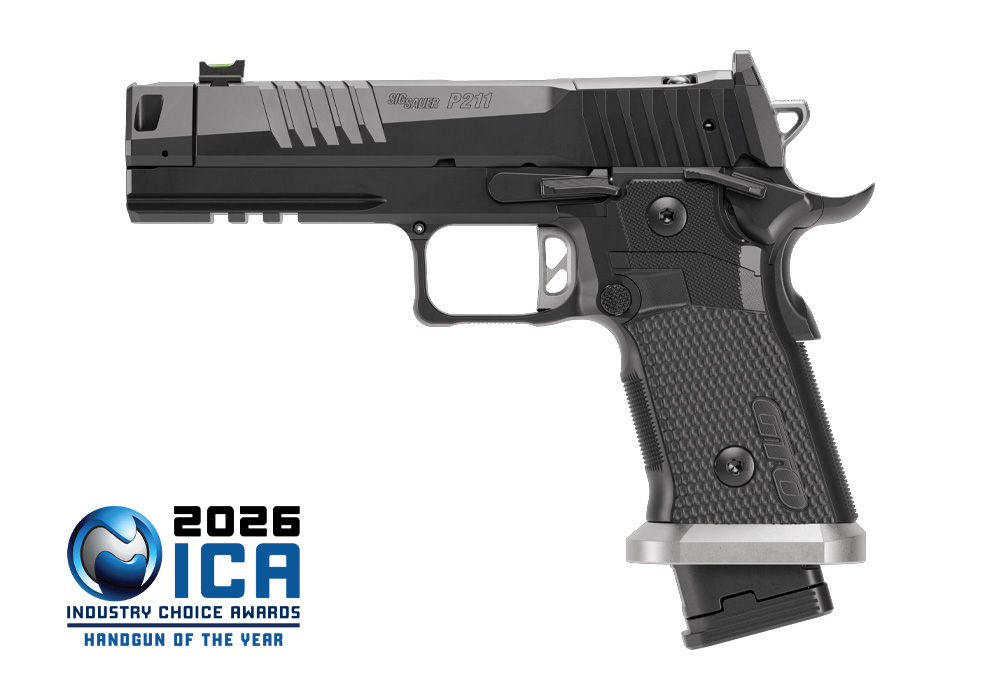
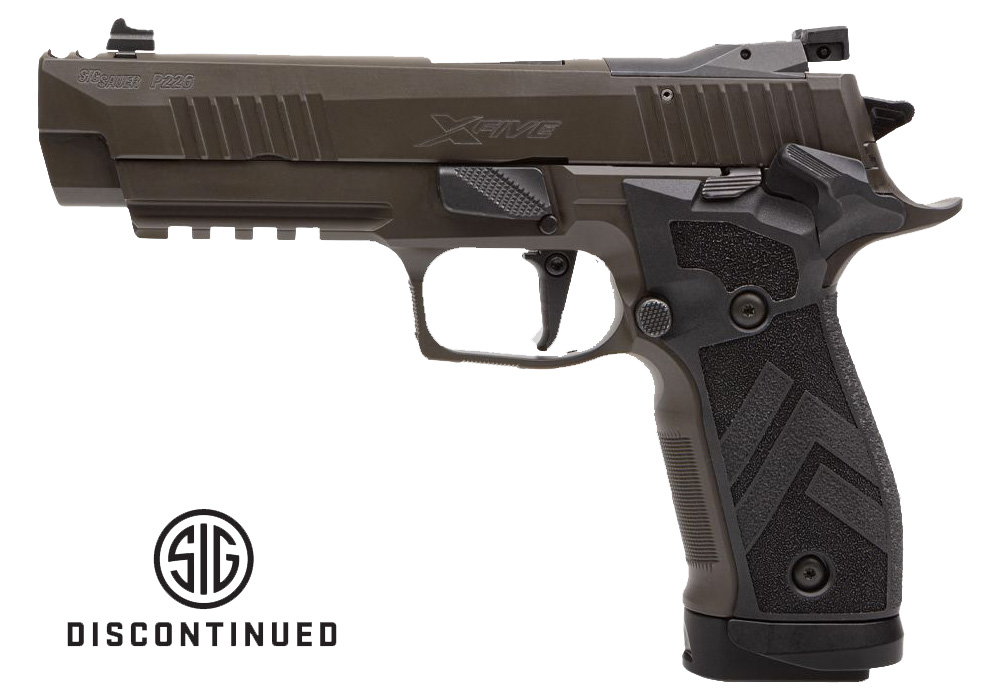
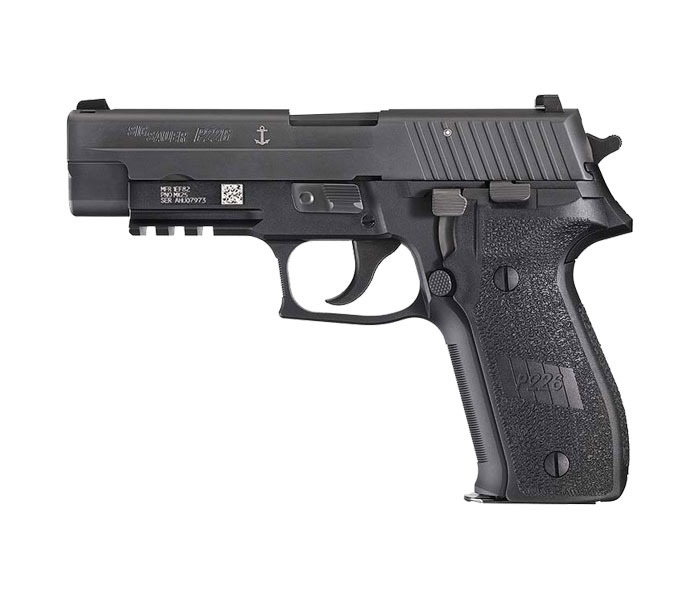
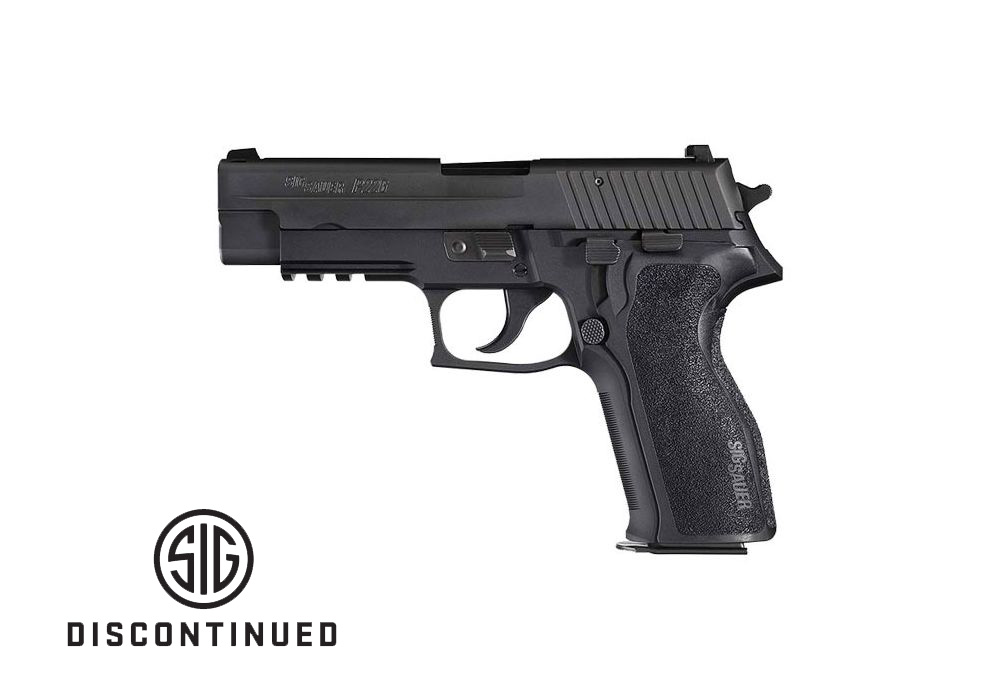
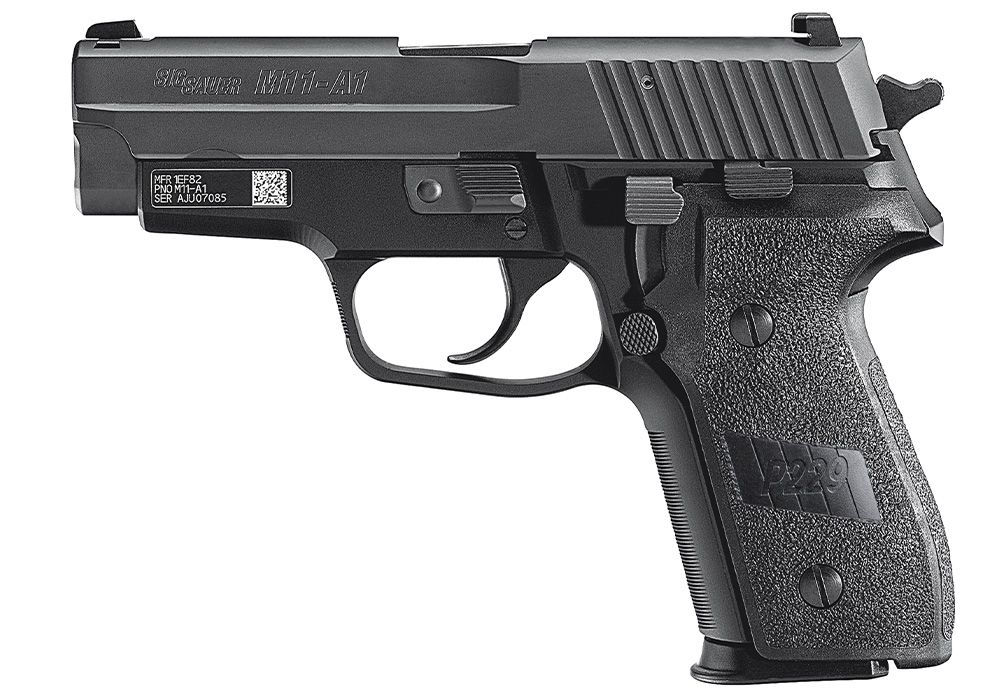
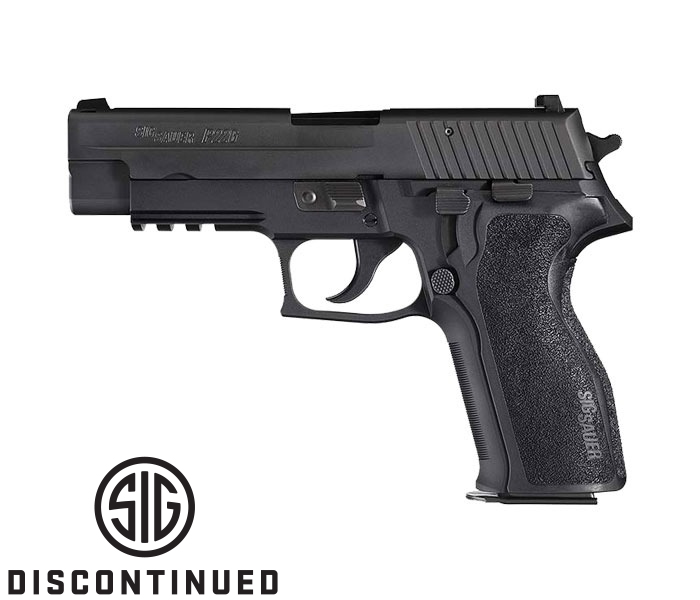
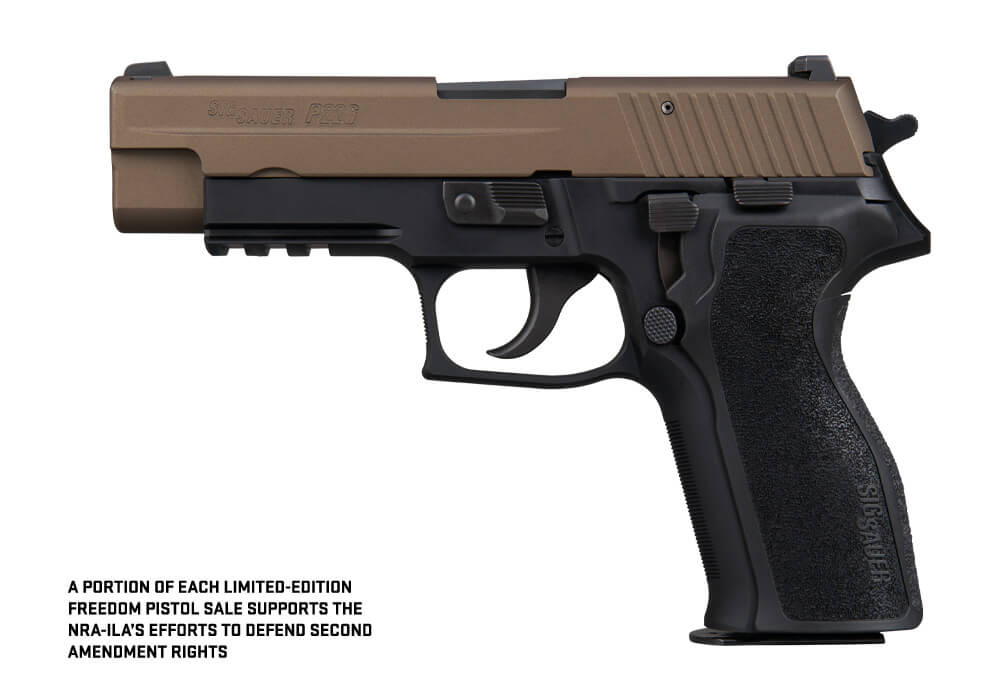
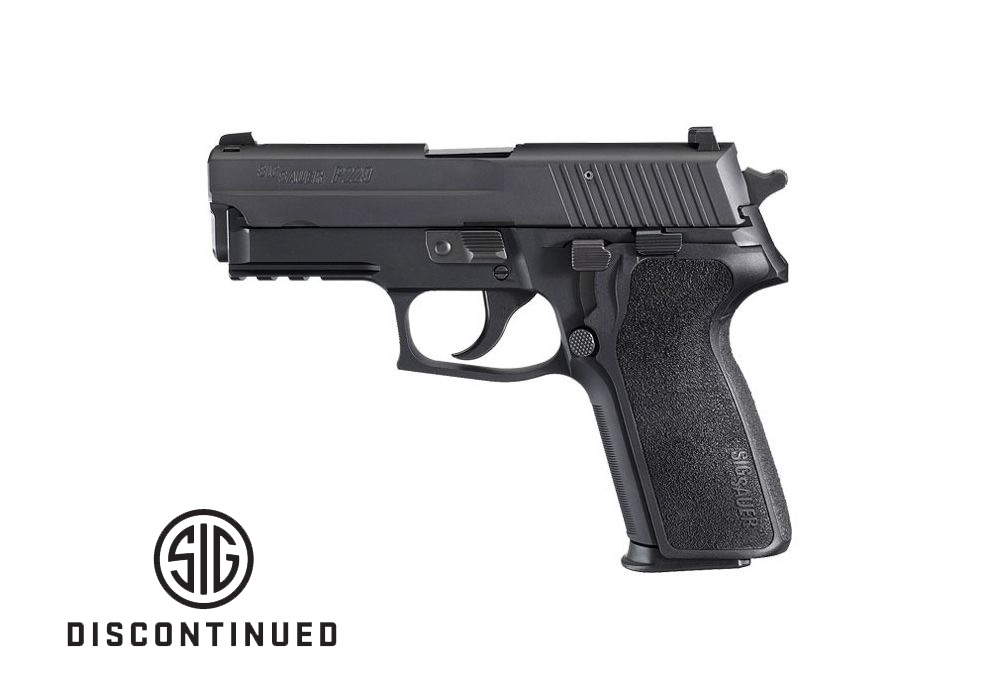
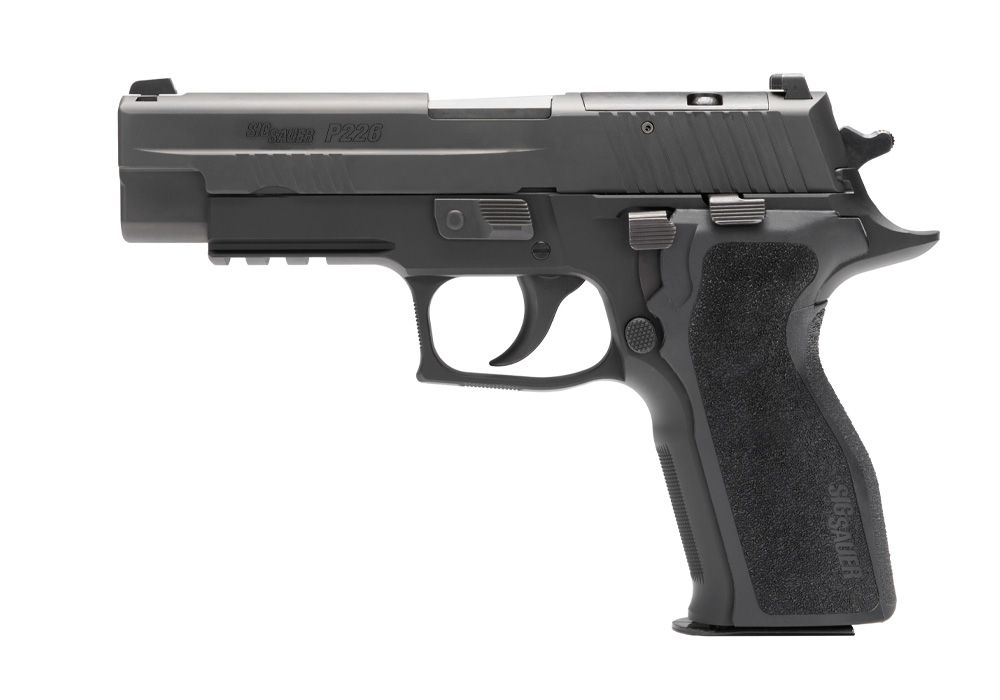
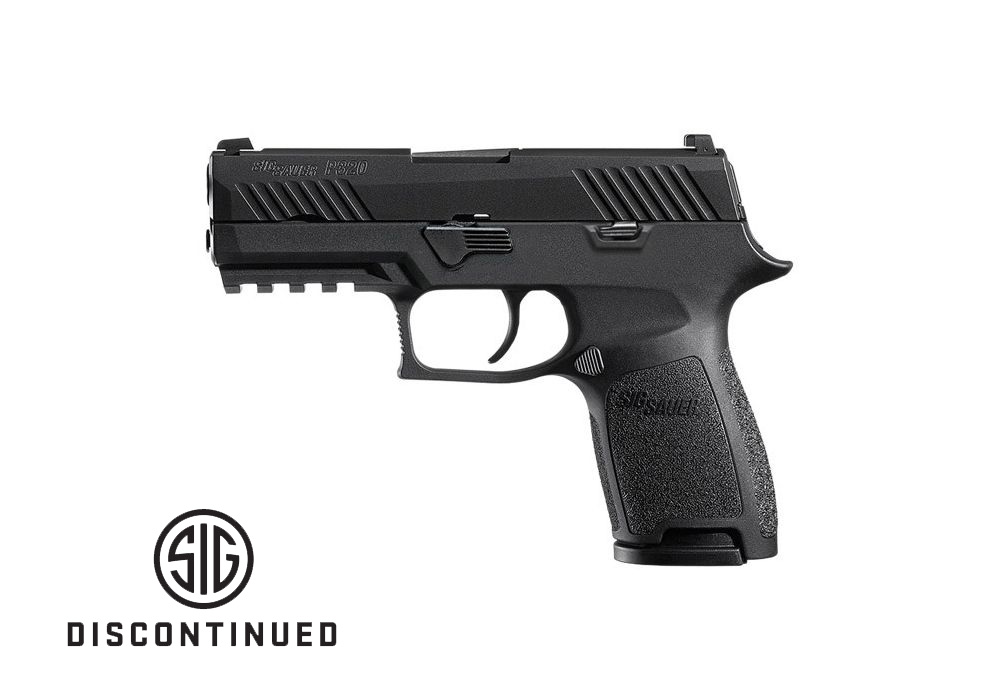
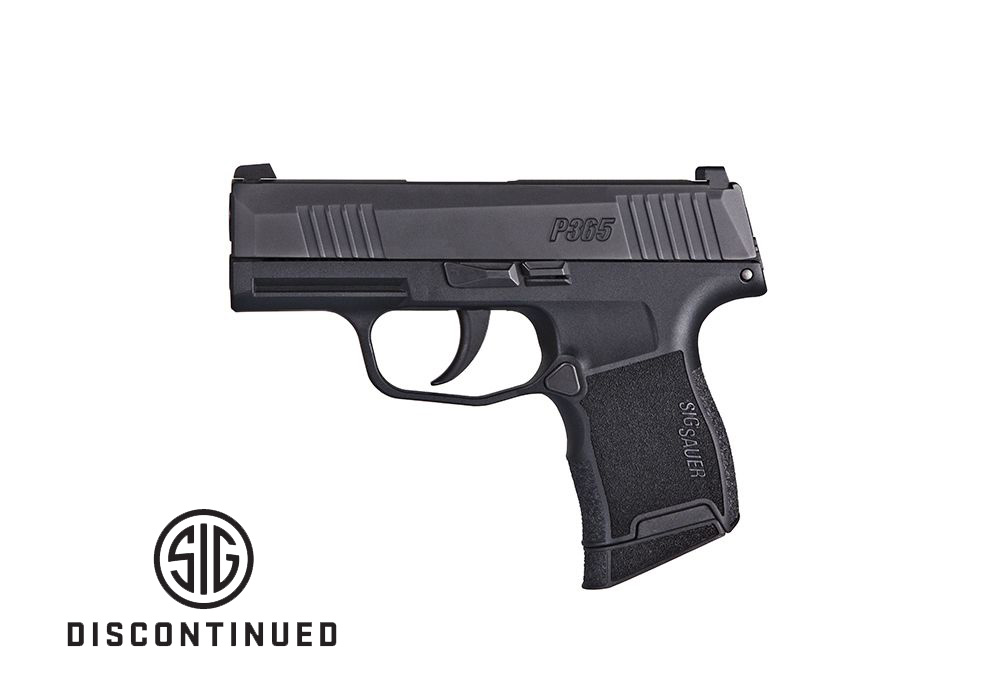
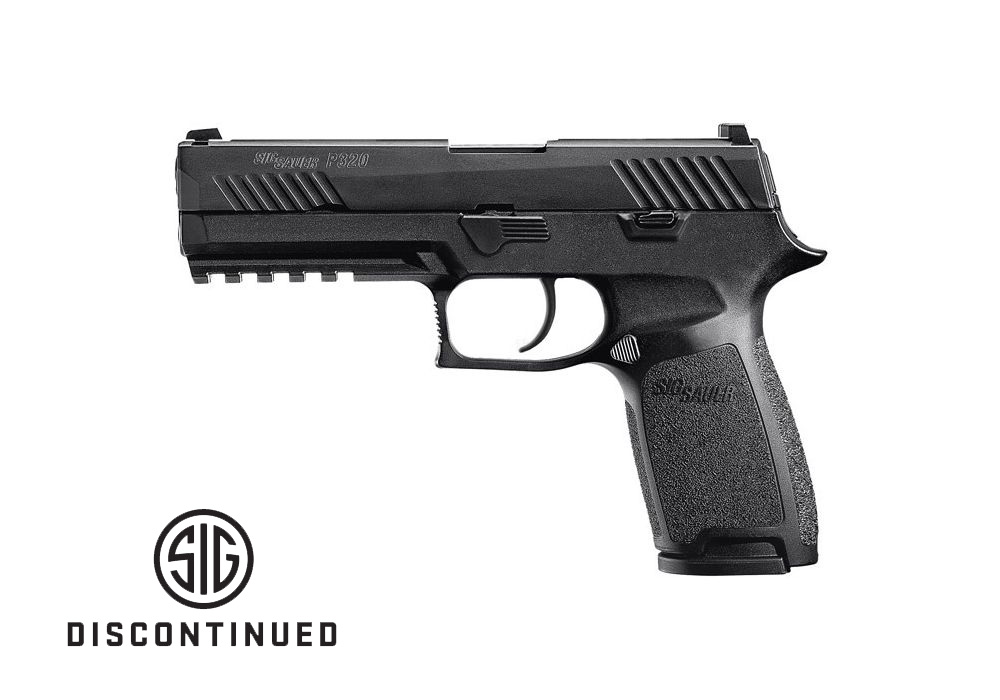
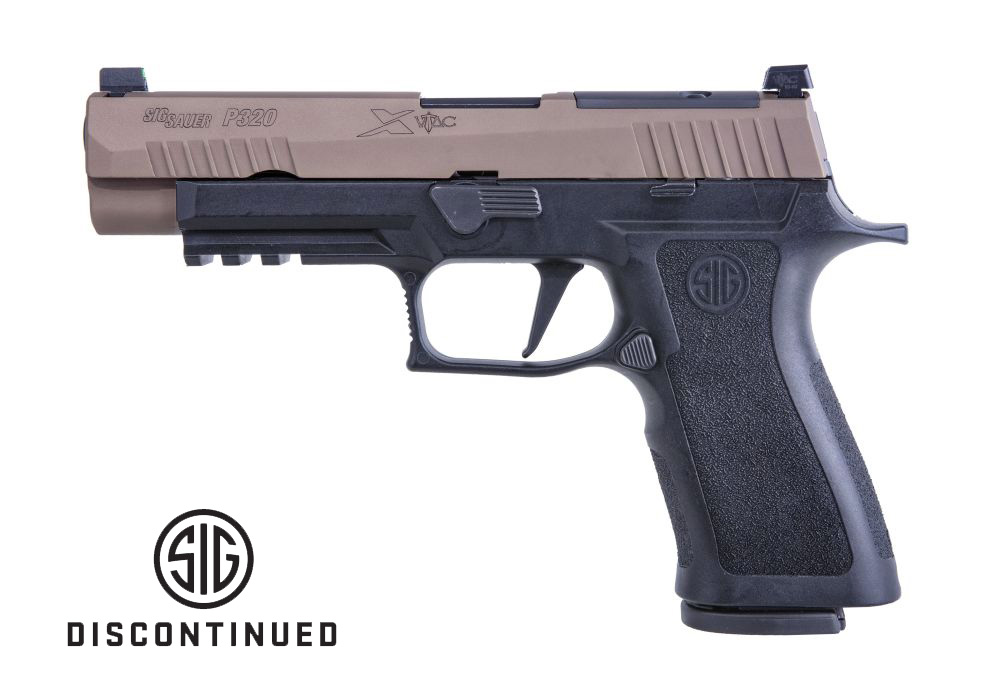
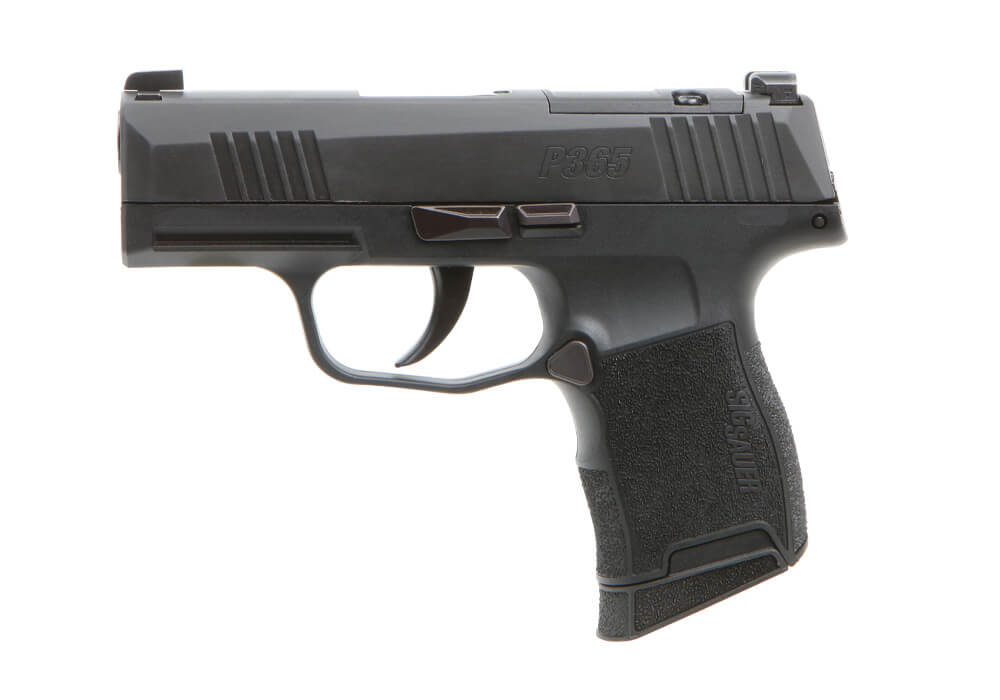
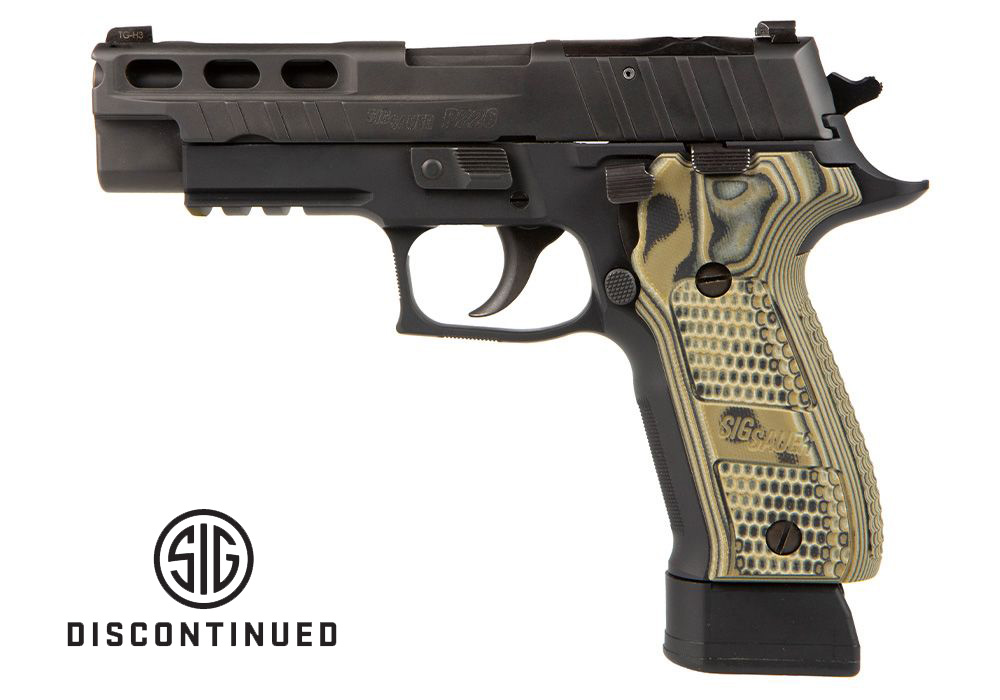
A 9mm double stack pistol uses a magazine that holds cartridges in two staggered columns rather than the single column found in a single-stack design. This arrangement generally allows more rounds in a magazine of comparable length, though the magazine body and surrounding grip may be wider. The distinction describes the magazine layout, not the firing mechanism, frame material, or overall size of the handgun. Double-stack 9mm pistols span compact carry formats, full-size handguns for regular range practice, and configurations suited to organized shooting sports or professional use. Most are chambered for 9×19mm, also called 9mm Luger, but the firearm’s chamber markings and manufacturer documentation remain the authority for ammunition compatibility. For shoppers, the appeal is often the combination of a familiar cartridge, a substantial gripping surface, and a choice of sizes that accommodate different preferences. A full-size grip can give the little finger a firm place to rest, while a shorter grip can reduce the handgun’s overall footprint. Neither arrangement is automatically a better fit for every person. Two pistols with similar dimensions can feel noticeably different because of their grip angle, front-to-back measurement, and contour around the backstrap. Double-stack construction also does not guarantee compatibility between magazines, even when two handguns share the same chambering. Magazine dimensions, locking features, and manufacturer specifications must align with the individual firearm. Shoppers comparing firing systems can also explore 9mm Striker Fired Pistols, a related category that overlaps with many double-stack designs. Striker-fired and double-stack describe separate characteristics: one concerns the firing system, while the other concerns cartridge arrangement. Hammer-fired designs can also use double-stack magazines. Understanding that distinction makes it easier to compare meaningful features without assuming that every pistol in this category handles or operates alike. The most useful comparison combines magazine configuration with grip dimensions, overall weight, controls, and the intended role of the handgun.
Frame material contributes to how a double-stack 9mm pistol feels in the hand and how much weight accompanies it through a day of lawful carry or a range session. Polymer frames typically reduce weight and often incorporate molded grip texture, while aluminum-alloy frames offer another approach to weight and rigidity. Steel-frame designs generally weigh more, a characteristic some recreational shooters appreciate when spending an extended session at the range. These are broad tendencies rather than guarantees; slide dimensions, barrel length, and the rest of the construction also affect the complete handgun. A comfortable grip should offer secure contact without forcing the hand into an awkward position. For someone with shorter fingers, a wider magazine housing may be less important than the distance from the backstrap to the trigger. Someone with larger hands may value a longer gripping surface or interchangeable backstraps that fill the palm more naturally. During an in-person fit assessment with a verified unloaded firearm and qualified assistance, attention to trigger reach and access to the controls can reveal differences that measurements alone miss. Texture matters as well. A coarse surface may feel reassuring during range practice but uncomfortable against the body during lawful concealed carry, depending on the holster and clothing. Sights should be easy for the individual shooter to see clearly, and an optic-ready slide requires careful attention to the specified mounting interface, compatible hardware, and holster clearance. An accessory rail does not establish universal compatibility with every attachment. The same applies to holsters: fit should correspond to the exact firearm configuration, with secure retention and full trigger coverage. Barrel and slide length influence overall dimensions, holster requirements, and sight radius when using iron sights, but length alone does not establish accuracy or suitability. For a frequent range visitor, comfortable handling and clearly visible sights may carry considerable importance. For someone considering lawful carry, grip length, total weight, and a properly fitted holster become part of the everyday ownership experience.
Durability in a 9mm double stack pistol comes from the complete system rather than a single material or finish. Slide and barrel construction, surface treatments, frame design, and the condition of magazines all contribute to long-term serviceability. Polymer resists many forms of corrosion, but metal components still need appropriate attention, and protective finishes do not eliminate maintenance. Regular inspection and care should follow the manufacturer’s manual, using only recommended cleaning materials and lubricants. Cleaning belongs in a safe workspace with the firearm unloaded and ammunition kept separate; any uncertainty about disassembly or reassembly is a reason to seek qualified assistance. Magazines deserve attention because their bodies, feed lips, followers, and springs are integral to dependable operation. Visible damage, unusual wear, or persistent feeding problems call for evaluation rather than improvised adjustments. Replacement magazines and service parts should match the firearm’s documented requirements, including any differences between standard and extended magazine configurations. Ammunition selection likewise starts with the exact chambering and manufacturer guidance, not simply the appearance of the cartridge or a broad caliber label. Ongoing ownership also includes suitable storage, transportation, and training. A secure storage solution should prevent unauthorized access, particularly where children, visitors, or other household members may encounter the firearm. Carry, transport, magazine restrictions, and transfer requirements vary by jurisdiction, so lawful ownership depends on the rules that apply to the individual purchaser and location. Anyone considering a handgun as a gift should account for the recipient’s eligibility, preferences, and applicable transfer procedures; personal fit is difficult to judge on someone else’s behalf. For newer owners, professional instruction offers a foundation in safe handling and responsible use, while experienced shooters may appreciate a familiar grip shape or control layout across regular practice sessions. A well-suited double-stack 9mm pistol is not simply the one with the largest magazine or longest feature list. It is the one whose dimensions, construction, compatible equipment, and maintenance needs align with its owner’s lawful use and commitment to responsible care.