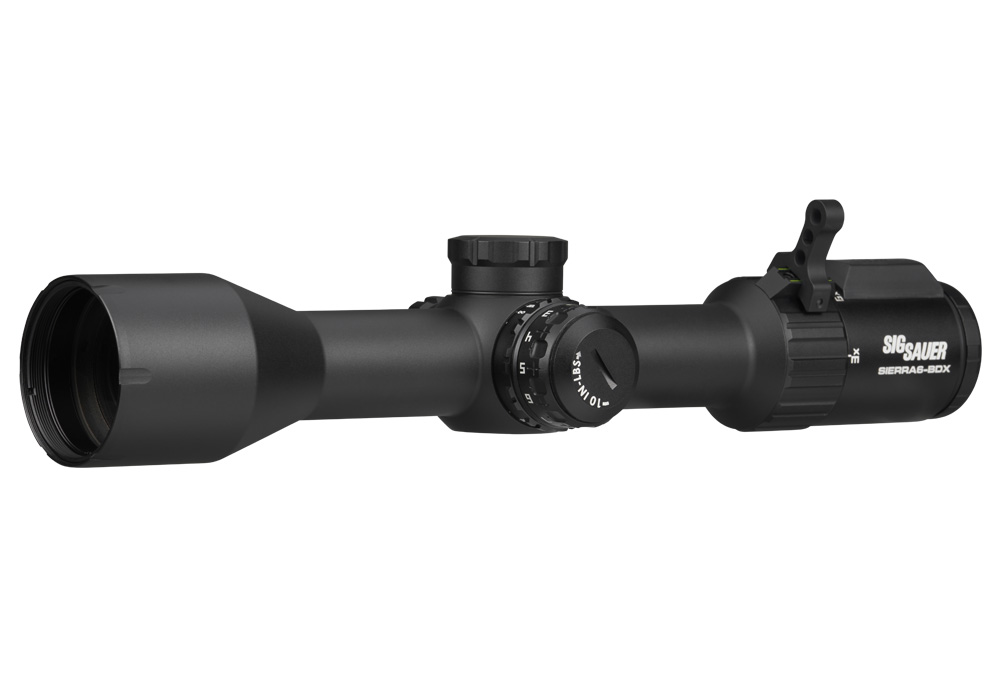
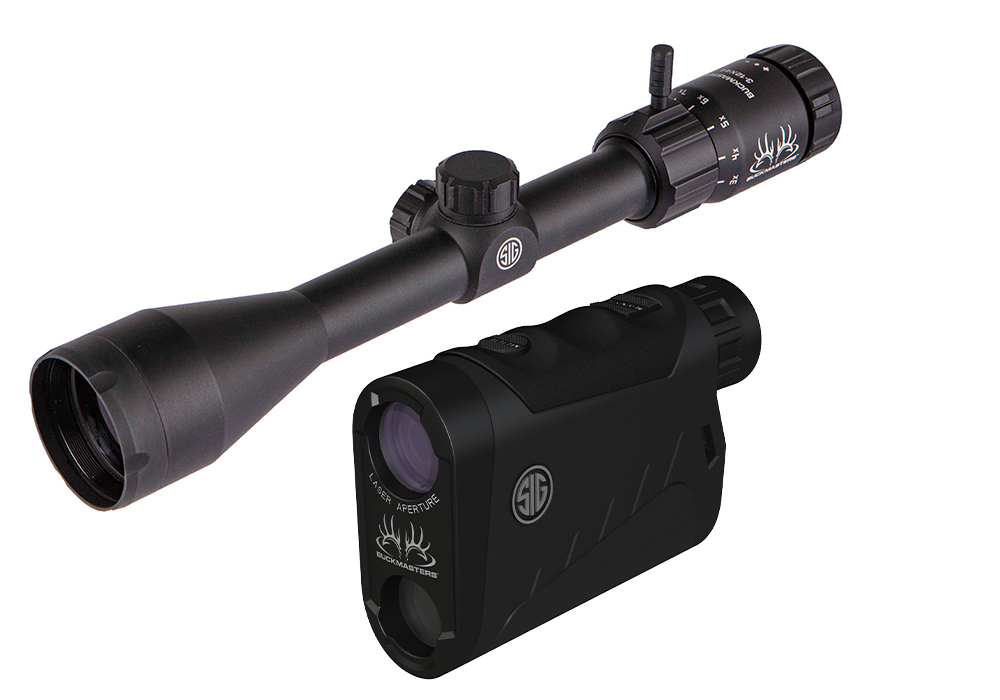
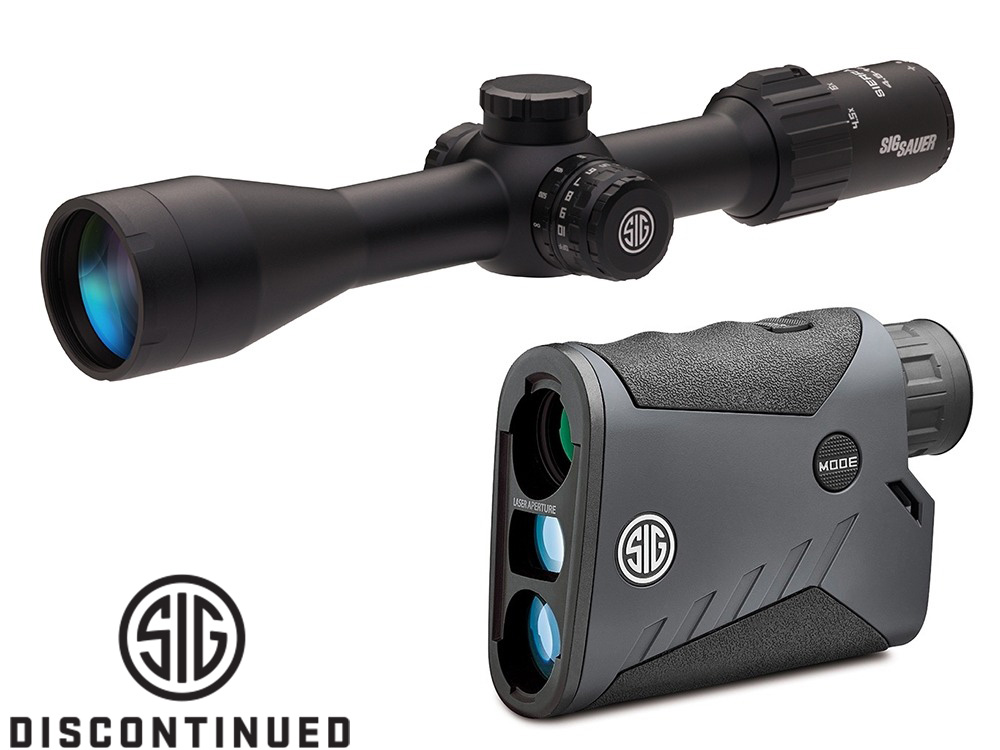
44mm scopes offer a practical balance of optical performance, rifle fit, and everyday versatility. The “44mm” designation refers to the diameter of the front objective lens, the end of the scope that gathers available light before directing the image through the optic. That size provides a useful middle ground for hunters and target shooters who want more light-gathering potential than a compact scope while avoiding some of the bulk and mounting height associated with larger 50mm or 56mm objectives. A 44mm scope can sit relatively low over the rifle action when paired with appropriately sized rings or a one-piece mount, helping preserve a comfortable cheek weld and familiar sight picture. It also adds less weight than many larger objective designs, an advantage that becomes noticeable when carrying a rifle through timber, rolling fields, or uneven ground during the cooler months. For many rifles, a 44mm objective supports a well-rounded setup that is easy to carry, straightforward to mount, and capable of handling a broad range of shooting conditions. As with any optic, the best choice depends on the rifle, cartridge, intended distance, and the way the scope will be used. A compact hunting rifle carried over long distances may benefit from a lighter, lower-profile configuration, while a precision-oriented rifle used from a bench or supported position may accommodate a larger body and more adjustment features. Checking the rifle’s receiver, bolt handle clearance, rail or base system, and ring height before purchase helps prevent fitment issues and makes the installation process much smoother. Mounting the optic as low as practical, without interfering with the action or objective bell, generally supports a more natural shooting position.
Magnification is another important consideration when comparing 44mm scopes. Common ranges such as 3-12x, 4-16x, and similar configurations can cover everything from close shots in wooded terrain to extended target work across open ground. Lower magnification provides a wider field of view, which can make it easier to locate moving game or follow a target at shorter distances. Higher magnification can help reveal fine aiming details and small points of impact when shooting from a steady rest. Variable-power scopes are particularly useful for hunters who may move between dense cover and open country in the same outing, since a lower setting can be used while scanning and a higher setting can be selected when distance and conditions allow. Optical coatings, glass quality, reticle design, and internal adjustment reliability all influence the usefulness of the scope beyond the objective diameter alone. Fully multi-coated lenses can help improve brightness, contrast, and glare control, especially when the sun is low or the background includes reflective leaves, pale grass, or open water. A fast-focus eyepiece can make it easier to bring the reticle into sharp view, while a clearly marked magnification ring supports quick changes without losing concentration. Reticle style should match the application: a clean hunting reticle can keep the sight picture uncluttered in changing light, while a more detailed reticle may assist with holdovers, wind corrections, or precision work at varied distances. Turret design matters as well. Capped adjustments are often well suited to hunting rifles where a protected, set-and-forget configuration is preferred, while exposed or more tactical-style turrets may appeal to shooters who regularly dial elevation and windage. When evaluating related components, 44mm Objective Lenses can also be considered as part of a complete optic setup, particularly when replacement, compatibility, or a specific optical configuration is involved.
These scopes are commonly selected by hunters, recreational shooters, range users, and rifle owners who want one optic to cover several realistic applications. A deer hunter moving through hardwoods may begin the day at a lower power for a broad field of view, then increase magnification from a stationary position overlooking a clearing. A varmint or target shooter working from a bench may value the additional detail available at the upper end of the magnification range, along with repeatable adjustments and a reticle that helps account for distance. They can also make thoughtful gifts for a new rifle owner, an experienced hunter updating an older setup, or a shooter preparing for a season of practice before heading into the field. The most useful gift is one selected with the recipient’s rifle and shooting habits in mind, since ring height, mounting pattern, tube diameter, reticle preferences, and magnification range must all work together. For a first optic, versatility is often more valuable than choosing the greatest available magnification. A moderate lower-power setting and a useful upper range can make the scope easier to use in real conditions, while a forgiving eye box and intuitive controls help reduce frustration during practice. Before purchasing, consider the rifle’s recoil level, the expected shooting distances, typical weather, storage conditions, and whether the optic will be carried frequently or used primarily from a fixed rest. Eye relief should be sufficient for the firearm and shooting position, and the scope should be mounted so the full sight picture appears naturally without excessive head movement. During the cooler months, clear lenses, reliable adjustments, and a secure mount become especially important as changing temperatures, damp vegetation, and low-angle light can make a simple setup feel far more capable. With the right combination of objective size, magnification, reticle, mounting hardware, and optical quality, a 44mm scope can provide a balanced sighting solution for confident range sessions and carefully planned time in the field.