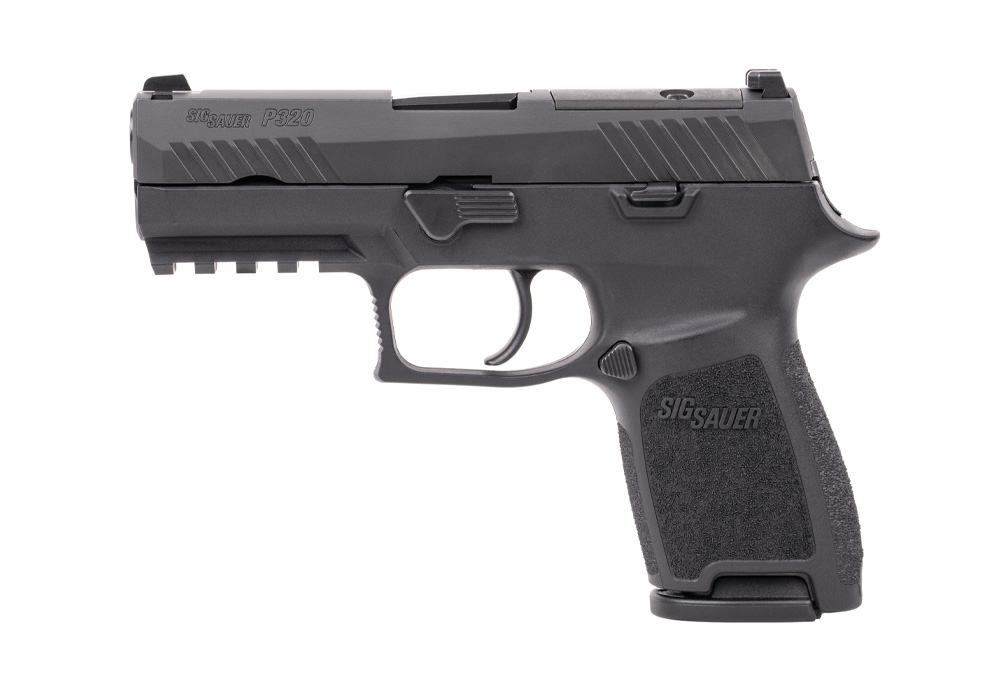
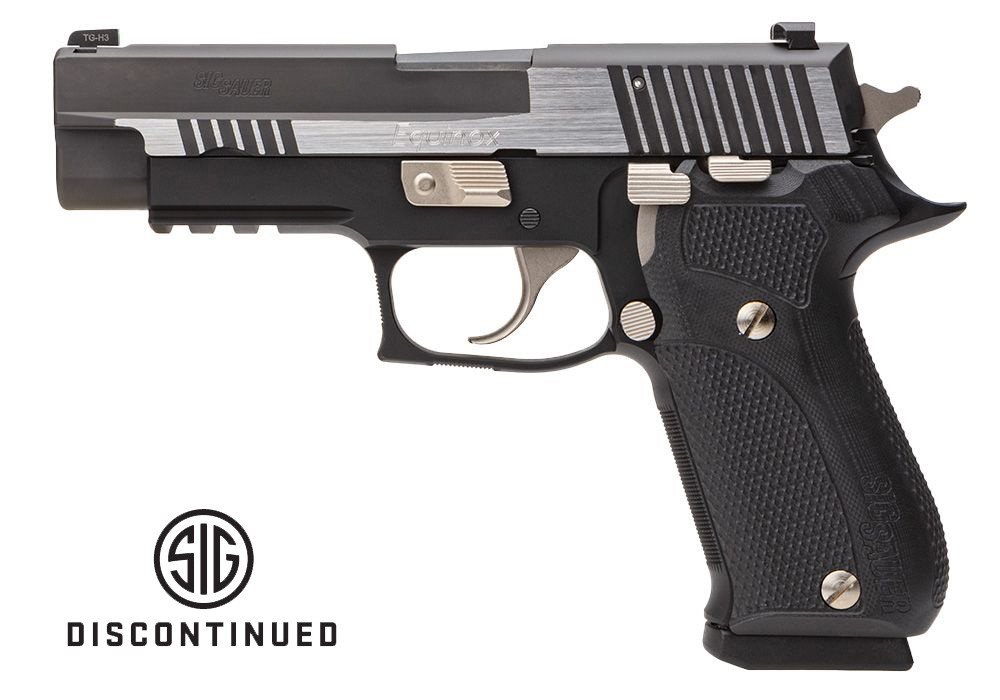
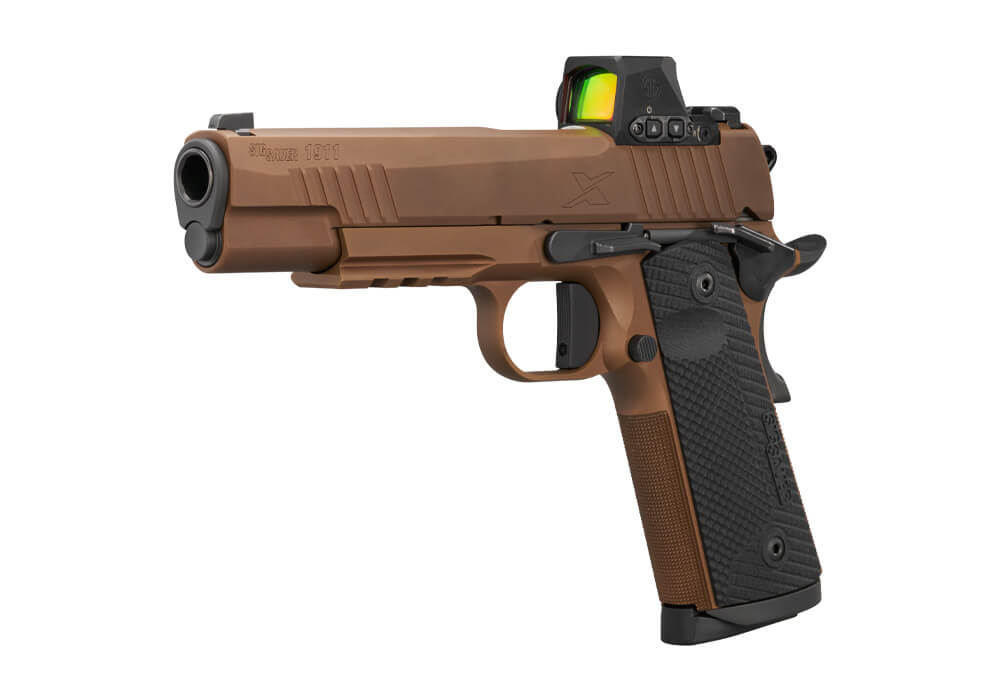
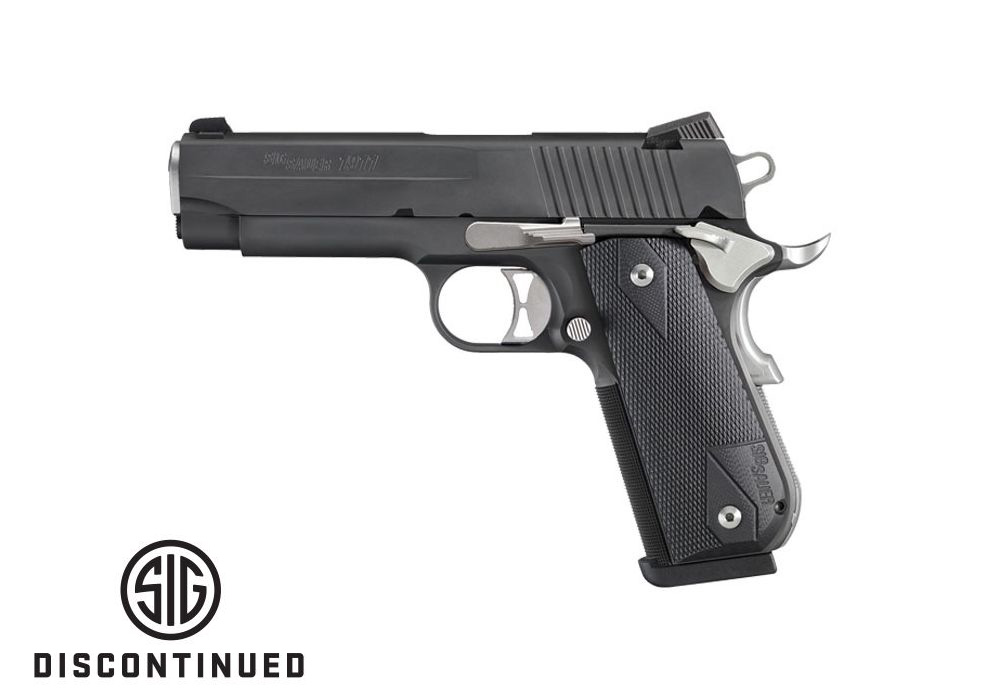
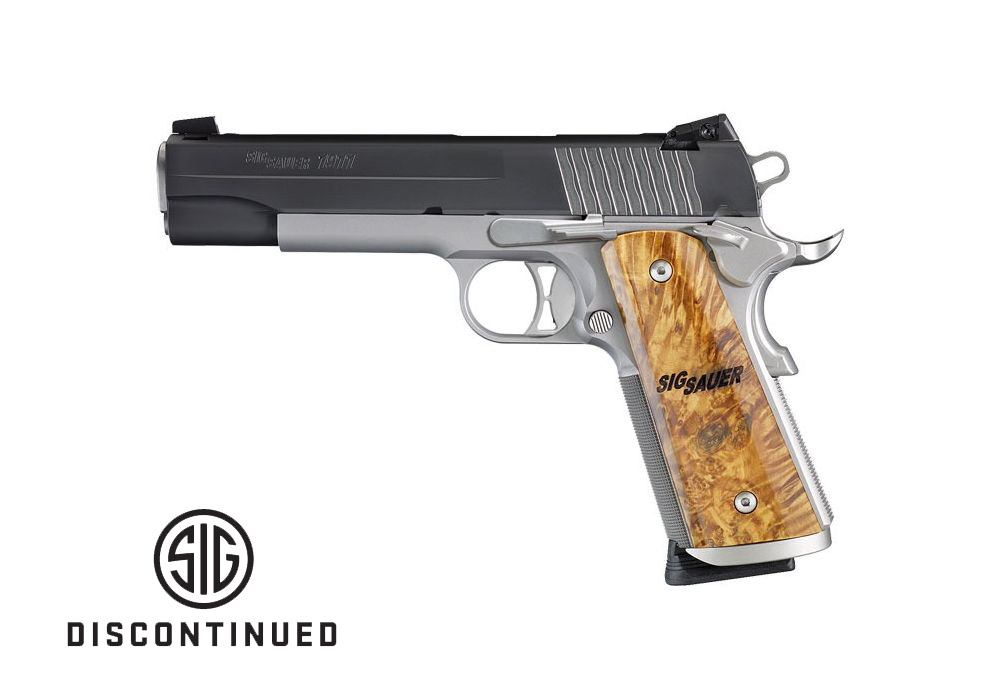
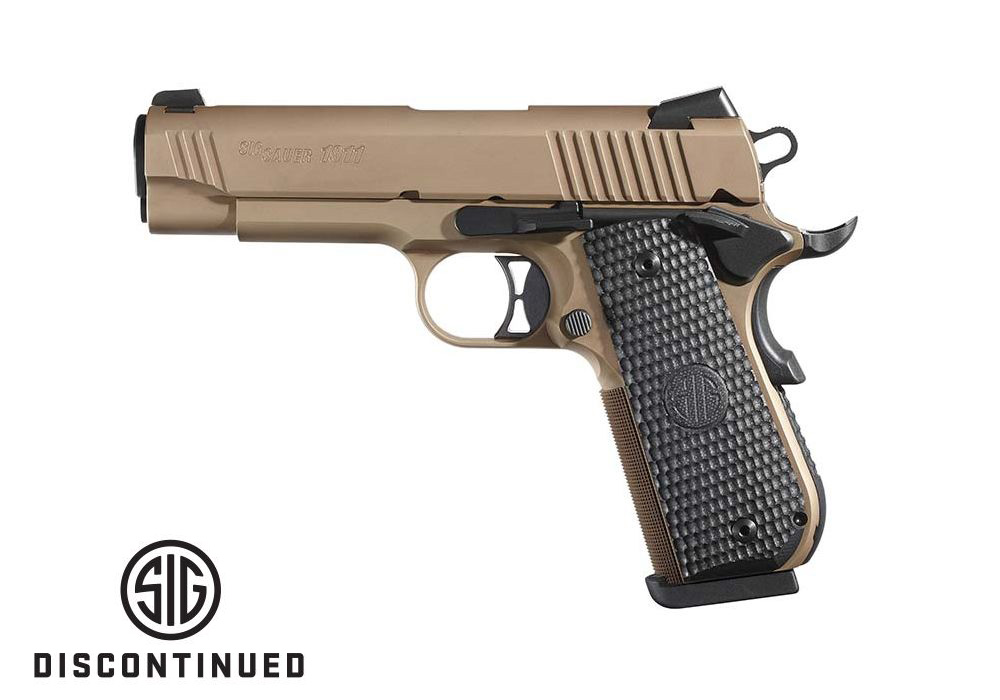
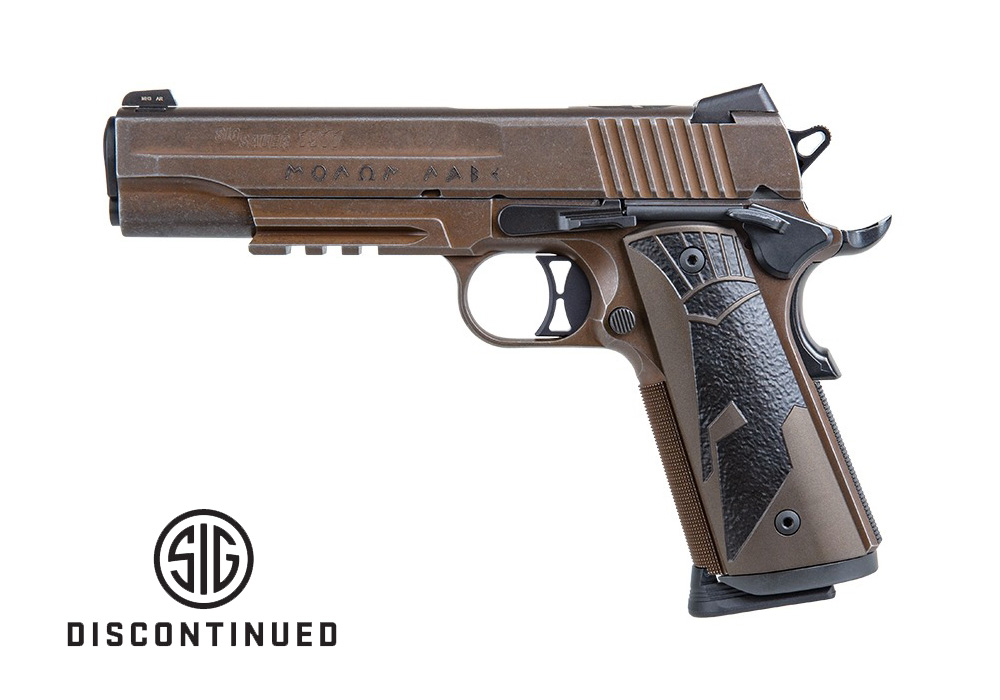
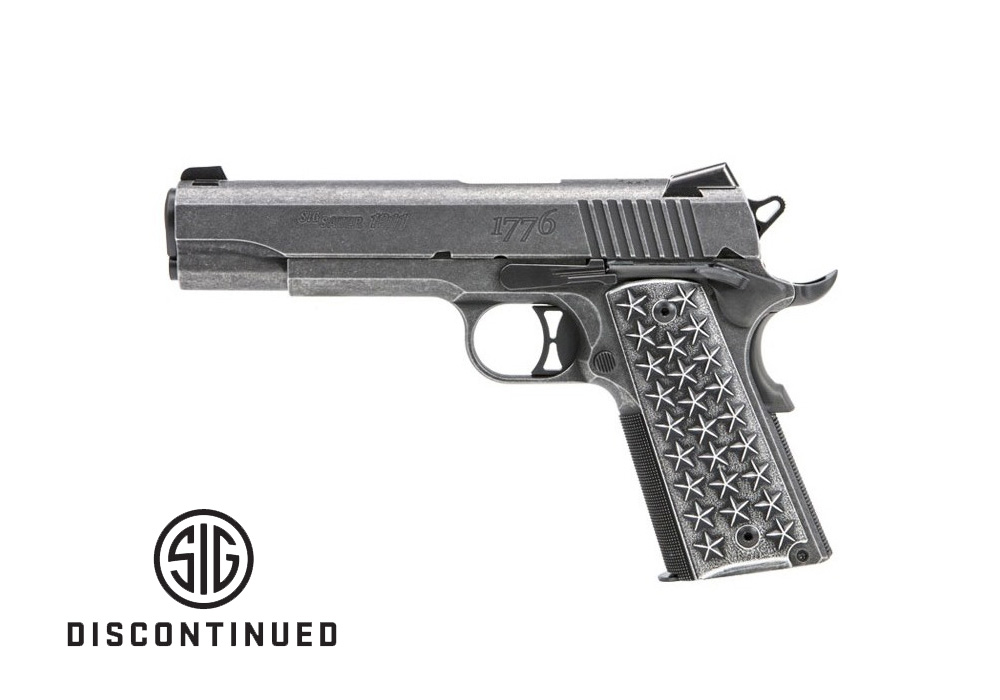
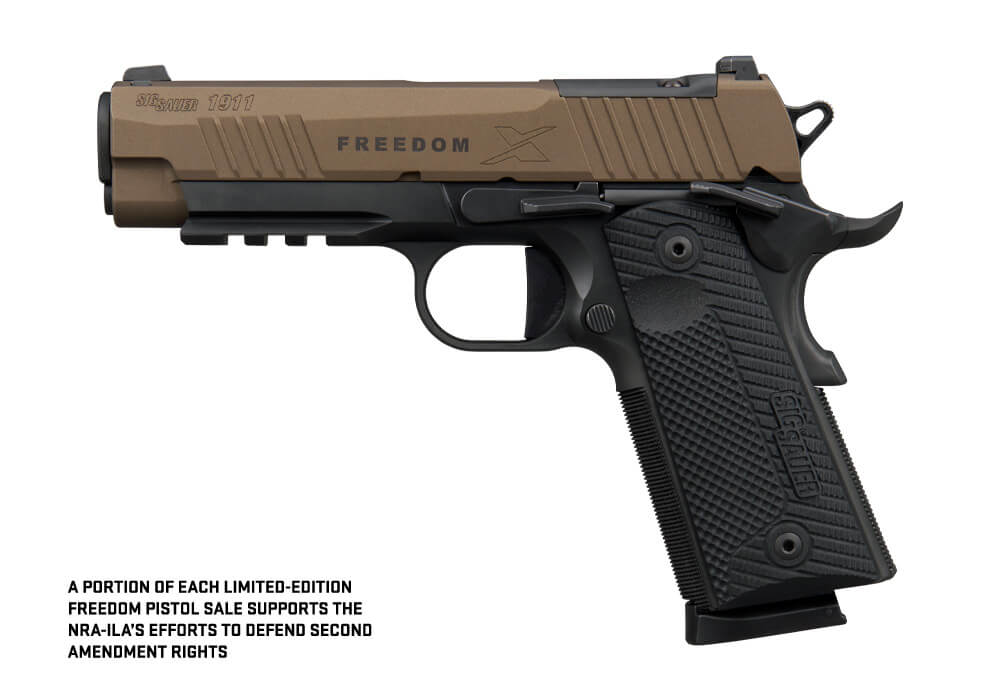
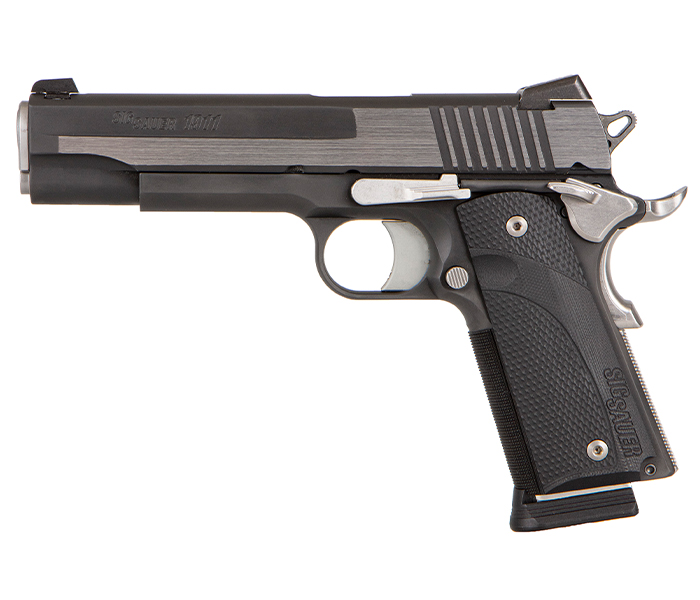
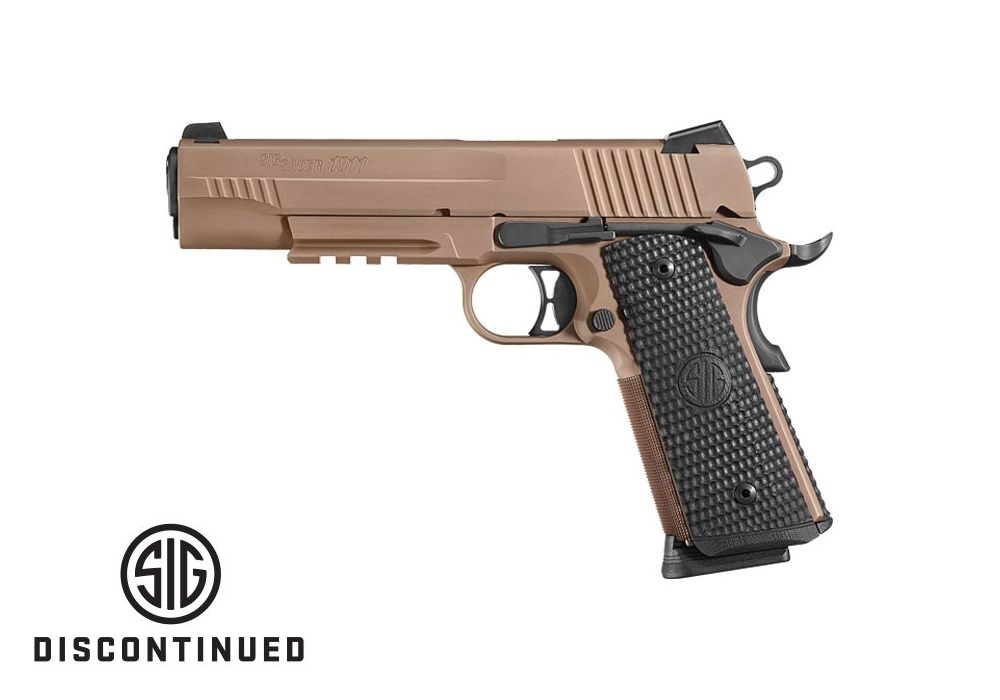
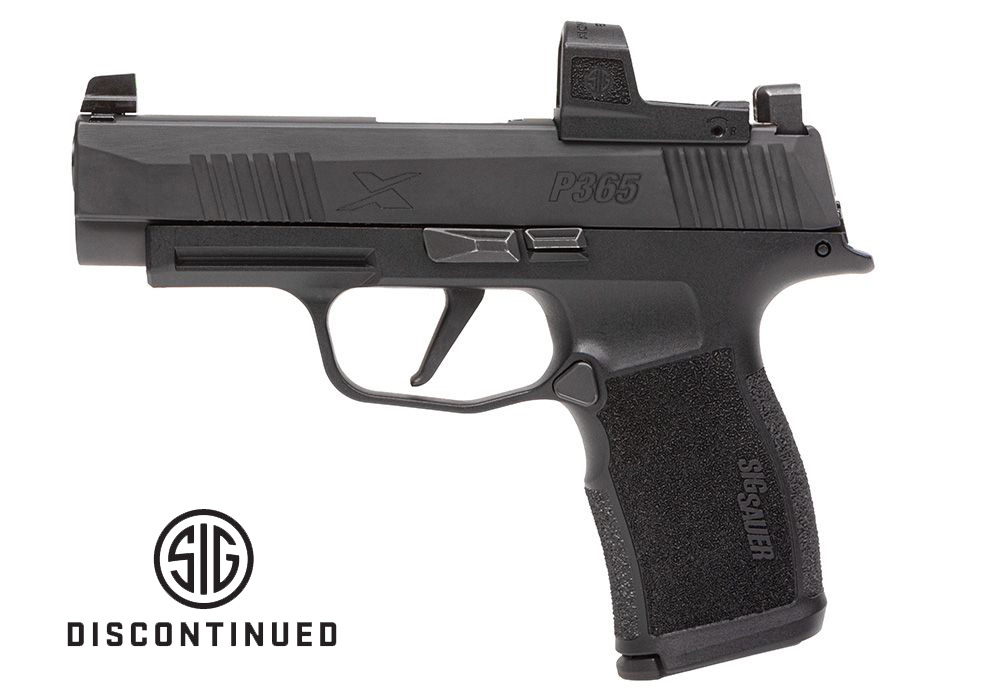
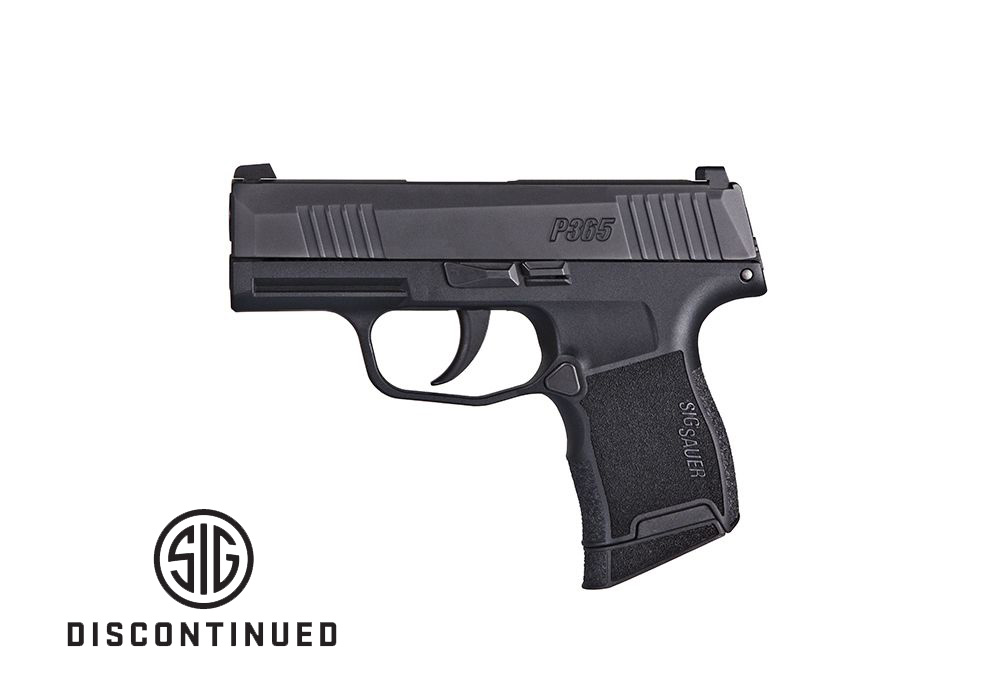
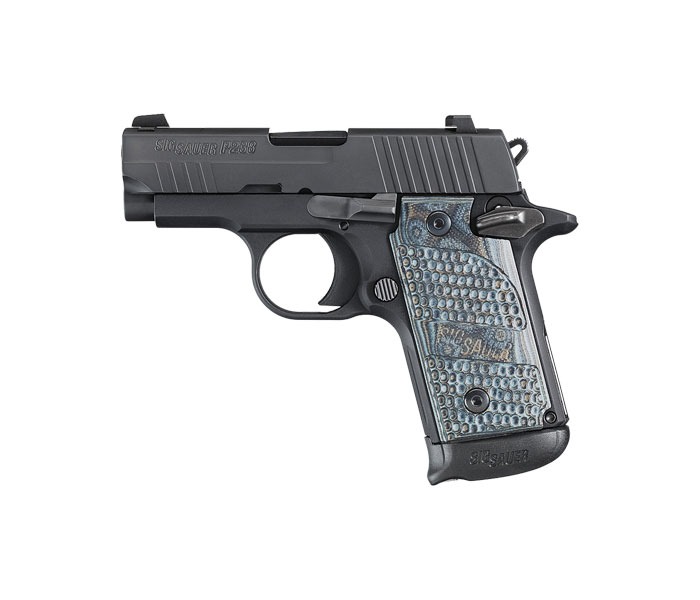
45 caliber tactical pistols are valued for their balance of substantial projectile performance, controllable handling, and practical features for training, duty, personal protection, and recreational shooting. Most models in this category chamber the widely available .45 ACP cartridge and use a semi-automatic operating system, allowing the pistol to cycle a new round after each shot while maintaining a familiar manual of arms. When comparing options, consider the role the pistol is expected to fill, the shooter’s hand size, the intended carry or storage method, and the availability of suitable training ammunition. A full-size frame generally offers a longer sight radius, a more stable grip, and reduced felt movement, while a compact frame can be easier to store or transport but may require more practice for consistent control. Frame materials also influence the experience: polymer frames can reduce overall weight, while all-metal construction often adds a solid, balanced feel. Magazine configuration is another practical consideration. Standard-capacity magazines may provide a comfortable compromise between grip size and ammunition supply, while extended-capacity options can add versatility where permitted by local law. Every purchaser should verify current federal, state, and local requirements, complete any required background-check or transfer process, and use a secure storage solution that prevents unauthorized access. For shoppers comparing related configurations, the selection of 45 ACP Semi Automatic Pistols can provide additional context around frame sizes, operating systems, and feature sets.
Tactical features are designed to support a range of accessories and sighting preferences without changing the fundamental importance of safe handling and disciplined practice. A threaded barrel may accept a compatible sound suppressor or compensator, subject to applicable laws, registration requirements, and proper installation. If a suppressor is part of the intended setup, suppressor-height sights can help the shooter maintain a usable iron-sight picture over the mounted device. An optics-ready slide or optics-ready cut allows a compatible reflex sight to be mounted directly with the correct plate or hardware, giving some shooters a fast, clear aiming reference in changing light. An accessory rail beneath the barrel can accommodate a properly fitted tactical light or laser, although accessories should be selected for compatibility, tested for secure attachment, and used in accordance with manufacturer instructions. Some pistols use a traditional hammer-fired double-action/single-action system, offering a longer initial trigger stroke followed by a shorter subsequent stroke; others use a striker-fired action with a consistent trigger style from shot to shot. Neither approach replaces training, and the right choice often comes down to familiarity, safe handling habits, and the ability to operate the controls confidently. Ergonomics deserve close attention as well. Grip texture, circumference, reach to the trigger, thumb-safety placement, slide serrations, ambidextrous controls, and the visibility of the front and rear sights can make a noticeable difference during a long range session. A pistol that feels natural in the hand is easier to align, easier to manipulate, and more comfortable to practice with through the cooler months, when layered clothing and reduced daylight may affect how equipment is stored, transported, and handled.
These pistols may appeal to experienced owners seeking a dedicated range platform, qualified professionals selecting duty equipment, or responsible adults building a home-protection setup around a full-size .45 ACP. They can also be a thoughtful gift for a properly licensed adult who has expressed a clear interest in handgun training, although firearms should never be given casually or transferred outside the requirements of applicable law. A gift can include professional instruction, a secure lockbox, eye and ear protection, and a range membership rather than relying on the pistol alone. New owners should begin with a certified instructor, learn the four fundamental safety rules, confirm how the controls operate, and practice with appropriate ammunition before adding optics, lights, suppressors, or other accessories. A reliable routine includes treating every firearm as loaded, keeping the muzzle pointed in a safe direction, keeping the finger outside the trigger guard until ready to fire, and identifying the target and what lies beyond it. Ammunition should be matched to the pistol’s specifications, stored securely and separately when appropriate, and inspected for damage before use. Regular cleaning, lubrication, function checks, and inspection of magazines and recoil components help preserve dependable operation, while a quality holster or locked storage container helps protect the trigger and limit unauthorized access. Whether used for structured range practice, professional training, or a carefully planned home-defense role, a 45 caliber tactical pistol should be selected for fit, lawful ownership, and practical readiness rather than appearance alone. As the seasons shift and routines move indoors, consistent training, secure storage, and a clear understanding of local regulations remain the foundation for responsible ownership.