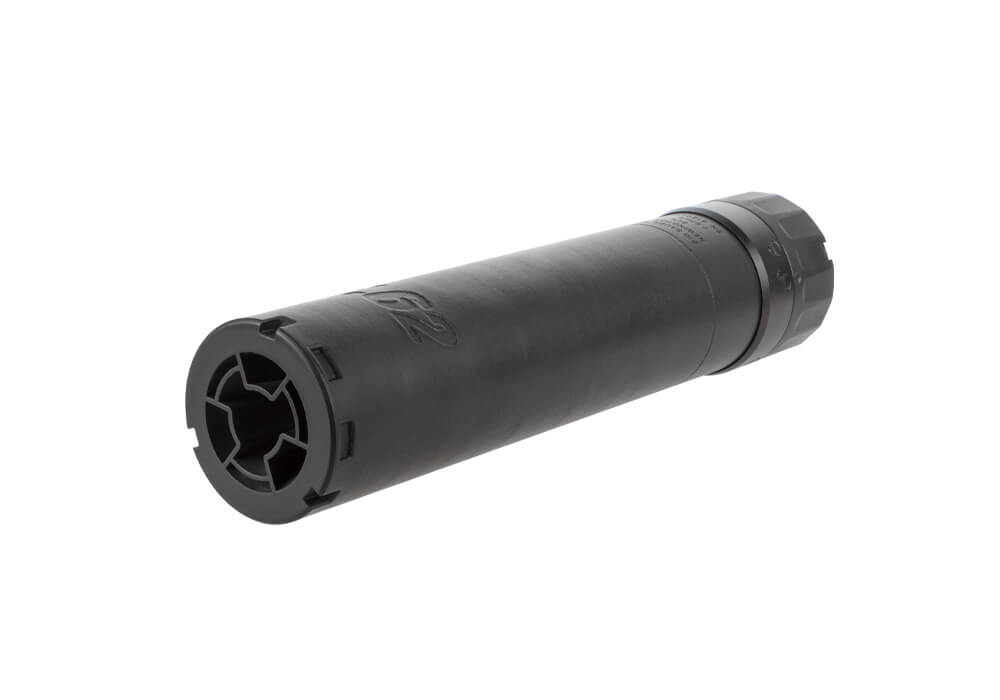
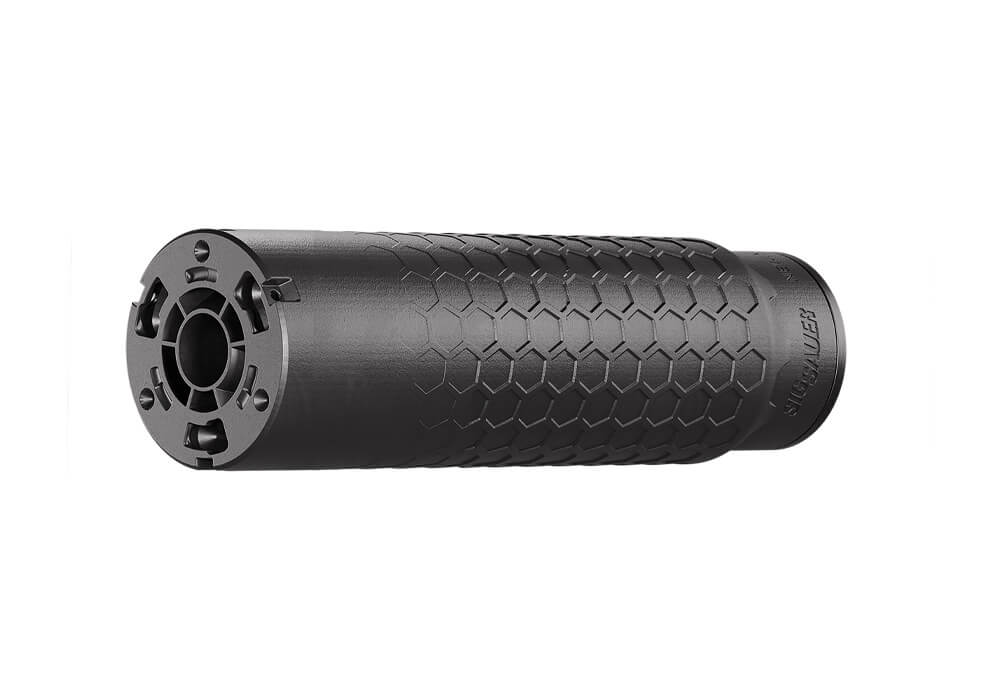
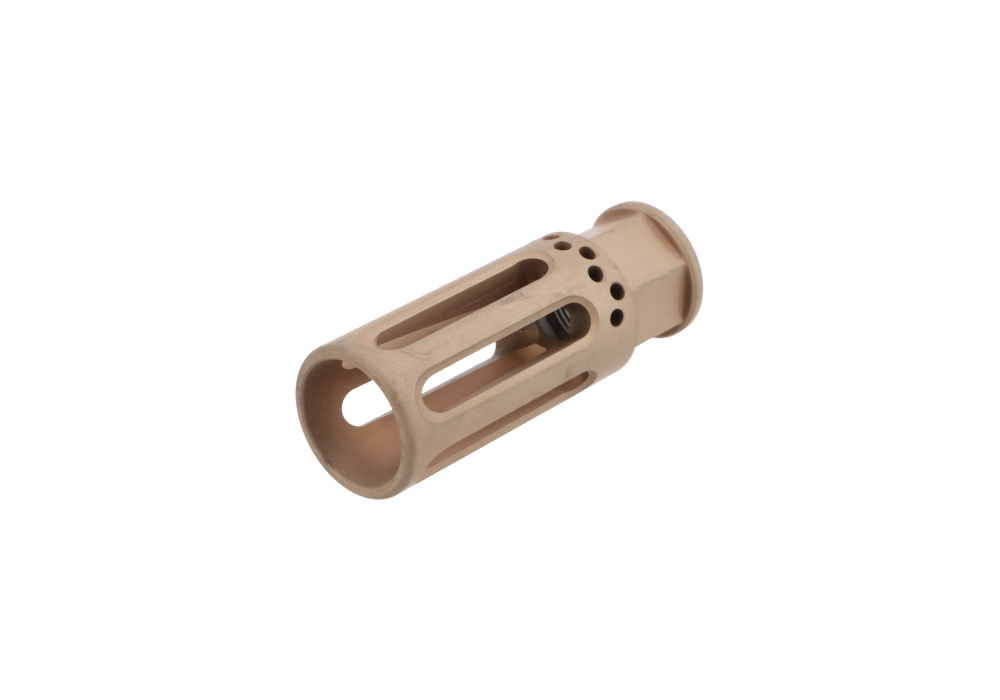
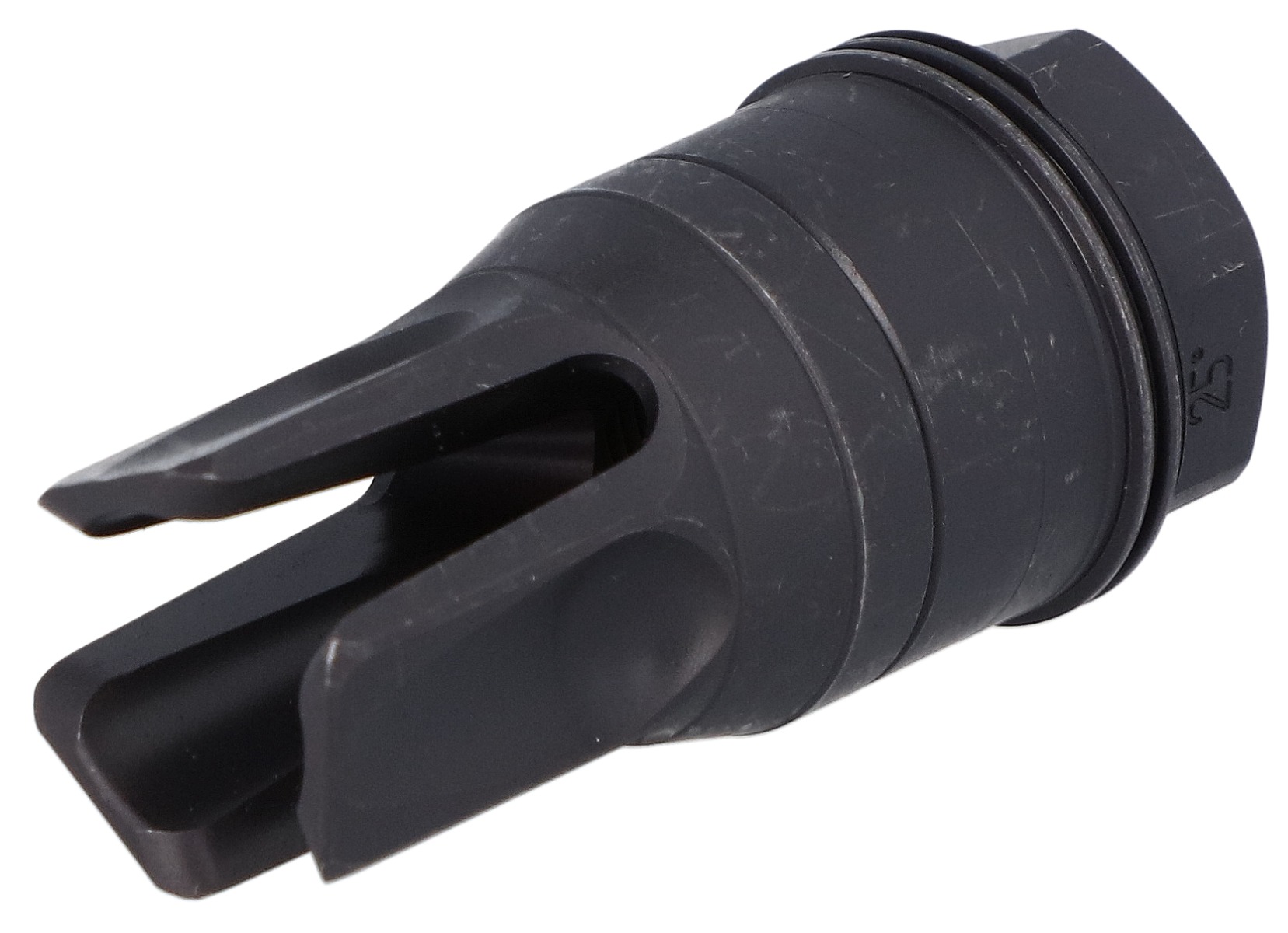
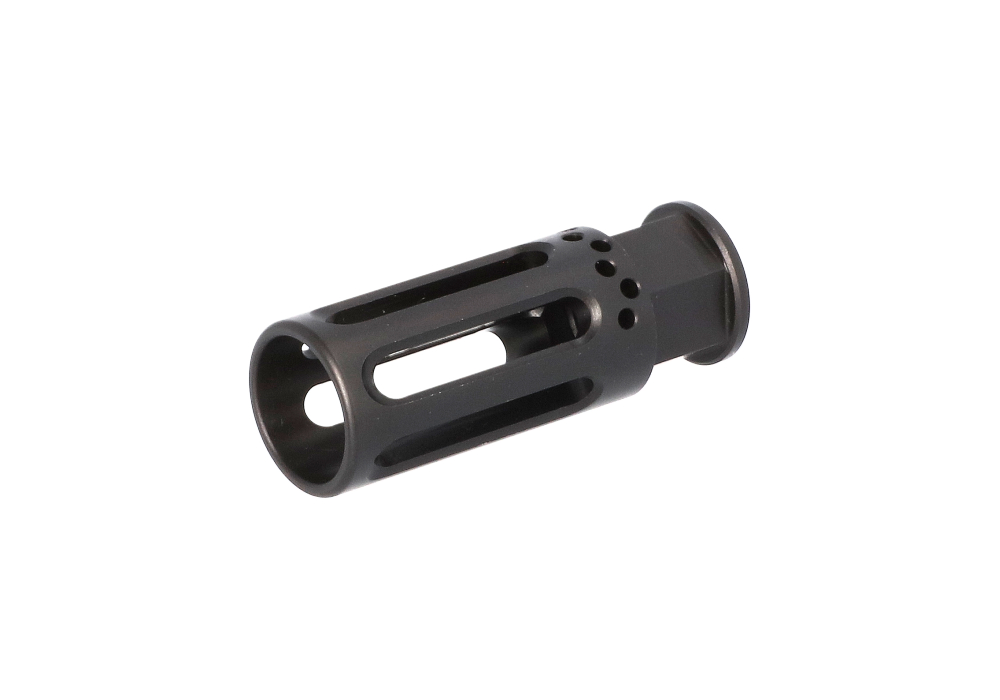
5.56 caliber suppressor flash hiders combine two important functions at the muzzle of a compatible rifle: reducing visible flash and providing a mounting interface for a quick-detach suppressor. A properly selected flash hider can help disperse hot propellant gases as they leave the barrel, reducing the bright bloom that is especially noticeable in low-light conditions and helping preserve night-adapted vision. At the same time, its mounting geometry allows a compatible suppressor to attach securely and return to a consistent position when installed according to the manufacturer’s specifications. These devices are commonly selected for modern sporting rifles, patrol and duty configurations, training rifles, and recreational platforms chambered in 5.56 NATO or .223 Remington, provided the barrel threading, suppressor mount, and operating requirements all match. The most important consideration is system compatibility. Flash hiders are not universal mounting solutions, and a device designed for one suppressor mounting pattern may not accept another. Before purchasing, confirm the barrel thread pitch, muzzle diameter, caliber rating, mount family, and required shoulder dimensions. It is also worth checking whether the flash hider is intended for use with a particular suppressor series, whether an accompanying locking collar or adapter is required, and whether the design is suitable for the barrel length and firing schedule of the rifle. For shooters comparing several configurations, the choice often comes down to a balance of flash reduction, mounting speed, durability, sound signature, overall length, and ease of maintenance. A three-prong or similar open-tine design may offer strong flash mitigation while keeping weight modest, while other profiles may provide a more enclosed shape or a different mounting experience. Some designs are engineered to reduce the resonant “tuning-fork” sound associated with certain pronged devices, making them more comfortable during movement, transport, or routine handling. The right option should complement the entire rifle rather than being selected as an isolated muzzle accessory.
Suppressor flash hiders are particularly useful for shooters who move between unsuppressed and suppressed configurations. A quick-detach system can make that transition faster and more repeatable than a direct-thread setup, provided the suppressor and muzzle device use the same mounting standard. When installed correctly, the flash hider remains secured to the barrel while the suppressor can be attached or removed without replacing the muzzle device each time. This is useful at the range when comparing configurations, during training sessions that involve different stages, or for owners who use one suppressor with more than one compatible rifle. The device may also help shield the suppressor from some of the harsh gas, heat, and unburned powder produced during firing, although it should not be treated as a substitute for a suppressor’s internal components or a guarantee against erosion. Consistent alignment remains essential. Even a small mismatch between the bore, muzzle device, and suppressor can create a dangerous baffle or end-cap strike, so installation should include the correct shims or mounting hardware, proper torque, and a careful alignment check. A qualified gunsmith can verify these details and can also advise on permanent attachment requirements. Extended-length flash hiders may be considered for certain shorter barrels when a compliant overall barrel length is needed after pin-and-weld installation, but the exact measurements and legal requirements should be confirmed before work begins. Suppressors, short-barreled rifles, and permanently attached muzzle devices may be subject to federal, state, or local rules, and ownership or transfer requirements can vary by jurisdiction. Buyers should review applicable regulations and follow all required registration, transfer, storage, and transportation procedures. Safe handling practices remain just as important with a suppressed rifle: keep the firearm pointed in a safe direction, verify that it is unloaded before installation or removal, allow the muzzle assembly to cool before handling, and inspect the mount for carbon buildup, looseness, or damage.
A 5.56 caliber suppressor flash hider can be a practical addition for an experienced rifle owner who already knows the suppressor mounting system needed for the firearm. It may also be a thoughtful gift for a properly licensed adult shooter, competitive rifle enthusiast, hunter, or preparedness-minded owner, but accessories in this category are highly dependent on exact fit and legal eligibility. A gift card or a conversation about the recipient’s existing suppressor and barrel specifications is often more useful than choosing a device based only on appearance. For someone building a rifle during the cooler months or preparing equipment for low-light range sessions, a flash hider can support a cleaner, more controlled setup without adding unnecessary bulk. Its value is most apparent when the device, suppressor, ammunition, and rifle are treated as one coordinated system. Ammunition can influence flash, blast, and fouling, while barrel length and gas-system tuning affect the amount of propellant gas reaching the muzzle. Shooters who spend long days outdoors may also appreciate a design that is easy to inspect and clean, especially after repeated suppressed fire where carbon can accumulate around the mounting surfaces. Keep the threads protected when the suppressor is removed, avoid forcing a mount that does not seat smoothly, and follow the manufacturer’s service intervals for both the flash hider and suppressor. For rifles that may use different muzzle configurations, shoppers can also review Multi Caliber Firearm Flash Hiders to compare broader caliber options. Whether the goal is reduced visible flash, a secure quick-detach connection, or a durable muzzle setup for regular training, careful attention to compatibility and professional installation helps ensure the selected flash hider performs as intended.