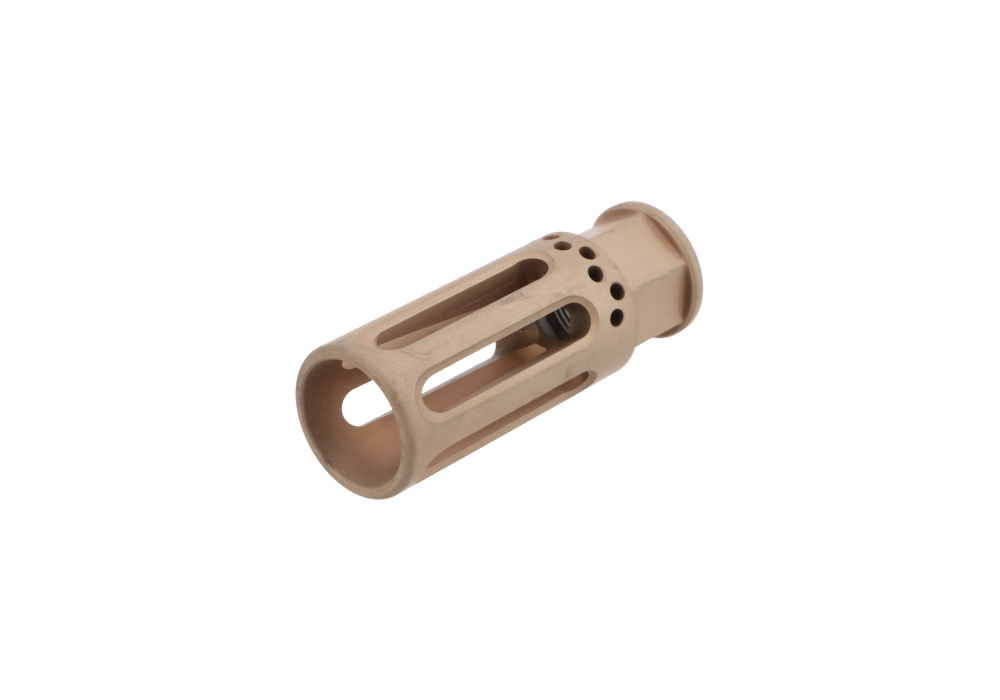
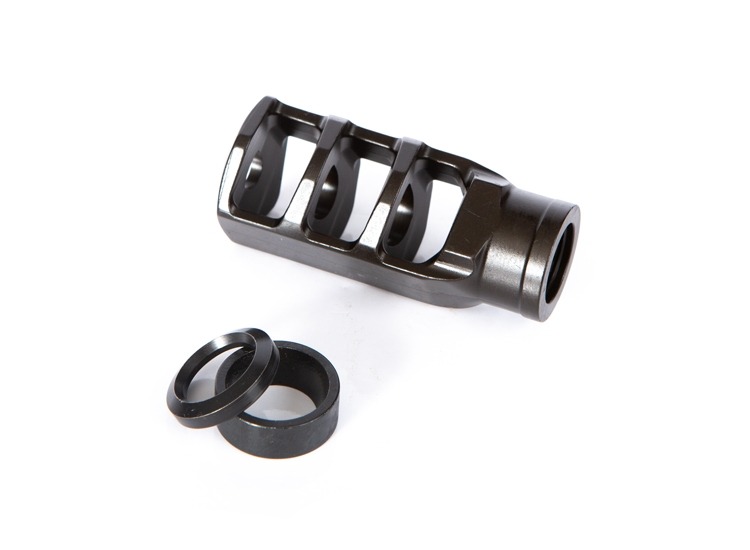
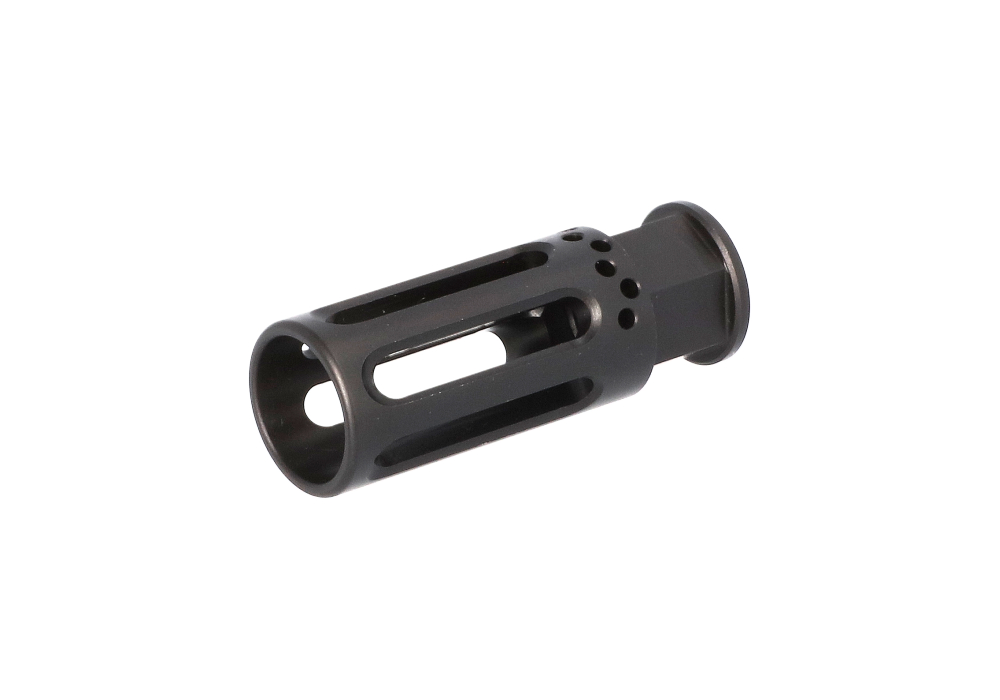
5.56 muzzle accessories are designed to attach to the threaded end of a compatible rifle barrel, giving shooters more control over flash, recoil, muzzle movement, or suppressor mounting. The most common thread pattern for 5.56 NATO and .223 Remington rifles is 1/2x28, but thread pitch, caliber rating, shoulder dimensions, and barrel configuration can vary, so confirming every specification before purchase is essential. A properly matched accessory should seat squarely against the barrel shoulder and align with the bore; an incorrect fit can affect accuracy, equipment function, and safety. These accessories are useful for a wide range of shooting applications, from an afternoon of practice at the range to competition training, defensive rifle setup, or a carefully assembled modern sporting rifle. They can also be a thoughtful gift for an experienced shooter who is refining a rifle, provided the recipient’s barrel threading and intended setup are known. When the details are uncertain, a gift card or a conversation about the rifle’s specifications is generally a better choice than guessing. Shooters often notice the difference in small ways at first: a more comfortable practice session, a steadier sight picture during controlled strings, or less distracting flash when shooting in dim conditions. Those practical improvements can make a familiar rifle feel more settled and predictable without changing its basic operation.
Flash hiders, muzzle brakes, compensators, hybrid devices, and quick-detach suppressor mounts each address a different priority. A flash hider uses prongs, vents, or an enclosed design to disperse burning propellant gases as they leave the barrel, helping reduce the visible flash signature in low-light shooting. A muzzle brake redirects those gases to the sides or rear to reduce felt recoil, while a compensator typically directs gas upward or forward to help limit muzzle rise during rapid, controlled fire. Hybrid designs combine elements of these functions for shooters looking for a balanced setup rather than one specialized effect. Suppressor mounts add another layer of compatibility, allowing a properly matched suppressor to attach through a direct-thread or quick-detach system. Because mounting standards are not universal, the accessory and suppressor must be designed to work together, with the correct caliber rating and attachment method. It is also worth considering sound and blast. Brakes can be highly effective at reducing movement, but their redirected gas may feel louder or more forceful to people beside the shooter, especially under a covered firing position. Flash hiders may be a better fit when signature reduction and a more comfortable experience for nearby shooters matter most. A compensator can suit a competition-oriented setup where quick sight recovery is important. The right choice depends on the rifle, the shooter, the environment, and the balance of benefits that matter most.
Before installing any 5.56 muzzle accessory, unload the firearm, follow the manufacturer’s safety instructions, and verify that the barrel, accessory, and any washer, shim set, or mounting hardware are compatible. Timing can matter for brakes and compensators because their ports need to face the intended direction, while flash hiders and suppressor mounts may use different installation requirements. Proper alignment is especially important when a suppressor will be attached; professional installation or inspection by a qualified gunsmith can provide added confidence, particularly when the barrel has an unusual shoulder, a pinned-and-welded configuration, or limited clearance. Buyers should also review applicable federal, state, and local laws before purchasing or installing a muzzle device or suppressor-related component, since requirements can differ depending on the accessory and its use. Consider the rifle’s role, barrel length, handguard clearance, weight, finish, maintenance needs, and whether the device may need to be removed or swapped later. A compact accessory can preserve a streamlined feel, while a heavier brake or mount may add useful stability at the cost of extra weight and length. During the cooler months, shooters may spend longer sessions outdoors and appreciate equipment that is easy to inspect, clean, and reinstall consistently after use. For additional ways to configure and personalize a modern rifle, explore Modern Rifle Accessories and compare each component against the rifle’s exact specifications.