The right 5.56 accessories can make a familiar rifle more comfortable to carry, easier to operate, and better suited to the way it is used. This category is built around the 5.56x45mm NATO platform, including many modern sporting rifles and AR-style configurations, with options that support sighting, handling, control, illumination, and reliable feeding. When comparing accessories, begin with compatibility: confirm the rifle’s receiver pattern, rail system, gas configuration, buffer setup, and intended ammunition before adding components. A 5.56 accessory selected for one configuration may not fit another, particularly when considering charging handles, handguards, muzzle devices, triggers, or mounting hardware. A well-matched setup usually feels deliberate rather than crowded. The optic sits at a usable height, the support hand finds a comfortable and repeatable position, the sling keeps the rifle secure without becoming an obstruction, and controls remain accessible when wearing gloves or working in changing conditions. A 5.56 upper can also be an important part of a complete configuration; customers comparing components may find the 556 Upper category useful when evaluating how accessories will work together with a compatible lower receiver and operating system. Whether the goal is a streamlined range rifle, a dependable training setup, or a carefully configured home-defense firearm where lawful, thoughtful selection matters more than simply adding more equipment.
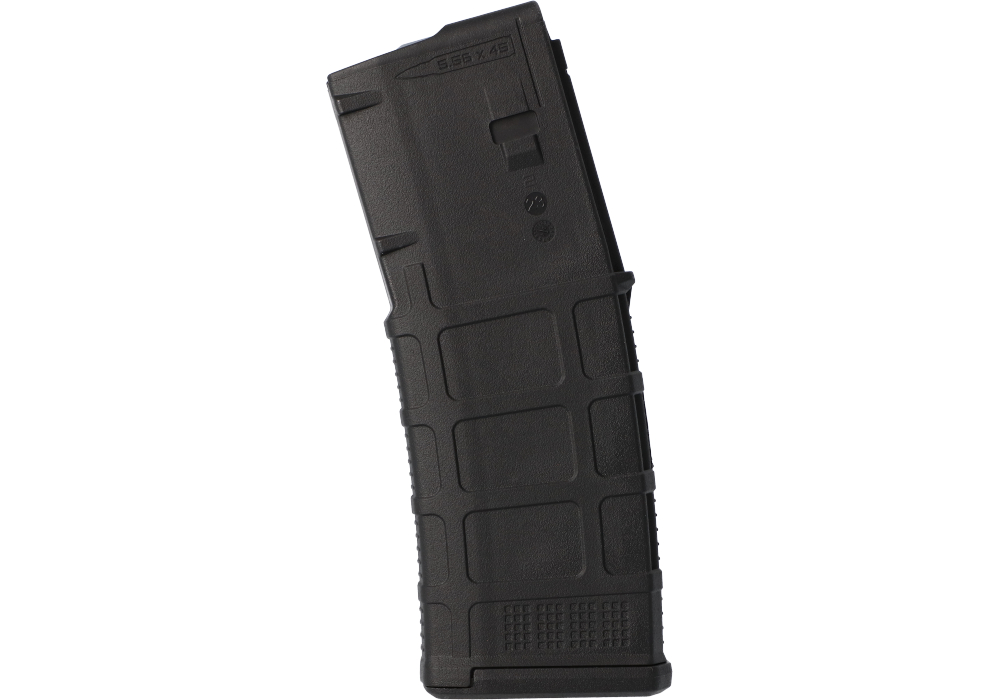
Optics are among the most noticeable upgrades because they influence how quickly and naturally the rifle comes on target. A compact red dot sight can support fast target engagement at common carbine distances while keeping the sight picture open and easy to track. A low-power variable optic can add magnification for more deliberate aiming at distance while retaining a practical lower-power setting for closer work. Mount height, eye relief, adjustment range, reticle design, battery life, and the relationship between the optic and any backup sight all deserve attention. A weapon light can provide positive target identification in dim interiors, around a property, or during outdoor practice when visibility changes, and a secure mount with intuitive activation helps keep the controls manageable. Slings are equally practical: a two-point adjustable sling can help retain the rifle during movement, free both hands when needed, and distribute weight across the body more comfortably than carrying the firearm by hand for extended periods. Magazines should be chosen for dependable fit, smooth insertion, positive retention, and the appropriate standard or extended capacity for the rifle and applicable laws. Keeping several properly labeled magazines available can simplify range sessions and reduce interruptions, while a magazine storage pouch or carrier helps protect equipment during transport. These accessories can be especially useful gifts for a new rifle owner, a recreational shooter building a first setup, or an experienced enthusiast refining an established configuration. A practical gift does not need to be elaborate; a quality sling, magazine pouch, optic mount, protective case, or spare magazine can support regular practice and make time at the range more organized.
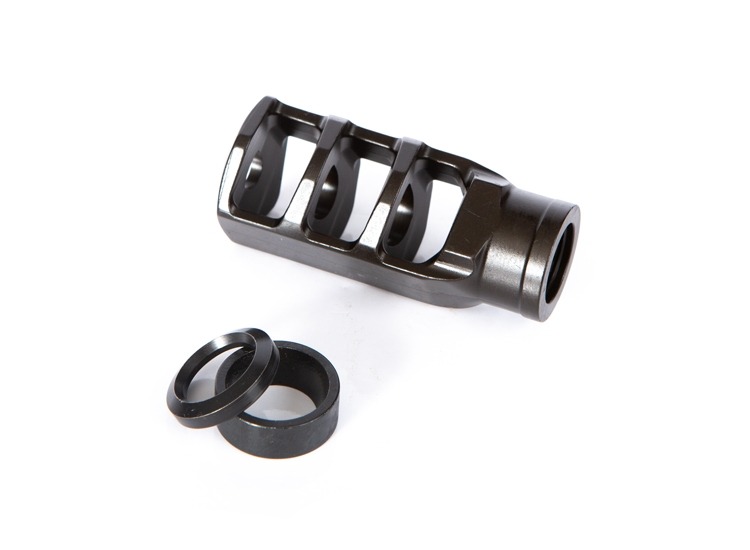
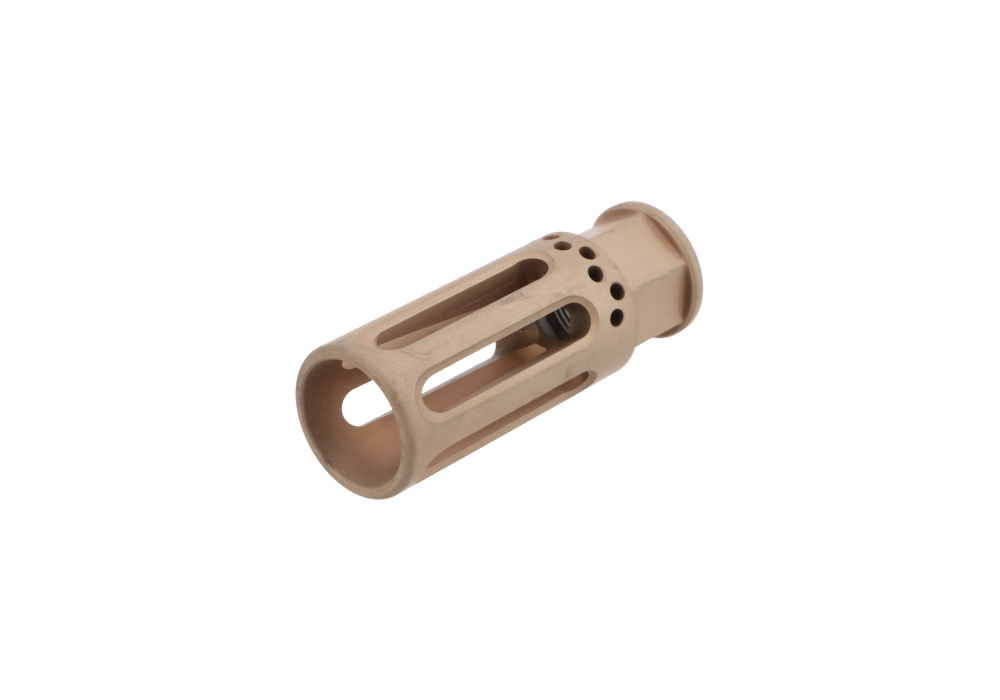
Handling accessories help tailor the rifle to the shooter’s reach, grip, and preferred method of operation. An angled or vertical foregrip can offer an additional reference point for the support hand, while a textured pistol grip can improve comfort and control during extended sessions or when hands are cold or gloved. Charging handles with ambidextrous controls may be easier to manipulate from either side, especially when an optic or other equipment changes the space around the upper receiver. Trigger components can alter the feel of the firing mechanism, but installation and function should be approached carefully; compatibility, pull characteristics, reset, and any applicable legal requirements should be confirmed, and professional installation is appropriate when the work exceeds the owner’s experience. Muzzle devices also serve different purposes. Flash hiders can reduce visible flash, compensators can help manage muzzle movement, and muzzle brakes can redirect expanding gases to limit felt movement, though each design may affect sound, concussion, and the rifle’s overall balance. Thread pattern, barrel profile, timing requirements, and suppressor compatibility are important details when choosing among them. During the cooler months, gloves, layered clothing, and reduced daylight can make accessible controls, a secure sling, and dependable illumination feel particularly valuable; the same carefully selected accessories remain useful as conditions change and training moves between indoor and outdoor environments. Before use, inspect mounting hardware, confirm that accessories are secure, verify that controls function as intended, and follow all applicable firearm-safety and storage requirements. With compatibility and purpose guiding the selection, 5.56 accessories can create a balanced, adaptable setup that feels familiar in the hands and remains ready for lawful range use, training, sport, or responsible preparedness.