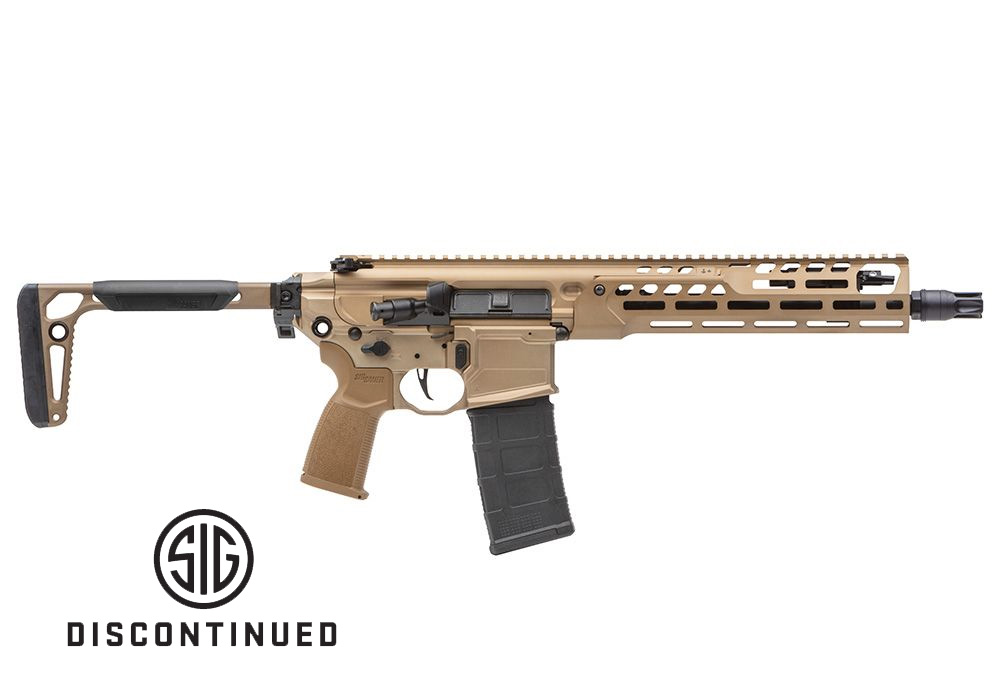
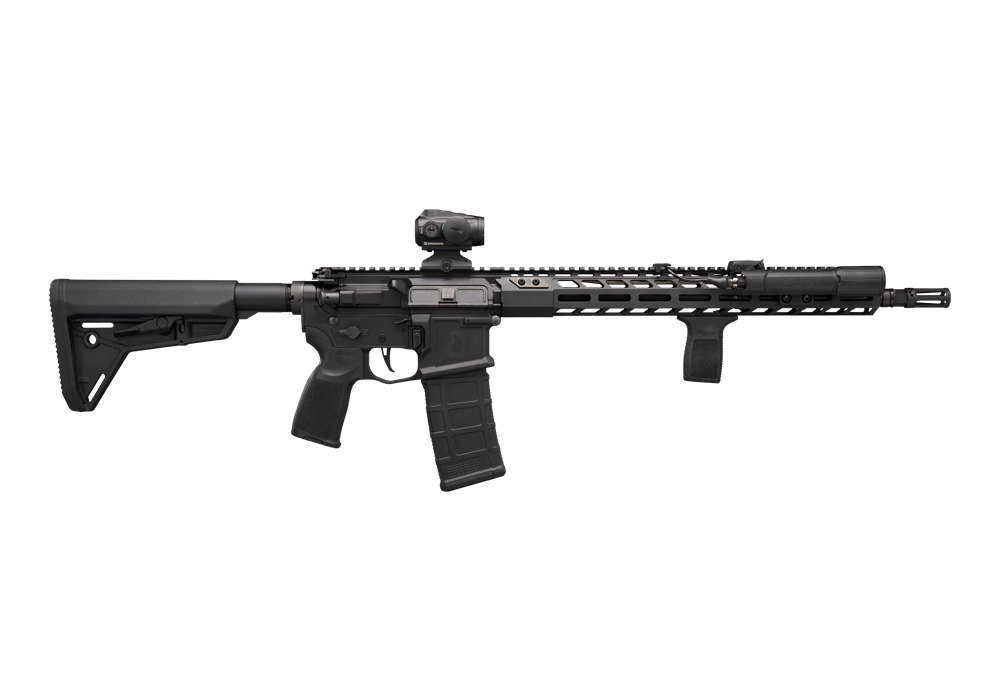
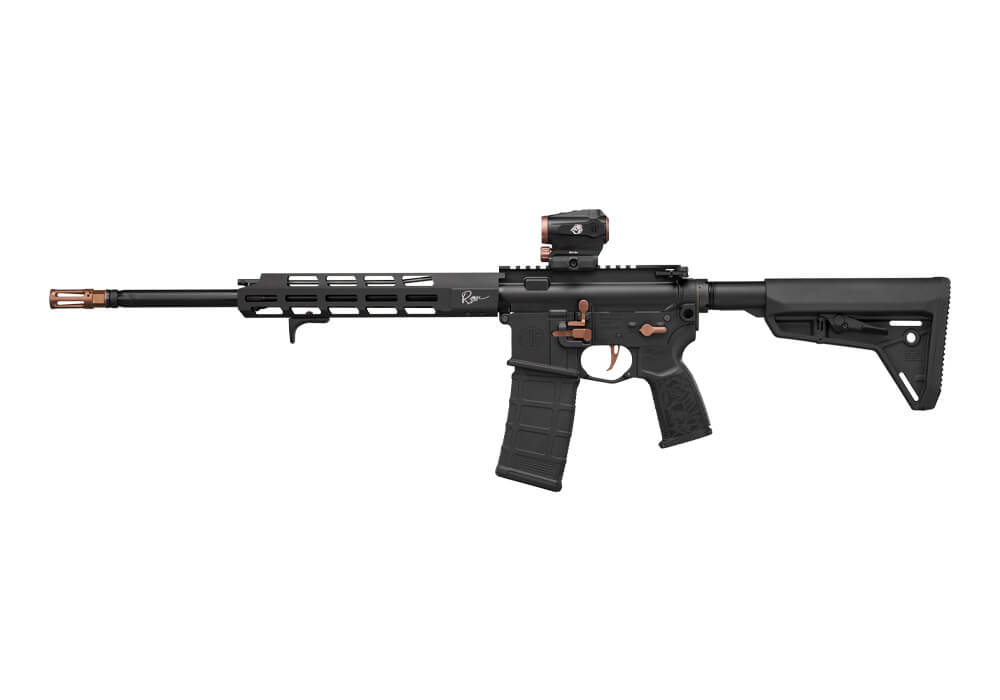
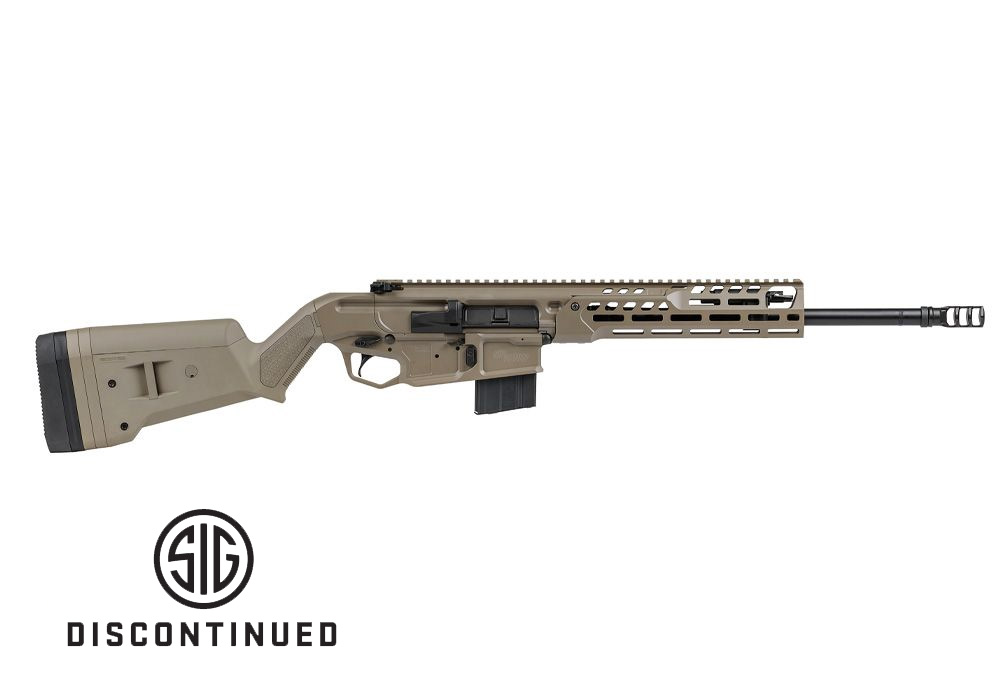
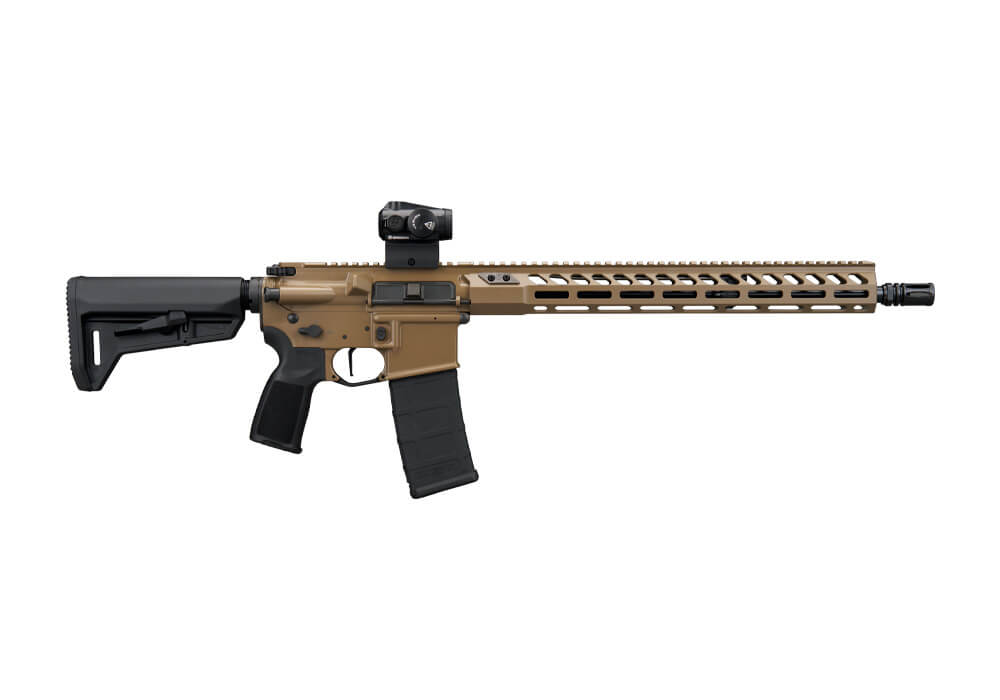
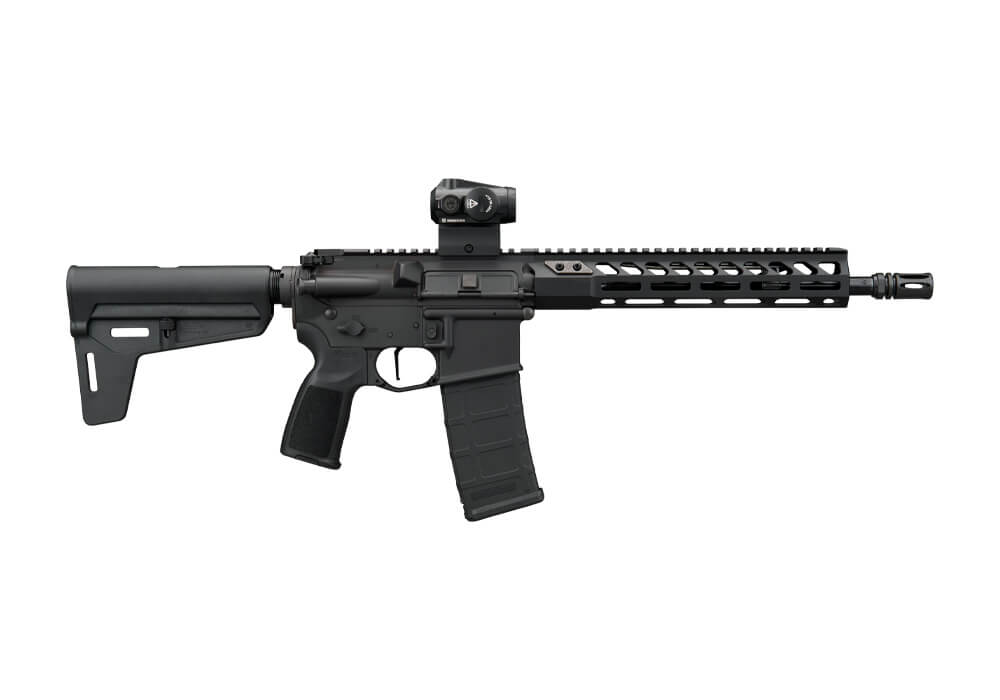
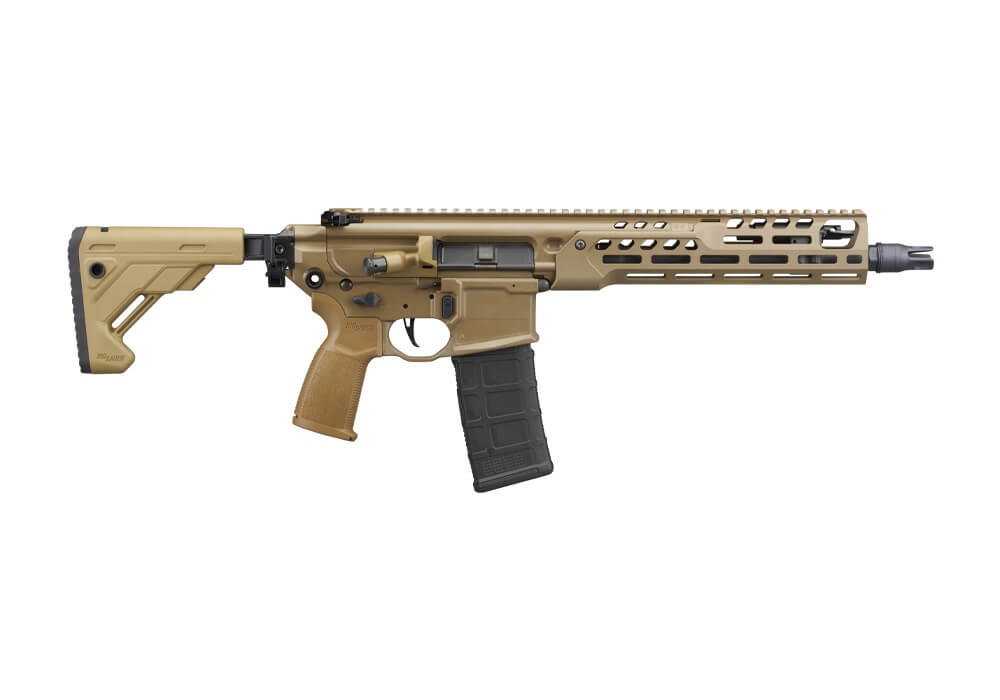
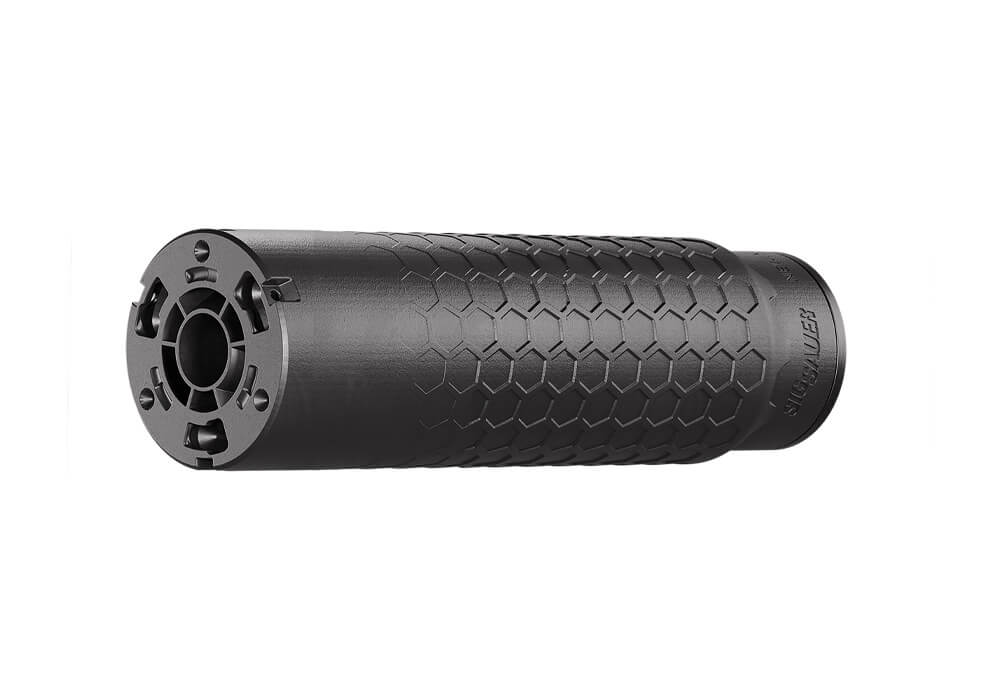
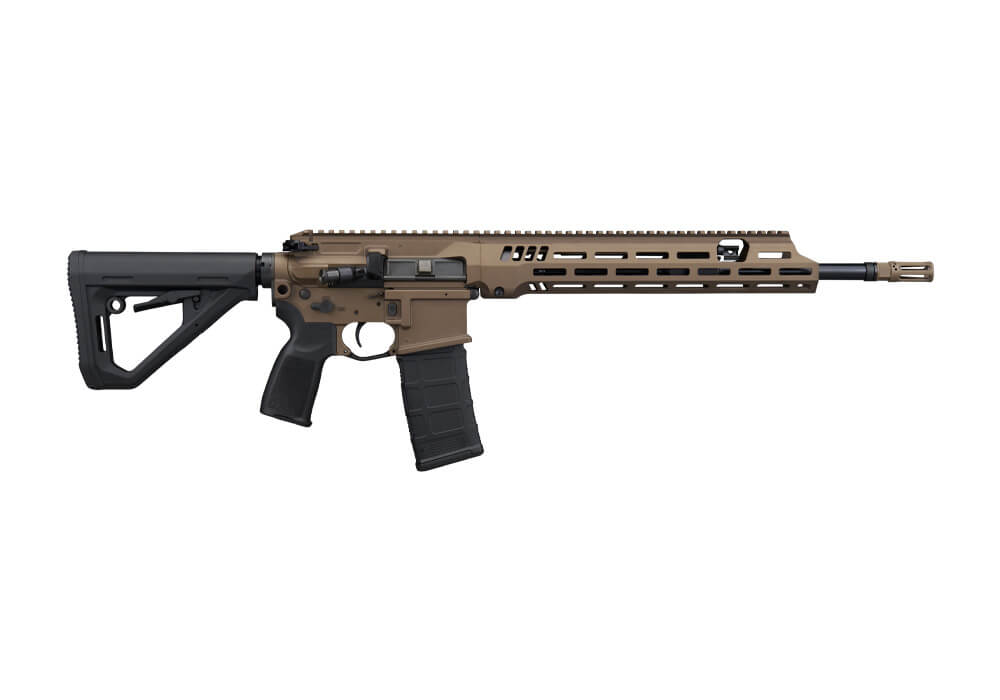
A 5.56 upper is a practical way to configure or refresh a compatible rifle platform for range use, training, competition, or responsible recreational shooting. Because the upper assembly contains key operating components such as the barrel, handguard, bolt carrier group, charging handle, and muzzle device, it can have a noticeable effect on the rifle’s balance, handling, accuracy potential, and overall feel. Shoppers often begin by confirming receiver compatibility, then narrow their choices by considering barrel length, profile, twist rate, chambering, gas system, handguard design, and the type of shooting they expect to do. A lighter configuration may feel quick and comfortable when moving between targets or carrying the rifle during an extended training session, while a more substantial setup can provide a steady platform from a bench or supported position. Barrel length can influence maneuverability, velocity, and balance, so it is worth matching that decision to the intended environment rather than choosing based on appearance alone. A prospective buyer should also verify local regulations, understand any applicable federal, state, or local requirements, and make sure the finished firearm is inspected and used in accordance with the manufacturer’s instructions and established safety practices. For shooters who already own a compatible lower receiver, a 5.56 upper can offer a straightforward path to a different configuration without replacing every component of the rifle. It may also be useful for those who want one setup for warm-weather range trips and another that feels more natural with gloves or additional layers during cooler months.
When comparing 5.56 uppers, attention to fit and intended ammunition is especially important. A 5.56 NATO chamber is generally designed around commonly available 5.56 ammunition and may also accommodate .223 Remington ammunition when permitted by the manufacturer, but buyers should always confirm the markings and guidance for the specific configuration before loading or firing. The barrel’s twist rate can affect how different bullet weights stabilize, making it helpful to think about the ammunition that will be used most often rather than selecting components in isolation. Handguard length and attachment systems also deserve a close look. A slim handguard can keep the rifle easy to control and comfortable against the support hand, while a longer design may provide more room for a supported grip or properly mounted accessories. Muzzle devices can influence blast, flash, and recoil characteristics, though they may also affect sound and the experience of people nearby. A well-matched upper should feel coherent from the rear of the stock or brace to the front of the handguard, with controls that are easy to reach and a balance point that suits the shooter’s stance. Some buyers choose a 5.56 upper as an upgrade for a familiar rifle, while others select one as a foundation for a dedicated training or competition setup. It can be a thoughtful gift for an experienced adult shooter who has clearly identified a compatible platform and a specific configuration preference, but firearms components should never be purchased as a surprise without confirming compatibility, lawful transfer requirements, and the recipient’s comfort with the intended use. For anyone evaluating barrel options separately, the selection of 5.56 Barrels can provide useful context on dimensions, profiles, and other details that influence the finished setup.
A reliable setup is built around careful selection, proper installation, and consistent maintenance. Before purchasing, review the complete specifications rather than relying on a product photograph, including the barrel material, finish, gas system length, rail interface, included components, and whether sights or other accessories are supplied. Buyers who plan to add an optic should consider rail space, eye relief, cheek position, and the height of the sighting system so the rifle remains comfortable during repeated practice. Those who shoot outdoors may also want to think about how the configuration handles dust, light rain, cold temperatures, or rapid changes between a vehicle and an open range. During cooler months, gloves can change how controls feel, and heavier clothing can affect the shooter’s natural stock weld and reach. A compact cleaning kit, appropriate lubricant, chamber flag, and secure storage solution are sensible companions to any rifle component, while eye and ear protection remain essential at every range session. After installation, the rifle should be checked by a qualified person when appropriate, function-tested safely with the correct ammunition, and sighted in at a controlled range before it is relied upon for any serious purpose. A 5.56 upper can serve a new owner beginning a carefully supervised training routine, an experienced shooter refining a familiar platform, or a family member looking for a useful addition to an established collection. The best choice is one that fits the receiver, supports the intended style of shooting, and feels dependable in the hands of the person who will use it.