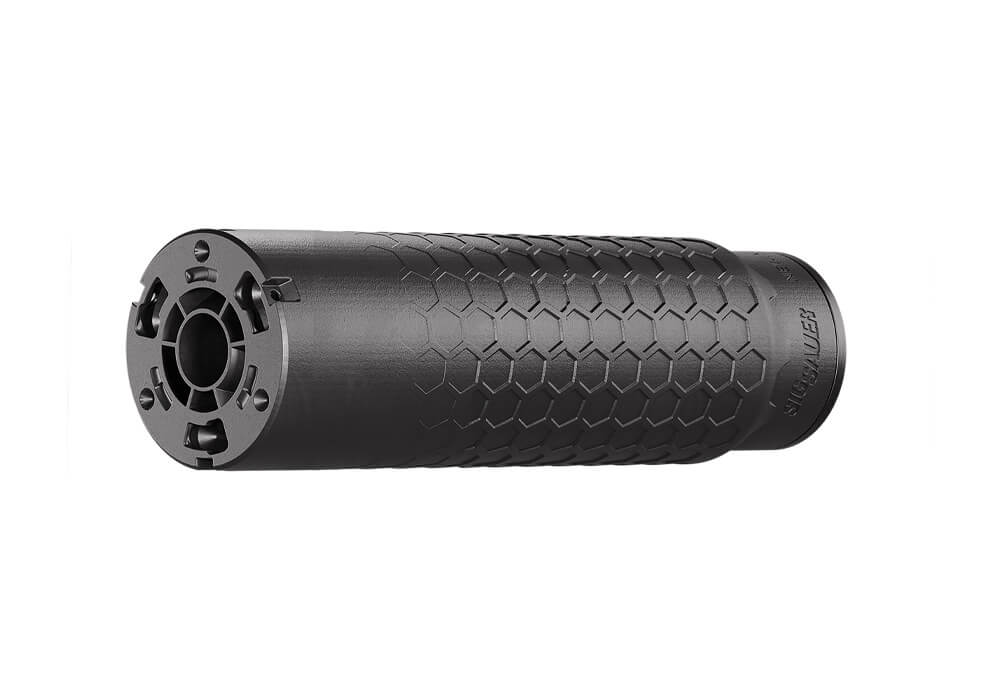
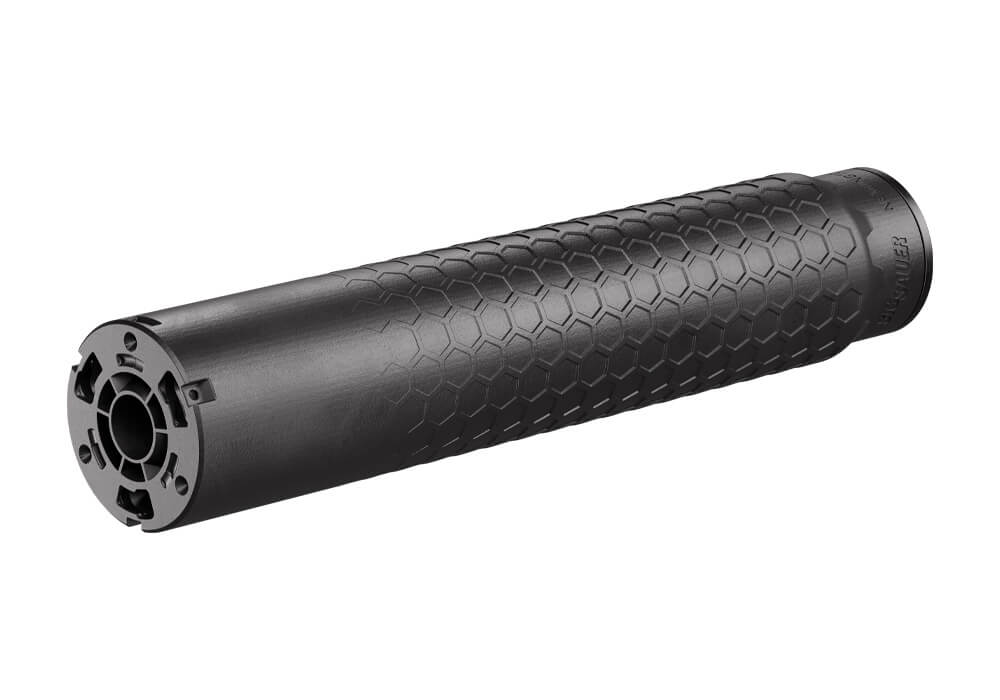
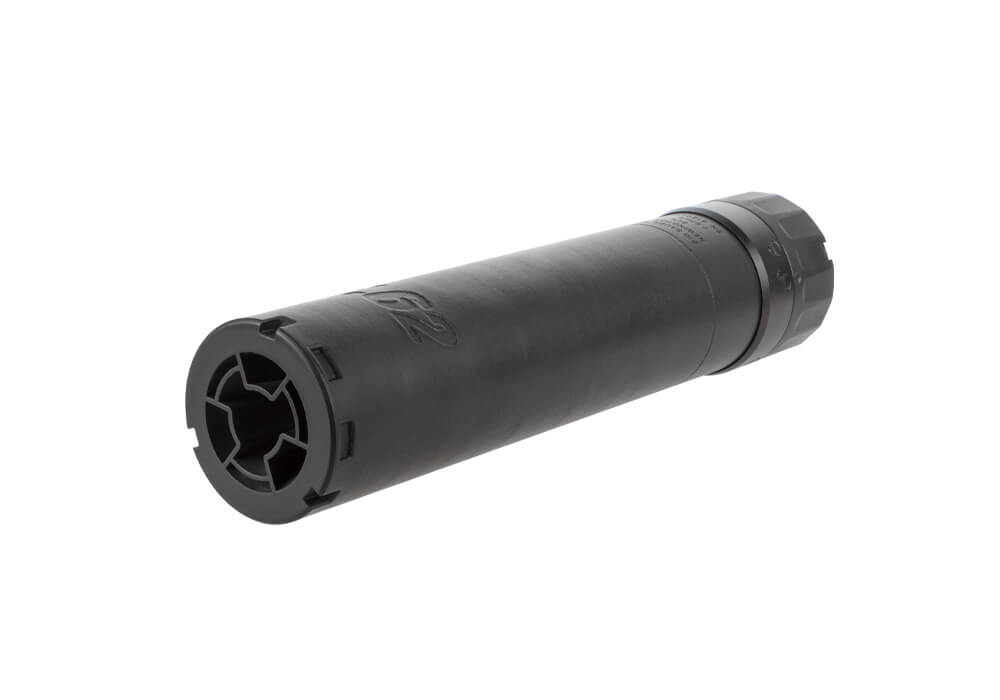
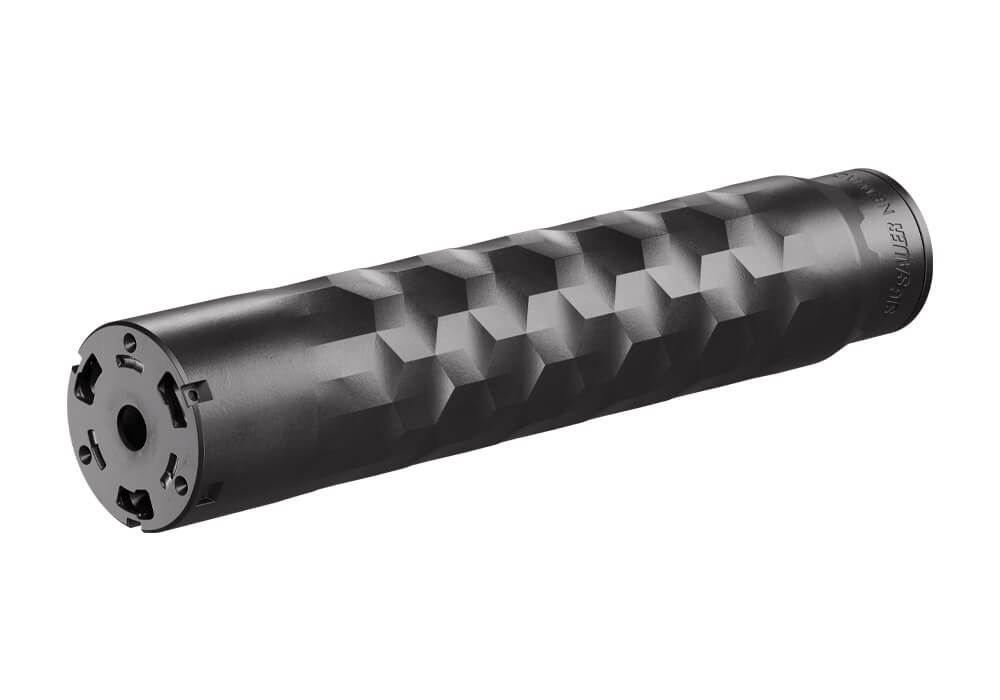
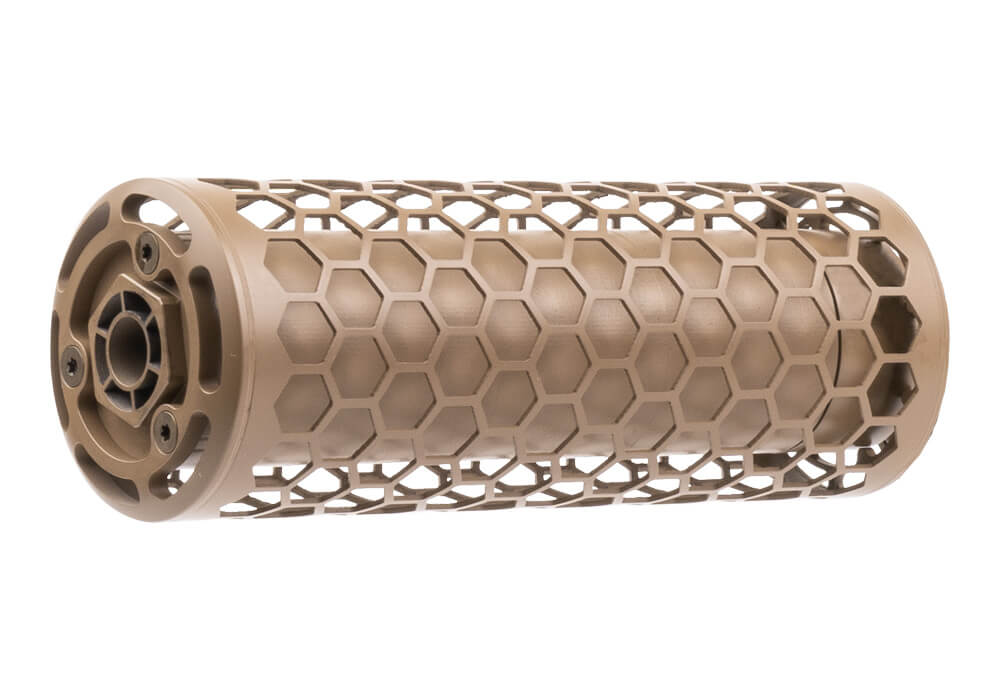
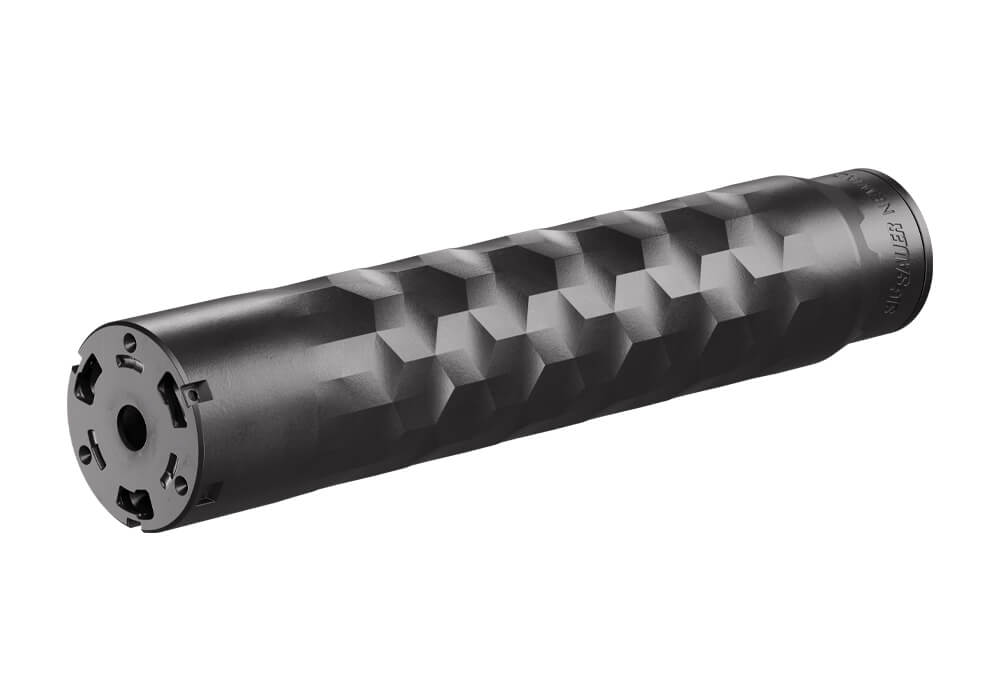
A 5.56 suppressor is designed to reduce muzzle report, visible flash, and felt recoil when paired with a compatible rifle and ammunition. For many shooters, the difference is most noticeable at the firing line: the sharp crack becomes more manageable, the rifle moves less between shots, and communication with nearby shooters is easier. A suppressor does not make a firearm silent, and safe hearing practices remain essential. Always use appropriate eye and ear protection, follow the suppressor manufacturer’s instructions, and confirm that the accessory is installed correctly before firing. The products listed here are intended for rifles chambered in 5.56 NATO and, in many cases, may also be suitable for .223 Remington; however, chamber markings, ammunition specifications, and suppressor ratings should be checked carefully before use. This category can serve a wide range of applications, from recreational range sessions and varmint control to duty-oriented training and carefully planned backcountry setups. A compact 5.56 suppressor can be useful on a maneuverable carbine, while a longer or more robust design may suit a rifle that will see extended strings of fire. For additional options across different rifle configurations, materials, and mounting systems, explore High Performance Rifle Suppressors.
Choosing among 5.56 suppressors begins with the rifle itself. Barrel length is one of the most important details, particularly for short-barreled rifles, because some suppressors have specific minimum barrel requirements. A model approved for a 16-inch barrel may not be appropriate for a shorter setup, so verify the manufacturer’s rating before making a purchase. Intended firing pace matters as well. Occasional semi-automatic range use places different demands on a suppressor than rapid strings, intensive training, or select-fire platforms. Materials such as stainless steel, nickel-based alloys, and titanium each bring different combinations of weight, heat resistance, durability, and maintenance requirements. Lightweight designs are comfortable during a long day of movement or positional drills, while heavier construction may be preferred for rifles that routinely build substantial heat. Mounting method is another practical consideration. Direct-thread suppressors can offer a simple, compact connection, while quick-detach systems may make it easier to move one suppressor between compatible rifles or remove it for transport and storage. Confirm thread pitch, muzzle device compatibility, bore alignment, and clearance before installation. A properly mounted suppressor should be checked for secure attachment and alignment, since even a small compatibility issue can damage equipment or create a serious safety hazard.
Back pressure and gas management are also central to the shooting experience. Traditional baffle designs can provide strong sound reduction, but on a semi-automatic rifle they may increase gas movement through the action and toward the shooter’s face. Low-backpressure or forward-venting designs can help reduce that effect, potentially making the rifle more comfortable during extended use and helping maintain a cleaner-feeling shooting position. The best choice depends on the rifle’s gas system, barrel length, ammunition, and the shooter’s priorities. Consider the suppressor’s overall length and weight, especially when the rifle will be carried through dense brush, used from a supported position, or handled during drills that involve transitions and movement. Suppressors also become extremely hot after firing; allow adequate cooling time, use a suppressor cover when appropriate, and keep the equipment away from cases, vehicles, gear, and combustible materials. Routine inspection and cleaning should follow the manufacturer’s guidance, with particular attention to mounting surfaces, carbon buildup, and signs of damage. Because suppressors are regulated items, purchasers should review all applicable federal, state, and local laws, complete any required registration or transfer process, and understand storage and transport rules before ordering. A suppressor is generally a specialized equipment purchase rather than an impulse gift, but it can be a meaningful choice for an experienced rifle owner who has already identified a compatible host firearm, mounting system, and intended use. During the cooler months, when range sessions often involve layered clothing and longer periods outdoors, a thoughtfully matched 5.56 suppressor can make practice more comfortable while preserving the rifle’s balance, reliability, and handling characteristics.